Fernweh: Home
ExploreGuideDestinationsMy tripsMy trip
de|en
All Places & RegionsRound tripsNight trains in EuropeAll highlightsAbout FernwehFAQPrivacy PolicyImprint
Download on the App StoreGet it on Google Play
ExploreGuideDestinationsMy tripsMy trip
    • Neighborhoods & highlights
    • Recommendations
    • Eat & drink
    • Culture
    • Getting around
    • Accommodation
    • Plan trip
    • Nearby
    Gongju and Buyeo

    Bernard Gagnon / Wikimedia Commons / CC0

    South Korea

    Gongju and Buyeo

    City

    Gongju, damals Ungjin, war von 475 bis 538 Hauptstadt des Königreichs Baekje. Danach regierten die Könige bis zum Untergang des Reiches 660 von Buyeo aus, das damals Sabi hieß.

    by Felix Gillen

    1. Home
    2. Destinations
    3. South Korea
    4. Gongju and Buyeo
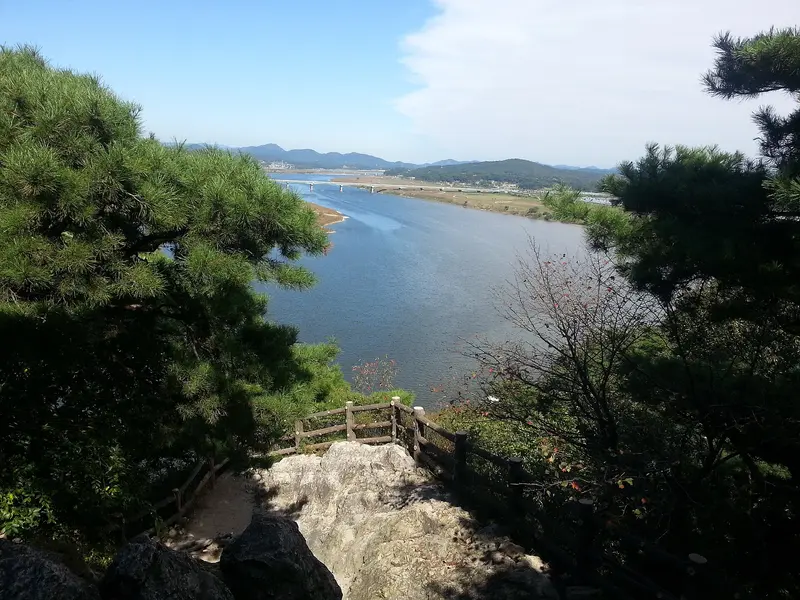
    Gongju, damals Ungjin, war von 475 bis 538 Hauptstadt des Königreichs Baekje. Danach regierten die Könige bis zum Untergang des Reiches 660 von Buyeo aus, das damals Sabi hieß.Festungen, Königsgräber und Tempelstätten beider Orte gehören zusammen mit Stätten in Iksan zum UNESCO-Welterbe „Baekje Historic Areas“, eingeschrieben 2015. Sie zeigen den Austausch von Technik, Buddhismus und Kunst zwischen Korea, China und Japan.Gongju liegt am Fluss Geumgang. Im Stadtgebiet von Gongju, am Fuß des Taehwasan, steht der Tempel Magoksa, der zum Welterbe der koreanischen Bergklöster gehört.
    South Korea travel guideRound trips in South KoreaPlan a trip with Gongju and Buyeo

    Contents

    • Neighborhoods & highlights
    • Recommendations
    • Eat & drink
    • Culture
    • Getting around
    • Accommodation
    • Nearby

    Sights in Gongju and Buyeo

    Discover the most important sights and attractions

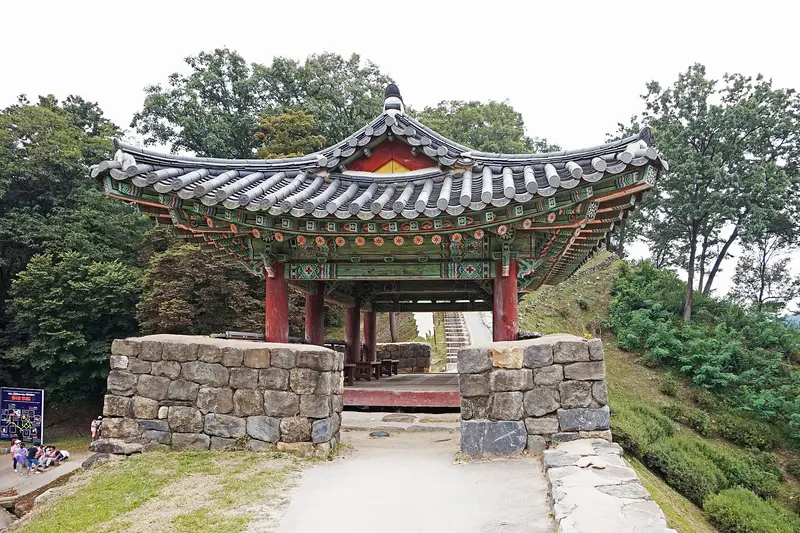
    Gongsanseong Fortress

    Bernard Gagnon / Wikimedia Commons / CC0

    Castle

    1Gongsanseong Fortress

    Fortress in the center of Gongju and part of the UNESCO World Heritage Baekje Historic Areas. After Baekje, Silla, Goryeo, and Joseon continued to use Gongju as a regional administrative center. From the fortress, you overlook the city and the Geumgang River. Open March to October 9 AM to 6 PM, November to February 9 AM to 5 PM. Last entry 30 minutes before closing.
    Open in Google Maps
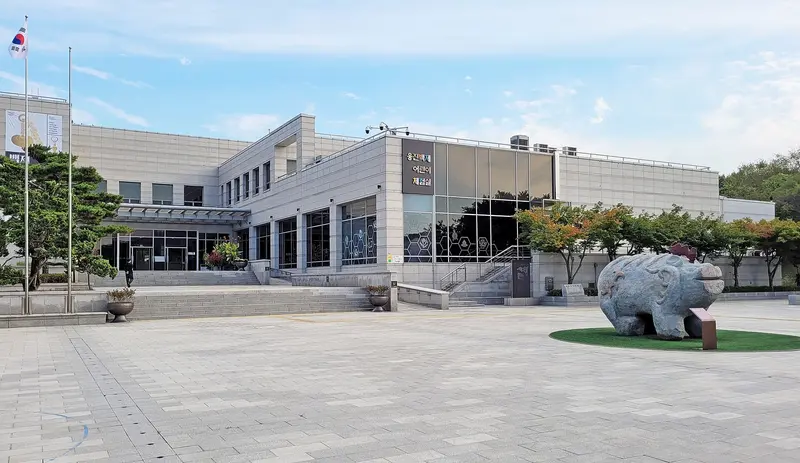
    Gongju National Museum

    Bernard Gagnon / Wikimedia Commons / CC0

    Museum

    2Gongju National Museum

    The museum houses over 10,000 objects from Chungcheongnam-do and Daejeon, including 19 National Treasures. Open 9 AM to 6 PM; closed Mondays, New Year's Day, Seollal, and Chuseok.
    Open in Google Maps
    Castle

    3Busosanseong Fortress and Gwanbuk-ri Palace Site

    A major attraction in Buyeo and part of the UNESCO World Heritage. Gwanbuk-ri was the royal palace of the Baekje capital Sabi, while Busosanseong Fortress served for defense. Open year-round from 9 AM to 6 PM.
    Open in Google Maps
    Magoksa Temple

    “Magoksa” by Jjw / Wikimedia Commons / CC BY-SA 3.0, mod.

    Place of Worship

    4Magoksa Temple

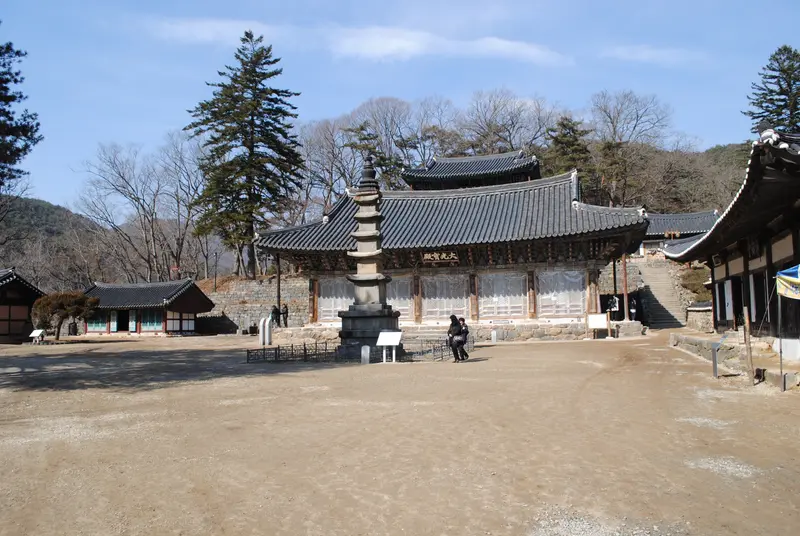
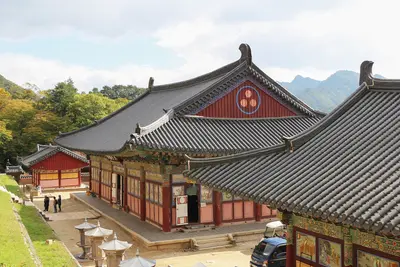
    Buddhist temple at the foot of Taehwasan in the city of Gongju, founded in 640 under Queen Seondeok of Silla, according to the Korea Tourism Organization. It is part of the UNESCO World Heritage site “Sansa, Buddhist Mountain Monasteries in Korea”, inscribed in 2018. The temple offers Templestay.
    Open in Google Maps
    Nakhwaam

    “Nakwaam rock 1” by Frankhöffner / Wikimedia Commons / CC BY-SA 3.0, mod.

    Historic Landmark

    5Nakhwaam

    The 'Cliff of Falling Blossoms' is located at Baekhwajeong Pavilion in the north of Busosanseong Fortress. Legend says that during Baekje's collapse, court ladies plunged to their deaths here.
    Open in Google Maps
    Historic Landmark

    6Gungnamji Pond

    According to the Korea Tourism Organization, King Mu had the pond built in 634 south of his palace. In July, the Buyeo Seodong Lotus Festival takes place here. Open year-round.
    Open in Google Maps

    Restaurants in Gongju and Buyeo

    Culture & Fests

    Baekje HeritageBaekje was one of Korea's Three Kingdoms. The eight World Heritage sites in Gongju, Buyeo, and Iksan date from 475 to 660. After Baekje, Gongju remained a regional administrative center under Silla, Goryeo, and Joseon.FestivalsBaekje Cultural Festival in October, including at the Jeongnimsa Site and Gwanbuk-ri in Buyeo.Buyeo Seodong Lotus Festival in July at Gungnamji Pond.CuisineBuyeo is known for rice in lotus leaf (yeonnipbap) and for Ssambap, rice with leaves for wrapping.

    Arrival and On the Go

    By Bus from SeoulFrom Seoul Express Bus Terminal, buses depart approximately hourly for Gongju, taking about 1 hr 50 min. To Buyeo, you travel from Seoul Nambu Terminal in about 2 hrs 10 min. Times are approximate.Two LocationsGongju and Buyeo are separate locations. In Gongju, you'll find Gongsanseong Fortress, the National Museum, and Magoksa Temple slightly outside the city. In Buyeo, you'll discover Busosanseong Fortress with Nakhwaam Rock, Jeongnimsa Temple Site, Gungnamji Pond, and the National Museum.

    Accommodations in Gongju and Buyeo

    Find perfect stay in Gongju and Buyeo

    Booking.com* (Affiliate link)
    Search Hotels
    Agoda* (Affiliate link)
    Search Hotels
    Airbnb
    Vacation Rentals

    * Affiliate link: if you book through it, we earn a small commission. The price stays the same for you.

    Plan your trip to Gongju and Buyeo

    Save places, build a route and plan your city trip, all in one place.

    1. 1
      Sunrise over alpine peaks and a sea of clouds
      1234

      Round trip

      12 days · 4 stops

      Saved

      Pick a route

      Pick a ready-made one or save places and plan your own.

      Open bookmarks
    2. 2

      Trip to Gongju and Buyeo

      Live
      • 1Gongsanseong Fortress3 days
      • 2Gongju National Museum4 days
      • 3Busosanseong Fortress and Gwanbuk-ri Palace Site5 days
      Budget

      Plan your trip

      The planner sorts stops, days and budget. Plan together in real time.

      Start trip planning
    3. 3
      9:41 No signal
      Gongju and Buyeo
      Available offline

      Bernard Gagnon / Wikimedia Commons / CC0

      Use it on the road

      Download the guide to your phone and use it on site, even offline.

    Nearby

    Jeonju

    Jeonju

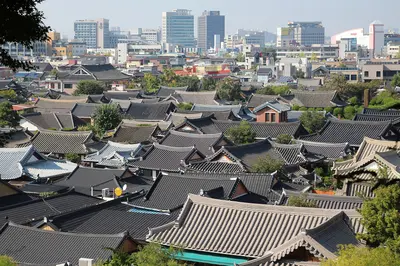
    Located in the southwest of South Korea, Jeonju is primarily known for its Hanok Village, featuring several hundred traditional houses. It is also home to Gyeonggijeon, the hall built in 1410 housing the portrait of King Taejo, and the Jeondong Cathedral, completed in 1914.The city is considered the home of Jeonju Bibimbap and also offers Kongnamul-gukbap, a rice soup with bean sprouts. With the KTX, you can get there from Seoul in approximately 1.5 to 2 hours.

    Bernard Gagnon·CC0

    Suwon

    Suwon

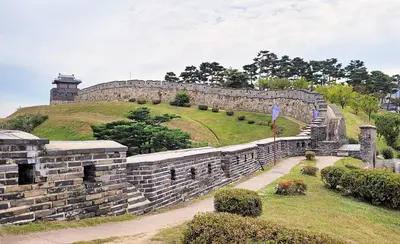
    Suwon, the capital of Gyeonggi Province, lies approximately 30 km south of Seoul. Its main attraction is Hwaseong Fortress, built by King Jeongjo in the late 18th century, a UNESCO World Heritage site since 1997. Its 5.74 km wall encloses the old town and Hwaseong Haenggung, a temporary palace. Suwon is known for its Galbi, marinated beef ribs grilled over charcoal.

    Bernard Gagnon·CC0

    Haeinsa and Gayasan

    Haeinsa and Gayasan

    Haeinsa Temple is located on Mount Gayasan in Hapcheon County, Gyeongsangnam-do. Founded in 802 by monks Suneung and Ijung, its name comes from the Hwaeom Sutra.Haeinsa is renowned for the Tripitaka Koreana: some 80,000 wooden printing blocks from 1237-1248. They are kept in the 15th-century Janggyeong Panjeon depots, a UNESCO World Heritage site since 1995. Buildings and blocks are National Treasures.

    Bernard Gagnon·CC0

    Gangnam and Jamsil

    Gangnam and Jamsil

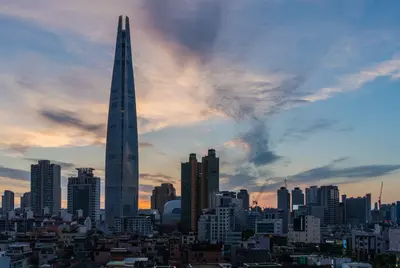
    South of the Han River lie Seoul's affluent business and shopping districts. In Gangnam, amidst office towers, you'll find the Buddhist temple Bongeunsa, the COEX Convention & Shopping Center with the Starfield Library, and the Royal Tombs of Seonjeongneung, a UNESCO World Heritage site. Further east in Jamsil stand the Lotte World Tower and the Lotte World amusement park.

    Ethan Brooke·Pexels

    Itaewon and Yongsan

    Itaewon and Yongsan

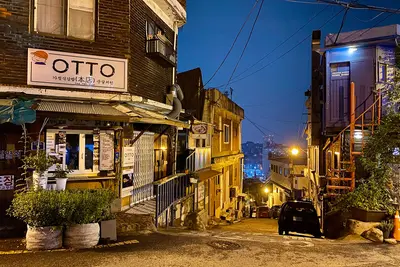
    Itaewon, on Namsan's southern slope, is Seoul's most international district, renowned for global restaurants and vibrant nightlife. Here are the Leeum Art Museum with buildings by Mario Botta, Jean Nouvel, and Rem Koolhaas, as well as the War Memorial of Korea. West of it in Yongsan is the National Museum, below Namsan the old district of Haebangchon.

    Aatu Dorochenko·CC BY-SA 4.0

    Your next steps

    Gongju and Buyeo is in South Korea. Ways to carry on from here.

    • More in South Korea

      Highlights, areas, routes and the best time to travel for all of South Korea.

      South Korea travel guide
    • Round trips in South Korea

      Ready-made routes through South Korea, with stops, nights and a map.

      See the routes

    Sources & method

    • Photos: Wikimedia Commons. Each photo carries its credit.
    • Place data such as addresses and ratings comes from Google Maps.
    • The content is based on web research from public, traceable sources. How the content is made · The role of AI