Fernweh: Home
ExploreGuideDestinationsMy tripsMy trip
de|en
  • Why go
  • Highlights
  • Regions
  • Round trips
  • Local food
  • Good to know
  • Best time to visit
  • Travel advice
Latvia

Photo by Alex Does Pictures on Pexels

Travel Guide Latvia

Latvia lies in the middle of the Baltics, between Estonia and Lithuania, and boasts almost 500 kilometers of coastline along the Baltic Sea and the Gulf of Riga.

by Felix Gillen

Why Go To Latvia?

Latvia brings together one of the liveliest capitals of the North with an abundance of untouched nature: In Riga, a medieval Old Town and over 800 Art Nouveau buildings stand side by side, both part of the UNESCO World Heritage Historic Centre of Riga. Just an hour by train away, the Gauja Valley awaits with pine forests, sandstone cliffs, and medieval castles, and along some 500 kilometers of coastline, you'll discover long, freely accessible sandy beaches. Highlights also include Rundāle Palace, Rastrelli's Baroque masterpiece, and Kuldīga, home to Europe's widest waterfall.

Contents

  • Highlights
  • Regions
  • Round trips
  • Local food
  • Good to know
  • Best time to visit
  • Travel advice

Where in Latvia?

Pick an area. The highlights, road trips and places below follow your choice.

Highlights in Latvia

What you should have seen
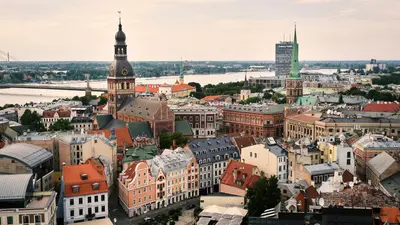
Riga

Photo by Boris K. on Pexels

Highlight 1 of 4

Riga

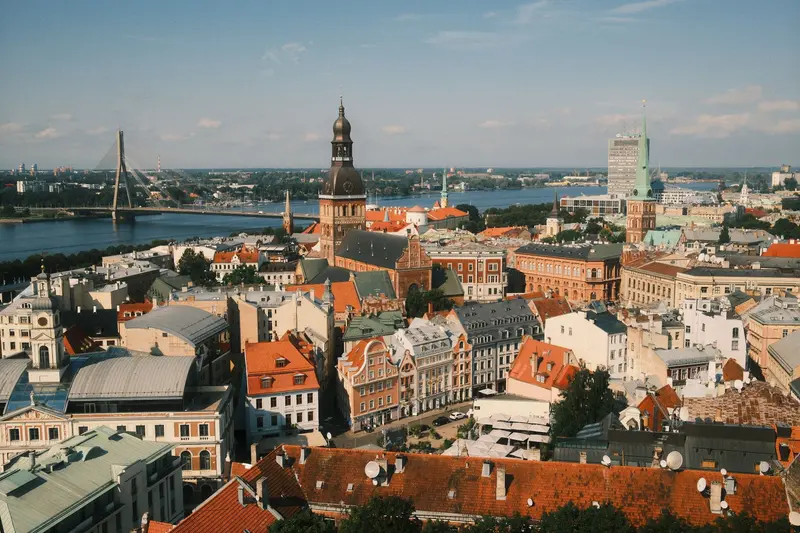
Riga is the largest of the Baltic capitals and one of the most vibrant cities in Northern Europe.

Discover
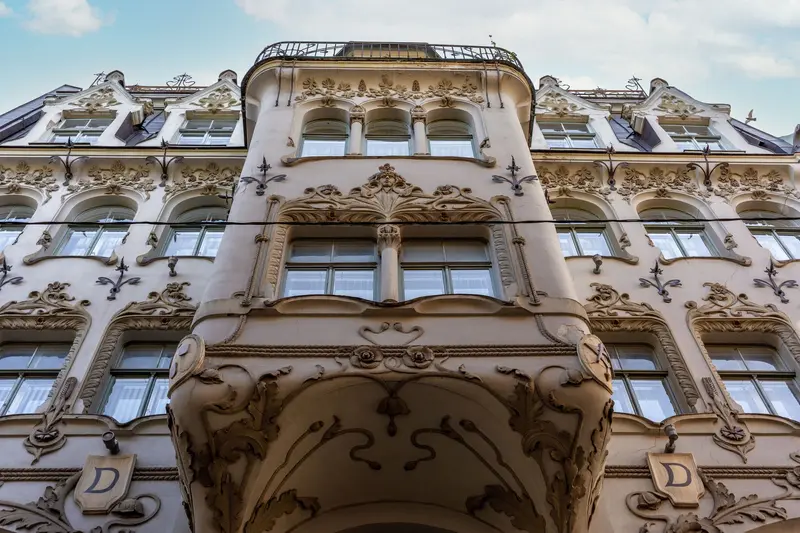
Art Nouveau Quarter Riga

Photo by Anastasiya Badun on Pexels

Highlight 2 of 4

Art Nouveau Quarter Riga

The Art Nouveau Quarter, located in the so-called Quiet Centre north of the Old Town, boasts the densest concentration of Art Nouveau buildings in Riga.

Discover
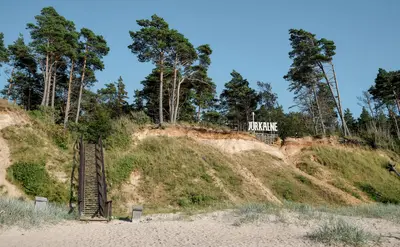
Jūrmala

Bahnfrend / Wikimedia Commons / CC BY-SA 4.0, mod.
Highlight 3 of 4

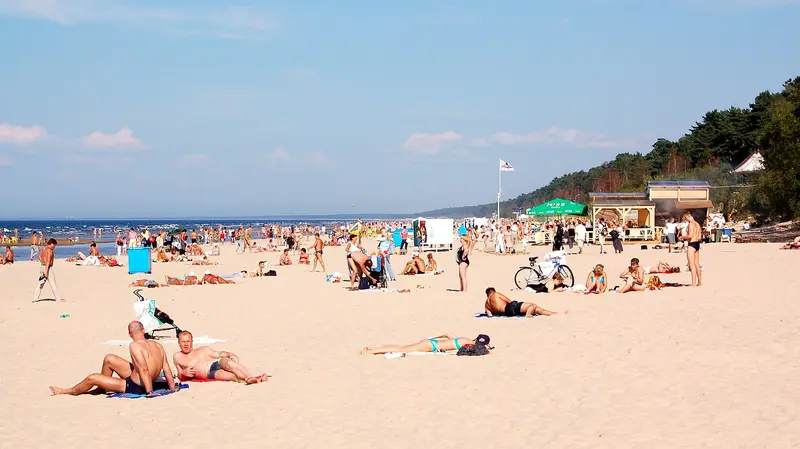
Jūrmala

Jūrmala is the best-known seaside resort in the Baltics and stretches like a narrow strip between Riga Bay and the Lielupe River, west of Riga.

Discover
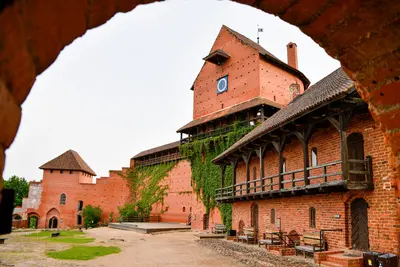
Sigulda

Photo by Alexey Baikov on Pexels

Highlight 4 of 4

Sigulda

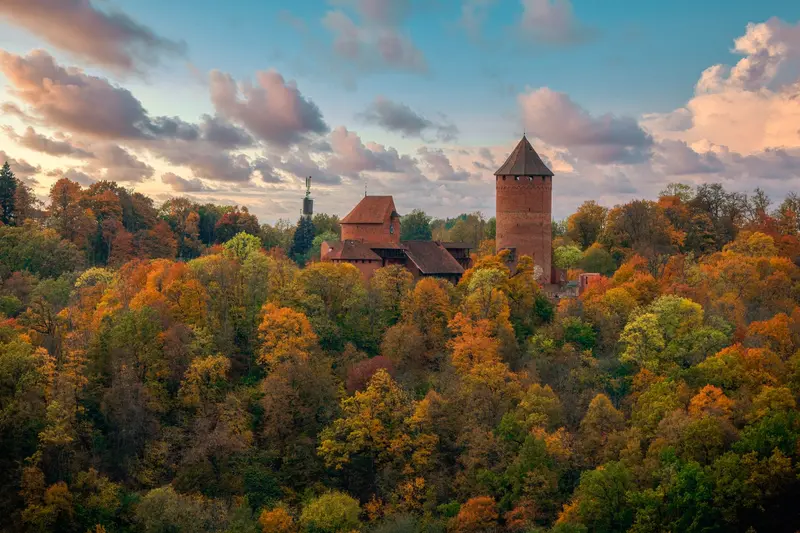
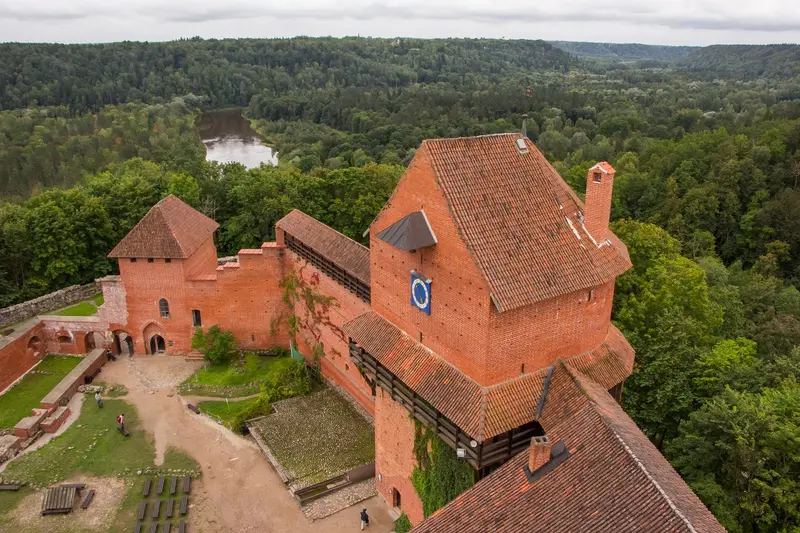
Sigulda is located about an hour by train northeast of Riga on the edge of the Gauja Valley and is the most visited excursion destination in Gauja National Park.

Discover

More highlights in Latvia

Gauja National Park

Gauja National Park

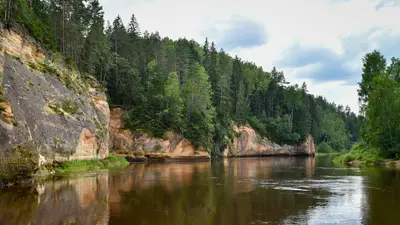
The Gauja National Park is the oldest and largest national park in Latvia. Founded in 1973, it protects over 90,000 hectares of the most beautiful section of the Gauja Valley between Valmiera and Murjāņi. Reddish sandstone cliffs, caves, and springs line the river, interspersed with castle mounds, medieval castles, manor houses, and the towns of Sigulda and Cēsis. Hiking, cycling, and canoeing on the Gauja are the classic ways to experience the park.

Margo Evardson·Pexels

Cēsis

Cēsis

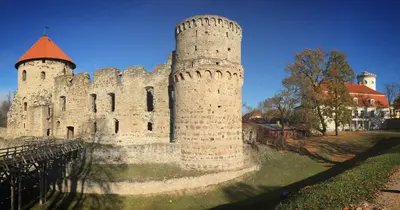
Founded in 1206, Cēsis is considered one of the best-preserved medieval towns in the Baltics. In the heart of the town stand the mighty ruins of the castle, one of the Livonian Order's most important seats from 1237 to 1561, alongside the New Castle and a park. Cobblestone streets, red tiled roofs, and the Gothic St. John's Church define the Old Town, while all around begins the Gauja National Park with its sandstone cliffs and hiking trails. MARCO POLO ranks Cēsis among the top highlights of the Baltics.

Sergei Gussev·Unsplash

Rundāle Palace

Rundāle Palace

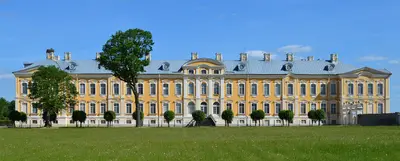
Rundāle Palace, the Baroque residence of the Dukes of Courland, is located about 80 road kilometers south of Riga in the Zemgale Plain. The Russian court architect Francesco Bartolomeo Rastrelli designed it from 1735 for Ernst Johann von Biron, Duke of Courland. After a long interruption, it was completed between 1764 and 1770, with stucco by Johann Michael Graff and ceiling paintings by Francesco Martini and Carlo Zucchi adorning the ceremonial rooms. The palace features a reconstructed French Baroque garden.

Scotch Mist·CC BY-SA 4.0

Kuldīga

Kuldīga

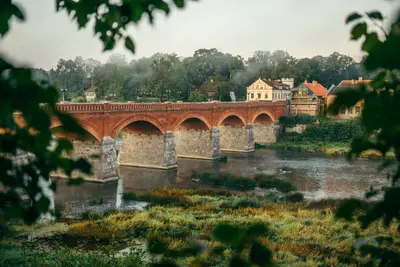
Kuldīga, das alte Goldingen, ist das Schmuckkästchen Kurlands. Die Altstadt mit niedrigen Holz- und Fachwerkhäusern, roten Ziegeldächern und dem Bach Alekšupīte, der direkt an den Hauswänden entlangfließt, steht seit 2023 auf der UNESCO-Welterbeliste. Gleich daneben stürzt die Venta über den Venta-Wasserfall, mit rund 249 Metern Breite, bei Hochwasser bis etwa 275 Metern, der breiteste Wasserfall Europas; darüber spannt sich eine Ziegelbrücke von 1874. MARCO POLO zählt Kuldīga zu den Top-Highlights des Baltikums.

Santa Atte·Pexels

Liepāja

Liepāja

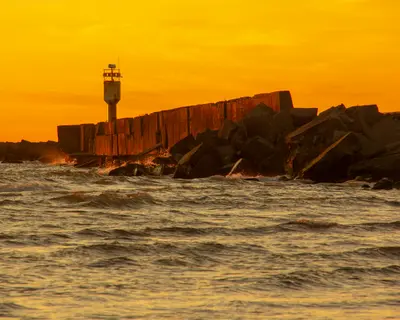
Liepāja is Latvia's third-largest city, located on the open Baltic Sea in southwestern Kurzeme. The city of music, wind, and sea boasts a wide Blue Flag sandy beach, a large coastal park, the 'Great Amber' Concert Hall, and a vibrant cultural scene; in 2027, Liepāja will be a European Capital of Culture. To the north lies Karosta, the former tsarist naval port and later a restricted Soviet military zone, today one of the country's most unusual places.

Klāvs Taimiņš·Unsplash

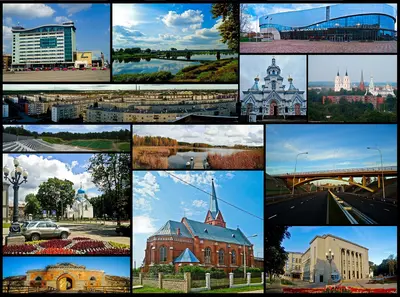
Daugavpils

Daugavpils

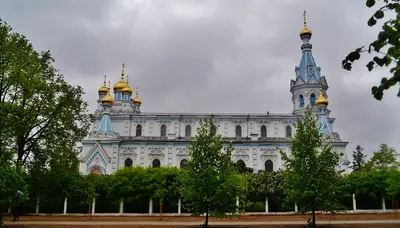
Daugavpils, Latvia's second-largest city and Latgale's center, lies approx. 230 km southeast of Riga on the Daugava's banks. It features Eastern Europe's only nearly unaltered early 19th-century fortress, its arsenal housing the Rothko Museum with original paintings by Daugavpils-born Mark Rothko. Other highlights include the Church Hill with four denominations' places of worship and a tram on Russian broad gauge.

Zairon·CC BY-SA 4.0

How to plan your trip to Latvia

From the guide to the road: here is what comes next.

  1. 1
    Sunrise over alpine peaks and a sea of clouds
    1234

    Round trip

    12 days · 4 stops

    Saved

    Pick a route

    Pick a ready-made one or save places and plan your own.

    Browse routes
  2. 2

    Trip to Latvia

    Live
    • 1Riga3 days
    • 2Art Nouveau Quarter Riga4 days
    • 3Jūrmala5 days
    Budget

    Plan your trip

    The planner sorts stops, days and budget. Plan together in real time.

    Go to My Trips
  3. 3
    9:41 No signal
    Latvia
    Available offline

    Photo by Alex Does Pictures on Pexels

    Use it on the road

    Download the guide to your phone and use it on site, even offline.

Regions to Discover

Explore the diverse regions of Latvia.
Zemgale

Zemgale

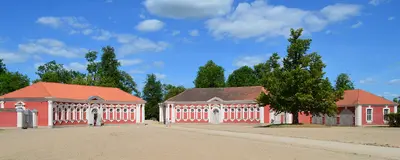
Zemgale, historic Semigallia, is the flat, fertile plain south of Riga extending to the Lithuanian border. Agriculture still defines the region today, along with the legacy of the Duchy of Courland: Rundāle Palace, the Baroque palace by Bartolomeo Rastrelli, and Bauska Castle at the confluence of the Mūsa and Mēmele are the most famous destinations.

Scotch Mist·CC BY-SA 4.0

Riga and the Bay of Riga

Riga and the Bay of Riga

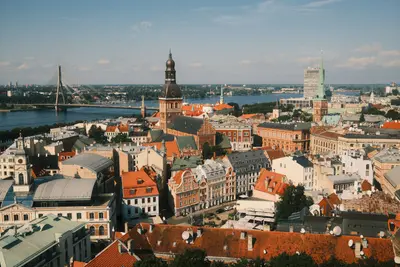
The tourist heart of Latvia lies around the capital: Riga, with its UNESCO-protected Old Town, Art Nouveau district, and Central Market; and the seaside resort of Jūrmala, with almost 25 kilometers of sandy beach, wooden villas, and the Ķemeri National Park. Both destinations are connected by suburban train in about half an hour.

Bartosz Andrzejuk·Pexels

Kurzeme

Kurzeme

Kurzeme, the historical Courland, occupies the west of Latvia between the Baltic Sea and the Gulf of Riga. Here lie the country's most beautiful small towns and wildest stretches of coastline: Kuldīga with its UNESCO-protected Old Town and the Venta Waterfall, the port city of Liepāja, European Capital of Culture 2027, with the former military port of Karosta, and Ventspils. According to MARCO POLO, the sunsets over the open sea are among the most beautiful in the Baltics.

Margo Evardson·Pexels

Latgale

Latgale

Latgale (Latgalia) is the easternmost of Latvia's four historical cultural regions and borders Lithuania, Belarus, and Russia. Its center is Daugavpils on the Daugava, the country's second-largest city, approximately 230 kilometers southeast of Riga. Here, Catholicism is more widespread than elsewhere in the country, and Russian is widely spoken in the cities. The Federal Foreign Office provides information on border crossings to Belarus and Russia and drone warnings in the east, linked on its country page.

Dainiskauskas·CC BY-SA 4.0

Vidzeme

Vidzeme

Vidzeme, historic Livland, lies northeast of Riga. Its highlight is the Gauja Valley, home to the oldest and largest national park: sandstone cliffs, caves, pine forests, and medieval castles of Sigulda, Turaida, and Cēsis. Canoeing and hiking its steep banks make it the most popular nature destination near the capital.

Margo Evardson·Pexels

Recommended Itineraries

Discover the best routes through Latvia.
Riga, Baltic Coast and Gauja Valley by Train

Riga, Baltic Coast and Gauja Valley by Train

A car-free week: Riga with Old Town, Art Nouveau, and Central Market, a beach day in Jūrmala, then by suburban train to the Gauja Valley to Sigulda and on to Cēsis, from where a direct train runs to Tartu and Tallinn. This connects Latvia with an Estonia trip.

8 Days
Open jaw
Stops at a glance
  1. 1.Riga
  2. 2.Sigulda
  3. 3.Cēsis
View Route Details →

What you eat in Latvia

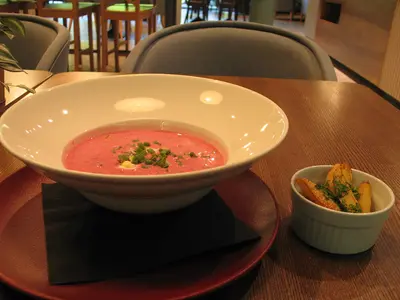
The Cold Soup

Андрей Романенко·CC BY-SA 4.0

The Cold Soup

Chilled Beetroot Soup

The brightly pink, uncooked soup is for Latvians the taste of early summer. Traditionally, it consists of beetroot and sour milk products like kefir or buttermilk, along with cooked potatoes, egg, cucumber, dill, and spring onions. Whether mustard or vinegar belong in it, families still argue about that today.
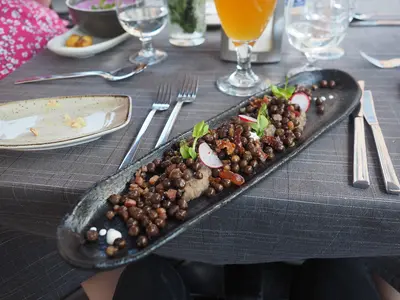
Grey peas with smoked bacon

JIP·CC BY-SA 4.0

Grey peas with smoked bacon

Grey Peas with Bacon

Graue Erbsen gehören in Lettland auf jeden Weihnachtstisch, in der Volksüberlieferung stehen sie für Wohlstand und Lebenskraft. Die Erbsen werden eingeweicht, lange gekocht und mit Speck, Räucherfleisch und Zwiebeln serviert. Die Spezialität ist als traditionelles Erzeugnis von der EU geschützt.
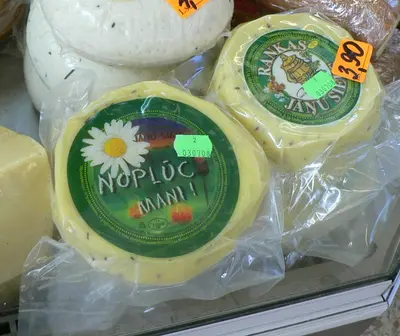
Jāņi cheese

Haliak·public domain

Jāņi cheese

Midsummer-Caraway Cheese

The round caraway fresh cheese is a Jāņi Midsummer festival staple, its loaf symbolizing the sun for ancient Latvians. Made from heated fresh milk, salt, and caraway. It may only be sold as Jāņu siers according to its registered specification for guaranteed traditional specialty status.
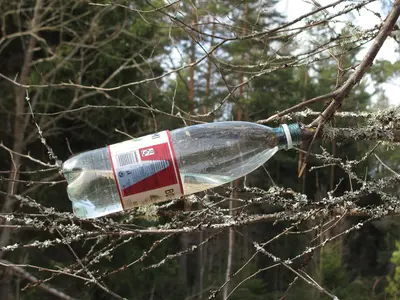
Birch juice

Hannu·public domain

Birch juice

Birch sap

In spring, as soon as the ground thaws and before the birch trees leaf out, their sap is tapped. It tastes slightly sweet and fresh and is drunk pure or bottled; fermented, it becomes a sparkling, champagne-like birch sap. At Riga Central Market, spring traditionally begins with maple and birch sap.
Gailenes

George Chernilevsky·public domain

Gailenes

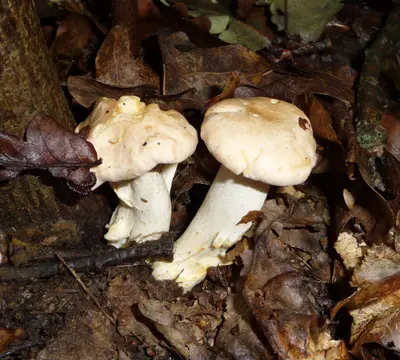
Chanterelles

In summer and autumn, many families head to the forests for mushroom picking, a basket full of chanterelles being the goal. Traditionally, they are served as a sauce with new potatoes, as a gratin, or pickled. They are also popular because they are rarely infested by worms and can be prepared without pre-cooking.

Good to Know

Essential info for your trip planning.

Key facts

Riga · 1.8 million (2026) · Latvian

Land & People

Small Country, Great NatureLatvia lies between Estonia to the north and Lithuania to the south, on the Baltic Sea.

History & Society

Hanse, Orders, and Foreign PowersBaltic tribes settled here for millennia before German crusaders and merchants…

Food & Drink

Hearty and SeasonalLatvian cuisine thrives on rye bread, potatoes, dairy products, fish, and what the forest and garden…

Practical Info

For current and binding travel, safety and health advice, check the UK Foreign, Commonwealth & Development Office…

Getting Around

Getting ThereBy Air: Riga Airport is the most important hub in the Baltics.

Traveling with Kids

Family-Friendly CountryThe flat, long sandy beaches of Riga Bay are ideal for children, with the water in Jūrmala…

Best Time to Visit

When is the best time for your trip?

May
June
July
August
September
11–18°C·50–77 mm(moderate rain)
The most pleasant time is from May to September: Days are long; in May and June, the sun shines for about nine hours a day on average. July and August, with monthly averages of almost 17 to 18 degrees, are the warmest months and the bathing season on the Baltic Sea. September brings mild weather and the first autumn colours in the Gauja Valley. Riga is worth visiting in December for its Christmas markets, but it's dark and frosty then.
Monthly averages: Latvian national averages for the climate normal period 1991 to 2020, according to the Latvian Centre for Environment, Geology and Meteorology (LVĢMC); sunshine hours calculated as daily averages from monthly totals. On the coast (Liepāja, Ventspils), winters are milder; in the east and on higher ground, they are colder. February is, on average, the coldest month, April the driest, and August the wettest.

Seasons

Jan
Feb
Mar
Apr
May
Jun
Jul
Aug
Sep
Oct
Nov
Dec
Summer and swim season
Spring and early autumn
Off-season
Winter with Christmas markets and frost
Best Time to Visit
▶Show detailed monthly data
MonthTemp (°C)Rain (mm)Sun (h)
January-3.0511.1
February-3.1402.3
March0.2374.5
April6.1366.8
May11.4509.1
June15.2709.3
July17.8769.3
August16.9778.1
September12.3615.5
October6.8753.0
November2.2601.1
December-1.1540.8

Travel advice

Safety, entry requirements and health: the official, up-to-date advice for Latvia is published by the UK government on GOV.UK.

Go to GOV.UK

Sources & method

  • Photos: Wikimedia Commons, Unsplash, Pexels. Each photo carries its credit.
  • The content is based on web research from public, traceable sources. How the content is made · The role of AI
Felix at Kuirau Park in Rotorua, New Zealand

Who's behind Fernweh?

Hi, I'm Felix.

I love to travel, and I love planning even more. Fernweh.guide is my attempt at building a really good online travel guide.

About Fernweh

All places in Latvia

  • Art Nouveau Quarter Riga
  • Cēsis
  • Daugavpils
  • Gauja National Park
  • Jūrmala
  • Kuldīga
  • Kurzeme
  • Latgale
  • Liepāja
  • Old Town Riga (Vecrīga)
  • Riga
  • Riga and the Bay of Riga
  • Rundāle Palace
  • Sigulda
  • Vidzeme
  • Zemgale

More about Latvia

  • Best Time to Visit Latvia
  • Latvia with Kids
  • Latvia by RV
All Places & RegionsRound tripsNight trains in EuropeAll highlightsAbout FernwehFAQPrivacy PolicyImprint
Download on the App StoreGet it on Google Play
ExploreGuideDestinationsMy tripsMy trip