Photo by Joaquim Pacheco on Pexels
Round trip · Venezuela
Angel Falls and Los Roques in 12 Days
by Felix Gillen
- 12 Days / 11 Nights
- Caracas → Los Roques
Important: the UK FCDO advises against all travel to parts of Venezuela, including border areas of Bolívar state, and against all but essential travel to the rest of the country (as of November 2026). Check the current advice before any planning. The route links the capital with Angel Falls in Canaima National Park and the coral beaches of Los Roques. From Caracas you take the bus to Ciudad Bolívar on the Orinoco (8 to 12 hours), then a small plane to Canaima. Back in Caracas you fly to Gran Roque.
At a glance
- Duration
- 12 Days / 11 Nights
- Stops
- 6 · Caracas → Los Roques
- Arrival
- Flight · Caracas-Maiquetía (CCS)
- Best Time to Go
- June to November for boat tours to Salto Ángel
6 stops
Why This Route?
It connects the country's two best-known natural destinations, the highest waterfall on Earth and the Caribbean archipelago Los Roques, with Bolívar's history in Caracas and Angostura.
Hidden Gems
- Salto El Sapo: Path behind the water curtain
- Museo de Ciudad Bolívar with the printing press of the Correo del Orinoco
Getting there and back
Round trip, returning to where you started
- Arrival
- Flight · Caracas-Maiquetía (CCS)The airport is on the coast about 26 km from Caracas. Avoid airport transfers after dark and check the FCDO advice on flights.
- Departure
- Flight · Caracas-Maiquetía (CCS)
Itinerary
Caracas
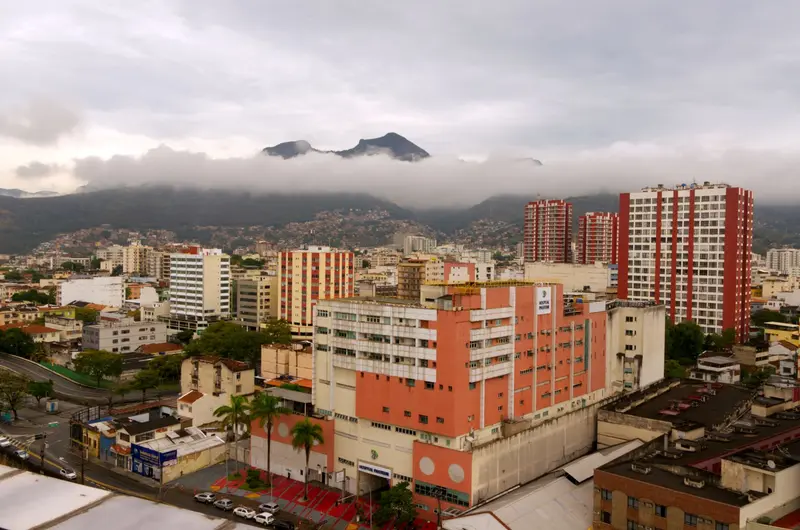
For this area, the FCDO advises against travel unless it is essential. Check the FCDO travel advice, linked on the country page, before planning.Venezuela's capital lies at around 900 m in a valley between the Caribbean coast and the Ávila massif. Of particular interest to travellers are Carlos Raúl Villanueva's Ciudad Universitaria, a UNESCO World Heritage Site since 2000, and the old town around Plaza Bolívar with the house where Simón Bolívar was born.The earthquakes of 24 June 2026 damaged several historic buildings in Caracas, including the cathedral, the Panteón Nacional and parts of the university city; the cable car up the Ávila has been out of service since then. Check what is open before you visit.
University City and Old Town around Bolívar Square.
5 Sights
1 Restaurant
Culture and History
Bolívar's CitySimón Bolívar was born in Caracas on July 24, 1783. His birthplace, the Casa Natal del Libertador near Plaza Bolívar, displays murals by Tito Salas depicting his battles; his remains have rested in the Panteón Nacional since 1876.Modern ArchitectureCarlos Raúl Villanueva's Ciudad Universitaria blends architecture and art. Renowned are Alexander Calder's acoustic "clouds" in the Aula Magna; UNESCO has listed the campus as a World Heritage site since 2000.
Ciudad Bolívar
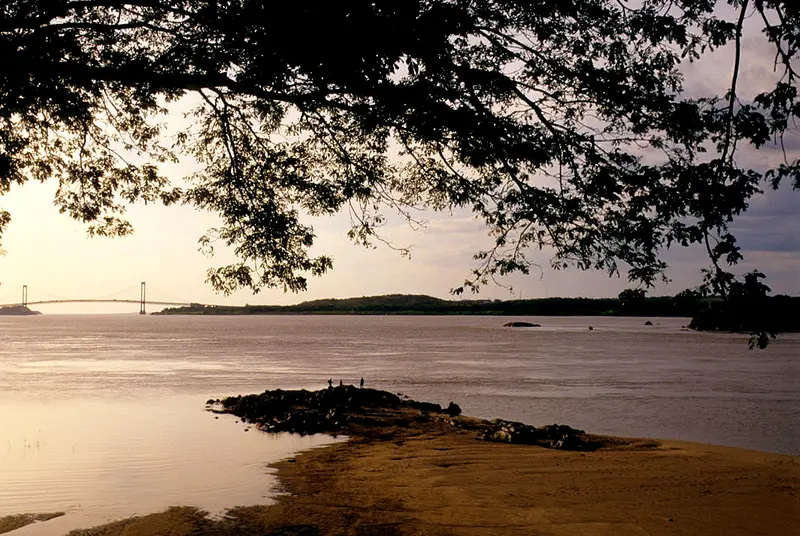
The FCDO advises against all travel to parts of this state. Check the FCDO travel advice, linked on the country page, before planning.Ciudad Bolívar on the south bank of the Orinoco was founded in 1764 as Angostura and is the starting point for flights to Angel Falls. In 1819 the Congress of Angostura met here and founded Gran Colombia; in 1846 the city received its present name.The city lies in Bolívar state, which borders Brazil and Guyana. The colonial old town is grouped around Plaza Bolívar with the cathedral and the Congress House, and the Paseo Orinoco runs along the river.
Bus from Caracas 8 to 12 hours; Congress House and Paseo Orinoco.
5 Sights
Culture and History
AngosturaFounded in 1764, the city was called Angostura until 1846. In 1819, the congress that founded Gran Colombia convened here; the Congress House on Plaza Bolívar can be visited today. From 1818 to 1821, the “Correo del Orinoco,” the young republic’s first newspaper, was published here.
Canaima National Park and Salto Ángel
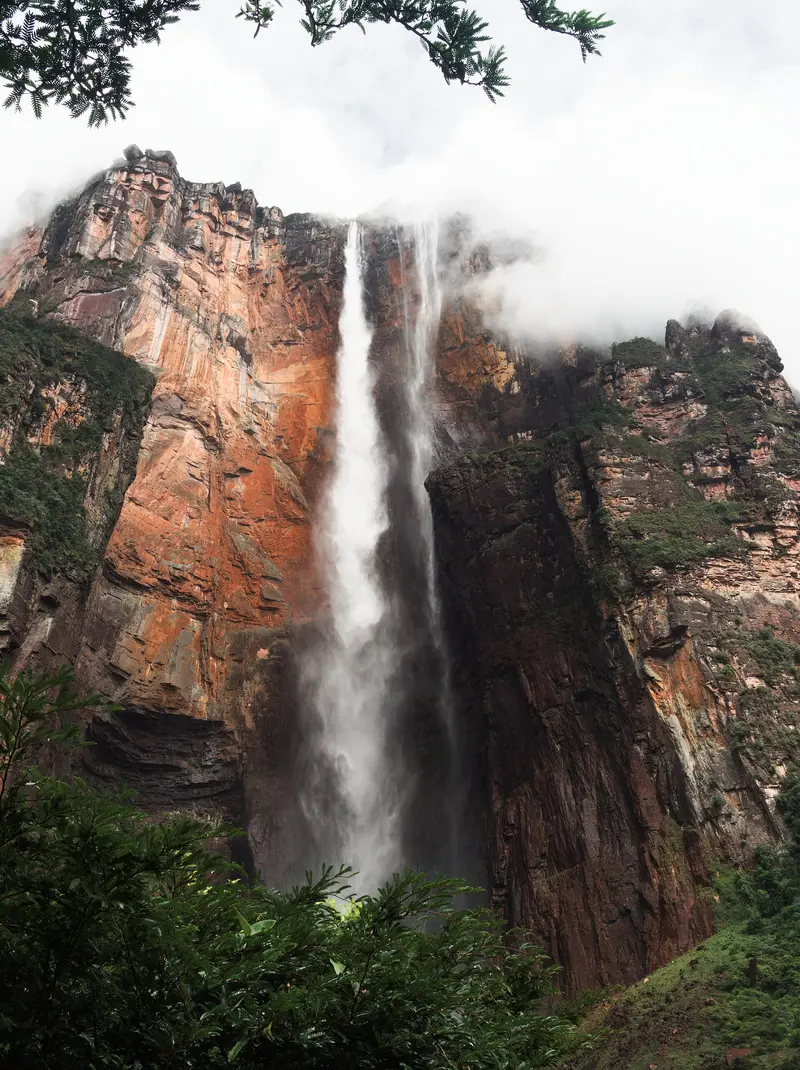
The FCDO advises against all travel to parts of this region. Check the FCDO travel advice, linked on the country page, before planning.In Canaima National Park in south-eastern Venezuela, Angel Falls plunges 979 m from the Auyán-tepui table mountain; Guinness and Britannica list it as the highest waterfall on Earth. The park and its tepuis have been a UNESCO World Heritage Site since 1994 and cover around 30,000 km².There is no road to Canaima: visitors fly from Ciudad Bolívar or Puerto Ordaz to the village on the Laguna de Canaima. In 2009 the then president Hugo Chávez suggested naming the falls after the Pemón name Kerepakupai Merú; they were not renamed by decree.
Small plane from Ciudad Bolívar; boat trip to Angel Falls with overnight stay, Canaima Lagoon and El Sapo Falls.
4 Sights
Tepuis and Pemón
Table MountainsThe park covers approximately 3 million hectares with tepuis like Auyán-tepui, from which Salto Ángel plunges, as well as Roraima, Kukenán, and Chimantá. It is divided into the western sector around Canaima and the eastern sector Gran Sabana.Named after a PilotSalto Ángel is named after US pilot Jimmie Angel, who made an emergency landing on Auyán-tepui in 1937. In 2009, then-President Hugo Chávez suggested renaming it after its Pemón name Kerepakupai Merú; it was not renamed by decree.
Ciudad Bolívar
The FCDO advises against all travel to parts of this state. Check the FCDO travel advice, linked on the country page, before planning.Ciudad Bolívar on the south bank of the Orinoco was founded in 1764 as Angostura and is the starting point for flights to Angel Falls. In 1819 the Congress of Angostura met here and founded Gran Colombia; in 1846 the city received its present name.The city lies in Bolívar state, which borders Brazil and Guyana. The colonial old town is grouped around Plaza Bolívar with the cathedral and the Congress House, and the Paseo Orinoco runs along the river.
Return flight from Canaima, then by bus to Caracas.
5 Sights
Culture and History
AngosturaFounded in 1764, the city was called Angostura until 1846. In 1819, the congress that founded Gran Colombia convened here; the Congress House on Plaza Bolívar can be visited today. From 1818 to 1821, the “Correo del Orinoco,” the young republic’s first newspaper, was published here.
Caracas
For this area, the FCDO advises against travel unless it is essential. Check the FCDO travel advice, linked on the country page, before planning.Venezuela's capital lies at around 900 m in a valley between the Caribbean coast and the Ávila massif. Of particular interest to travellers are Carlos Raúl Villanueva's Ciudad Universitaria, a UNESCO World Heritage Site since 2000, and the old town around Plaza Bolívar with the house where Simón Bolívar was born.The earthquakes of 24 June 2026 damaged several historic buildings in Caracas, including the cathedral, the Panteón Nacional and parts of the university city; the cable car up the Ávila has been out of service since then. Check what is open before you visit.
Bus journey: 8-12 hours.
5 Sights
1 Restaurant
Culture and History
Bolívar's CitySimón Bolívar was born in Caracas on July 24, 1783. His birthplace, the Casa Natal del Libertador near Plaza Bolívar, displays murals by Tito Salas depicting his battles; his remains have rested in the Panteón Nacional since 1876.Modern ArchitectureCarlos Raúl Villanueva's Ciudad Universitaria blends architecture and art. Renowned are Alexander Calder's acoustic "clouds" in the Aula Magna; UNESCO has listed the campus as a World Heritage site since 2000.
Los Roques
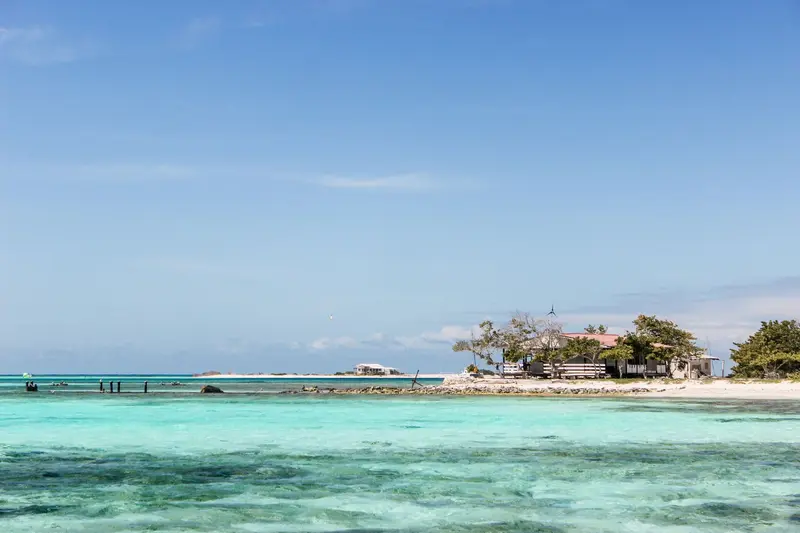
For this area, the FCDO advises against travel unless it is essential. Check the FCDO travel advice, linked on the country page, before planning.The Los Roques archipelago lies in the Caribbean around 130 km off the coast north of Caracas and has been a national park since 1972. Dozens of islands and cays with white sand, lagoons and coral reefs make it a destination for swimming, snorkelling and sailing.The only permanently inhabited island is Gran Roque, with the airstrip, guesthouses and the village; boats take you to the other islands. Since 1996 the archipelago has also been listed as a Ramsar wetland of international importance.
Small plane from Maiquetía to Gran Roque; boat trips to Crasquí and Francisquí.
4 Sights
Plan this route as your trip
All stops, trains and nights go into your trip planner. You adjust dates and places to stay afterwards.
This route is a suggestion from our research. Please check timetables, times in port, opening hours and prices before you book – what your tour operator or carrier says is what counts.
Fernweh is a free travel guide and trip planner: routes researched by people, taken over in one click, used day by day on the road. More about Fernweh
6 stops
Route Summary
Duration12 Days
Stops6 Places
TypeMixed