Region
Portugal
Azores
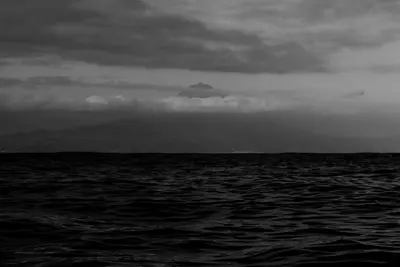
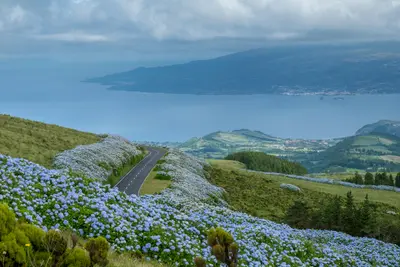
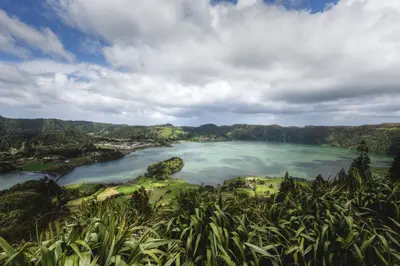
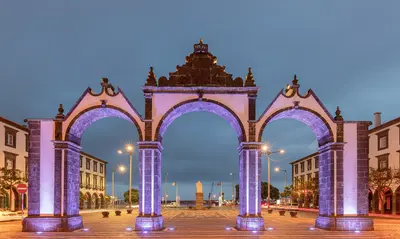
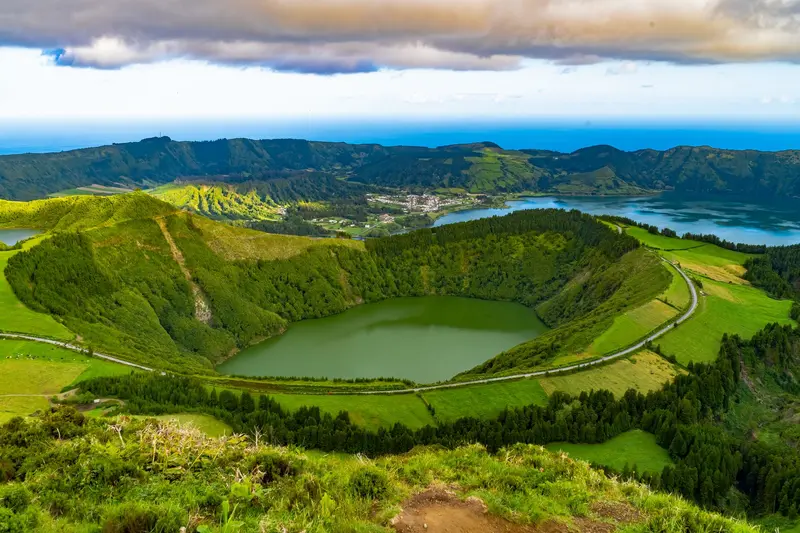
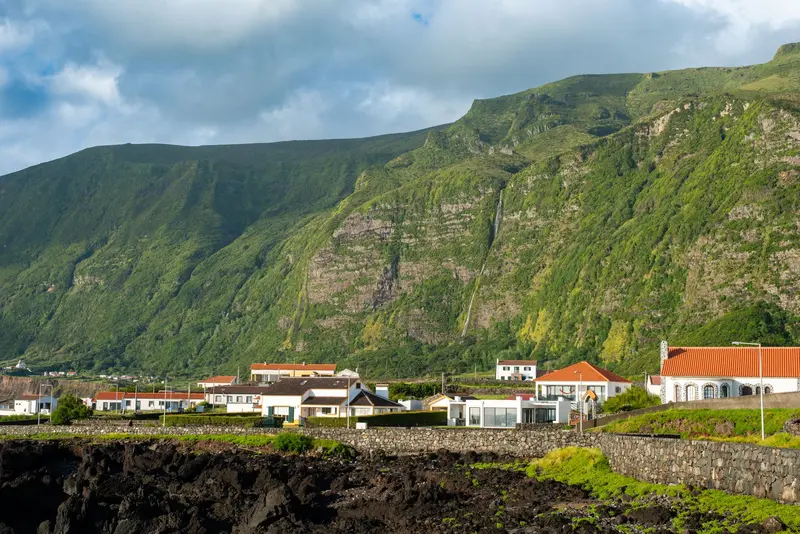
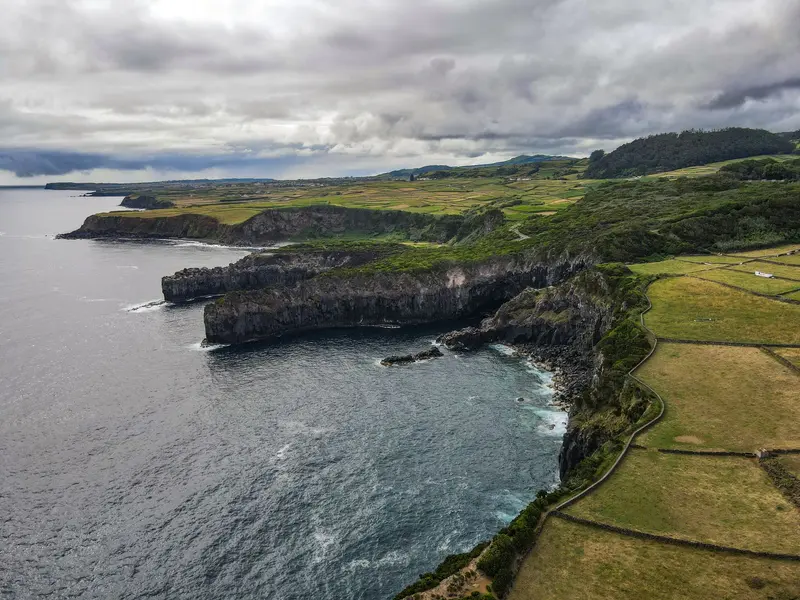
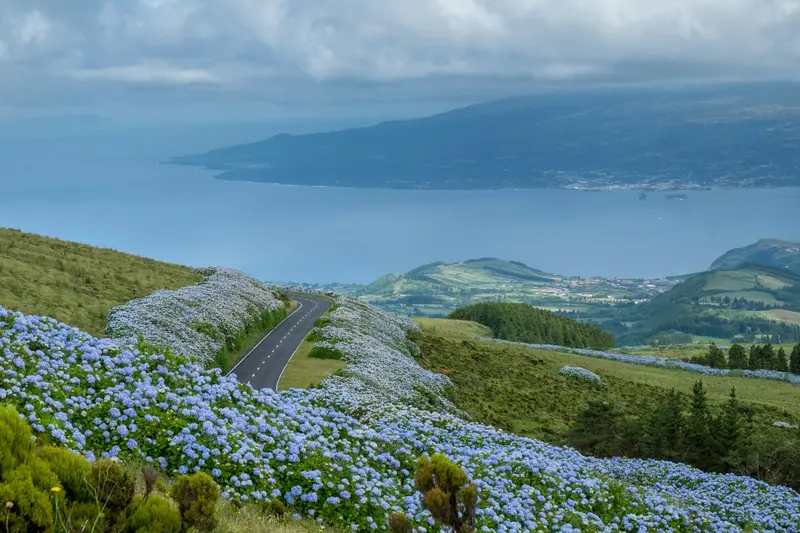
The Azores are a group of nine volcanic islands in the middle of the Atlantic, about 1,400 kilometers west of Lisbon. Crater lakes, hydrangea hedges, hot springs, pastures, and steep cliffs characterize the landscape.
The Azores are a group of nine volcanic islands in the middle of the Atlantic, about 1,400 kilometers west of Lisbon. Crater lakes, hydrangea hedges, hot springs, pastures, and steep cliffs characterize the landscape. The islands are a destination for hiking, whale watching, and for quiet days away from large resorts.
The nine inhabited islands are divided into three groups: São Miguel and Santa Maria in the east, Terceira, Graciosa, São Jorge, Pico and Faial in the center, Flores and Corvo in the west. A total of around 240,000 people live on the Azores, more than half of them on São Miguel, the largest island with the capital Ponta Delgada. Pico Volcano, at 2,351 meters, is the highest mountain in Portugal. Planes of the regional airline operate between the islands, and ferries in summer; Pico, Faial, and São Jorge are particularly well connected. For most trips, São Miguel is a good starting point, combined with one or two other islands. On the islands, a rental car is the most convenient solution.
More places in Azores
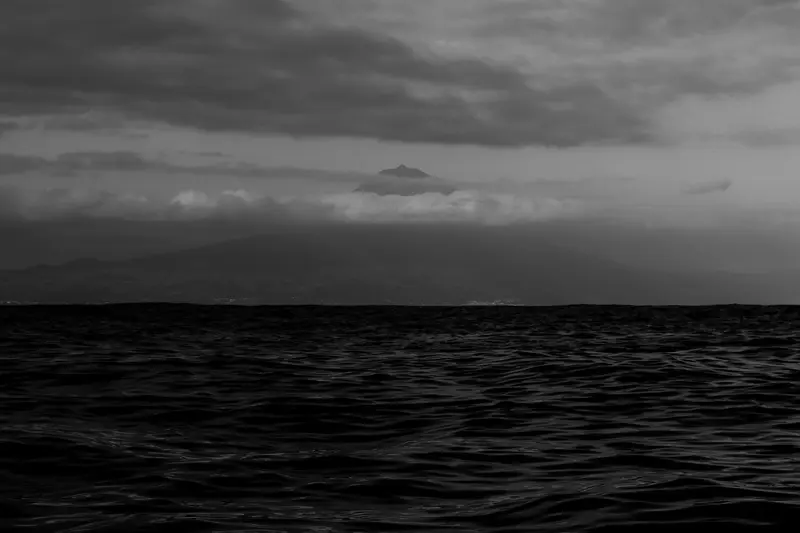
Pico is dominated by the volcano of the same name, at 2,351 meters, Portugal's highest peak. The ascent is challenging and only permitted with registration at Casa da Montanha. The wine landscape with its lava stone walls has been a UNESCO World Heritage site since 2004. In Lajes do Pico, a museum commemorates whaling; today, whale watching tours depart from there. By ferry, you're on Faial in about half an hour.
Dining & Drinks
Cozido das Furnas
Stew of meat, sausage, and vegetables, slow-cooked in Furnas for several hours in the hot volcanic earth.
Cheese of São Jorge
Robust cow's milk cheese with protected designation of origin from the island of São Jorge.
Ananas
Pineapples grown in greenhouses on São Miguel, smaller and more aromatic than imports.
Lapas
Grilled limpets with garlic butter.
Wine from Pico
White wine from vines growing between walls of lava rock.
Best Time to Visit
When is the best time for your trip?
17–22°C·25–70 mm(little rain)
From May to September, it's driest and warmest, and hydrangeas bloom in June and July. The whale season runs approximately from April to October; blue whales also pass through in spring. In winter, it's mild but often rainy and stormy; ferry services are then limited.
The values are for Ponta Delgada on São Miguel. The weather in the Azores is changeable, with sun, rain, and wind often on the same day. Clouds often linger in higher elevations and near crater lakes.
Seasons
Jan
Feb
Mar
Apr
May
Jun
Jul
Aug
Sep
Oct
Nov
Dec
High season
Off-season
Humid and windy months
Best Time to Visit
▶Show detailed monthly data
| Month | Temp (°C) | Rain (mm) | Sun (h) |
|---|---|---|---|
| January | 14.5 | 110 | 3.5 |
| February | 14.2 | 95 | 4.0 |
| March | 14.6 | 85 | 4.7 |
| April | 15.2 | 65 | 5.5 |
| May | 16.5 | 50 | 6.5 |
| June | 18.5 | 35 | 6.5 |
| July | 20.7 | 25 | 7.6 |
| August | 21.9 | 35 | 7.8 |
| September | 21.2 | 70 | 6.4 |
| October | 19.3 | 105 | 5.0 |
| November | 17.1 | 115 | 4.0 |
| December | 15.5 | 120 | 3.3 |
Heritage and Character
Settlement in the AtlanticPortuguese seafarers reached the islands in the 15th century, and they were settled by Portuguese and Flemings. The Azores were an important stopover for ships between Europe, Africa, and America; Angra do Heroísmo on Terceira is therefore on the UNESCO World Heritage list. Until the 1980s, sperm whales were hunted from the islands, but today, whale watching is a major economic sector.Volcanism and AutonomyThe islands lie on the Mid-Atlantic Ridge, where the Eurasian, North American, and African plates meet. Earthquakes and volcanic eruptions are part of their history; most recently, new land formed in 1957 and 1958 during the eruption of Capelinhos on Faial. Since 1976, the Azores have been an Autonomous Region of Portugal.
Arrival & On the Go
Flights and FerriesPonta Delgada on São Miguel is served several times daily from Lisbon and Porto, and in summer also directly from some German cities. Further international connections are available to Terceira. SATA Air Açores flies between islands; in summer, ferries link the central ones.The weather often changes several times a day; pack a rain jacket and layers.Crater lakes and viewpoints are often in the clouds. Plan alternative days for important sights.Book rental cars early, they are scarce in summer.