Fernweh: Home
ExploreGuideDestinationsMy tripsMy trip
de|en
All Places & RegionsRound tripsNight trains in EuropeAll highlightsAbout FernwehFAQPrivacy PolicyImprint
Download on the App StoreGet it on Google Play
ExploreGuideDestinationsMy tripsMy trip
    • Eat & drink
    • Accommodation
    • Nearby
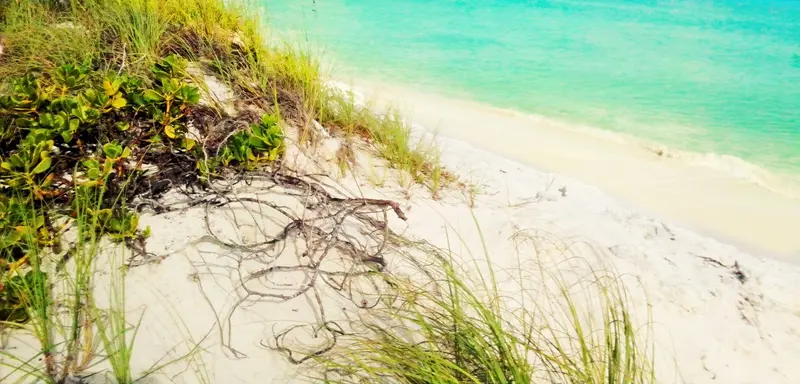
    Cayo Santa María

    Nelvega / Wikimedia Commons / CC BY-SA 4.0, mod.

    Cuba

    Cayo Santa María

    Point of InterestBeachNature

    Cayo Santa María belongs to an island chain off the north coast of central Cuba, in the Bay of Buenavista, which is protected as a Biosphere Reserve.

    by Felix Gillen

    1. Home
    2. Destinations
    3. Cuba
    4. Cayo Santa María
    Cayo Santa María belongs to an island chain off the north coast of central Cuba, in the Bay of Buenavista, which is protected as a Biosphere Reserve. It can be reached via a 48 km long causeway (Pedraplén) from Caibarién, construction of which began in 1989. The island's beaches stretch for a total of approximately 11 km.The island is purely a beach destination with large hotel complexes and no established town. For culture, head to Remedios or Santa Clara on the mainland.
    Cuba travel guideRound trips in CubaPlan a trip with Cayo Santa María

    Contents

    • Eat & drink
    • Accommodation
    • Nearby

    Restaurants in Cayo Santa María

    Accommodations in Cayo Santa María

    Find perfect stay in Cayo Santa María

    Booking.com* (Affiliate link)
    Search Hotels
    Agoda* (Affiliate link)
    Search Hotels
    Airbnb
    Vacation Rentals

    * Affiliate link: if you book through it, we earn a small commission. The price stays the same for you.

    Nearby
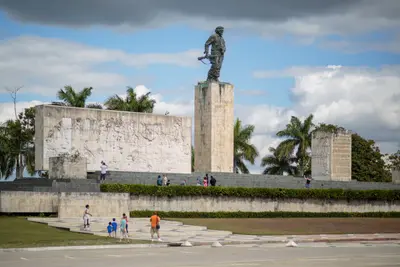
    Santa Clara

    Santa Clara

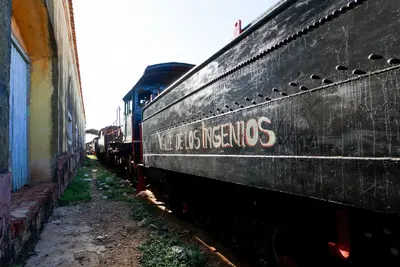
    Santa Clara, in the heart of the island, is closely linked to Ernesto Che Guevara: In December 1958, rebels under his leadership stopped an armored train of government troops here. The memorial at the train, and the monument with Che's statue, mausoleum, and museum, are today the city's most important attractions.The center around Parque Vidal has been a national monument and pedestrian zone since 1996. Nearby lies Remedios, where the Parrandas are celebrated on the night of December 24th, and on the north coast, the island chain around Cayo Santa María.

    Mehmet Turgut Kirkgoz·Pexels

    Valle de los Ingenios

    Valle de los Ingenios

    The Valle de los Ingenios (Sugar Mill Valley) lies east of Trinidad and, with the city, became a UNESCO World Heritage site in 1988. In its San Luis, Santa Rosa, and Meyer valleys, 18th and 19th-century sugar mills operated, their wealth derived from enslaved labor. Manor houses, mill ruins, and enslaved quarters remain.Its emblem is the 45-meter-high tower of Hacienda Manaca Iznaga, from which field work was supervised. Other stops include Hacienda Guáimaro (with murals) and the ruins of San Isidro de los Destiladeros.

    Mehmet Turgut Kirkgoz·Pexels

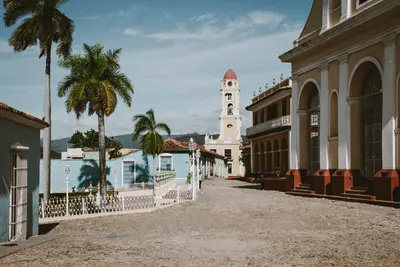
    Trinidad

    Trinidad

    Trinidad, in south-central Cuba, was founded by Diego Velázquez on December 23, 1514. The city grew wealthy in the 18th and 19th centuries from the sugar trade; most of the single-story, brightly painted houses with verandas lining the cobblestone streets date from this period. Together with the nearby Valle de los Ingenios, Trinidad has been a UNESCO World Heritage site since 1988.The focal point is the Plaza Mayor, featuring palaces of the sugar barons, which are now museums. In the evenings, salsa is danced on the steps next to the church. South of the city lies Playa Ancón beach, and to the north are the mountains of Topes de Collantes.

    Mehmet Turgut Kirkgoz·Pexels

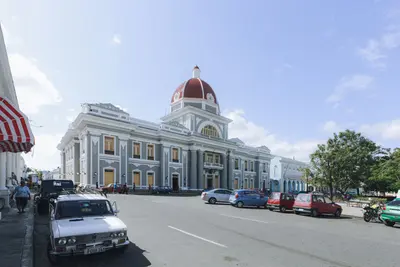
    Cienfuegos

    Cienfuegos

    Cienfuegos on the south coast was founded on April 22, 1819, by French settlers from Bordeaux and Louisiana under Don Luis De Clouet, initially named Fernandina de Jagua. Its historic center, with its regular street grid and 19th-century neoclassical buildings, has been a UNESCO World Heritage site since 2005.The centerpiece is the Parque José Martí, featuring a Cathedral and the Teatro Tomás Terry from 1890. South of the old town, the Punta Gorda peninsula stretches into the bay, home to the Moorish-decorated Palacio de Valle. Excursions lead to Castillo de Jagua at the harbor entrance, the Soledad Botanical Garden, and the El Nicho waterfalls in the Escambray Mountains.

    Mehmet Turgut Kirkgoz·Pexels

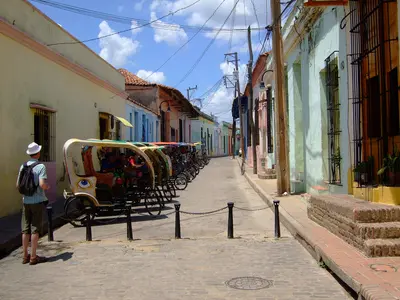
    Camagüey

    Camagüey

    Camagüey was founded around 1514 on the north coast and moved to its current site between the Tínima and Hatibonico rivers in 1528; until 1903, the city was known as Santa María del Puerto del Príncipe. Its winding network of alleyways is said by Rough Guides to have been laid out to deter pirate attacks; in 1668, Henry Morgan raided the city. The historic center has been a UNESCO World Heritage site since 2008.Typical are the large clay jars, the Tinajones, and quiet colonial squares such as Plaza San Juan de Dios and Plaza del Carmen with the life-sized ceramic figures by Martha Jiménez.

    Arnoud Joris Maaswinkel·CC BY-SA 4.0

    Your next steps

    Cayo Santa María is in Cuba. Ways to carry on from here.

    • More in Cuba

      Highlights, areas, routes and the best time to travel for all of Cuba.

      Cuba travel guide
    • Round trips in Cuba

      Ready-made routes through Cuba, with stops, nights and a map.

      See the routes
    • Plan a trip with Cayo Santa María

      The Guide asks about season, length and who is coming, and suggests a trip with Cayo Santa María.

      Plan the trip

    Sources & method

    • Photos: Wikimedia Commons. Each photo carries its credit.
    • The content is based on web research from public, traceable sources. How the content is made · The role of AI