Fernweh: Home
    ExploreTravel GuidesPlan a tripMy tripLast visited
    de|en
    All Places & RegionsAll highlightsAbout FernwehFAQPrivacy PolicyImprint
    ExploreTravel GuidesPlan a tripMy tripLast visited
    Arabuko-Sokoke Forest
    Николай Максимович / Wikimedia Commons / CC BY 3.0

    Kenya

    Arabuko-Sokoke Forest

    Point of Interest

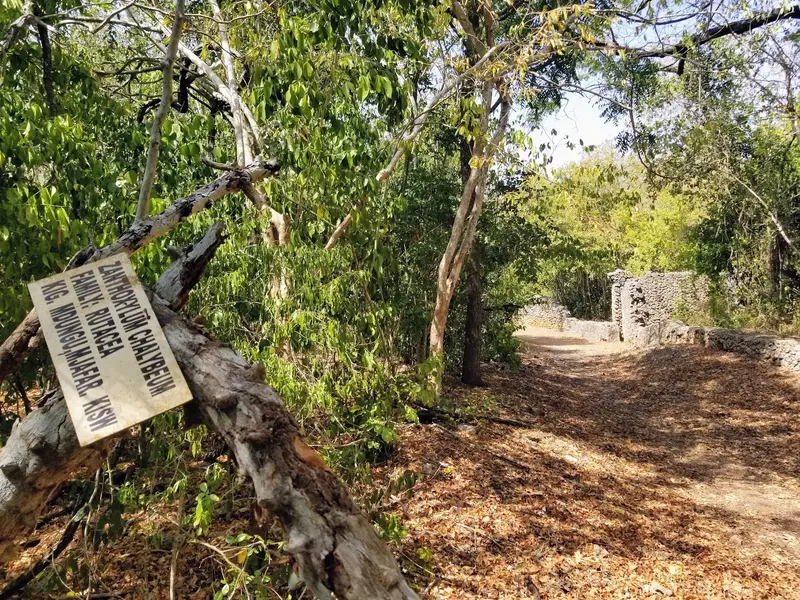
    The Arabuko-Sokoke Forest near Watamu, at approximately 420 square kilometers, is the largest preserved piece of coastal forest in East Africa. It is home to rare, globally threatened species like the Golden-rumped Sengi and Clarke's…

    by Felix Gillen

    1. Home
    2. Destinations
    3. Kenya
    4. Coast
    5. Arabuko-Sokoke Forest
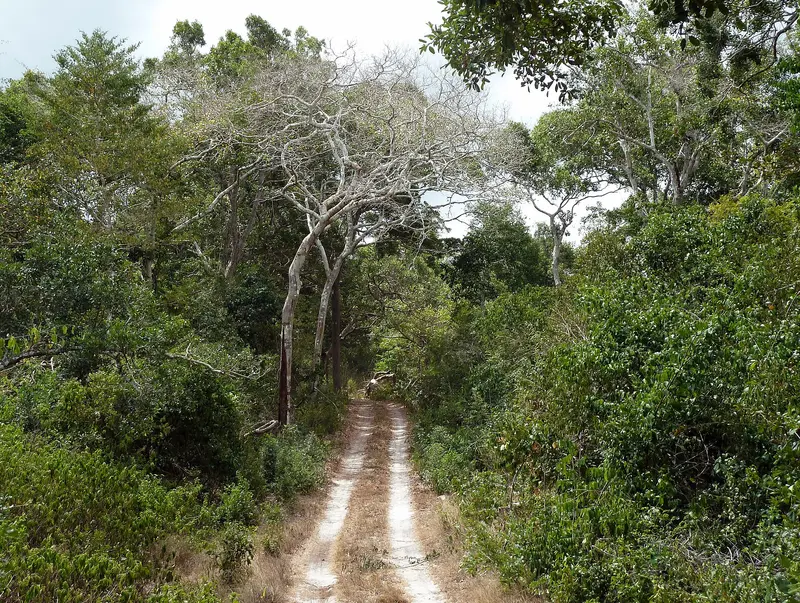
    The Arabuko-Sokoke Forest near Watamu, at approximately 420 square kilometers, is the largest preserved piece of coastal forest in East Africa. It is home to rare, globally threatened species like the Golden-rumped Sengi and Clarke's Weaver.For birdwatchers, it is one of the most rewarding destinations on the coast, and it is located directly next to the Gede Ruins and Watamu.

    Sights in Arabuko-Sokoke Forest

    Discover the most important sights and attractions

    Arabuko-Sokoke KWS Station
    Attraction

    1Arabuko-Sokoke KWS Station

    Kenya Wildlife Service station at Gede, a base for forest visits. Home to globally endangered species such as the Golden-rumped Sengi and Clarke's Weaver, a local guide improves your chances of discovery.
    Open in Google Maps

    Restaurants in Arabuko-Sokoke Forest

    1

    Crab Shack Dabaso

    Restaurant of the Dabaso Creek Conservation Group on Mida Creek, accessible via a boardwalk through the mangroves, ideal for a lunch break after a forest walk. The specialty is the large Mida crab, and there are also grilled seafood platters.
    Show on Google Maps

    Nature

    Endemic SpeciesThe Golden-rumped Elephant Shrew is the forest's most conspicuous mammal. Among globally endangered bird species are the Clarke's Weaver and Sokoke Scops Owl; Nature Kenya states that about 20% of Kenya's bird species occur here.ConservationThe forest reserve is jointly administered by the Kenya Forest Service, Kenya Wildlife Service, National Museums of Kenya, and KEFRI research institute, with Nature Kenya and a local residents' association also participating. Together with Mida Creek, the forest is part of a UNESCO Biosphere Reserve.

    Getting There and Practical Information

    Getting ThereThe Gede Ruins lie within the forest area; Watamu and Malindi are the nearest towns.Day trips from Mombasa or Watamu often combine the forest with the Gede Ruins.VisitingWith a local guide, your chances of spotting rare birds and the elephant shrew are better.Entrance and guide fees change; ask the Kenya Forest Service or staff on site for current prices.For current and authoritative travel and safety advice, see the UK Foreign, Commonwealth and Development Office (FCDO) travel advice, linked on the country page.

    Accommodations in Arabuko-Sokoke Forest

    Find perfect stay in Arabuko-Sokoke Forest

    Booking.com* (Affiliate link)
    Search Hotels
    Agoda* (Affiliate link)
    Search Hotels
    Airbnb
    Vacation Rentals

    * Affiliate link: if you book through it, we earn a small commission. The price stays the same for you.
    Nearby

    Coast

    Coast

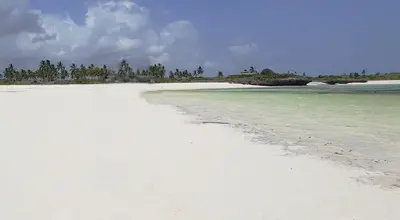
    Kenya's coast on the Indian Ocean stretches from the Tanzanian border to the Lamu Archipelago, combining white beaches, coral reefs, and a Swahili culture shaped over centuries. Here are several UNESCO World Heritage Sites, including Fort Jesus in Mombasa, Lamu Old Town, the Gede Ruins, and the sacred Kaya Forests of the Mijikenda.Many travelers combine an inland safari with a few days by the sea, for example in Diani, Watamu, or Malindi.
    Gede Ruins

    Gede Ruins

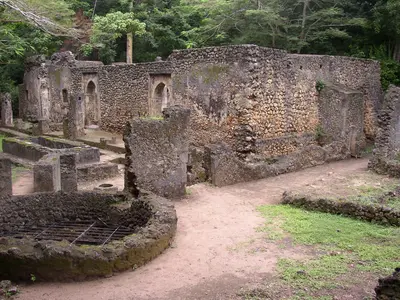
    The ruins of Gede are the remains of a Swahili town in the coastal forest near Watamu, a few kilometers from the beaches. Since 2024, they have been a UNESCO World Heritage site, with mosques, a palace, and pillar tombs lying here among ancient trees.The town was probably founded in the 11th or 12th century and abandoned in the 17th century.

    Watamu is a small seaside resort south of Malindi on Kenya's North Coast, whose bays are part of one of Kenya's first marine national parks. Coral gardens lie only a few hundred metres offshore, and sea turtles nest on its beaches.Mida Creek with its mangroves, the Arabuko-Sokoke Forest, and the Gede Ruins are in the immediate vicinity.
    Malindi

    Malindi

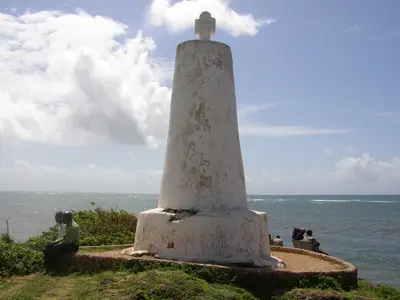
    Malindi is an ancient Swahili port city on Kenya's north coast, some 100 kilometres northeast of Mombasa. Vasco da Gama docked here in 1498 on his way to India; the column named after him commemorates his visit. Today, with its marine national park, long beaches, and a large Italian community, the city is a popular holiday destination.The UK FCDO has specific travel advice for parts of the coast north of Malindi. Check the current FCDO travel advice before travelling.
    Kilifi

    Kilifi

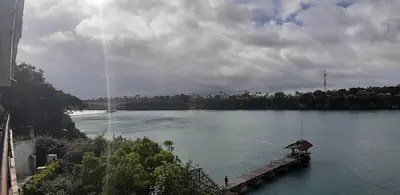
    Kilifi is situated on a wide creek, approximately halfway between Mombasa and Malindi. The Kilifi Creek, with its mangroves, sailboats, and birdlife, defines the area, and on the southern bank, atop a hill, stand the Mnarani ruins of a Swahili city.Kilifi also features Bofa Beach, a long sandy beach with several beach restaurants and a kitesurfing centre.

    Sources & method

    • Photos: Wikimedia Commons, Google Maps. Each photo carries its credit.
    • Place data such as addresses and ratings comes from Google Maps.
    • The content is based on web research from public, traceable sources. How the content is made · The role of AI