Kenya
Coast
Region
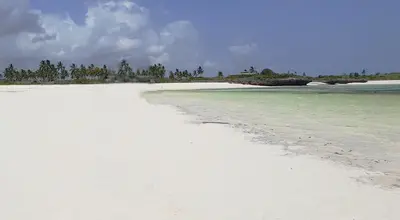
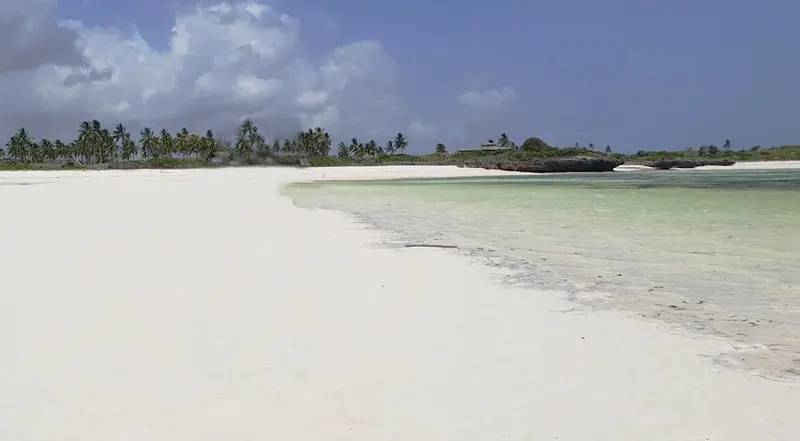
Kenya's coast on the Indian Ocean stretches from the Tanzanian border to the Lamu Archipelago, combining white beaches, coral reefs, and a Swahili culture shaped over centuries.
by Felix Gillen
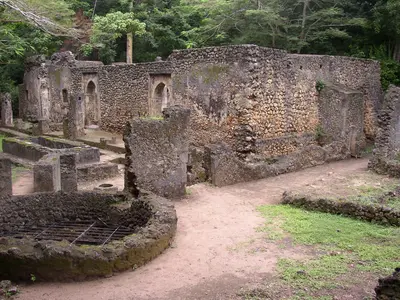
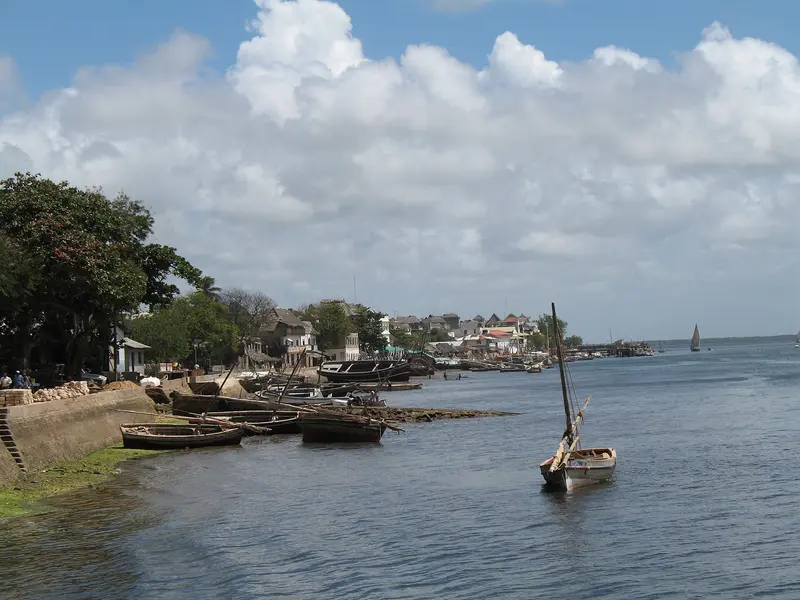
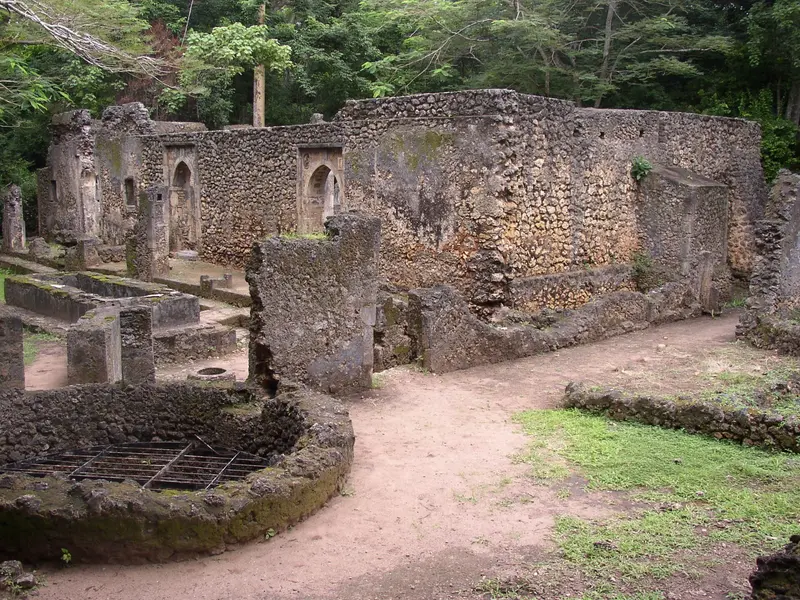
Kenya's coast on the Indian Ocean stretches from the Tanzanian border to the Lamu Archipelago, combining white beaches, coral reefs, and a Swahili culture shaped over centuries. Here are several UNESCO World Heritage Sites, including Fort Jesus in Mombasa, Lamu Old Town, the Gede Ruins, and the sacred Kaya Forests of the Mijikenda.Many travelers combine an inland safari with a few days by the sea, for example in Diani, Watamu, or Malindi.
Swahili Coast between Shimoni and LamuThe coast is broadly divided into three sections. South of Mombasa lie Diani Beach, the Shimba Hills, and Wasini Island with the Kisite-Mpunguti Marine Protected Area near the Tanzanian border. Mombasa itself is the country's second-largest city, featuring Fort Jesus and an old town built of coral stone. North of it are Kilifi, Watamu, and Malindi, with marine national parks, the Arabuko-Sokoke Forest, and the Gede Ruins. Furthest north lies Lamu, Kenya's oldest continuously inhabited town.History on the Indian OceanFor centuries, the Swahili towns along the coast were part of the Indian Ocean trade. Vasco da Gama arrived in Malindi in 1498; the Portuguese began building Fort Jesus in 1593, which fell to the Omani in 1698 after a long siege. These influences shape the architecture, language, and cuisine to this day.Travel TimeThe long rainy season affects the coast most strongly from approximately April to June; humidity is high year-round.It is drier and slightly cooler from late June to October. Around the turn of the year, the dry Northeast Monsoon (Kaskazi) dictates the weather.
More places in Coast
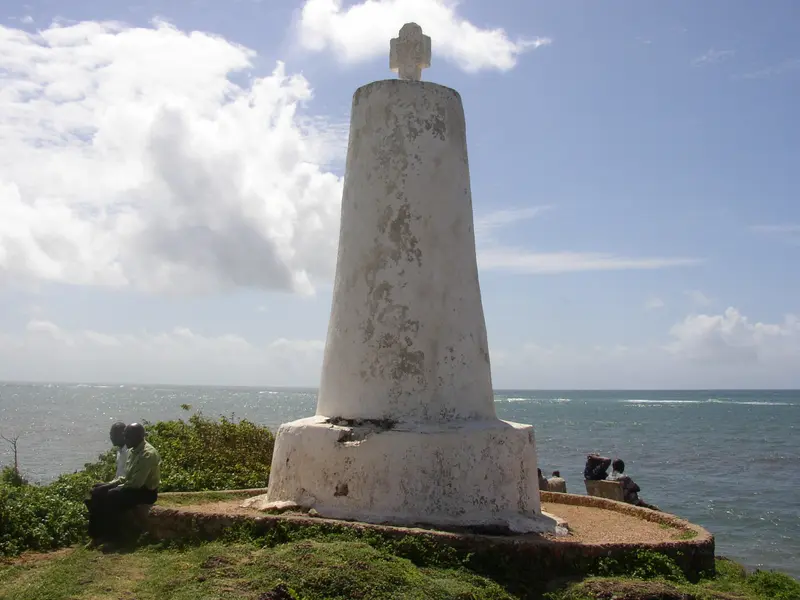
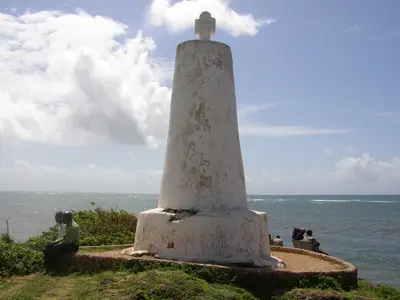
Malindi is an ancient Swahili port city on Kenya's north coast, some 100 kilometres northeast of Mombasa. Vasco da Gama docked here in 1498 on his way to India; the column named after him commemorates his visit. Today, with its marine national park, long beaches, and a large Italian community, the city is a popular holiday destination.The UK FCDO has specific travel advice for parts of the coast north of Malindi. Check the current FCDO travel advice before travelling.
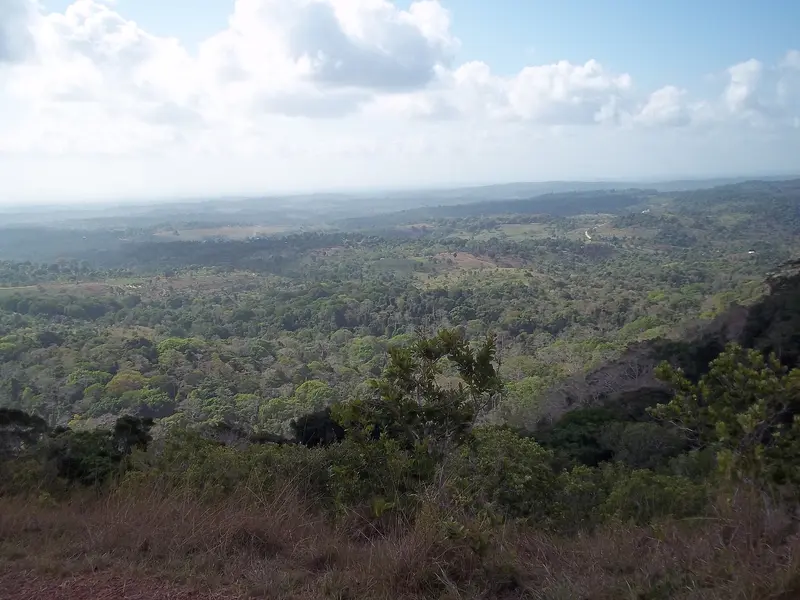
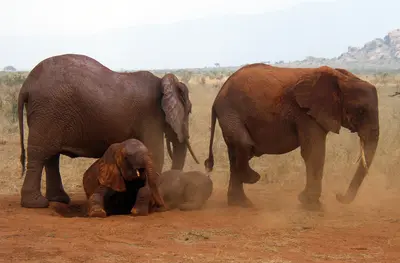
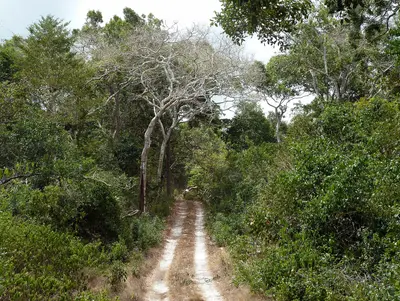
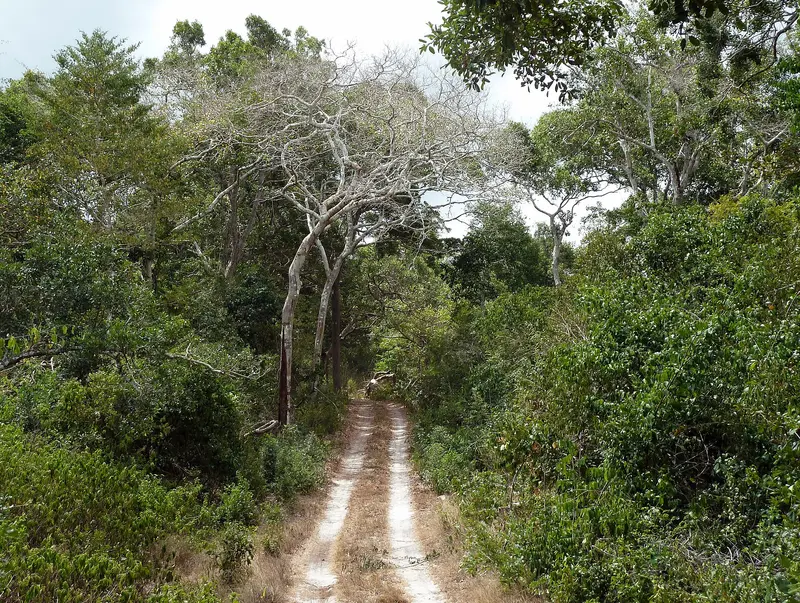
The Shimba Hills National Reserve is a forested highland near Kwale, approximately 33 kilometers from Mombasa and 15 kilometers from the coast. It is known for Kenya's only population of Sable Antelope, for elephants, and for the Sheldrick Falls, to which a path leads through the coastal rainforest.To the north, it is adjoined by the Mwaluganje Elephant Sanctuary, a corridor through which elephants roam between the areas.
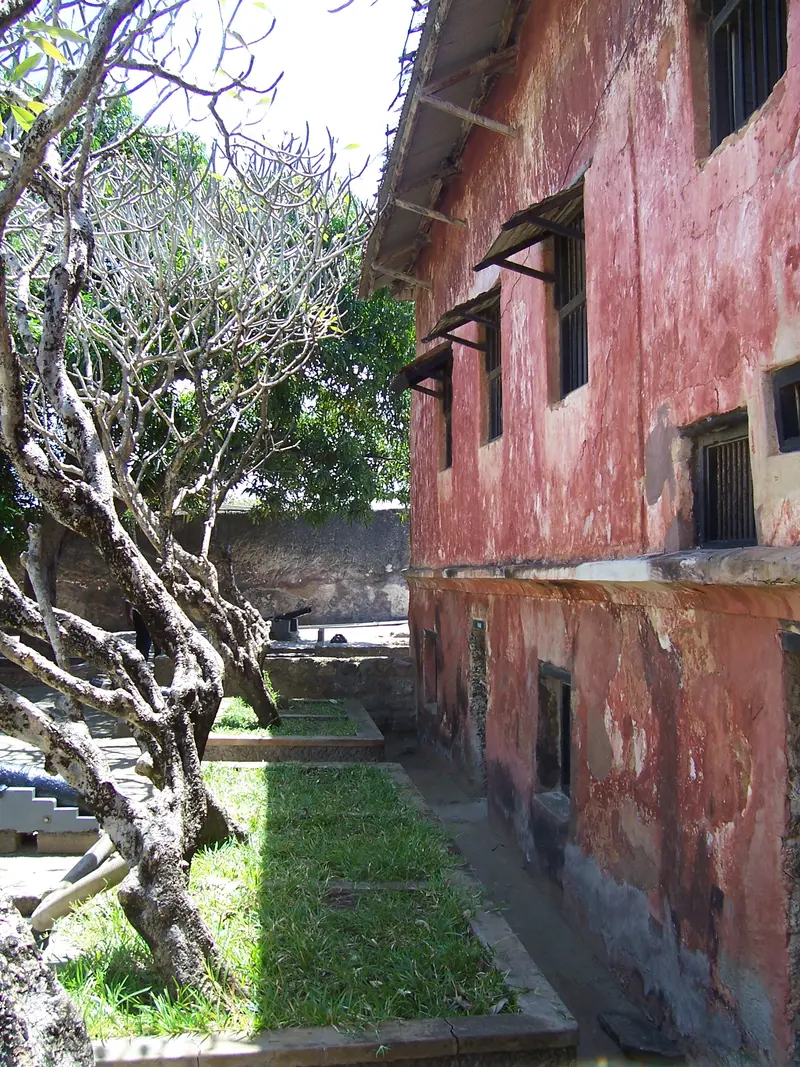
Mombasa is Kenya's second-largest city and the historic center of the Swahili Coast, an island city connected to Nairobi by the Madaraka Express in four and a half to six hours, depending on the train. The Portuguese built Fort Jesus here starting in 1593, now a UNESCO World Heritage site, with the narrow streets of the Old Town adjoining its walls.North of the island lies Haller Park, located in a rewilded quarry, as well as the beaches of Nyali and Bamburi with hotels, restaurants, and vibrant nightlife.
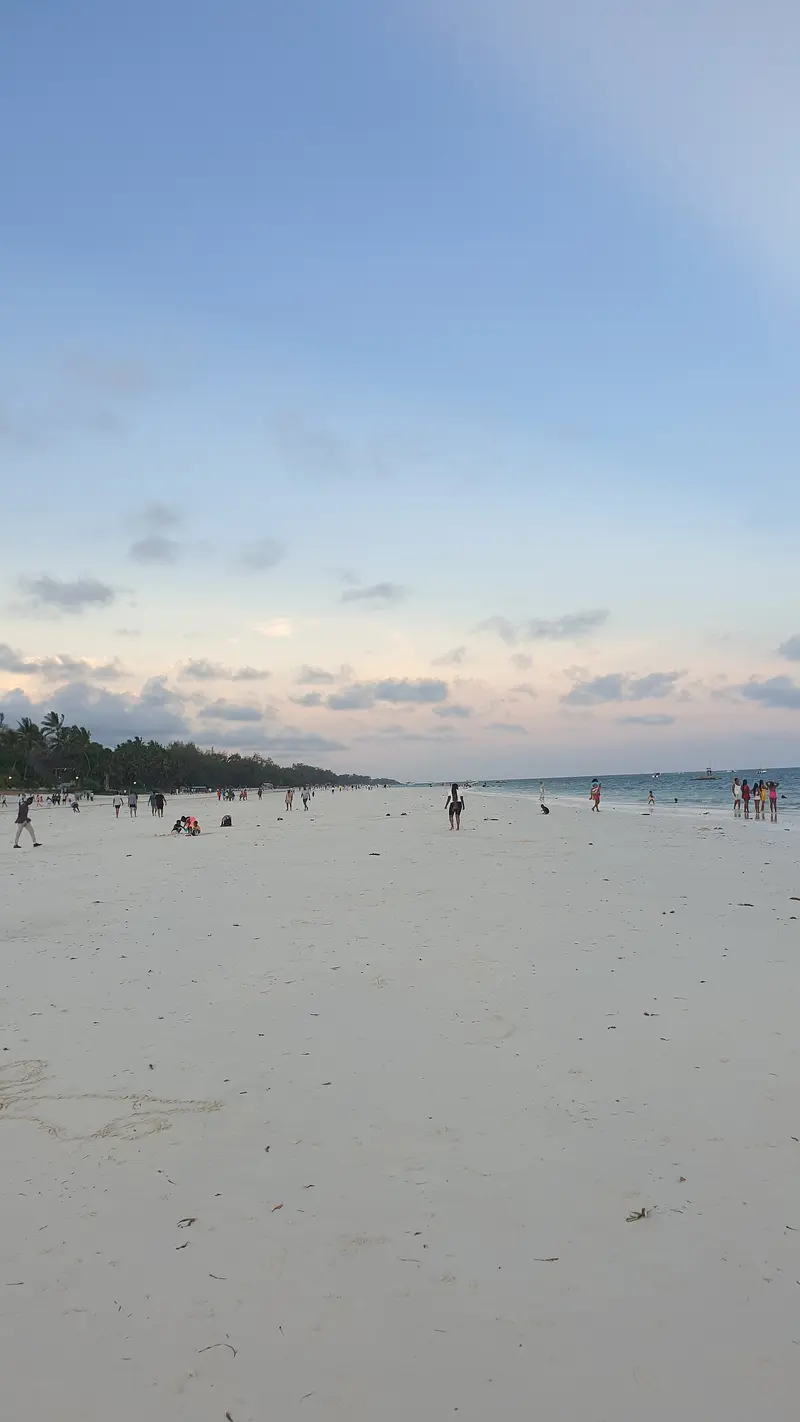
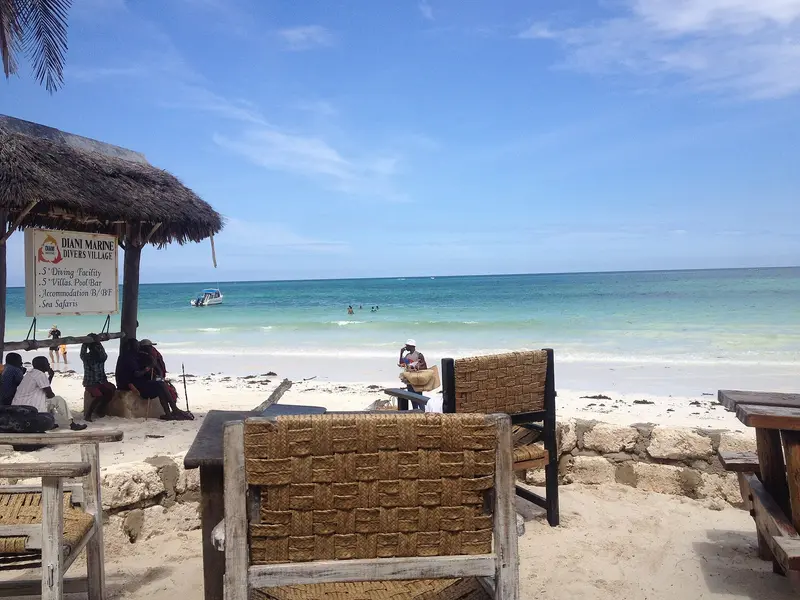
Diani Beach is the most famous resort town on Kenya's South Coast, south of Mombasa, about an hour's drive from the city center depending on the route and traffic. A long white sandy beach, restaurants, and hotels are situated right next to coastal forest, where the organization Colobus Conservation protects endangered colobus monkeys.At the southern end of Diani, you can visit the sacred Kaya Kinondo forest of the Digo on guided walks.
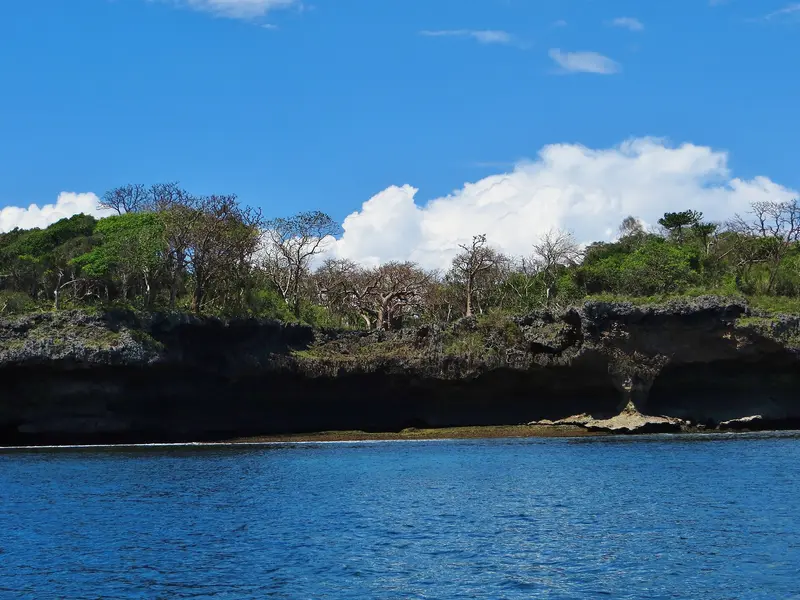
Wasini Island and the Kisite-Mpunguti Marine National Park are located in the very south of the Kenyan coast, approximately 75 kilometers south of Mombasa, near the Tanzanian border. Boat trips from Shimoni lead to dolphins and coral reefs, and on the car-free island, seafood lunches are served.On the mainland in Shimoni, the Shimoni Slave Caves are a reminder of the slave trade on the coast.
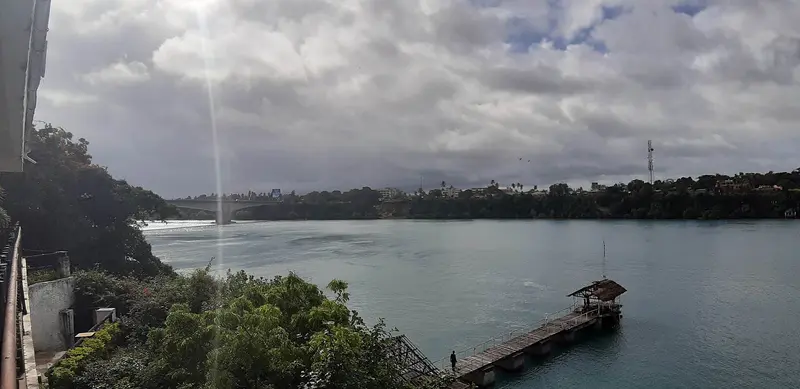
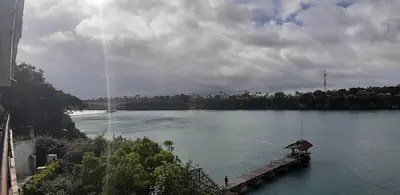
Kilifi is situated on a wide creek, approximately halfway between Mombasa and Malindi. The Kilifi Creek, with its mangroves, sailboats, and birdlife, defines the area, and on the southern bank, atop a hill, stand the Mnarani ruins of a Swahili city.Kilifi also features Bofa Beach, a long sandy beach with several beach restaurants and a kitesurfing centre.
Culture of the Swahili Coast
Swahili CitiesFor centuries, the coast was part of the Indian Ocean trade. This is evidenced by the old towns of Mombasa and Lamu, which UNESCO designates as East Africa's oldest and best-preserved Swahili settlement, as well as the ruins of Gede and Mnarani.Mijikenda and Kaya ForestsThe nine Mijikenda peoples, including Digo and Giriama, live in the hinterland. Their sacred Kaya Forests are considered the origin of their cultural identity and have been a UNESCO World Heritage site since 2008. Kaya Kinondo near Diani, not part of the World Heritage site, can be visited via an ecotourism project.CuisineCoconut, tamarind, cloves, and cardamom define Swahili cuisine. Typical dishes include Pilau, Biryani, grilled fish in coconut-tamarind sauce (Samaki wa Kupaka), and Mahamri for breakfast.
Getting There and Exploring the Coast
Getting ThereMoi International Airport in Mombasa is the gateway to the coast. Domestic flights also connect Nairobi with Ukunda (Diani), Malindi, and Manda Airport near Lamu.The Madaraka Express (SGR) travels from Nairobi to Mombasa in approximately four and a half to six hours, depending on the train. Tickets are available online from Kenya Railways; bookings can be made up to 60 days in advance.Along the CoastSouthwards, the route leads via the Likoni Ferry or the southern section of the Dongo-Kundu Bypass, opened in 2024, which bypasses the ferry, to Diani and onwards to Shimoni.Northwards, the coastal road connects Mombasa with Kilifi, Watamu, and Malindi.SafetyFor current and authoritative travel and safety advice, see the UK Foreign, Commonwealth and Development Office (FCDO) travel advice, linked on the country page. It includes specific advice for Lamu County and for parts of the coast north of Malindi, which you should check before any planning.