Fernweh: Home
    ExploreTravel GuidesPlan a tripMy tripLast visited
    de|en
    All Places & RegionsAll highlightsAbout FernwehFAQPrivacy PolicyImprint
    ExploreTravel GuidesPlan a tripMy tripLast visited
    Shimba Hills National Reserve
    Holger Günther / Wikimedia Commons / CC BY-SA 3.0

    Kenya

    Shimba Hills National Reserve

    Point of Interest

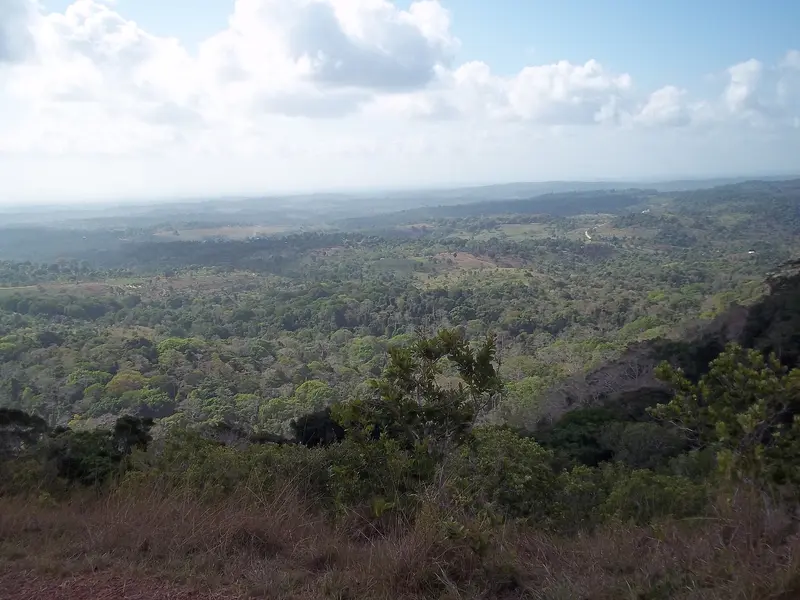
    The Shimba Hills National Reserve is a forested highland near Kwale, approximately 33 kilometers from Mombasa and 15 kilometers from the coast.

    by Felix Gillen

    1. Home
    2. Destinations
    3. Kenya
    4. Coast
    5. Shimba Hills National Reserve
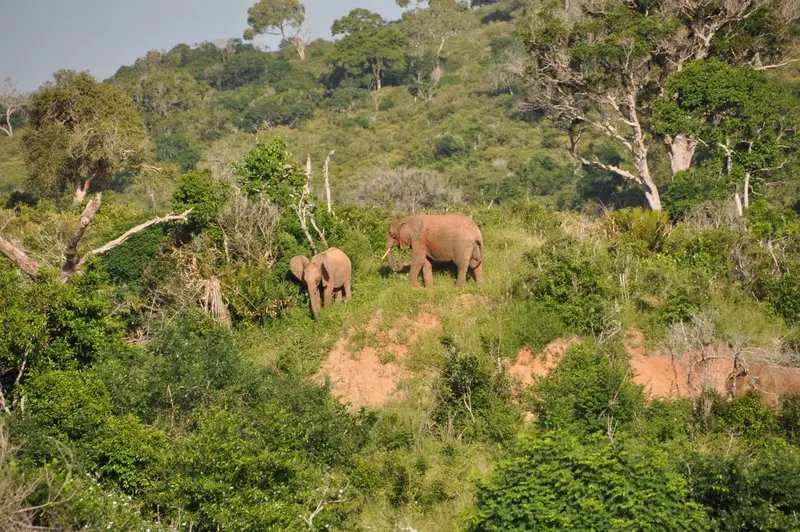
    The Shimba Hills National Reserve is a forested highland near Kwale, approximately 33 kilometers from Mombasa and 15 kilometers from the coast. It is known for Kenya's only population of Sable Antelope, for elephants, and for the Sheldrick Falls, to which a path leads through the coastal rainforest.To the north, it is adjoined by the Mwaluganje Elephant Sanctuary, a corridor through which elephants roam between the areas.

    Sights in Shimba Hills National Reserve

    Discover the most important sights and attractions
    Sheldrick Falls
    Attraction

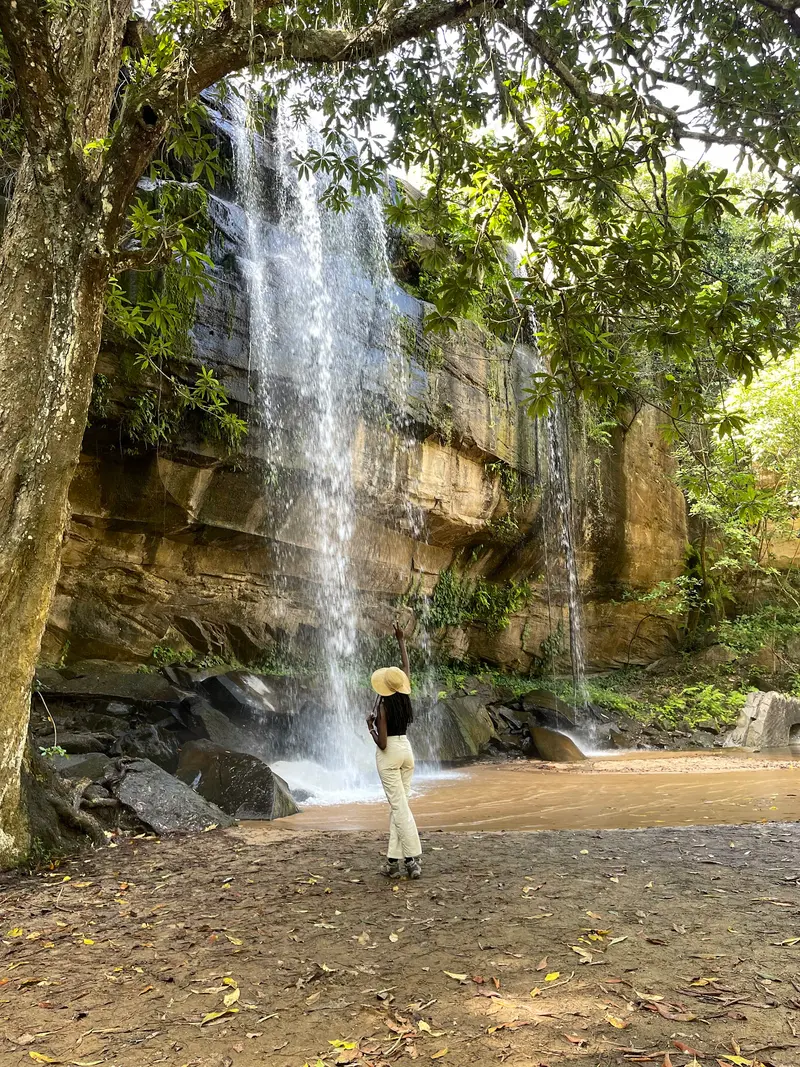
    1Sheldrick Falls

    The waterfall plunges, depending on the source, approximately 21 to 25 meters deep. The steep path there is about 2.5 kilometers long and may only be hiked with an armed KWS-Ranger; inquire about start times at the gate.
    Open in Google Maps
    Mwaluganje Elephant Sanctuary
    Park

    2Mwaluganje Elephant Sanctuary

    The protected area on the northern edge of the Shimba Hills was established to reduce human-elephant conflict. It borders the reserve and serves as a migration corridor for elephants. The tracks are rough, a 4WD vehicle is advisable.
    Open in Google Maps

    Restaurants in Shimba Hills National Reserve

    Nature and Wildlife

    Sable Antelopes and ElephantsThe Shimba Hills are home to Kenya's only population of sable antelopes, estimated at around 100 animals. In addition, there are several hundred elephants, though their exact number varies by source.Sheldrick FallsThe falls plunge 21 to 25 meters deep, depending on the source. The steep path through the forest is about 2.5 kilometers long; allow a good two hours for the round trip. You can only go accompanied by an armed KWS ranger; inquire about start times at the gate.Mwaluganje Elephant SanctuaryThe sanctuary at the reserve's northern edge was created to reduce human-elephant conflicts. It directly borders the Shimba Hills, serving as a migration corridor for the animals.

    Arrival and practical information

    Getting ThereThe reserve is located near Kwale Town in the south coast hinterland, about 33 kilometers from Mombasa.Most visitors come on a day trip from Diani or Mombasa. The tracks are partly rough, so a 4x4 vehicle is advisable.Fees and PaymentAccording to the Kenya Wildlife Service (KWS) fee structure from October 1, 2025, non-resident adults pay 50 US dollars per 24 hours.Payments are cashless via the KWS eCitizen platform. Check current fees on kws.go.ke before your trip.Best TimeGame drives are most rewarding in the morning and late afternoon; plan your hike to the falls for the morning.For current and authoritative travel and safety advice, see the UK Foreign, Commonwealth and Development Office (FCDO) travel advice, linked on the country page.

    Accommodations in Shimba Hills National Reserve

    Find perfect stay in Shimba Hills National Reserve

    Booking.com* (Affiliate link)
    Search Hotels
    Agoda* (Affiliate link)
    Search Hotels
    Airbnb
    Vacation Rentals

    * Affiliate link: if you book through it, we earn a small commission. The price stays the same for you.
    Nearby

    Diani Beach

    Diani Beach

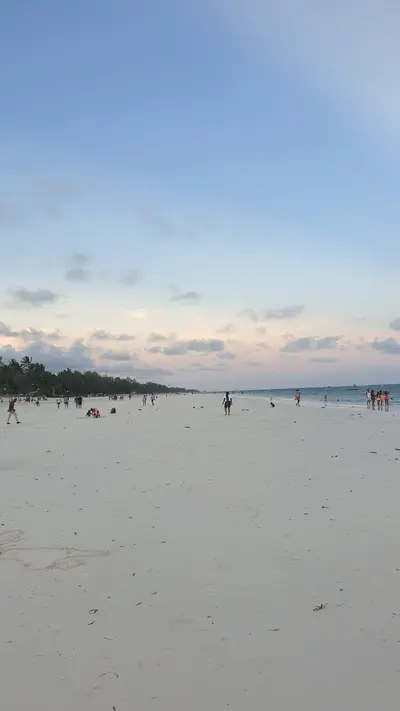
    Diani Beach is the most famous resort town on Kenya's South Coast, south of Mombasa, about an hour's drive from the city center depending on the route and traffic. A long white sandy beach, restaurants, and hotels are situated right next to coastal forest, where the organization Colobus Conservation protects endangered colobus monkeys.At the southern end of Diani, you can visit the sacred Kaya Kinondo forest of the Digo on guided walks.
    Mombasa

    Mombasa

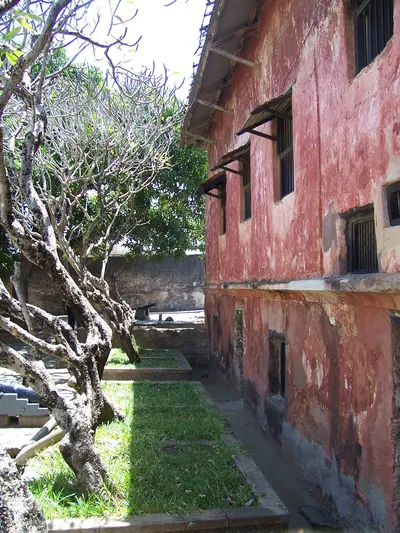
    Mombasa is Kenya's second-largest city and the historic center of the Swahili Coast, an island city connected to Nairobi by the Madaraka Express in four and a half to six hours, depending on the train. The Portuguese built Fort Jesus here starting in 1593, now a UNESCO World Heritage site, with the narrow streets of the Old Town adjoining its walls.North of the island lies Haller Park, located in a rewilded quarry, as well as the beaches of Nyali and Bamburi with hotels, restaurants, and vibrant nightlife.
    Wasini Island & Kisite-Mpunguti

    Wasini Island & Kisite-Mpunguti

    Wasini Island and the Kisite-Mpunguti Marine National Park are located in the very south of the Kenyan coast, approximately 75 kilometers south of Mombasa, near the Tanzanian border. Boat trips from Shimoni lead to dolphins and coral reefs, and on the car-free island, seafood lunches are served.On the mainland in Shimoni, the Shimoni Slave Caves are a reminder of the slave trade on the coast.
    Kilifi

    Kilifi

    Kilifi is situated on a wide creek, approximately halfway between Mombasa and Malindi. The Kilifi Creek, with its mangroves, sailboats, and birdlife, defines the area, and on the southern bank, atop a hill, stand the Mnarani ruins of a Swahili city.Kilifi also features Bofa Beach, a long sandy beach with several beach restaurants and a kitesurfing centre.
    Coast

    Coast

    Kenya's coast on the Indian Ocean stretches from the Tanzanian border to the Lamu Archipelago, combining white beaches, coral reefs, and a Swahili culture shaped over centuries. Here are several UNESCO World Heritage Sites, including Fort Jesus in Mombasa, Lamu Old Town, the Gede Ruins, and the sacred Kaya Forests of the Mijikenda.Many travelers combine an inland safari with a few days by the sea, for example in Diani, Watamu, or Malindi.

    Sources & method

    • Photos: Wikimedia Commons, Google Maps. Each photo carries its credit.
    • Place data such as addresses and ratings comes from Google Maps.
    • The content is based on web research from public, traceable sources. How the content is made · The role of AI