Cape Breton
Immerse yourself in the rugged beauty and warm Celtic culture of Cape Breton Island.
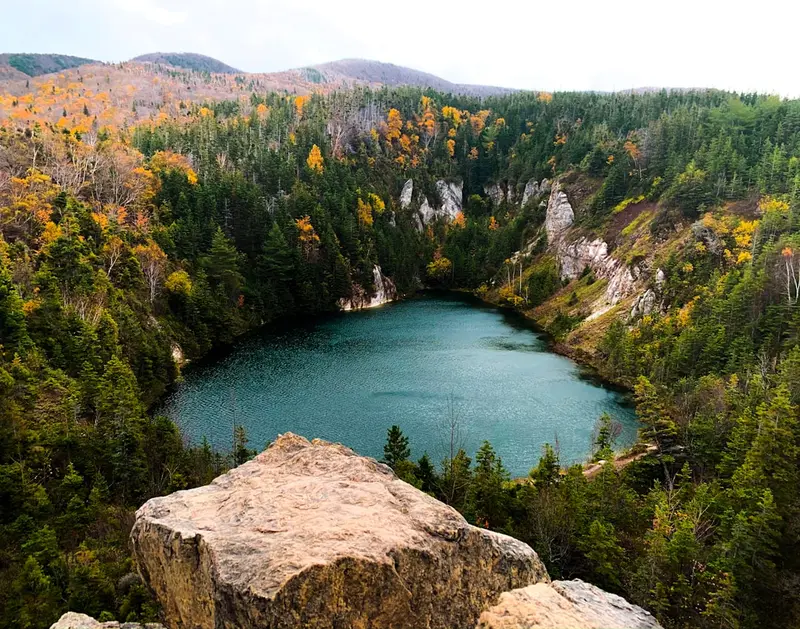
Immerse yourself in the rugged beauty and warm Celtic culture of Cape Breton Island. This breathtaking island on Canada's east coast entices with majestic coastal drives, deep blue lakes, and a history rich with brave seafarers and traditional music. Discover a world where stunning natural experiences intertwine with a vibrant cultural landscape, making you feel instantly welcome.
Places in Cape Breton

Halifax

Québec City
Culture & History
On Cape Breton, you'll encounter a deeply rooted history and a vibrant, multifaceted culture shaped by the Mi'kmaq Indigenous people, Scottish immigrants, and Acadian settlers. This island is a melting pot of traditions, languages, and stories, which you can discover for yourself in many places.
The Legacy of the Mi'kmaq Indigenous People
The Mi'kmaq are the original inhabitants of Cape Breton, whose traditional name is Unama’ki. Their culture and history date back thousands of years and remain an integral part of the island's identity. You can gain authentic insights into their traditions.
- Visit Eskasoni Cultural Journeys in Eskasoni, the world's largest Mi'kmaq community, where you can learn about traditional songs, dances, and stories.
- Discover the Mi'kmaq's history and art at the Membertou Heritage Park, including exhibitions and cultural performances.
- Look for the petroglyphs and historic sites that demonstrate the Mi'kmaq's deep connection to the land.
Scottish Roots and Gaelic Sounds
The largest wave of immigration to Cape Breton came from Scotland, particularly after the Highland Clearances. This left an unmistakable Scottish-Gaelic culture on the island, which remains vibrant to this day.
- The Gaelic language is taught and preserved at the Gaelic College of Celtic Arts and Culture in St. Ann's. Here, you can also experience live music and dance performances.
- Experience the traditional music of Ceilidhs in community centers and pubs, often featuring fiddle music and step-dancing.
- The annual Celtic Colours International Festival in October attracts musicians and visitors from around the world and is a stronghold of Celtic culture.
Acadian Presence and Resilience
In western Cape Breton, along the Cabot Trail, you'll find communities with a strong Acadian identity. This French-speaking minority has a rich history of resistance and cultural preservation.
- In Chéticamp, you can experience the unique Acadian culture, reflected in its language, cuisine, and traditional handicrafts, such as the famous hooked rugs.
- Visit the Les Trois Pignons Museum to learn more about local Acadian history and craftsmanship.
Historic Fortresses and Industrial History
- The Fortress Louisbourg National Historic Site is an impressive reconstruction of an 18th-century French fortress town. Here, you can immerse yourself in the lives of settlers and soldiers and observe artisans at work.
- The Cape Breton Miners’ Museum in Glace Bay honors the island's mining history and offers underground tours through a former coal mine.
- The Alexander Graham Bell National Historic Site in Baddeck commemorates the life and innovations of the famous inventor, who spent many years on Cape Breton and conducted groundbreaking experiments here.