Fernweh: Home
    ExploreTravel GuidesPlan a tripMy tripLast visited
    de|en
    All Places & RegionsAll highlightsAbout FernwehFAQPrivacy PolicyImprint
    ExploreTravel GuidesPlan a tripMy tripLast visited
    • Places in the region
    • Round trips
    • Nearby

    Ireland

    Region

    The Southeast combines medieval towns with a gentle hill and river landscape.

    by Felix Gillen

    1. Home
    2. Destinations
    3. Ireland
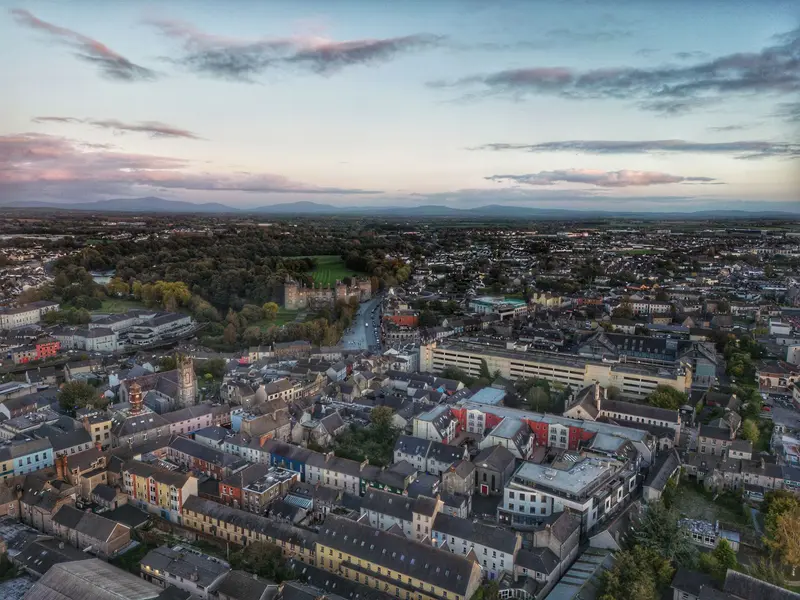
    The Southeast combines medieval towns with a gentle hill and river landscape. Kilkenny, with its castle, cathedral, and the Medieval Mile, preserves one of Ireland's most intact medieval townscapes, Waterford dates back to a Viking foundation in 914, and the Rock of Cashel in Tipperary is home to the former seat of the Kings of Munster.The region is located on the way from Dublin to Cork and Kerry and is suitable for a stopover of one to three days. The Waterford Greenway is worth exploring by bike, a roughly 46-kilometre-long rail trail to Dungarvan on the coast.
    Kilkenny

    Place 1 of 3

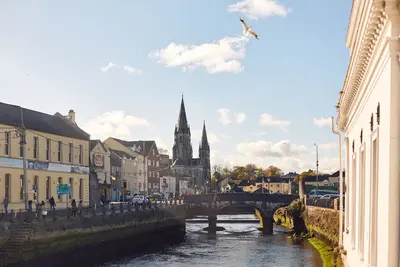
    Kilkenny

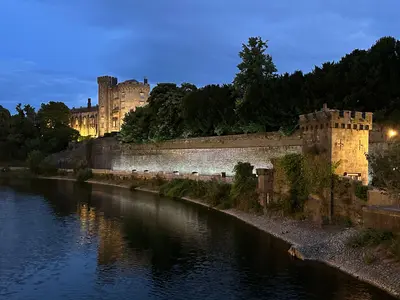
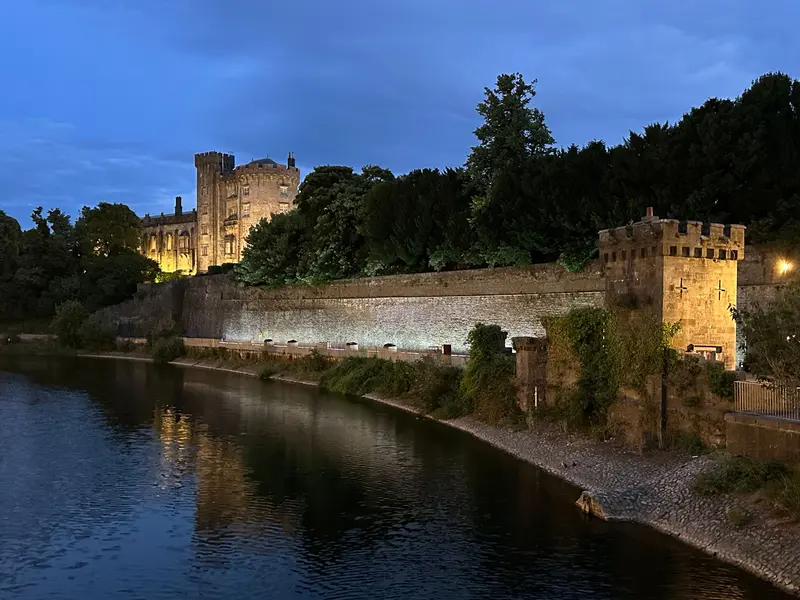
    Kilkenny in southeast Ireland is a city with approximately 27,000 inhabitants and one of the best-preserved medieval cityscapes in the country.

    Discover
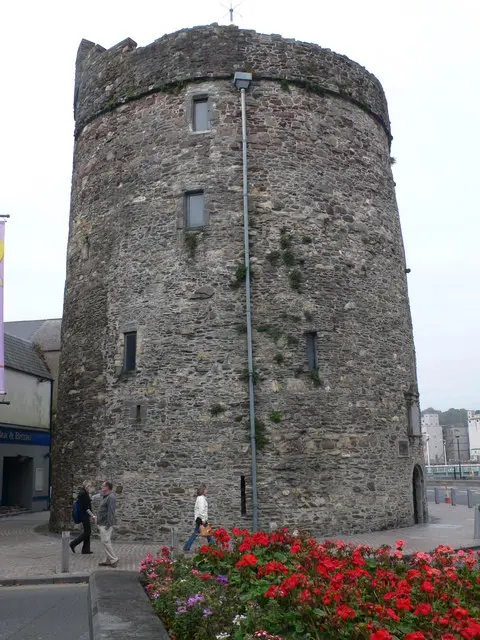
    Waterford
    Eirian Evans / Wikimedia Commons / CC BY-SA 2.0

    Place 2 of 3

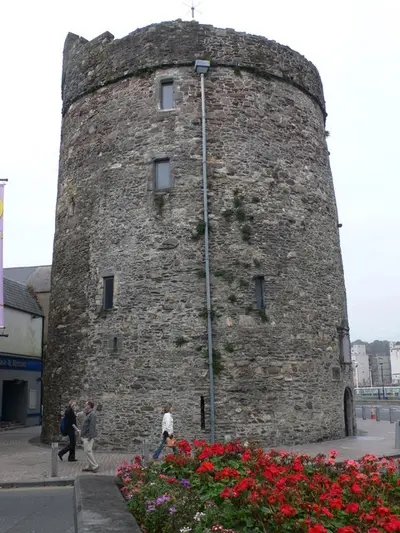
    Waterford

    Waterford is considered Ireland's oldest city; Norwegian Vikings traditionally founded it in 914.

    Discover
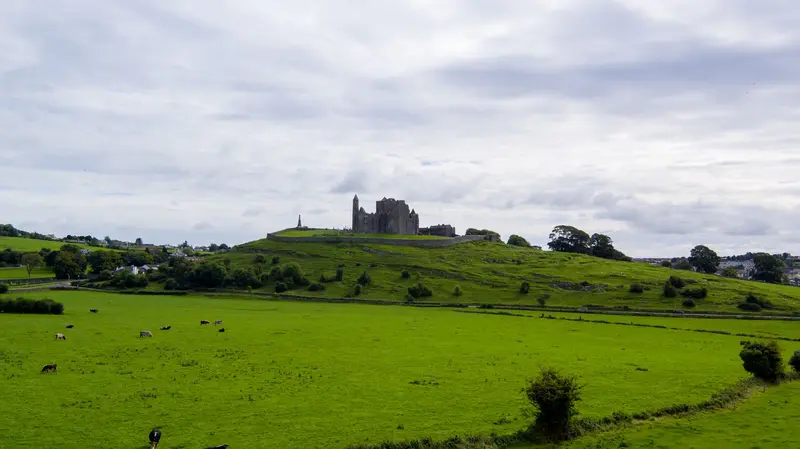
    Rock of Cashel

    Place 3 of 3

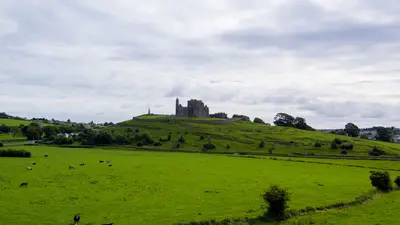
    Rock of Cashel

    The Rock of Cashel is a limestone outcrop in County Tipperary, where the Kings of Munster resided before handing it over to the church in 1101.

    Discover

    Round trips through this region

    Ireland Classics: South & West in 12 Days

    Ireland Classics: South & West in 12 Days

    The classic route connects the capital with medieval Kilkenny, the lakes and peninsulas of Kerry, and the west coast between the Cliffs of Moher and Galway. Along the way lie the Rock of Cashel, the Ring of Kerry, the Dingle Peninsula, and the Burren; from Galway you can reach Connemara or the Aran Islands as a day trip.

    13 Days
    7 stops

    Nearby

    Kilkenny

    Kilkenny

    Kilkenny in southeast Ireland is a city with approximately 27,000 inhabitants and one of the best-preserved medieval cityscapes in the country. It lies on both banks of the River Nore; it owes its nickname "Marble City" to the dark limestone of the area, and from 1642 to 1649, the Confederation of Kilkenny met here.The Medieval Mile connects Kilkenny Castle, a 13th-century castle with Victorian alterations and a freely accessible park, with St Canice's Cathedral (1202–1285), whose approximately 30-meter-high 9th-century round tower you can climb. Along the way are the Medieval Mile Museum, Rothe House, the merchant's house, the Black Abbey, and the Smithwick's Experience, dedicated to the city's brewing tradition.
    Rock of Cashel

    Rock of Cashel

    The Rock of Cashel is a limestone outcrop in County Tipperary, where the Kings of Munster resided before handing it over to the church in 1101. Today, it hosts Ireland's most extensive collection of medieval buildings: a 12th-century round tower, the 13th-century Gothic cathedral, a tower house, the Hall of the Vicars Choral, and the Romanesque Cormac's Chapel, consecrated in 1134.The chapel houses Ireland's only surviving Romanesque frescoes and is only accessible via a short guided tour, for which an additional fee applies and tickets are sold in limited numbers on-site. In stormy weather, the complex may close at short notice. The ruins of Hore Abbey can be reached on foot in about ten minutes.
    Waterford

    Waterford

    Waterford is considered Ireland's oldest city; Norwegian Vikings traditionally founded it in 914. In the historic centre, the Viking Triangle, Reginald's Tower with an exhibition on the Viking Age, the Medieval Museum, the Georgian Bishop's Palace, and other small museums are clustered in a compact area.At the House of Waterford Crystal on the Mall, a guided tour demonstrates how the famous glassware is designed, blown, and engraved. Just outside the city, the Waterford Greenway begins, at around 46 kilometres, Ireland's longest railway line cycle path, leading over viaducts and through a tunnel to Dungarvan.
    Cork

    Cork

    With a population of around 224,000, Cork is the second-largest city in the Republic of Ireland; its centre lies on an island between two arms of the River Lee. The covered English Market, a municipal market since the late 18th century, is the city's most famous food market.Overlooking the city is St Anne's Church in Shandon, while to the south rises the neo-Gothic St Fin Barre's Cathedral. Excursions lead to Cobh, the Titanic's last port of call in April 1912 and the departure point for around 2.5 million emigrants, and to Blarney Castle, about eight kilometres northwest, where visitors lean backwards to kiss the Blarney Stone.
    Glendalough & Wicklow Mountains

    Glendalough & Wicklow Mountains

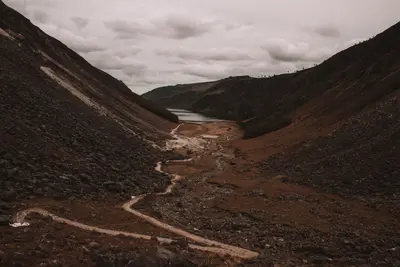
    Glendalough is a glacial valley with two lakes in the Wicklow Mountains south of Dublin, where Saint Kevin founded a monastery in the 6th century. Preserved are a round tower approximately 30 metres high, several churches like St Kevin's Church, and high crosses, which are among Ireland's most famous early Christian sites.The valley belongs to the Wicklow Mountains National Park, opened in 1991, which covers approximately 20,500 hectares. Nine marked trails start at the Visitor Centre or the National Park's information office, from short walks by the Lower Lake to the Spink Circuit above the Upper Lake. The monastic site is freely accessible, the car park at the Visitor Centre charges a fee.

    Sources & method

    • Photos: Pexels. Each photo carries its credit.
    • The content is based on web research from public, traceable sources. How the content is made · The role of AI