Fernweh: Home
    ExploreTravel GuidesPlan a tripMy tripLast visited
    de|en
    All Places & RegionsAll highlightsAbout FernwehFAQPrivacy PolicyImprint
    ExploreTravel GuidesPlan a tripMy tripLast visited
    • Neighborhoods & highlights
    • Eat & drink
    • Getting around
    • Accommodation
    • Plan trip
    • Nearby
    Huaraz

    Peru

    Huaraz

    City

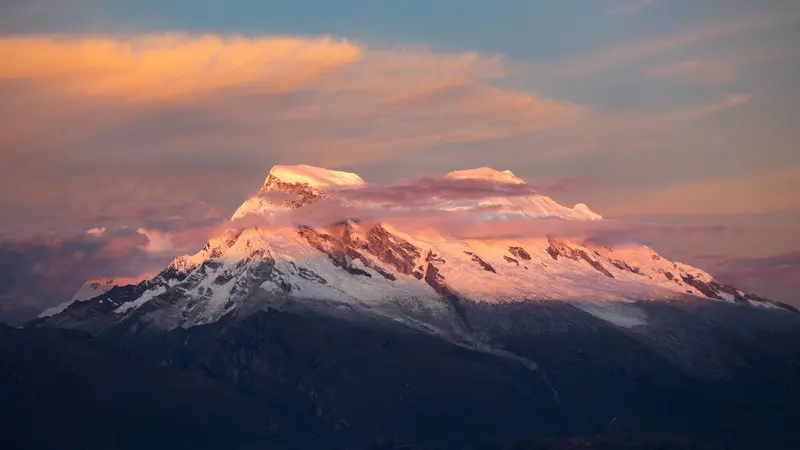
    Huaraz is the capital of the Ancash region and the hub for hikers and mountaineers in the Cordillera Blanca. The city itself primarily serves as a base: Here you book tours, organize equipment, and acclimatize before heading into Huascarán…

    by Felix Gillen

    1. Home
    2. Destinations
    3. Peru
    4. Huaraz and Cordillera Blanca
    5. Huaraz
    Huaraz is the capital of the Ancash region and the hub for hikers and mountaineers in the Cordillera Blanca. The city itself primarily serves as a base: Here you book tours, organize equipment, and acclimatize before heading into Huascarán National Park.From Lima, you can reach Huaraz by overnight bus in approximately eight hours or by flight. Note that travel advisories caution against overnight intercity bus journeys.Two to three days of acclimatization in Huaraz are recommended before longer high-altitude tours.Mountaineers can register in advance with the Peruvian Mountain Rescue service.

    Sights in Huaraz

    Discover the most important sights and attractions

    Laguna Churup

    1Laguna Churup

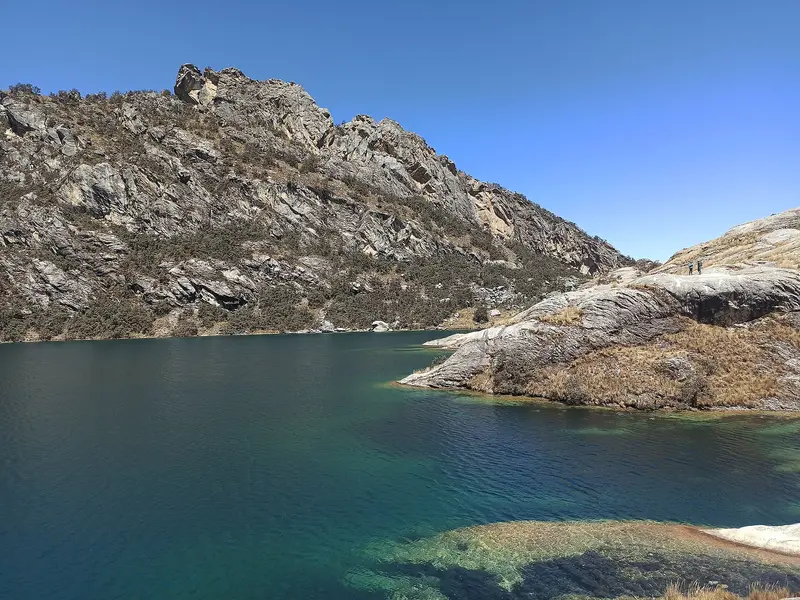
    The emerald-green lagoon is located at around 4,450 meters below the glaciated Nevado Churup. The hike starts in the village of Pitec, which you can reach from Huaraz by colectivo or taxi in about an hour. The ascent takes a good two hours and features steep rock sections with steel cables in the final stretch. Because the tour is short but high, it is ideal for acclimatization before Laguna 69.
    Open in Google Maps
    Regional Museum of Ancash

    2Regional Museum of Ancash

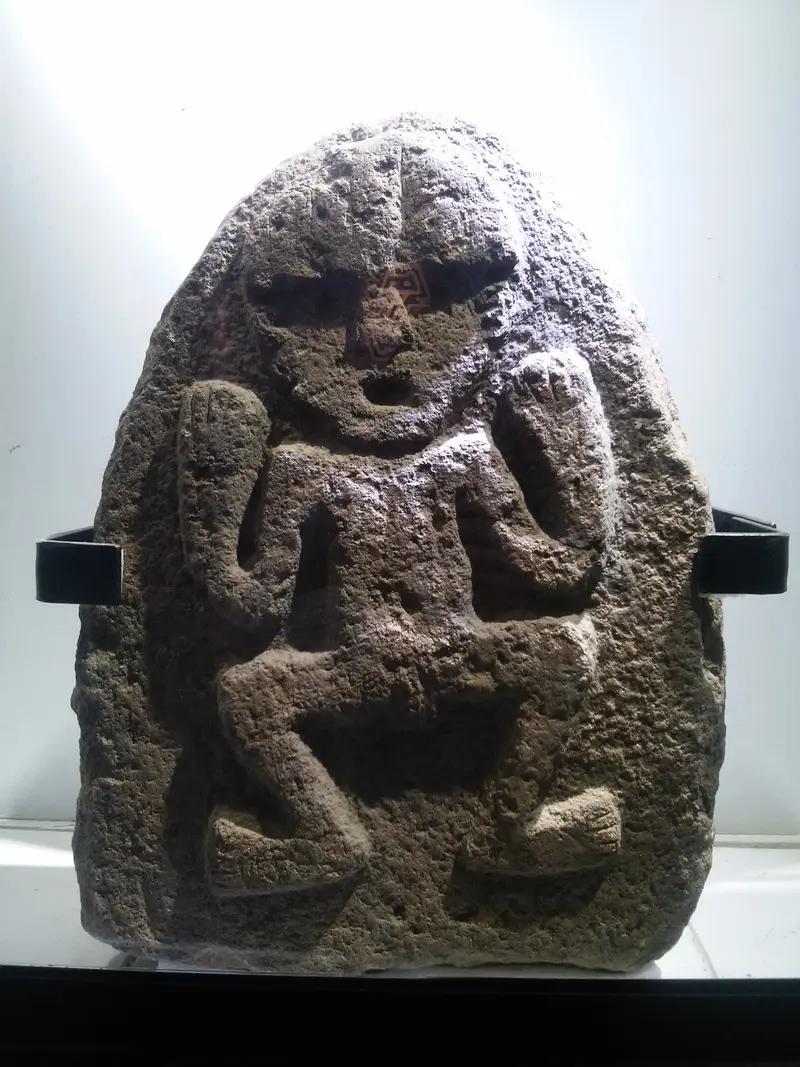
    The museum on the Plaza de Armas displays finds from the pre-Inca cultures of the region. Particularly noteworthy are the stone sculptures of the Recuay culture, displayed in the shaded garden. A good spot for a rainy day or a quiet acclimatization day. Labels are mostly in Spanish, closed on Mondays.
    Open in Google Maps

    Restaurants in Huaraz

    On-site exploration

    Getting ThereMost visitors arrive by bus from Lima; major companies offer day and night services. Huaraz is situated at over 3,000 meters, so give yourself a day or two to acclimatize after arriving before heading higher.In the CityThe city center is compact and easily walkable. Taxis are cheap and found everywhere; for trips to trailheads in the surrounding area, it’s worth arranging a driver for the whole day.Into the MountainsShared buses depart early in the morning, reaching Yungay in about an hour. From there, you can continue to Huascarán National Park by colectivo or taxi. As the last bus back leaves in the afternoon, many take an organized day tour for Laguna 69. You'll need an entrance ticket for the National Park, which is sold at the control point.

    Accommodations in Huaraz

    Find perfect stay in Huaraz

    Booking.com* (Affiliate link)
    Search Hotels
    Agoda* (Affiliate link)
    Search Hotels
    Airbnb
    Vacation Rentals

    * Affiliate link: if you book through it, we earn a small commission. The price stays the same for you.

    Plan your trip to Huaraz

    Save places, build a route and plan your city trip, all in one place.

    1. 1
      Sunrise over alpine peaks and a sea of clouds
      1234

      Round trip

      12 days · 4 stops

      Saved

      Pick a route

      Pick a ready-made one or save places and plan your own.

      Open bookmarks
    2. 2

      Trip to Huaraz

      Live
      • 1Laguna Churup3 days
      • 2Regional Museum of Ancash4 days
      Budget

      Plan your trip

      The planner sorts stops, days and budget. Plan together in real time.

      Start trip planning
    3. 3
      9:41 No signal
      Huaraz
      Available offline

      Use it on the road

      Download the guide to your phone and use it on site, even offline.

    Nearby

    Huaraz and Cordillera Blanca

    Huaraz and Cordillera Blanca

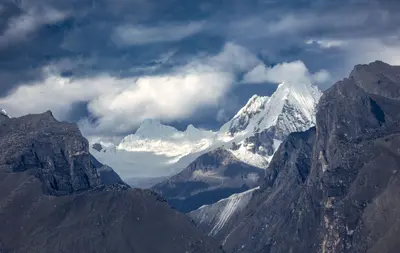
    In the Ancash region of northern Peru rises the Cordillera Blanca, the world's highest tropical mountain range. Nearly the entire massif belongs to Huascarán National Park, a UNESCO World Heritage site since 1985, named after Huascarán, Peru's highest peak at 6,768 meters. The city of Huaraz is the starting point for day hikes, trekking tours, and mountaineering.
    Huascarán National Park

    Huascarán National Park

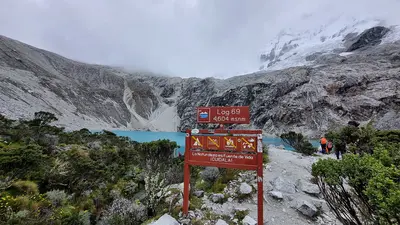
    Huascarán National Park encompasses almost the entire Cordillera Blanca: glaciers, hundreds of high-altitude lakes, and Huascarán, Peru's highest mountain at 6,768 meters. The park was founded in 1975, has been a biosphere reserve since 1977, and a UNESCO World Heritage site since 1985.Laguna 69: the most famous day hike, a turquoise glacial lake at around 4,600 meters. The starting point is Cebollapampa, and the round trip takes about six to seven hours.Lagunas de Llanganuco: two lakes at around 3,850 meters on the way to Laguna 69, also a stop for day trips from Huaraz.Laguna Churup above Huaraz is suitable as an acclimatization hike.You need a ticket for the park, available as a day, three-day, or month pass. Camping is not allowed at Laguna 69.
    Caral

    Caral

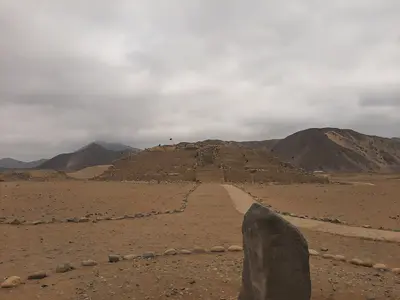
    The Sacred City of Caral is located in the dry Supe Valley, approximately 180 kilometers north of Lima and a good 20 kilometers from the coast. According to radiocarbon dating, it was utilized between approximately 3000 and 1800 BCE. Since 2009, UNESCO has listed it as a World Heritage site and the oldest center of a civilization in the Americas. Visible are step pyramids, plazas, sunken circular courts, and residential areas.It is open daily from approximately 9 AM to 4 PM.Without a car, you can reach Caral by bus to Supe on the Panamericana Norte and from there by Colectivo or taxi. The Colectivos only return until approximately 4 PM.There is little shade on the site, so bring sun protection and water.

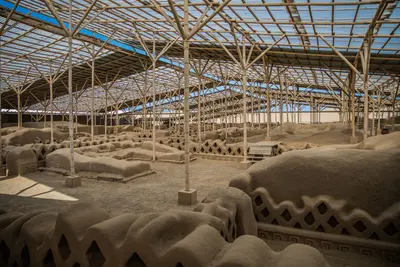
    On the north coast around Trujillo were the centers of two great pre-Inca cultures: The Moche built here the Huacas del Sol y de la Luna, the Chimú their capital Chan Chan, the largest adobe city in the Americas. The fishing village of Huanchaco, with its reed boats and surf waves, is just a few kilometers away. For Trujillo and parts of the region, a state of emergency is temporarily in effect; please note the current travel advisories from the Foreign Office before your trip.

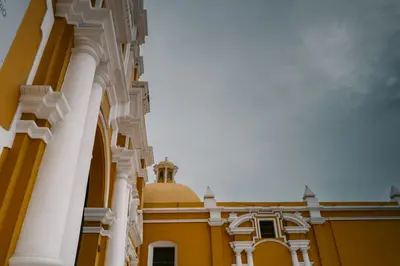
    Trujillo, the capital of the La Libertad region, was founded in 1534 and named after Francisco Pizarro's hometown in Extremadura. The city center features a grid of streets with colorful colonial houses and wrought-iron window grilles surrounding the Plaza de Armas with its cathedral.Most visitors come for the archaeological sites on the outskirts of the city: Chan Chan, the Chimú capital, and the temple pyramids Huaca del Sol and Huaca de la Luna of the Moche. In the nearby seaside town of Huanchaco, fishermen still go out to sea in traditional reed boats, the Caballitos de Totora, while the waves attract surfers.The Federal Foreign Office reports a current state of emergency in Trujillo. Check the current situation there before traveling.

    Sources & method

    • Photos: Wikimedia Commons, Pexels. Each photo carries its credit.
    • Place data such as addresses and ratings comes from Google Maps.
    • The content is based on web research from public, traceable sources. How the content is made · The role of AI