Austria
Wachau
Region
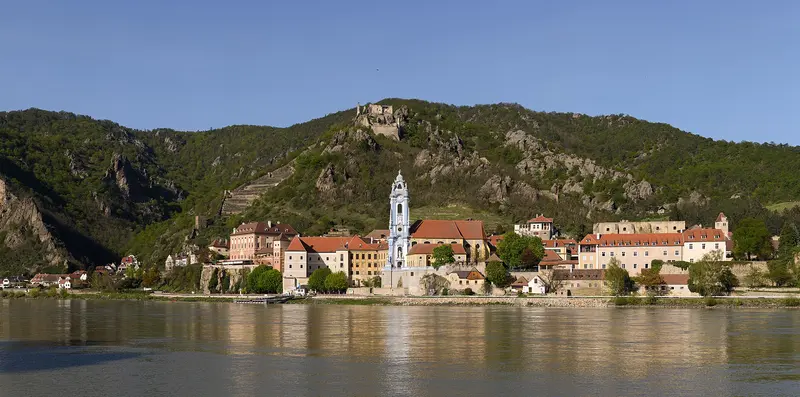
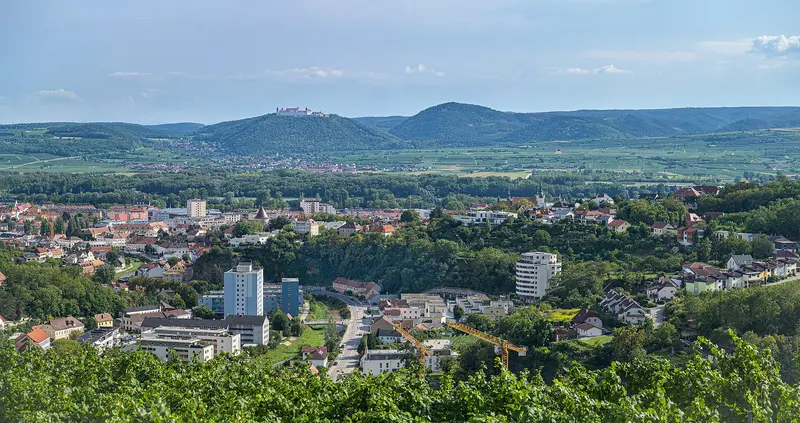
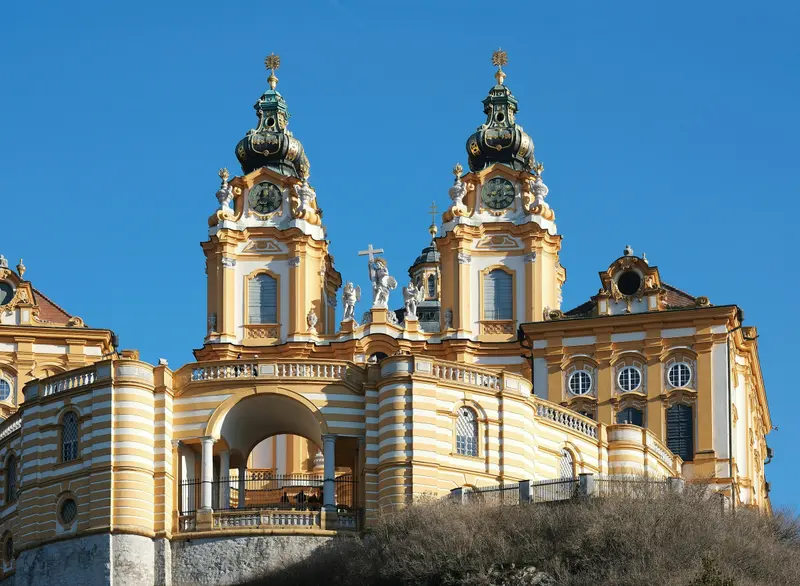
The Danube Valley west of Vienna with wine terraces, apricot orchards, and abbeys. Between Melk, Dürnstein, and Krems, you cycle along the river, stop at wineries, or travel by boat from place to place.
by Felix Gillen
The Danube Valley west of Vienna with wine terraces, apricot orchards, and abbeys. Between Melk, Dürnstein, and Krems, you cycle along the river, stop at wineries, or travel by boat from place to place.
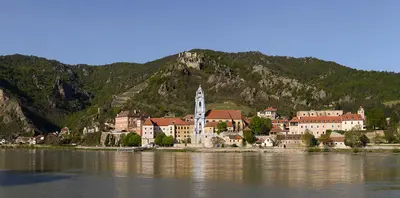
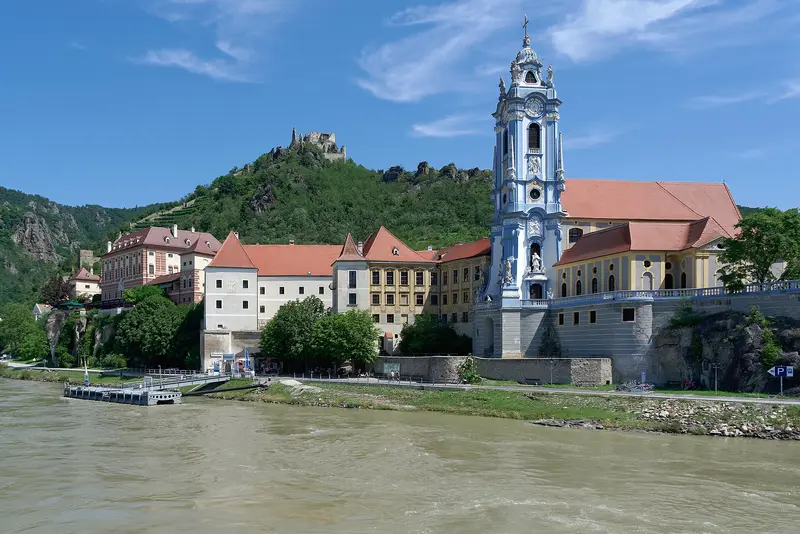
The Valley between Melk and KremsFor about 35 kilometers, the Danube winds its way through the Wachau, from Melk to Krems. Since 2000, this cultural landscape, with the monasteries of Melk and Göttweig and the old town of Krems, has been a UNESCO World Heritage site. In between lie wine terraces, castle ruins, and small wine villages like Dürnstein and Spitz.Wine and ApricotsGrüner Veltliner grows on more than half of the vineyards, followed by Riesling. On wine lists, you'll find three Wachau categories: Steinfeder for light, Federspiel for medium-bodied, and Smaragd for the richest, always dry wines. In spring, over 100,000 apricot trees blossom; the Wachau apricot is an EU-protected designation of origin.On the Go by Bike and BoatThe Danube Cycle Path runs through the entire valley and is considered a particularly beautiful section here.Excursion boats connect the towns, allowing you to cycle one way and return by boat.