Fernweh: Home
    ExploreTravel GuidesPlan a tripMy tripLast visited
    de|en
    All Places & RegionsAll highlightsAbout FernwehFAQPrivacy PolicyImprint
    ExploreTravel GuidesPlan a tripMy tripLast visited
    • Neighborhoods & highlights
    • Recommendations
    • Walking tours
    • Eat & drink
    • Food culture
    • Culture
    • Getting around
    • Accommodation
    • Plan trip
    • Nearby
    Ipoh

    Malaysia

    Ipoh

    CityCulture

    The capital of the state of Perak grew rich through tin mining in the Kinta Valley. This legacy is visible in the old town's colonial buildings and shophouses, now home to cafes, murals, and historic coffee houses.

    by Felix Gillen

    1. Home
    2. Destinations
    3. Malaysia
    4. Ipoh
    The capital of the state of Perak grew rich through tin mining in the Kinta Valley. This legacy is visible in the old town's colonial buildings and shophouses, now home to cafes, murals, and historic coffee houses. Surrounding the city are towering limestone cliffs, with Buddhist temples nestled within their caves. Ipoh is also known for White Coffee and Tauge Ayam.

    Sights in Ipoh

    Discover the most important sights and attractions

    Concubine Lane and Old Town

    1Concubine Lane and Old Town

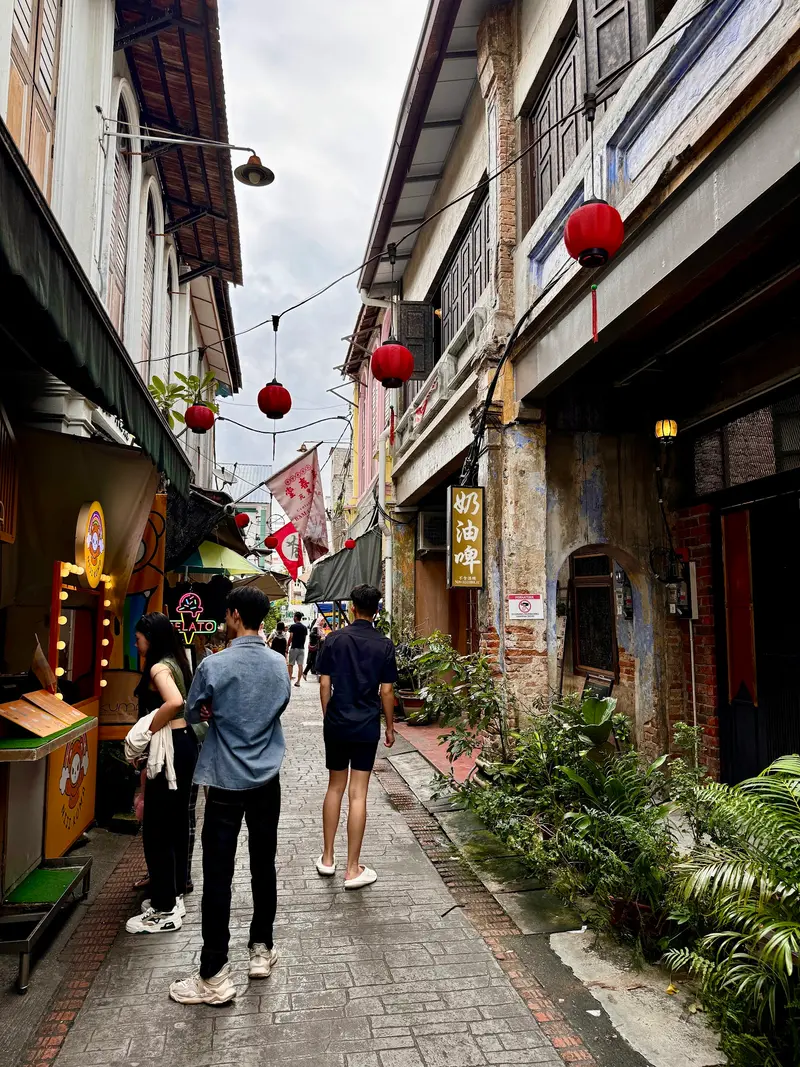
    The narrow lane Lorong Panglima was, during the tin boom, where wealthy mine owners housed their concubines. Today, restored shophouses with snack stalls, cafés, and souvenir shops line the street. Throughout the Old Town, you'll discover murals, including those by Ernest Zacharevic.
    Open in Google Maps
    Kek Lok Tong

    2Kek Lok Tong

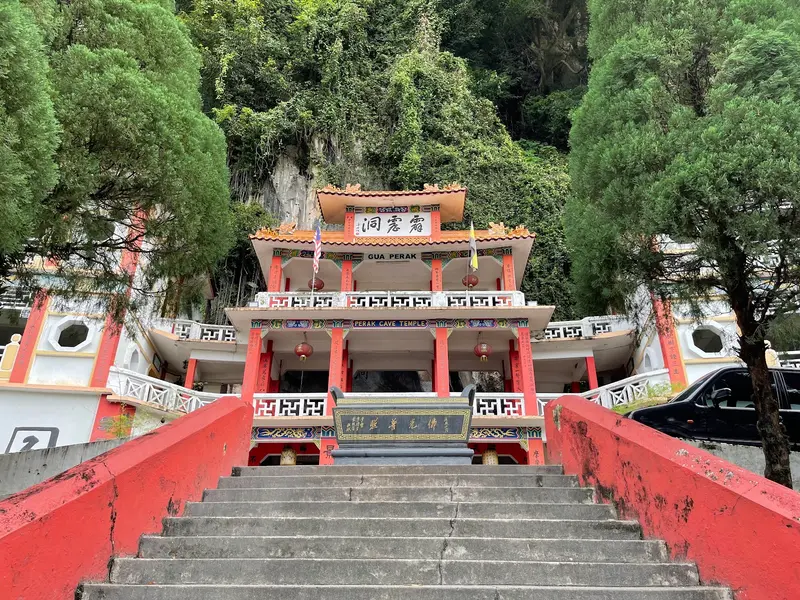
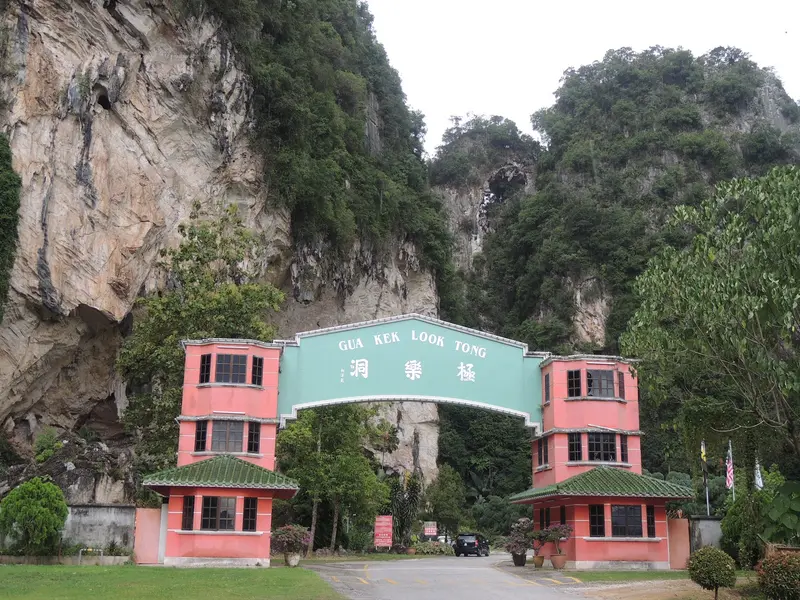
    Buddhist temple in a large, airy limestone cave on the outskirts of Ipoh. Through the cave, you reach a well-maintained garden with a pond at the back, framed by karst rocks. Quieter than the more famous cave temples and ideal for a morning visit.
    Open in Google Maps
    Perak Tong

    3Perak Tong

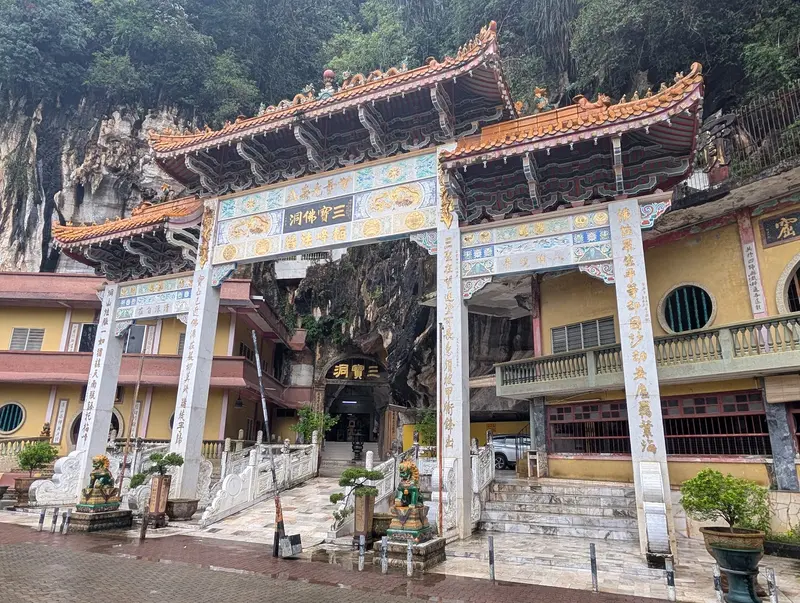
    The cave on the northern outskirts was discovered in 1926 by Chong Sen Yee, who founded the temple here at the foot of the limestone mountain Gunung Tasek. In the main hall sits an approximately 12-meter-tall Buddha statue; the rock walls are covered with Chinese calligraphy and paintings. Around 450 steep steps lead up through the rock to a pavilion with views over Ipoh and the karst landscape.
    Open in Google Maps
    Ipoh Station

    4Ipoh Station

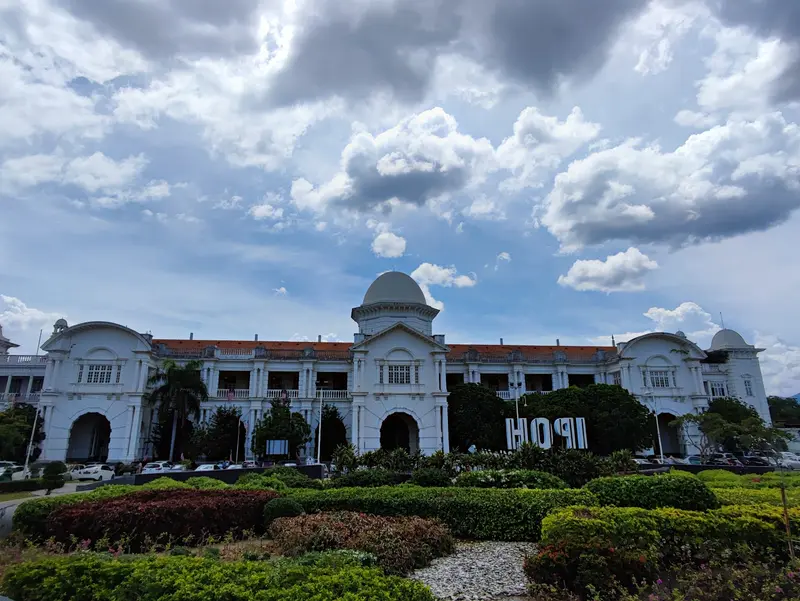
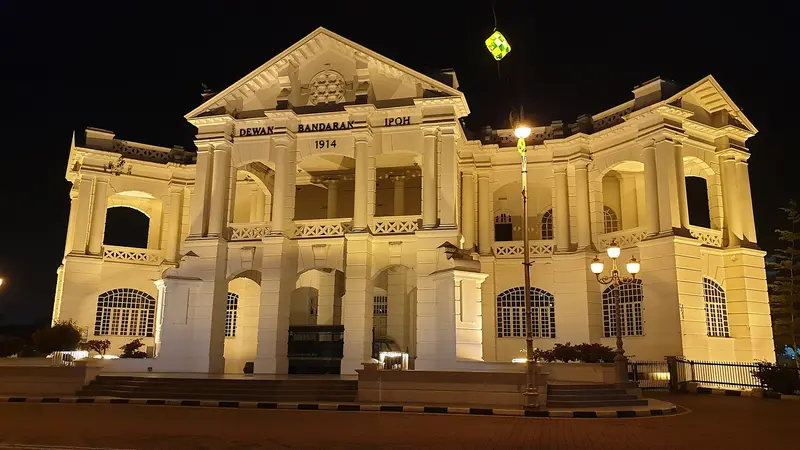
    The white station was built from 1914 to 1917, designed by British architect Arthur Benison Hubback in the Indo-Saracenic style, and is nicknamed the Taj Mahal of Ipoh. On the same street stands the equally colonial City Hall. From here, ETS trains travel to Kuala Lumpur and towards Butterworth.
    Open in Google Maps
    Sam Poh Tong
    Place of Worship

    5Sam Poh Tong

    Buddhist cave temple in a limestone rock south of the center, one of the city's best-known cave temples. Inside the cave are Buddha statues and altars. In front of the rock are a garden and a pond.
    Open in Google Maps
    Han Chin Pet Soo
    Museum

    6Han Chin Pet Soo

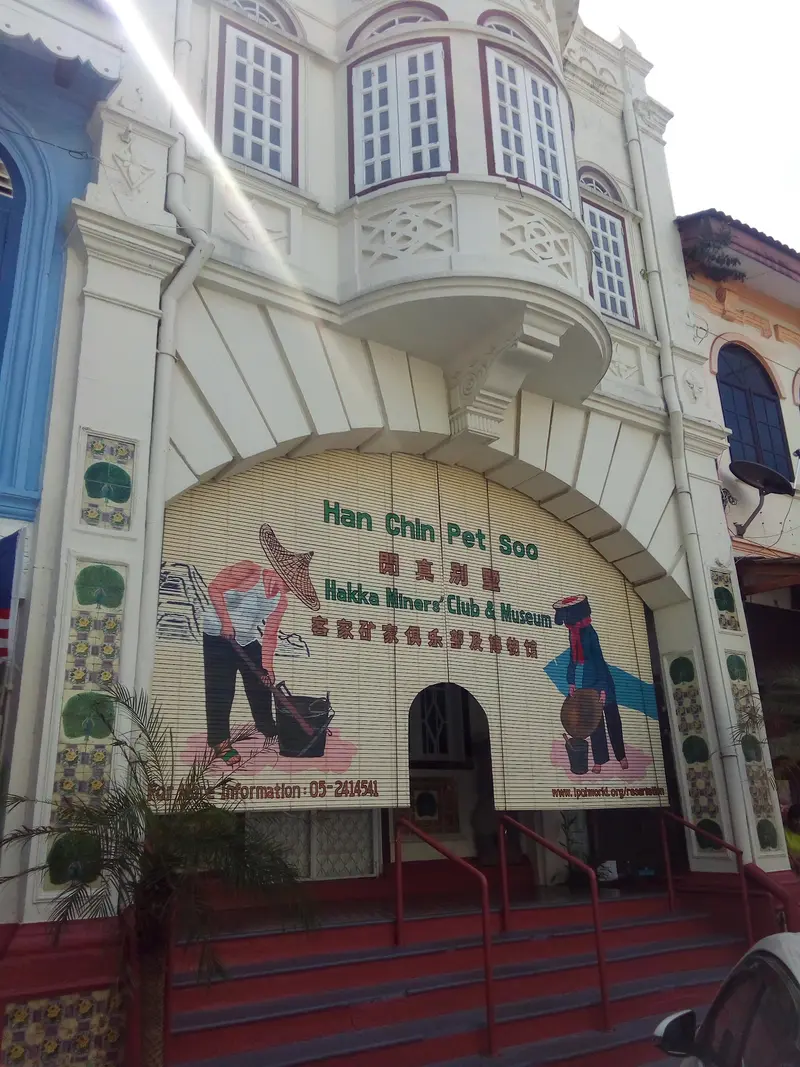
    Entrepreneur Leong Fee founded the Club of Hakka Mine Owners in 1893; the current building’s form dates from 1929. Since 2015, Ipoh World has hosted an exhibition here on the history of tin mining that enriched Ipoh. Visits are only possible by prior registration, online or on-site; it is open Tuesday to Sunday.
    Open in Google Maps

    City walks in Ipoh

    Curated walking tours through the city's highlights, handpicked by experienced travel journalists.

    Ipoh's Lively New Town: Markets, Parks and Everyday Life

    On this walk, discover the pulsing heart of Ipoh beyond the historic old town. Immerse yourself in authentic local life, explore busy markets, relax in green oases and marvel at the diverse street art that also shapes this part of the city. Experience Ipoh's dynamic side and its culinary secrets.

    ~1 Std. 50 Min.
    Open in Google Maps
    Stops (7)

    Restaurants & Cafés

    1

    Nam Heong

    Traditional coffee house on Jalan Bandar Timah in the Old Town, known for Ipoh White Coffee and Egg Tarts. Pair it with Kaya Toast or dishes from the stalls inside.
    Show on Google Maps
    2

    Lou Wong

    Renowned eatery in Neustadt for Ipoh's classic Tauge Ayam: tender poached chicken with short, crunchy bean sprouts, served with rice noodles in chicken broth. It's usually full in the evenings.
    Show on Google Maps
    3

    Thean Chun

    Old Kopitiam at the end of Concubine Lane with several stalls under one roof. It's known for its chicken rice noodle soup (Kuay Teow), Satay, and an egg pudding. Usually open from morning until afternoon.
    Show on Google Maps
    4

    Plan B

    Café-restaurant on Jalan Panglima in the Old Town, one of the first of its kind in Ipoh. The menu features Western dishes, brunch, and coffee. An alternative if you want something different after several Hawker meals.
    Show on Google Maps

    Food and Drink

    Ipoh is known in Malaysia as a city for food lovers. Many of its most famous eateries are old Kopitiams, where several stalls cook under one roof.

    Ipoh White Coffee

    Coffee from margarine-roasted beans, served with condensed milk. Hot or iced, best with Kaya Toast.

    Tauge Ayam

    Poached chicken with short, thick bean sprouts, served with rice or rice noodles in broth. The city's most famous dish.

    Ipoh Hor Fun

    Smooth, very thin rice noodles in a clear broth with shrimp and chicken. The water from the limestone mountains is said to make the noodles especially soft.

    Dim Sum

    For breakfast, families gather in large dim sum halls, especially in the new town around Jalan Leong Sin Nam.

    Tin, Coffee and Limestone

    A City of the Tin BoomFrom the 1880s, tin was mined on a large scale in the Kinta Valley, primarily by Chinese immigrants from the Hakka and Cantonese communities. After a major fire in 1892, the city was rebuilt in a grid pattern, and in 1937, it became the capital of Perak. With the wealth came banks, clubs, and villas, while the British administration constructed a railway station, town hall, and courthouse. Following the collapse of tin mining in the 1970s and 1980s, the city fell silent for a long time.New Life in Old BuildingsMeanwhile, the old town has seen a renewal: Shophouses have been restored, murals depict everyday life from the mining era, and old Kopitiams stand alongside new cafes. In the limestone cliffs around the city are Buddhist cave temples, which remain active pilgrimage sites to this day.

    Getting here and around

    ETS trains link Ipoh with Kuala Lumpur (KL Sentral) in about two to two and a half hours, continuing to Butterworth (Penang).Long-distance buses stop at Terminal Amanjaya in Bandar Meru Raya, north of the city. From there, Grab to the center.Explore the Old Town on foot. For the cave temples and the New Town, Grab is the easiest solution.Reach the Cameron Highlands by bus or rental car.

    Accommodations in Ipoh

    Find perfect stay in Ipoh

    Booking.com* (Affiliate link)
    Search Hotels
    Agoda* (Affiliate link)
    Search Hotels
    Airbnb
    Vacation Rentals

    * Affiliate link: if you book through it, we earn a small commission. The price stays the same for you.

    Plan your trip to Ipoh

    Save places, build a route and plan your city trip, all in one place.

    1. 1
      Sunrise over alpine peaks and a sea of clouds
      1234

      Round trip

      12 days · 4 stops

      Saved

      Pick a route

      Pick a ready-made one or save places and plan your own.

      Open bookmarks
    2. 2

      Trip to Ipoh

      Live
      • 1Concubine Lane and Old Town3 days
      • 2Kek Lok Tong4 days
      • 3Perak Tong5 days
      Budget

      Plan your trip

      The planner sorts stops, days and budget. Plan together in real time.

      Start trip planning
    3. 3
      9:41 No signal
      Ipoh
      Available offline

      Use it on the road

      Download the guide to your phone and use it on site, even offline.

    Nearby

    Brinchang

    Brinchang

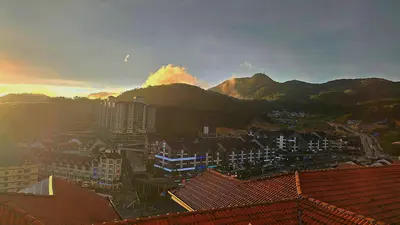
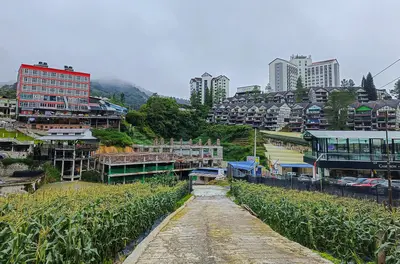
    Brinchang is the second largest town in the Cameron Highlands after Tanah Rata, located a few kilometers north of it. Strawberry farms, nurseries, and vegetable fields surround the town, above which rises the 2,031-meter-high Gunung Brinchang.An evening night market takes place in the town centre on weekends. From Brinchang, the road continues to BOH's Sungei Palas Tea Garden and up to Gunung Brinchang with the Mossy Forest.
    Cameron Highlands

    Cameron Highlands

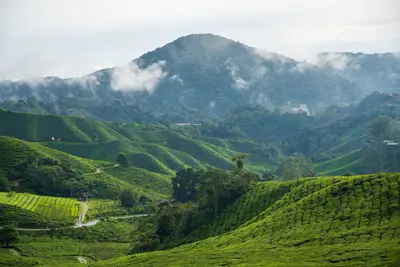
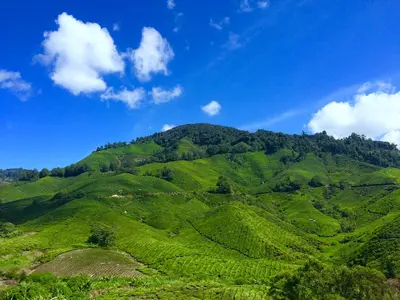
    The Cameron Highlands are a mountain district in the northwest of the state of Pahang, about five hours by bus north of Kuala Lumpur. Coming from the tropical heat, visitors find a cool climate here between roughly 800 and 1,600 meters above sea level, along with tea plantations on steep slopes, vegetable fields, strawberry farms, and mountain forest.The towns line up along a winding mountain road: Ringlet in the south, then Tanah Rata with most accommodations, Brinchang, and the Kea Farm market. Plan at least two nights and bring a jacket; it gets cool at night.
    Tanah Rata

    Tanah Rata

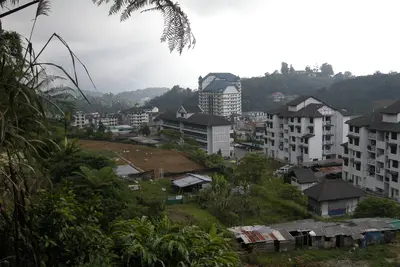
    Tanah Rata is the administrative hub of the Cameron Highlands and the main base for most travelers in the region. Along the high street, guesthouses, hotels, restaurants, and travel agencies line up, and this is also where long-distance buses from Kuala Lumpur and Ipoh stop.From the town, you can reach the Parit Falls and several forest trails on foot. The Cameron Valley tea gardens are located a few kilometers south along the road to Ringlet.
    Kea Farm

    Kea Farm

    Kea Farm is a small settlement about two kilometers north of Brinchang on the main road through the Cameron Highlands. It is known for its open-air market, where vendors sell highland vegetables, fruits, strawberries, and sweetcorn, as well as snacks and souvenirs.
    Ringlet

    Ringlet

    Ringlet is one of the three sub-districts (Mukim) of the Cameron Highlands and is located in the south of the highlands on the mountain road from Tapah. From here, Road 102 leads through the Bertam Valley towards Sungai Koyan near Kuala Lipis.The Ringlet Reservoir is located in the town, dammed by the Sultan Abu Bakar Dam for the highland's hydroelectric power plants. Ringlet is more of a supply hub for the surrounding farms than a tourist destination, with most travelers continuing on to Tanah Rata.

    Sources & method

    • Photos: Wikimedia Commons, Google Maps. Each photo carries its credit.
    • Place data such as addresses and ratings comes from Google Maps.
    • The content is based on web research from public, traceable sources. How the content is made · The role of AI