Fernweh
    ExploreTravel GuidesMy Trips
    de|en
    About FernwehImprintFAQPrivacy Policy
    ExploreTravel GuidesMy Trips
    Great Ocean Road

    Great Ocean Road

    Region
    1. Home
    2. Destinations
    3. Australia
    4. Great Ocean Road
    The Great Ocean Road is not just a road; it's an unparalleled experience that takes you along one of the world's most breathtaking coastal landscapes. Along this legendary route, you'll discover majestic cliffs, pristine beaches, and fascinating rock formations, sculpted by the ocean's raw power. You should visit to fully immerse yourself in the dramatic coastline, the tranquility of its rainforests, and the charming atmosphere of its coastal towns.
    • Overview
    • Places in the region
    • Eat & drink
    • Culture
    • Nearby
    • Overview
    • Places in the region
    • Eat & drink
    • Culture
    • Nearby
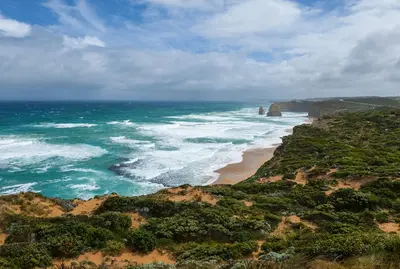
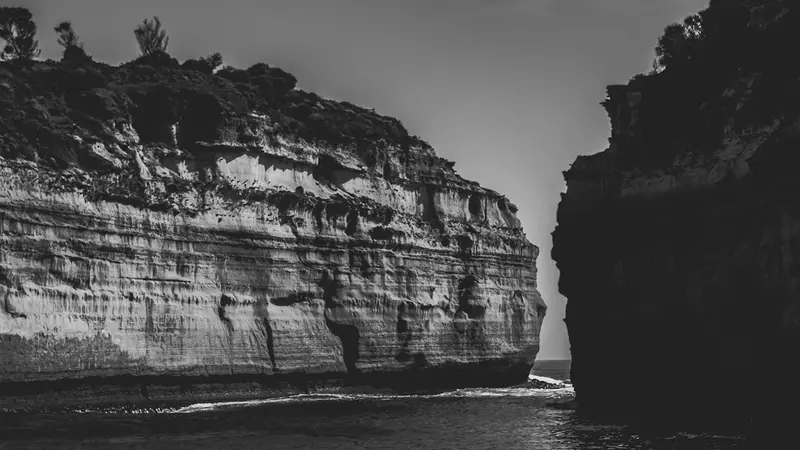
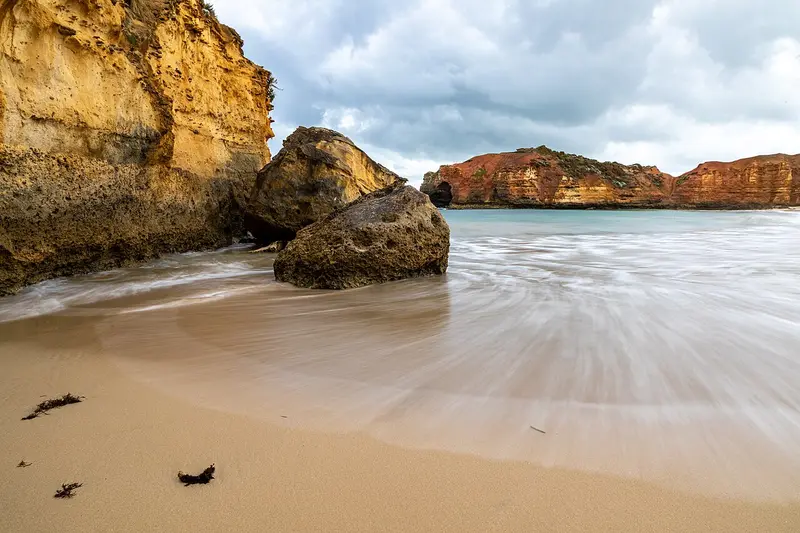
    The Great Ocean Road in Victoria is Australia's most famous coastal drive, built as a World War I memorial. Along its 243 kilometres, you'll experience spectacular cliffs, pristine beaches, and dense eucalyptus forests. Iconic highlights include the Twelve Apostles, the dramatic Loch Ard Gorge, and the historic Shipwreck Coast. The route also passes through the temperate rainforest of the Great Otway National Park with its waterfalls. Charming coastal towns like Lorne and Apollo Bay offer breaks, accommodation, and local cuisine. Drive west from Torquay for the best views; plan two days for a relaxed exploration.

    Places in Great Ocean Road

    Otway Coast & Hinterland

    Otway Coast & Hinterland

    This section combines the rugged beauty of the coast with the lush, cool rainforests of Otway National Park, ideal for nature exploration.
    Shipwreck Coast

    Shipwreck Coast

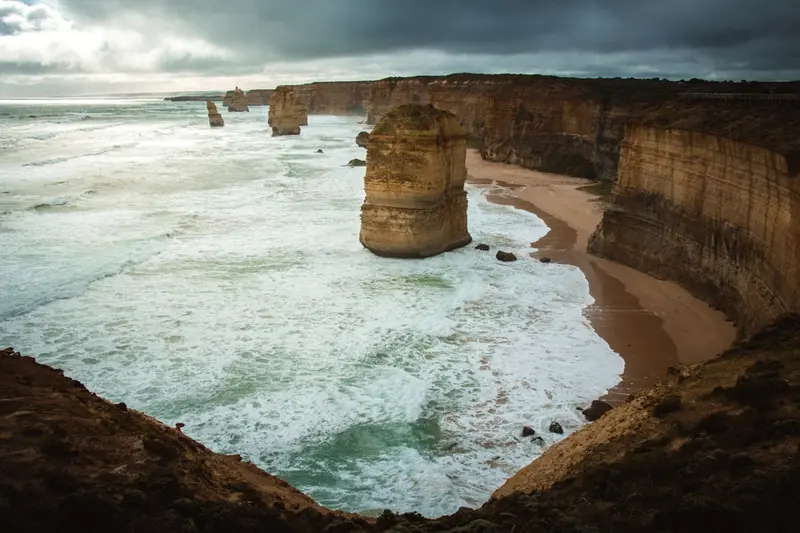
    The Shipwreck Coast is famous for its dramatic cliffs, isolated beaches, and iconic rock formations such as the Twelve Apostles.
    Surf Coast

    Surf Coast

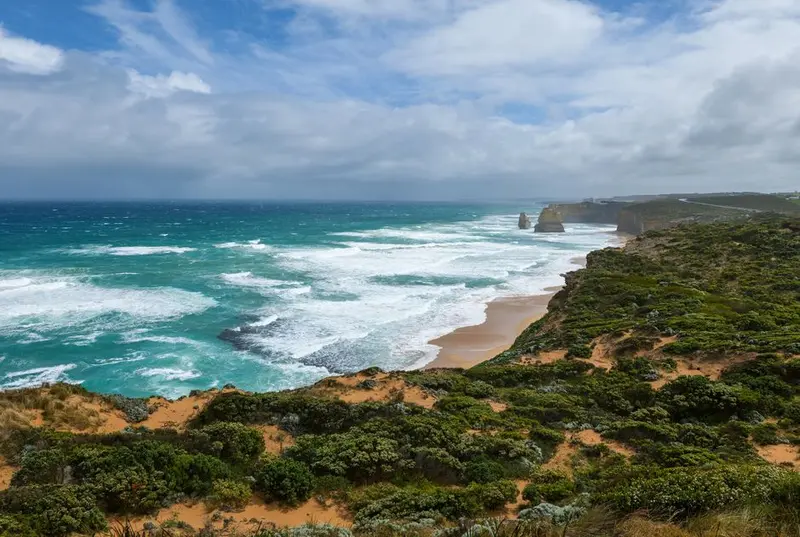
    Your adventure begins here with endless beaches attracting surfers worldwide, and charming coastal towns inviting you to linger.

    Sights in Great Ocean Road

    Discover the most important sights and attractions

    Saddle Lookout

    The Saddle Lookout on the Great Ocean Road offers you an unparalleled perspective of Australia's majestic and often stormy coastline. This viewpoint, named after its distinctive, saddle-like rock formation, is an essential stop along the historic route, which was built after World War I as a memorial and employment initiative. From here, you experience the raw power of the Southern Ocean, which ceaselessly crashes against the steep cliffs and wind-sculpted rock formations. The landscape is an impressive testament to millions of years of geological erosion and tectonic activity. Here you will find a well-secured viewing platform, which often explains the local geology and unique coastal ecology through informative panels. Our Tip: To avoid the crowds and capture the best light for your photos, visit the Saddle Lookout ideally in the early morning or late afternoon. Also keep an eye out for seabirds, which use the thermals along the cliffs.
    Open in Google Maps

    Sherbrook River Watch Point

    The Sherbrook River Watch Point on the Great Ocean Road offers you a breathtaking view of the mouth of the Sherbrook River and the rugged coastline of Port Campbell National Park. Here you'll see the river flow into the vast South Pacific, surrounded by dramatic cliffs shaped over millions of years by the ocean's relentless power. This section of the coast is known for its geological formations and the continuous erosion that constantly reshapes the landscape. You can observe the mighty waves crashing against the rocks and experience nature's raw beauty.A short walk leads to various viewpoints, allowing you to optimally capture the rock formations and the vastness of the sea. Our Tip: Visit Sherbrook River Watch Point in the early morning or late afternoon to capture the best light for photos and avoid the largest tourist crowds. Always stick to the marked paths and keep away from the cliff edges, as these can be unsecured and unstable. The area is also part of the historic Shipwreck Coast, which highlights the wild and unpredictable nature of this coastline.
    Open in Google Maps

    Port-Campbell-Nationalpark

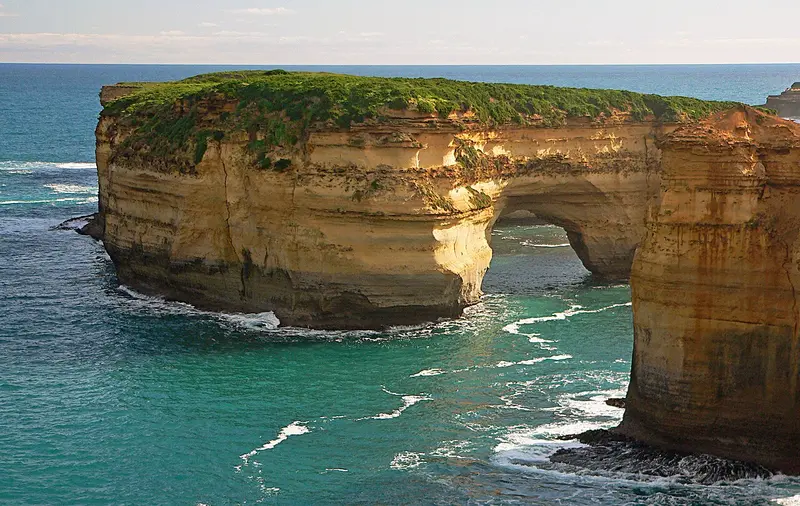
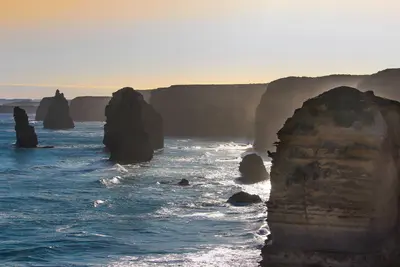
    The Port Campbell National Park on the Great Ocean Road is famous for its spectacular coastal landscapes. These impressive limestone formations, including the world-renowned Twelve Apostles, are the result of millions of years of relentless erosion by wind and sea. The region is also part of the historic "Shipwreck Coast," where numerous ships were wrecked in the stormy waters, lending the coastline a melancholic history. Here you'll find not only the iconic Twelve Apostles but also other fascinating natural wonders like Loch Ard Gorge, the London Arch, and The Grotto. The steep cliffs and the crashing waves of the Southern Ocean offer dramatic vistas. There are well-maintained paths and viewing platforms that allow for safe and stunning perspectives. Our tip: For the best lighting conditions and to avoid the largest crowds, we recommend a visit at sunrise or sunset. The sky's colors over the rock formations are then particularly intense. Always pay attention to the marked paths and warning signs regarding tides and cliff stability.
    Open in Google Maps

    Razorback

    The Razorback is a distinctive rock formation along Australia's Great Ocean Road, near the famous Twelve Apostles. This narrow, jagged rock pinnacle rises dramatically from the ocean, an impressive example of the constant erosion of the limestone coast by wind and waves. You'll find it in Port Campbell National Park, where the rugged coastline has been shaped for millions of years. Geologically speaking, the Razorback is a remnant of a former cliff, isolated by the powerful Southern Ocean. Its shape is reminiscent of an animal's back, which gave it its name. Visitors can view it from the well-maintained viewing platforms, which offer a safe and spectacular perspective. Our tip: For the best photos and to avoid the crowds, it's advisable to visit the Razorback either early in the morning or late in the afternoon. The soft light of the low-lying sun accentuates the rock's texture particularly well. Be mindful of the tides, as the waves can be especially imposing at high tide.
    Open in Google Maps

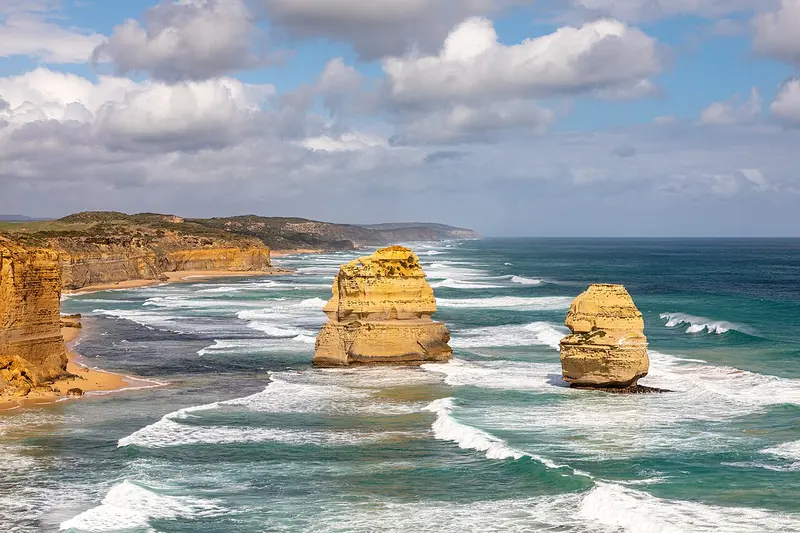
    Twelve Apostles Viewpoint

    At the Twelve Apostles Viewpoint on the Great Ocean Road, you'll experience one of Australia's most iconic coastal landscapes. These majestic limestone stacks, rising dramatically from the Southern Ocean, are the result of millions of years of erosion by wind and waves. Originally known as "Sow and Piglets," the name was changed to "Twelve Apostles" for tourism reasons, even though twelve stacks never existed simultaneously. Today, only a few of these natural wonders remain, as erosion continues to take its toll.From the well-developed viewing platforms, you have an unparalleled view of the remaining Apostles and the crashing surf. The scenery is particularly stunning at sunrise or sunset, when the light bathes the stacks in warm colors and the crowds are smaller. Our Tip: Plan your visit either early in the morning or late in the afternoon to capture the best light for photos and avoid the largest tourist crowds. A stroll along the wooden boardwalks offers various perspectives on these constantly changing geological formations.
    Open in Google Maps

    Tom and Eva Lookout

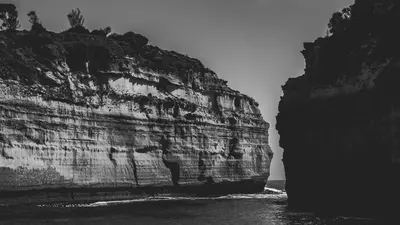
    The Tom and Eva Lookout on the Great Ocean Road offers a captivating insight into the rugged beauty of the Australian coast. From this viewpoint, you overlook the dramatic Loch Ard Gorge, a place of great historical significance. The Lookout is named after Tom Pearce and Eva Carmichael, the only two survivors of the devastating shipwreck of the "Loch Ard" in 1878. Their rescue in this bay is a pivotal chapter of the Shipwreck Coast. Here you see the impressive rock formations, shaped by millennia of erosion, reflecting the relentless power of the ocean. Practical Tip: To capture the best light for photos and avoid larger crowds, a visit in the early morning or late afternoon is recommended. The colours of the water and rocks are particularly vibrant then.
    Open in Google Maps

    Essen & Trinken

    Culture, Art & History along the Great Ocean Road

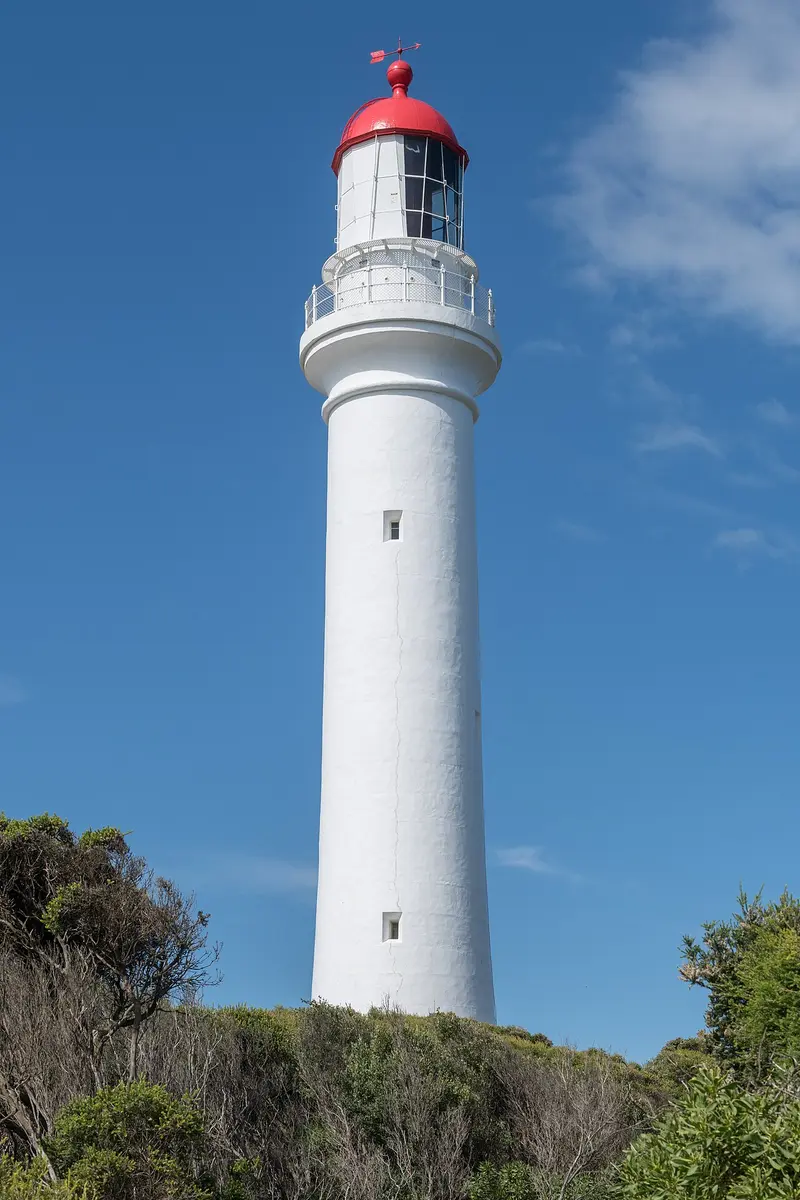
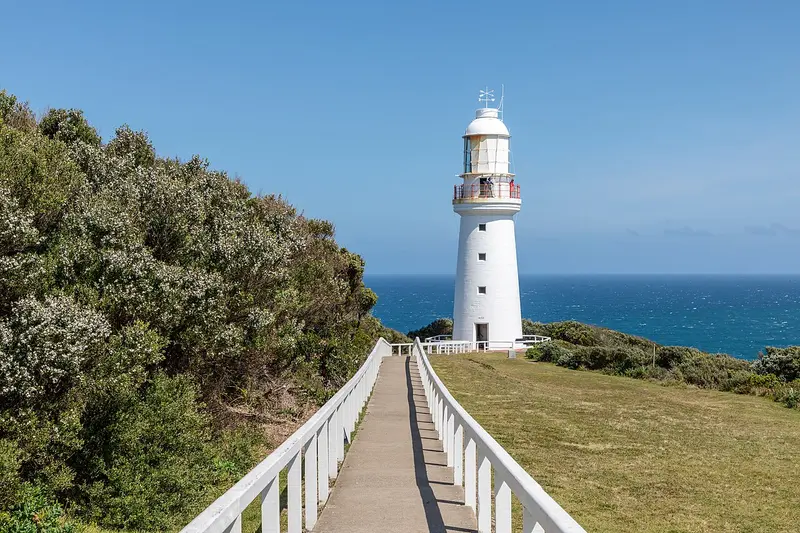
    The Great Ocean Road has a deeply rooted history that predates its official opening in 1932. Originally, this land is the traditional territory of the Eastern Maar Nation, including the Gadubanud and Wadawurrung peoples, whose culture and connection to the coastal landscape stretch back tens of thousands of years. The road itself was constructed after the First World War by returning soldiers and serves as a permanent memorial to their fallen comrades, which gives it a unique historical and cultural significance. Architecturally, alongside the engineering feat of the road itself, historical lighthouses like the Cape Otway Lighthouse shape the coast. Smaller coastal towns like Port Fairy still retain some 19th-century bluestone architecture, reminiscent of the early settler era. Culturally, the region is strongly shaped by surfing, with places like Bells Beach considered the cradle of Australian surfing. Contemporary art galleries in towns like Lorne or Apollo Bay often display works inspired by the dramatic landscape and reflect the local population's connection to their surroundings.

    Locations nearby

    These places are nearby — perfect for additional days or a day trip.

    Shipwreck Coast

    Shipwreck Coast

    The Shipwreck Coast is famous for its dramatic cliffs, isolated beaches, and iconic rock formations such as the Twelve Apostles.
    Otway Coast & Hinterland

    Otway Coast & Hinterland

    This section combines the rugged beauty of the coast with the lush, cool rainforests of Otway National Park, ideal for nature exploration.
    Surf Coast

    Surf Coast

    Your adventure begins here with endless beaches attracting surfers worldwide, and charming coastal towns inviting you to linger.
    St Kilda

    St Kilda

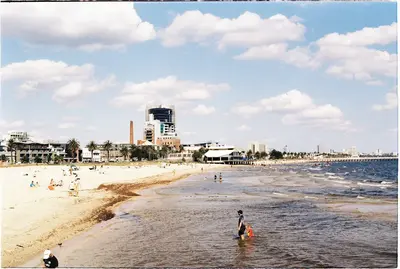
    This vibrant coastal district entices with its iconic pier, the historic Luna Park, expansive beaches, and a relaxed bohemian atmosphere.
    Southbank

    Southbank

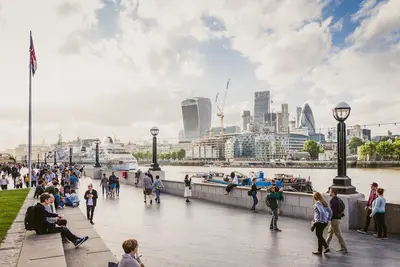
    Entlang des Yarra Rivers gelegen, ist Southbank das Zentrum für Kunst und Unterhaltung, mit dem Arts Centre, dem Crown Casino und gehobenen Restaurants am Wasser.