Fernweh: Home
    ExploreTravel GuidesPlan a tripMy tripLast visited
    de|en
    All Places & RegionsAll highlightsAbout FernwehFAQPrivacy PolicyImprint
    ExploreTravel GuidesPlan a tripMy tripLast visited
    • Overview
    • Places in the region
    • Eat & drink
    • Recommendations
    • Food culture
    • Best travel time
    • Culture
    • Getting around
    • Round trips
    • Nearby
    Melbourne

    Australia

    Melbourne

    RegionCulture

    Melbourne, Victoria's capital, is Australia's second-largest city with around 5 million residents.

    by Felix Gillen

    1. Home
    2. Destinations
    3. Australia
    4. Melbourne
    Melbourne, Victoria's capital, is Australia's second-largest city with around 5 million residents. Situated on Port Phillip Bay and the Yarra River, it's considered the country's cultural heart, boasting Victorian architecture, laneways filled with cafes and street art, and major sporting events.The city centre is compact and easily explored by tram. Neighborhoods like Fitzroy, Southbank, and St Kilda each boast their own character.
    Melbourne, Australia's cultural and sporting capital, welcomes you with a dynamic mix of art, cuisine, and urban flair. Explore labyrinthine laneways like Degraves Street with its iconic cafés and the vibrant street art in Hosier Lane. The city's heart beats at Federation Square, a central meeting point for culture and events. Elegant Victorian architecture contrasts with modern skyscrapers, significantly shaping the cityscape. Savour world-class gastronomy, from fine dining restaurants to fresh produce at the historic Queen Victoria Market. For efficient exploration, utilize the free tram zone in the city centre. The months of March to May or September to November offer pleasant temperatures for your visit.
    Fitzroy

    Place 1 of 3

    Fitzroy

    Fitzroy, Melbourne's oldest suburb, is distinguished by its pronounced bohemian atmosphere and a dynamic art scene.

    Discover
    Southbank

    Place 2 of 3

    Southbank

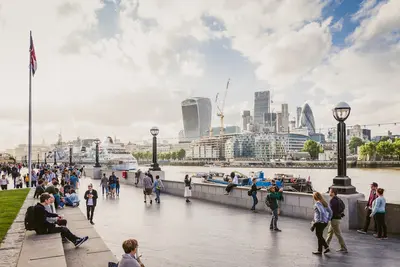
    Southbank, on the Yarra's south bank, is Melbourne's cultural and entertainment district. Restaurants and bars line the promenade; St Kilda Road houses the Arts Centre, Hamer Hall, and the National Gallery of Victoria.

    Discover
    St Kilda

    Place 3 of 3

    St Kilda

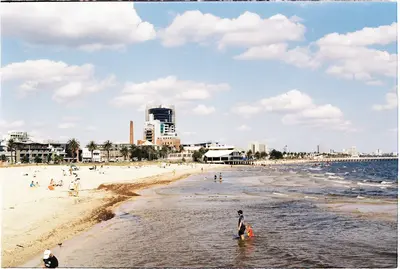
    St Kilda lies about 6 km south of the center on Port Phillip Bay and is Melbourne's most famous beachside district. Palms along the Esplanade, the pier with its penguin colony, and the 1912 Luna Park amusement park define the scene.

    Discover

    Sights in Melbourne

    Discover the most important sights and attractions

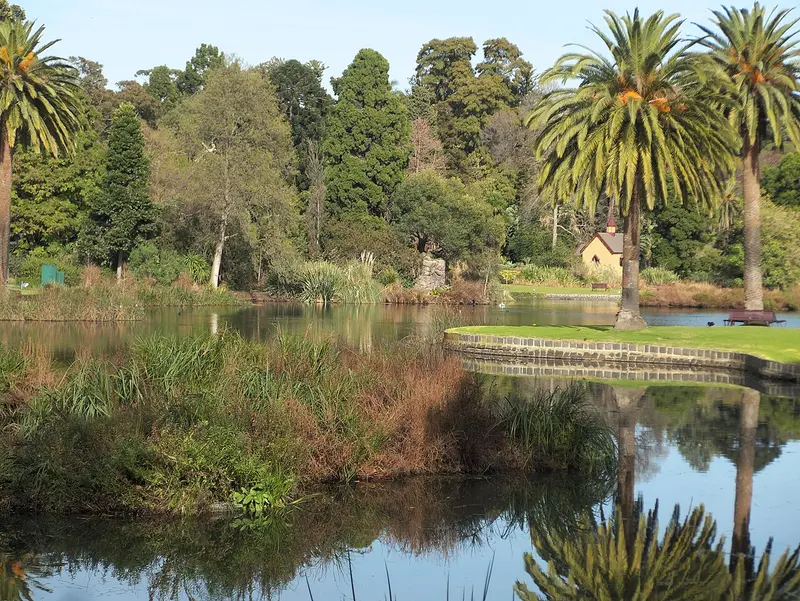
    Royal Botanic Gardens Melbourne

    Royal Botanic Gardens Melbourne

    1846-established, 36-hectare botanical garden with Australian plants and non-native species.
    Open in Google Maps
    Shrine of Remembrance

    Shrine of Remembrance

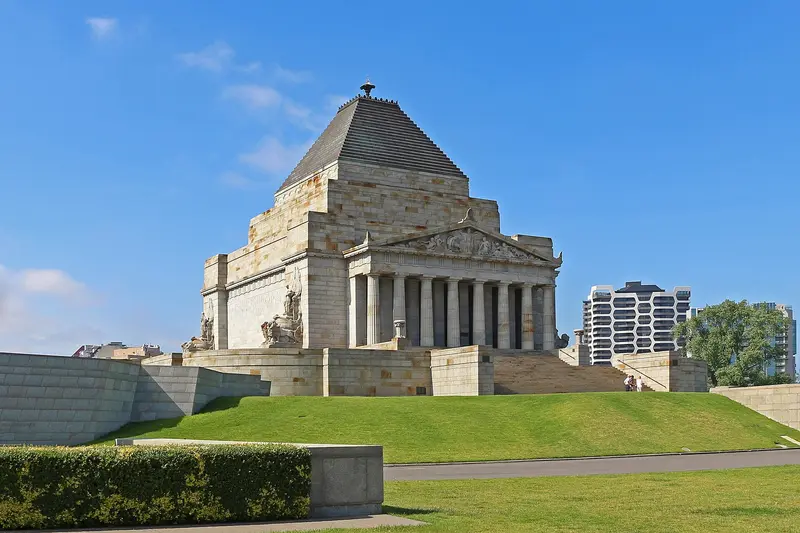
    Complex commemorating Australian service personnel with memorials, exhibitions and gardens.
    Open in Google Maps
    State Library Victoria

    State Library Victoria

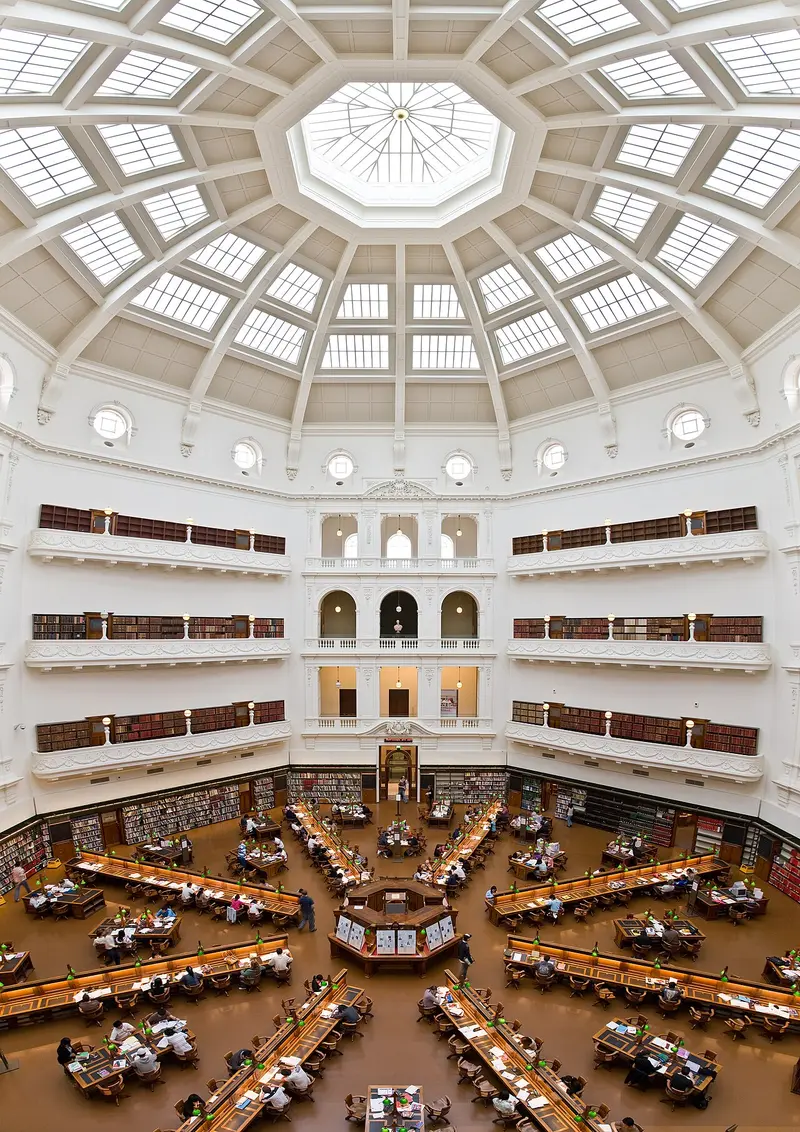
    A block-spanning state landmark opened in 1856, with a magnificent reading room.
    Open in Google Maps
    NGV

    NGV

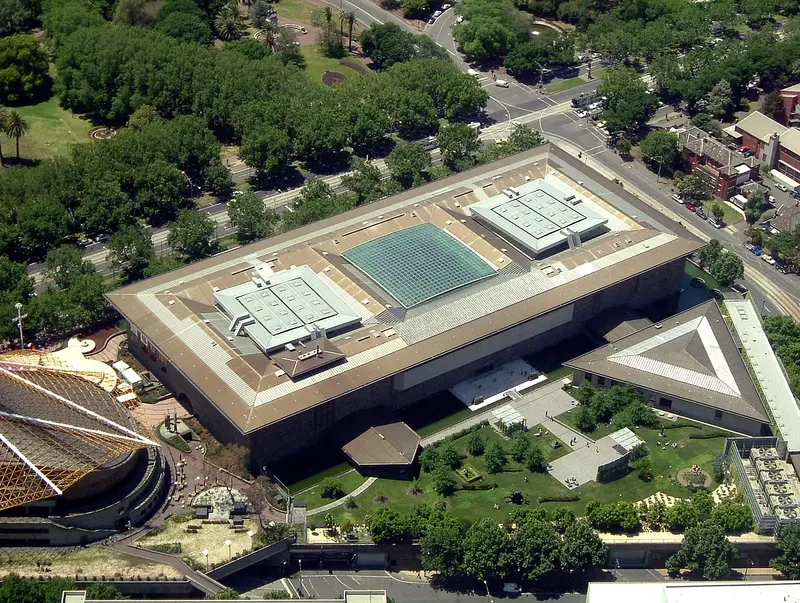
    Public museum with a large collection of significant Australian and international artworks and objects.
    Open in Google Maps
    St. Patrick's Cathedral

    St. Patrick's Cathedral

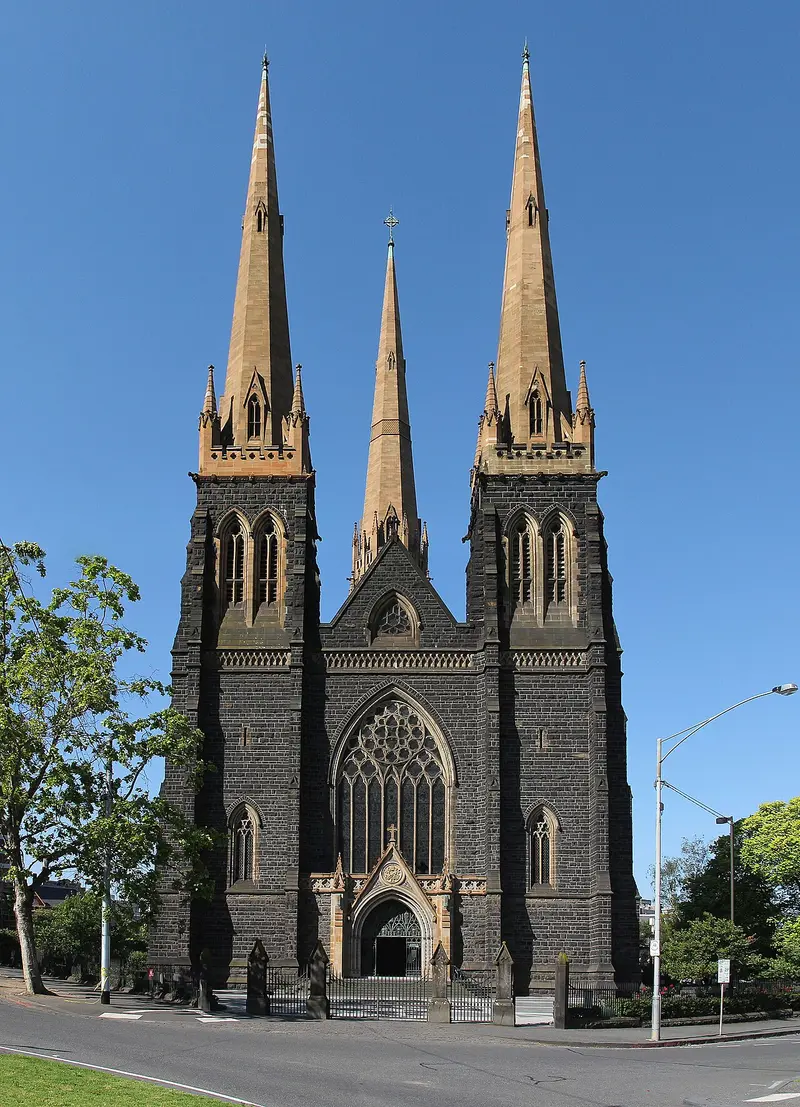
    Neo-Gothic Catholic Cathedral on the eastern edge of the city center, built of dark basalt from 1858 and only completed in 1939 with its spires. Inside, the stained-glass windows are impressive.
    Open in Google Maps

    Alexandra Gardens

    Park on the Yarra's south bank between Princes Bridge and the Botanical Gardens, with riverside paths, rowing boathouses, and a skate park.
    Open in Google Maps

    Essen & Trinken

    1

    Japanese Teppanyaki Inn

    Teppanyaki restaurant on Collins Street, where food is cooked on the hot iron in front of the guests.
    Show on Google Maps
    2

    MoVida

    Spanish Tapas restaurant at the beginning of Hosier Lane, one of the city's most famous addresses. Reservations recommended; walk-in spots at the bar.
    Show on Google Maps
    3

    Steakhouse Grill 66 Docklands

    Steakhouse on the Docklands waterfront, with grilled dishes and water views.
    Show on Google Maps
    4

    Ginza Teppanyaki

    Teppanyaki restaurant on the first floor on Little Bourke Street in Chinatown, with tableside show cooking.
    Show on Google Maps
    5

    Red Spice Road

    Modern Asian cuisine in a spacious restaurant with a bar and tables under a giant red lantern.
    Show on Google Maps
    6

    Chocolate Buddha

    Japanese restaurant at Federation Square with ramen, sushi and donburi, great for a break between museums.
    Show on Google Maps
    7

    Flower Drum Restaurant Melbourne

    Cantonese restaurant in a Chinatown alley, a Melbourne institution for upscale Chinese dining since the 1970s. Known for Peking Duck.
    Show on Google Maps
    8

    Oriental Teahouse Melbourne CBD

    Teahouse on Little Collins Street with Dim Sum and a wide selection of teas.
    Show on Google Maps
    9

    Chapati CBD

    Indian restaurant on Crossley Street in the city centre, with curries, tandoori dishes, and fresh bread.
    Show on Google Maps
    10

    La Camera, Italian Restaurant

    Italian restaurant in Southgate on the Yarra with pasta, pizza, and skyline views.
    Show on Google Maps

    Stamford Plaza Melbourne

    Stylish hotel with elegant suites, an upscale restaurant, and indoor and outdoor pools.
    Show on Google Maps
    11

    Desi Dhaba

    Simple Indian eatery on Flinders Street with cheap curries and thalis.
    Show on Google Maps

    Sopranos on Southbank

    Italian restaurant in Southbank with pizza and pasta, near the theatres at the Arts Precinct.
    Show on Google Maps

    Ants Bistro

    Small bistro in Corrs Lane in Chinatown with simple dishes at moderate prices.
    Show on Google Maps

    Food and Drink

    Melbourne is considered the capital of Australian coffee and has one of the country's most diverse restaurant scenes.

    Coffee Culture

    Flat White and Espresso from small roasteries, often in laneway cafés like on Degraves Street.

    Queen Victoria Market

    The large 19th-century market with meat, fish, and delicatessen halls, and a night market in summer.

    Chinatown and Little Italy

    Little Bourke Street is one of the oldest Chinatowns in the Western world, and Lygon Street in Carlton is the Italian quarter.

    Greek Cuisine

    Melbourne has one of the largest Greek communities outside of Greece; you'll find tavernas in Lonsdale Street and Oakleigh, for instance.

    Best Time to Visit

    When is the best time for your trip?

    March
    April
    May
    October
    November
    December
    13–19°C·40–60 mm(little rain)
    Autumn from March to May and spring from October to December bring mild temperatures. In summer, hot days above 35 °C are possible; in winter it's cool but rarely frosty.
    The weather often changes within a few hours, especially in spring.

    Seasons

    Jan
    Feb
    Mar
    Apr
    May
    Jun
    Jul
    Aug
    Sep
    Oct
    Nov
    Dec
    Summer, Festivals and Australian Open
    Mild, pleasant travel time
    Winter, cool and gray
    Best Time to Visit
    ▶Show detailed monthly data
    MonthTemp (°C)Rain (mm)
    January21.045
    February21.045
    March19.040
    April16.045
    May13.040
    June11.040
    July10.038
    August11.045
    September13.050
    October15.055
    November17.060
    December19.050

    Culture & History

    From Gold Rush to Cultural MetropolisMelbourne is located on the land of the Wurundjeri and Boon Wurrung people of the Kulin Nation. The city was founded in 1835 and grew rapidly with the gold rush of the 1850s, at times becoming one of the wealthiest cities in the world. From this period date the Royal Exhibition Building, now a UNESCO World Heritage site, the State Library, and many city centre arcades. From 1901 to 1927, Melbourne served as the seat of the Australian federal government.Immigration and SportAfter World War II, many immigrants arrived from Italy and Greece, followed later by those from Vietnam and China. This has shaped the culinary culture to this day. Sport holds a special place here: The Melbourne Cricket Ground accommodates around 100,000 people, in addition to the Australian Open in January and the Grand Prix in Albert Park.

    On-site adventures

    Melbourne boasts the world's largest tram network. In the city centre, the Free Tram Zone applies, making tram rides free.myki: For tram, bus, and train outside the Free Tram Zone, you need a myki card or pay contactless, depending on the system's status.Airport: The SkyBus connects Tullamarine Airport with Southern Cross Station, approximately 30 minutes.On Foot: The grid layout of the Central Business District with its Laneways is easy to explore on foot.Weather: Melbourne is known for "four seasons in one day". Always pack a jacket.

    Round trips through this region

    Australia: No Camper, Comfortable

    Australia: No Camper, Comfortable

    The route relies on fixed bases and domestic flights: Sydney, Melbourne with a detour to the Great Ocean Road, then Cairns and Port Douglas between rainforest and the Great Barrier Reef.

    19 Days
    5 stops

    Nearby

    Southbank

    Southbank

    Southbank, on the Yarra's south bank, is Melbourne's cultural and entertainment district. Restaurants and bars line the promenade; St Kilda Road houses the Arts Centre, Hamer Hall, and the National Gallery of Victoria.The former industrial area was redeveloped from the 1990s. Today, skyscrapers like the Eureka Tower (with Skydeck) and the Crown Complex dominate the skyline.
    Fitzroy

    Fitzroy

    Fitzroy, Melbourne's oldest suburb, is distinguished by its pronounced bohemian atmosphere and a dynamic art scene. Brunswick Street and Gertrude Street form the heart of the neighborhood and are home to a wide range of independent boutiques, art galleries and varied cafés. Historic Victorian buildings shape the streetscape and often serve as a canvas for the ubiquitous street art that underlines the urban character. In the evening Fitzroy comes alive with a lively bar and restaurant scene and numerous live-music venues. For an authentic experience, you should explore the hidden lanes, where special galleries and cafés are often tucked away. Ideally, plan your visit for late morning to explore the shops and cafés in peace before the evening atmosphere sets in.
    St Kilda

    St Kilda

    St Kilda lies about 6 km south of the center on Port Phillip Bay and is Melbourne's most famous beachside district. Palms along the Esplanade, the pier with its penguin colony, and the 1912 Luna Park amusement park define the scene.Acland Street is known for its traditional patisseries, Fitzroy Street and Carlisle Street for bars and cafés.
    Surf Coast

    Surf Coast

    The Surf Coast between Torquay and Aireys Inlet kicks off the Great Ocean Road: long beaches, surf spots like Bells Beach, and relaxed coastal towns an hour from Melbourne.
    Great Ocean Road

    Great Ocean Road

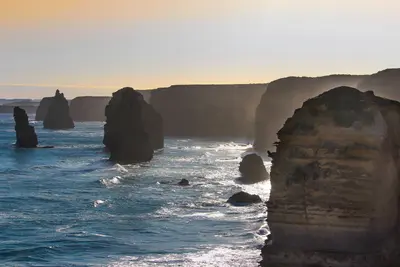
    The roughly 240-kilometer coastal road southwest of Melbourne runs from Torquay, via Lorne and Apollo Bay, to the limestone cliffs of the Twelve Apostles. Along the way, surf beaches, rainforest in the Otway Ranges, and steep cliffs alternate.

    Sources & method

    • Photos: Wikimedia Commons, Unsplash. Each photo carries its credit.
    • Place data such as addresses and ratings comes from Google Maps.
    • The content is based on web research from public, traceable sources. How the content is made · The role of AI