Fernweh
    ExploreTravel GuidesMy Trips
    de|en
    About FernwehImprintFAQPrivacy Policy
    ExploreTravel GuidesMy Trips
    Montreal

    Montreal

    Region
    1. Home
    2. Destinations
    3. Canada
    4. Montreal
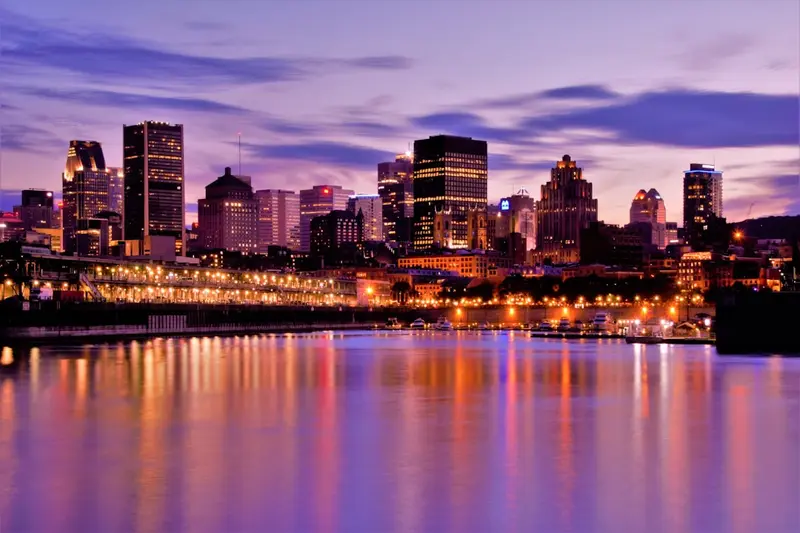
    Montreal, Canada's second-largest city, captivates with a unique melange of European charm and North American dynamism. As a vibrant cultural hub, this francophone metropolis entices with a rich history, impressive architecture, and a vibrant arts and gastronomy scene.
    • Overview
    • Places in the region
    • Eat & drink
    • Culture
    • Nearby
    • Overview
    • Places in the region
    • Eat & drink
    • Culture
    • Nearby
    Montreal, Canada's second-largest city, blends European charm with North American dynamism.This francophone metropolis showcases its rich history in Vieux-Montréal, with cobblestone streets and the imposing Notre-Dame Basilica.In Plateau Mont-Royal, you'll find charming townhouses and a vibrant art scene; the Parc du Mont-Royal also offers panoramic views.As a vibrant cultural and gastronomic destination, be sure to try the local Poutine and famous Montreal bagels.Utilize the metro network for exploration; the Underground City (RESO) is perfect for colder days, while autumn allows for relaxed travel.

    Places in Montreal

    Vieux-Montréal (Old Montreal)

    Vieux-Montréal (Old Montreal)

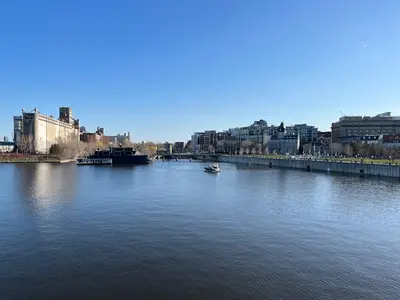
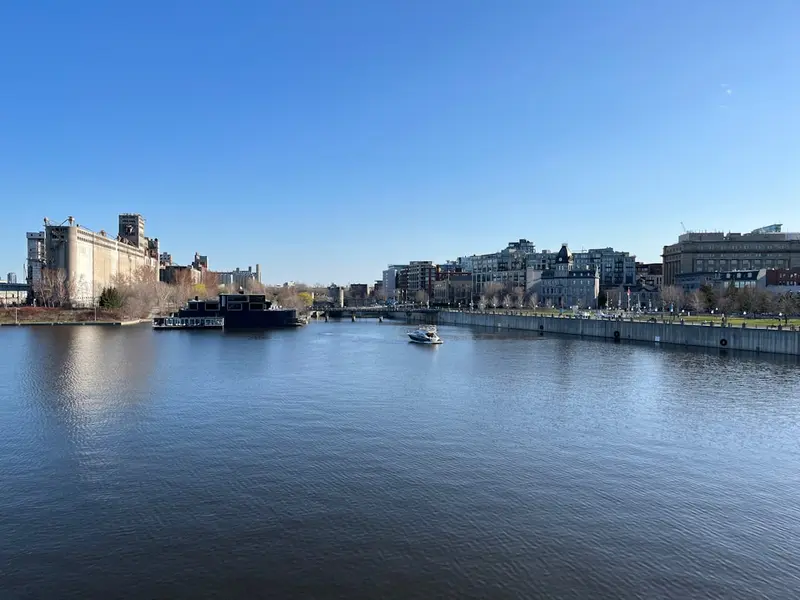
    Montreal's historic heart enchants with cobblestone streets, magnificent 17th and 18th-century buildings, and the impressive Notre-Dame Basilica.

    Sights in Montreal

    Discover the most important sights and attractions

    Notre-Dame de Montréal

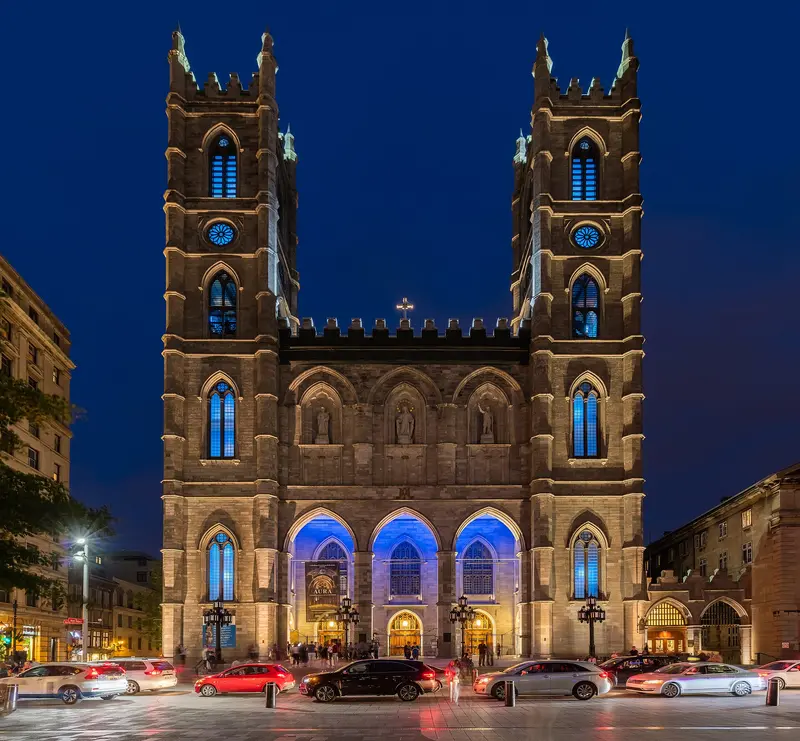
    The Notre-Dame Basilica of Montréal, a masterpiece of Neo-Gothic architecture, rises majestically in the heart of Old Montréal. Begun in 1824, consecrated in 1829, it replaced an older parish church. Its imposing two-towered facade will impress you.Upon entering, a breathtaking interior unfolds, starkly contrasting with the simpler exterior. The ceiling is adorned in deep blue with golden stars, reminiscent of a night sky. Elaborate wood carvings and religious artworks are found everywhere. The stained-glass windows illustrate Montréal's religious history. Behind the main altar, you'll find the Chapelle du Sacré-Cœur, rebuilt after a fire in 1978.Our tip: It's best to visit the Basilica early in the morning or late in the afternoon to avoid the biggest tourist crowds. For undisturbed photos of the magnificent interiors, a visit outside of service hours is recommended.
    Open in Google Maps

    Place des Arts

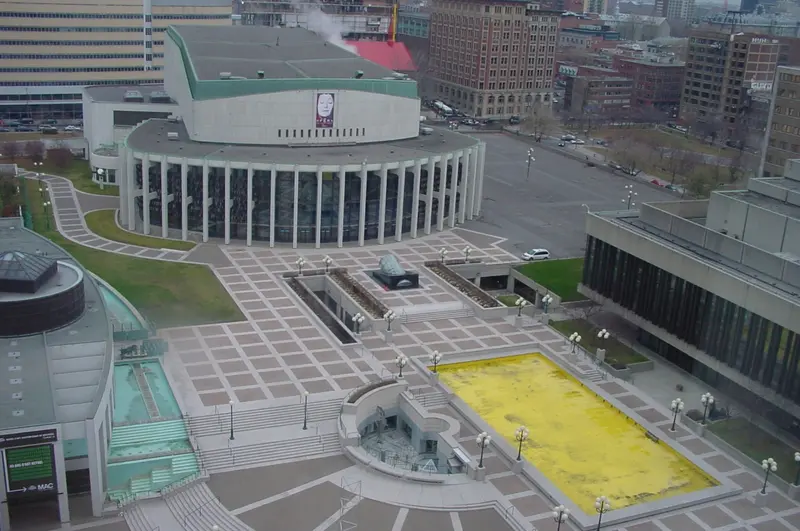
    The Place des Arts in Montreal is Canada's largest and most important cultural complex for performing arts. Since its opening in 1963, it has developed into a central pillar of the city's cultural life, housing renowned institutions such as the Orchestre Symphonique de Montréal and the Opéra de Montréal. Here you will find several venues, including the impressive Salle Wilfrid-Pelletier and the modern Maison Symphonique, which offer a wide spectrum of performances from classical music and ballet to contemporary theater. The complex's architecture reflects the modern era of its creation and blends seamlessly into the vibrant Quartier des Spectacles. Our tip: Book tickets for a performance in advance to enjoy the full cultural experience. Even without a ticket, a stroll across the Esplanade is worthwhile, especially in the evening when the surrounding buildings are illuminated, creating a special atmosphere. For the best photo of the architecture and the lively forecourt, early evening is recommended.
    Open in Google Maps

    St.-Josephs-Oratorium

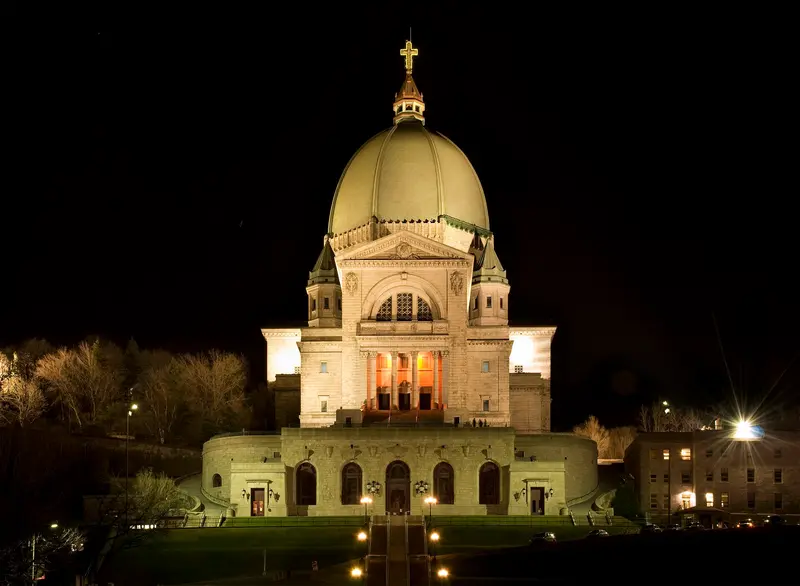
    The St. Joseph's Oratory in Montreal is not only Canada's largest church, but also a globally significant pilgrimage destination. Here, you'll encounter impressive Renaissance Revival architecture, whose colossal dome is among the largest in the world. Its founding is attributed to Brother André Bessette, a humble doorkeeper to whom miraculous healing powers were ascribed. The site quickly developed into a center of piety and hope.Inside, you can explore the Crypt and the Votive Chapel, where countless crutches and thank-you notes tell the stories of pilgrims who sought solace and healing here. The upper Basilica impresses with its majestic size and spiritual atmosphere. From the observation deck, you can also enjoy a wide panoramic view over the city of Montreal and the surrounding landscape.Practical Tip: To avoid the crowds and experience the special tranquility of the place, an early morning or late afternoon visit is recommended. For an undisturbed photo of the impressive facade and the grand staircase, choose the early hours of the day.
    Open in Google Maps

    Musée des beaux-arts de Montréal

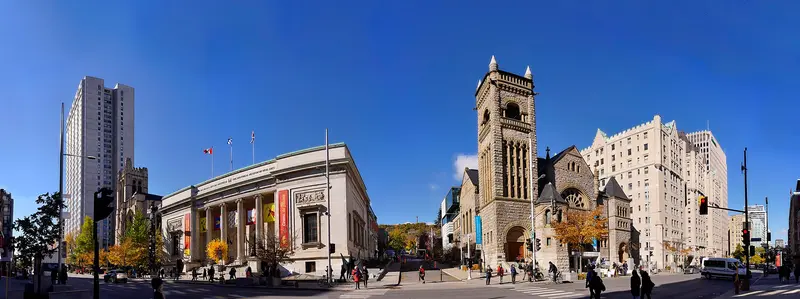
    The Musée des beaux-arts de Montréal is one of Canada's oldest and most significant art institutions. Founded in 1860, it houses an impressive collection spread across several pavilions, connected by underground passages. Here you'll find a wide array of artworks, from European masters and Canadian art to contemporary pieces and global art. Particularly noteworthy is the extensive Canadian art section, offering deep insight into the country's artistic development. The decorative arts and design collections are also remarkable. Plan ample time for your visit, as the exhibition space is considerable. Our Tip: To avoid the largest crowds, ideally visit the museum on a weekday morning. For a calmer viewing of the works, it's advisable to arrive early, before midday. The diversity of its exhibits makes it a cultural highlight in Montreal.
    Open in Google Maps

    Saint-Jean-Baptiste Catholic Church

    The Saint-Jean-Baptiste Catholic Church in Montreal is one of Canada's largest churches and an outstanding example of Neo-Baroque architecture. You'll find it in the heart of the Plateau Mont-Royal district. The current building was consecrated after a fire in 1898 and impresses with its monumental size and rich interior decoration. Upon entering, you'll discover a spacious interior with high vaulted ceilings, elaborate frescoes, and magnificent stained-glass windows depicting biblical scenes. Particularly noteworthy is the impressive Casavant organ, one of the country's largest and renowned for its acoustics. The church continues to serve as an active parish church and is an important cultural meeting point for Montreal's Francophone community. Our Tip: It's best to visit the church outside of service hours to fully appreciate the architecture at your leisure. Pay attention to the detailed carvings and the intricate embellishments of the main altar. For a good exterior shot, position yourself on the opposite side of the street to capture the entire facade and the dome.
    Open in Google Maps

    Food & Drink

    Montreal's historic and cultural identity

    Montreal, originally founded in 1642 as Ville-Marie by French settlers, is deeply rooted in its colonial past. The city quickly developed into a strategically important missionary outpost and a center for the fur trade in New France. Following the British conquest in 1760, Montreal surprisingly retained its French language and culture, making it a unique bilingual metropolis in North America.Montreal's architecture bears witness to this rich history, from the charming cobblestone streets and stone buildings of Vieux-Montréal to the impressive Neo-Gothic Notre-Dame Basilica. Alongside these, modern structures and the extensive underground city, the RÉSO, shape the cityscape and way of life. Culturally, Montreal stands out with a vibrant and diverse arts scene, manifesting in numerous museums, theaters, and internationally renowned festivals such as the International Jazz Festival, combining European elegance with North American dynamism.

    Locations nearby

    These places are nearby — perfect for additional days or a day trip.

    Vieux-Montréal (Old Montreal)

    Vieux-Montréal (Old Montreal)

    Montreal's historic heart enchants with cobblestone streets, magnificent 17th and 18th-century buildings, and the impressive Notre-Dame Basilica.
    Mauricie NP

    Mauricie NP

    Immerse yourself in the pristine wilderness of Mauricie National Park, a breathtaking natural paradise in the heart of Quebec. Here, rolling hills, dense forests, glistening lakes, and rushing rivers invite you to unforgettable adventures. This national park is the ideal place to escape the everyday and experience the impressive Canadian nature up close.
    Québec City

    Québec City

    Step into the enchanting atmosphere of Québec City, a place that will immediately captivate you with its undeniable European charm and rich history. As the only fortified city north of Mexico in North America, it offers a unique blend of French culture and North American hospitality that you won't find anywhere else.
    Baie-Saint-Paul

    Baie-Saint-Paul

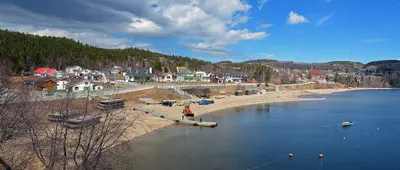
    Baie-Saint-Paul, idyllically situated in Québec's UNESCO Charlevoix Biosphere Reserve, is widely known as one of Canada's most significant art towns. Along the charming Rue Saint-Jean-Baptiste, you'll find an impressive concentration of art galleries, studios, and boutiques celebrating the city's rich artistic heritage. Its picturesque location on the Saint Lawrence River and the surrounding nature served early on as inspiration for famous Canadian landscape painters. Beyond the art scene, the town offers excellent regional cuisine; discover local cheeses and artisanal cider. Late summer or early autumn, with its vibrant colors, is the ideal time to visit for exploring the galleries and the scenic landscape.
    Charlevoix

    Charlevoix

    The Charlevoix region in Québec is a breathtaking natural wonder, known for its dramatic landscapes shaped by an ancient meteorite impact, and as a UNESCO Biosphere Reserve. Along the majestic St. Lawrence River, it offers a unique blend of picturesque coastal towns, impressive fjords, and a vibrant arts and culinary scene.