Fernweh
    ExploreTravel GuidesMy Trips
    de|en
    About FernwehImprintFAQPrivacy Policy
    ExploreTravel GuidesMy Trips
    Newfoundland and Labrador

    Newfoundland and Labrador

    Region
    1. Home
    2. Destinations
    3. Canada
    4. Newfoundland and Labrador
    Newfoundland and Labrador, Canada's easternmost province, beckons with a rugged, untouched beauty that is unparalleled. Here, dramatic coastal landscapes meet a rich history, from ancient Viking sites to charming fishing villages, and offer unparalleled encounters with icebergs and whales.
    • Overview
    • Places in the region
    • Eat & drink
    • Culture
    • Nearby
    • Overview
    • Places in the region
    • Eat & drink
    • Culture
    • Nearby
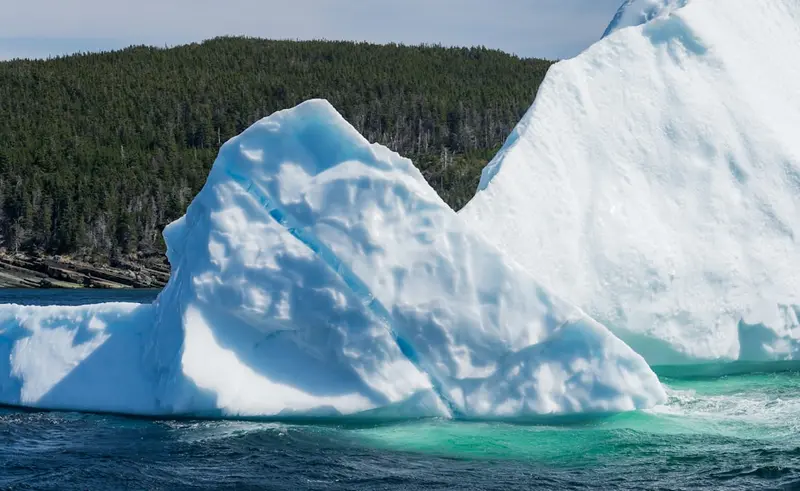
    Newfoundland and Labrador, Canada's easternmost province, welcomes you with rugged, unspoiled nature characterized by dramatic coastal landscapes. Here you'll discover a deeply rooted maritime culture and a history stretching back to the Vikings at L'Anse aux Meadows. Gros Morne National Park, a UNESCO World Heritage site, impresses with its fjords and mountainous landscapes, while the colorful houses of St. John's offer a vibrant atmosphere. Between May and July, you have the best chances to spot majestic icebergs along the coast and observe whales feeding in the nutrient-rich waters. Explore the picturesque coastal roads and small fishing villages to experience authentic island life.

    Places in Newfoundland and Labrador

    St. John's

    St. John's

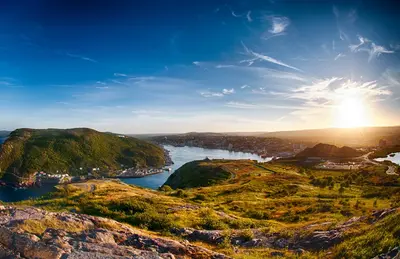
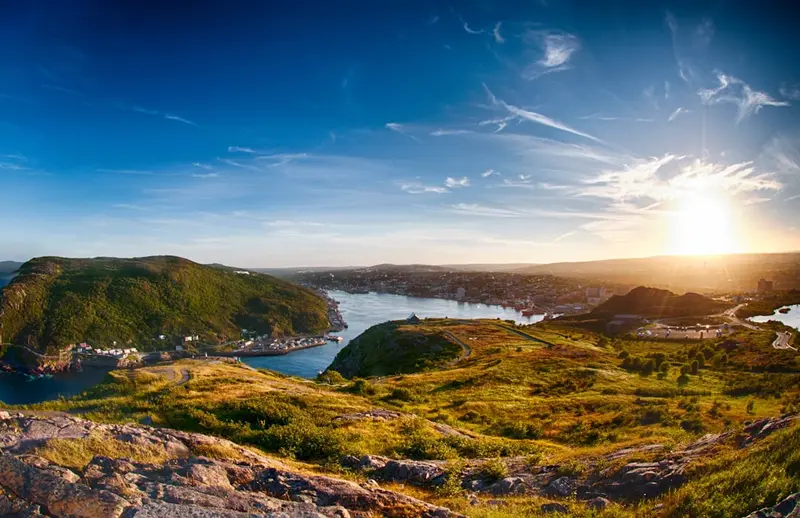
    The harbour city of St. John's, the capital of Newfoundland and Labrador, welcomes you with a unique blend of maritime history and vibrant culture. Here you'll find North America's oldest English settlement, its charm reflected in the colourful houses of "Jellybean Row". Visit the Signal Hill National Historic Site, from where Guglielmo Marconi received the first transatlantic radio signal, and enjoy panoramic views over the city and the sea. The cultural centre The Rooms offers insights into regional history and art. For an authentic experience of the former fishing village, a trip to Quidi Vidi is recommended. The best time to visit is summer, to avoid the often foggy days and experience the festivals.

    Sights in Newfoundland and Labrador

    Discover the most important sights and attractions

    Grand Concourse Authority

    The Grand Concourse Authority in Newfoundland and Labrador manages an impressive network of over 125 kilometers of multi-use trails that crisscrosses the St. John's metropolitan area. This system holds significant cultural and urban planning importance, as it provides residents and visitors alike with access to natural spaces and historic sites. Here you'll find a variety of landscapes, from urban waterfront promenades to tranquil forest paths and picturesque lakes. The meticulously maintained trails connect parks, ponds, and neighborhoods, promote active recreation and offer unique perspectives on the city and its surroundings. Our Tip: Explore the section along Quidi Vidi Lake for picturesque views of the historic fishing village and the lake. To avoid crowds and enjoy the tranquility, an early morning or late afternoon visit is recommended.
    Open in Google Maps

    Peter Lewis Gallery

    The Peter Lewis Gallery in St. John's is an established fixture in the art scene of Newfoundland and Labrador, primarily presenting the works of its namesake artist, Peter Lewis. Here you'll find an impressive collection of paintings and sculptures, which often reflect the rugged beauty and unique culture of the island. Peter Lewis is known for his vibrant landscapes and seascapes, which evocatively capture the region's maritime identity. The gallery offers an intimate insight into the artistic interpretation of Newfoundland's nature and way of life. In addition to Lewis's own works, pieces by other local and regional artists are regularly exhibited, providing you with a comprehensive overview of the contemporary art scene. Our tip: Take your time to discover the subtle details in the landscape paintings, which often capture Newfoundland's changing light conditions and dramatic coastline. For a tranquil experience, it's best to visit the gallery on weekday mornings to quietly appreciate the art and enjoy the atmosphere.
    Open in Google Maps

    Signal Hill

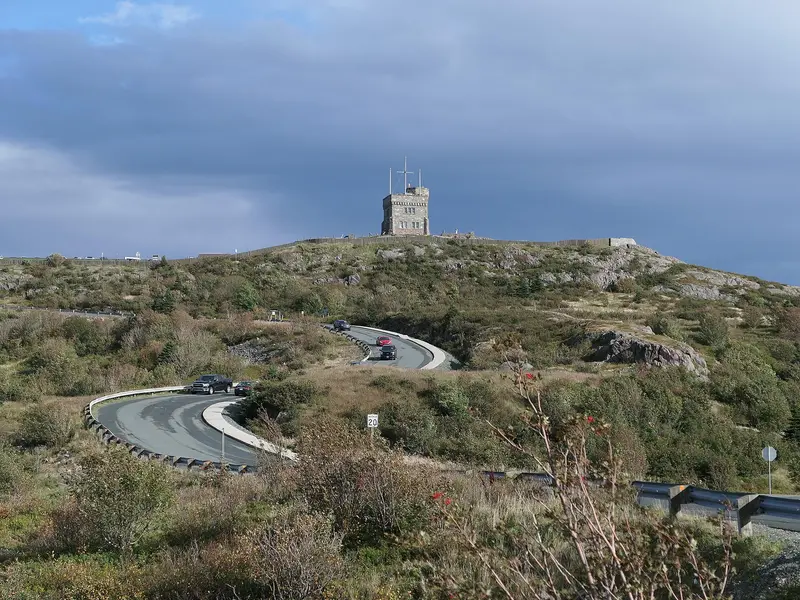
    Signal Hill in St. John's, Newfoundland and Labrador, is a place of significant historical importance. In 1762, it was the site of the final battle of the Seven Years' War in North America, securing the British victory over the French. Later, in 1901, Guglielmo Marconi received the first transatlantic wireless signal on this hill, a milestone in the history of telecommunications.When you visit Signal Hill, you'll find not only a journey into the past, but also spectacular views. From the hill's heights, enjoy unparalleled panoramic views of St. John's, its picturesque harbour, and the vast Atlantic. The iconic Cabot Tower, a monument to John Cabot and Queen Victoria, majestically crowns the summit, offering further vantage points. You can explore the various walking trails, including the challenging North Head Trail, which winds along the cliffs and provides breathtaking photo opportunities.Our Tip: Come in the early morning or late afternoon to avoid the crowds and capture the best light for photos. Also, keep an eye out for the ships entering and leaving the harbour through the narrow Narrows – a fascinating sight.
    Open in Google Maps

    Basilica Cathedral of St. John the Baptist

    The Basilica-Cathedral of St. John the Baptist in St. John's, Newfoundland and Labrador, is an outstanding example of Neo-Romanesque architecture and a National Historic Site of Canada. Its construction between 1841 and 1855 marked an important milestone for the region's Catholic community. Upon entering, you will be impressed by its majestic scale and detailed interior. The Cathedral features massive granite walls, two distinctive towers, and ornate stained-glass windows depicting biblical scenes. Inside, you will also find numerous statues and altars reflecting its rich religious history. The acoustics are remarkable and contribute to the solemn atmosphere. It serves not only as a place of worship but also as a cultural centre and a testament to Newfoundland's European settlement history. Its dominant location on a hill also offers expansive views over the city and harbour. Our Tip: Visit the Cathedral in the morning to capture the best light for photos of the stained-glass windows. To avoid crowds, a visit outside of main service hours is recommended. For an impressive exterior view and panoramic photos of the city, the best position is on Signal Hill.
    Open in Google Maps

    East Coast Trail Association

    The East Coast Trail Association manages and maintains one of North America's most outstanding coastal hiking trails on Newfoundland's Avalon Peninsula. This over 300-kilometer path connects 32 historic communities, offering deep insights into the region's unique natural and cultural landscape. Hike along dramatic cliffs, past majestic sea stacks, and through fjords that open up breathtaking views of the Atlantic. The route traverses boreal forests and barren headlands, where, with some luck, you might spot whales, icebergs (in early summer), and a variety of seabirds. The trail's significance lies not only in its scenic beauty but also in its role as a link between coastal communities and as a testament to the commitment to nature conservation. Practical Tip: Plan your visit between May and October for the best weather conditions and the highest chance of wildlife sightings. To avoid crowds, choose sections further from St. John's or start your hike early in the morning. Important Note: Sturdy footwear and weatherproof clothing are essential due to the changeable conditions.
    Open in Google Maps

    Food & Drink

    Historical Heritage and Culture of Newfoundland and Labrador

    The history of Newfoundland and Labrador is deeply rooted in its maritime origins. For millennia, the region was inhabited by Indigenous peoples such as the Beothuk, Mi'kmaq, and Inuit, before the Vikings founded the first European settlement in North America at L'Anse aux Meadows around 1000 AD. Following John Cabot's arrival in 1497, the era of European colonization began, transforming Newfoundland into a vital fishing hub and governing the territory as an independent Dominion until 1949, before it joined Canada.Architecturally, colorful wooden houses, particularly the famous "Jellybean Row" houses in St. John's, along with numerous lighthouses and simple fishing huts, characterize the coastal landscape. The local culture is rich in oral traditions, music, and dance, reflecting the rugged beauty and resilience of its inhabitants. Traditional festivals and customs, such as the Mummers' Play during the Christmas season, keep old traditions alive and emphasize the strong sense of community. This unique blend of Indigenous influences, European seafaring history, and island location has shaped an unmistakable identity that is expressed in every aspect of daily life.

    Locations nearby

    These places are nearby — perfect for additional days or a day trip.

    St. John's

    St. John's

    The harbour city of St. John's, the capital of Newfoundland and Labrador, welcomes you with a unique blend of maritime history and vibrant culture. Here you'll find North America's oldest English settlement, its charm reflected in the colourful houses of "Jellybean Row". Visit the Signal Hill National Historic Site, from where Guglielmo Marconi received the first transatlantic radio signal, and enjoy panoramic views over the city and the sea. The cultural centre The Rooms offers insights into regional history and art. For an authentic experience of the former fishing village, a trip to Quidi Vidi is recommended. The best time to visit is summer, to avoid the often foggy days and experience the festivals.
    Cape Breton

    Cape Breton

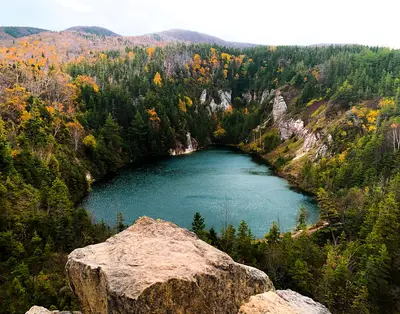
    Immerse yourself in the rugged beauty and warm Celtic culture of Cape Breton Island. This breathtaking island on Canada's east coast entices with majestic coastal drives, deep blue lakes, and a history rich with brave seafarers and traditional music. Discover a world where stunning natural experiences intertwine with a vibrant cultural landscape, making you feel instantly welcome.
    Ostküste (Points East Coastal Drive)

    Ostküste (Points East Coastal Drive)

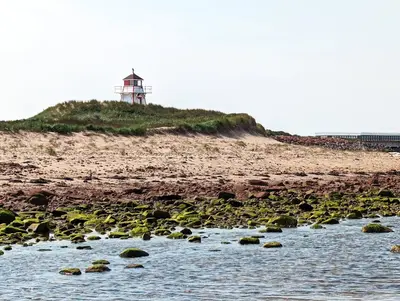
    Entdecke unberührte Strände, historische Leuchttürme und charmante Fischerdörfer entlang dieser ruhigen Route, die zu den versteckten Juwelen der Insel führt.
    Charlottetown

    Charlottetown

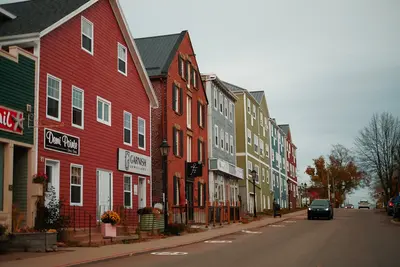
    Charlottetown, the capital of Prince Edward Island, is known as the birthplace of the Canadian Confederation. Here you'll find a charming blend of Victorian architecture and modern flair, especially in the historic city center. A visit to the Province House National Historic Site, where the Charlottetown Conference took place in 1864, offers deep insights into Canada's history. Along Peake's Wharf by the harbor, you can enjoy fresh seafood and experience the maritime ambiance. The city also serves as an ideal base for exploring the picturesque island and its coastal landscapes. For a relaxed exploration, a stroll through Victoria Row with its boutiques and cafés is recommended. The best time to visit is late spring or early autumn to enjoy the mild weather and avoid the summer tourist crowds.
    Prince Edward Island

    Prince Edward Island

    Welcome to Prince Edward Island, Canada's smallest province, a place that will immediately captivate you with its relaxed atmosphere and the breathtaking beauty of its red sand beaches. Immerse yourself in a world full of maritime traditions, culinary delights, especially fresh seafood, and experience the magic of the Anne of Green Gables stories that come alive here.