Fernweh
    ExploreTravel GuidesMy Trips
    de|en
    About FernwehImprintFAQPrivacy Policy
    ExploreTravel GuidesMy Trips
    Bako National Park

    Bako National Park

    City
    1. Home
    2. Destinations
    3. Malaysia
    4. Sarawak (Borneo)
    5. Bako National Park
    Sarawak's oldest national park is known for its unique wildlife, especially Proboscis monkeys, and a diverse landscape of beaches, mangroves, and rainforest.
    • Neighborhoods & highlights
    • Eat & drink
    • Culture
    • Getting around
    • Accommodation
    • Plan trip
    • Nearby
    • Neighborhoods & highlights
    • Eat & drink
    • Culture
    • Getting around
    • Accommodation
    • Plan trip
    • Nearby

    Overview

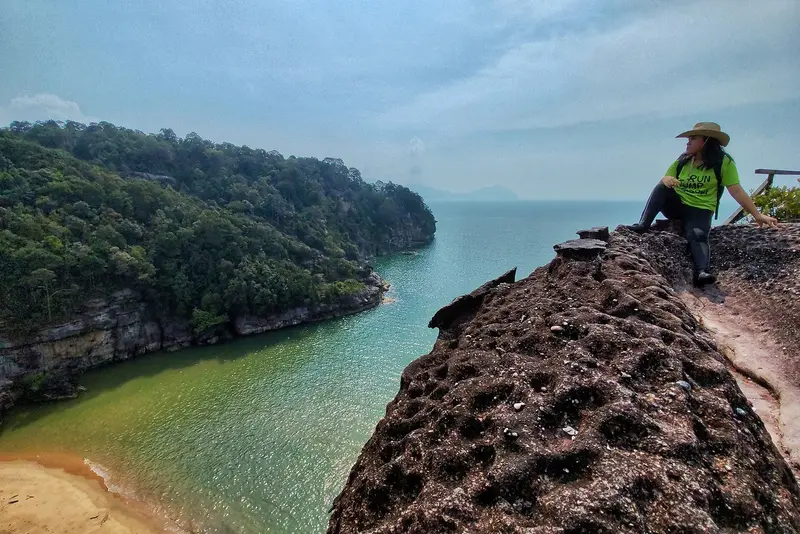
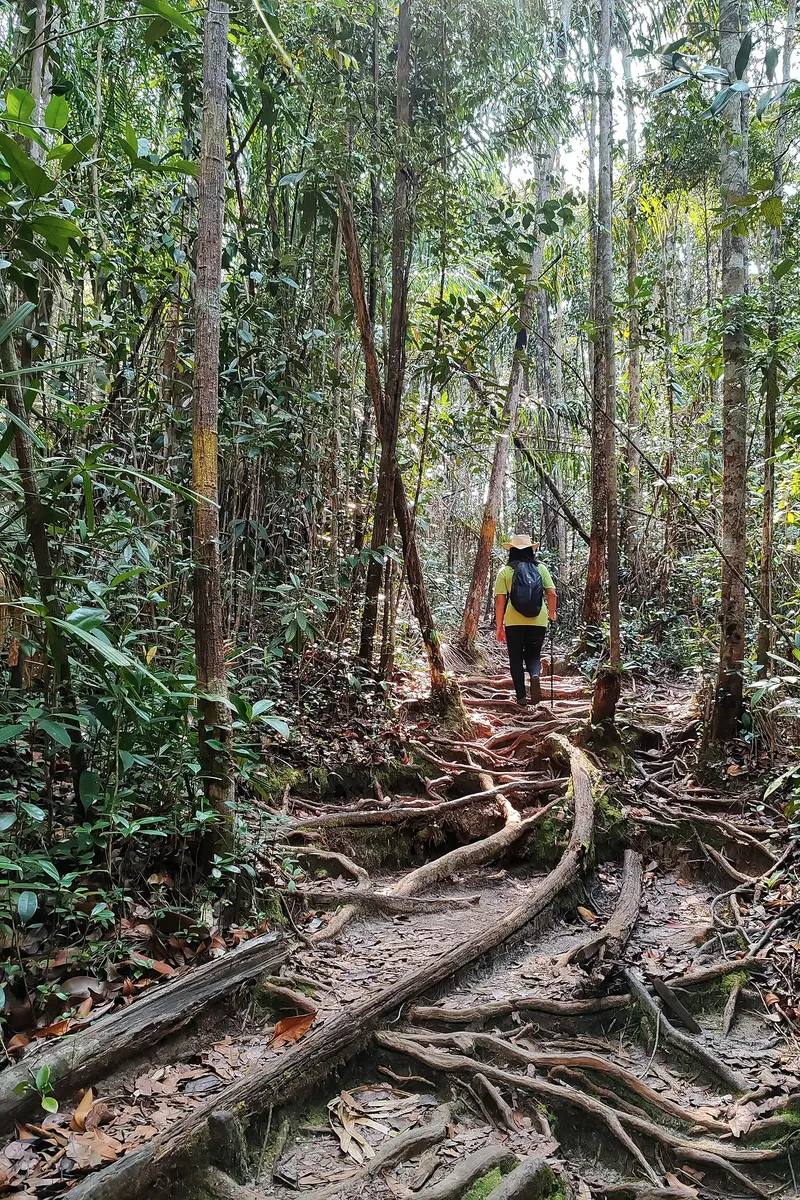
    Bako National Park in Sarawak, Malaysia's oldest national park, captivates with its exceptional biodiversity in a relatively small area. Here you'll find an impressive variety of ecosystems, from mangrove forests to sandstone plateaus, providing habitat for endemic proboscis monkeys, bearded pigs, and monitor lizards. Characteristic features include the distinctive sea cliffs, secluded coves, and the famous "Sea Stack" rock formation near Teluk Assam; carnivorous pitcher plants also thrive here. The extensive network of well-marked hiking trails allows you to explore these unique landscapes and their inhabitants. For the best chances of wildlife spotting, a visit in the early morning or late afternoon is recommended. Access is by boat from Bako Buntal; allow ample time and wear sturdy footwear for the sometimes challenging jungle trails.

    Places in Bako National Park

    Discover the most important sights and attractions
    Sights in Bako National Park

    Batu GT Lakei

    The Batu GT Lakei is one of the most distinctive natural formations in Bako National Park in Malaysia. This impressive sea stack, shaped by millennia of erosion by wind and sea, rises majestically from the water. Many visitors recognize its unique silhouette as the head of a cobra or a hooded figure, giving it its unmistakable character. You can best view this landmark from Teluk Assam or Teluk Paku beaches, or during a boat trip along the coast, which is often part of exploring the park. A practical tip: For the best photos and to clearly discern the details of the rock formation, plan your visit at low tide. The soft light of early morning or late afternoon makes the Batu GT Lakei appear particularly photogenic and avoids the harsh midday sun. It is an excellent example of the geological forces that shape Borneo's coastal landscape.
    Open in Google Maps

    Nationalpark Bako

    Bako National Park, Sarawak’s oldest national park, offers a unique glimpse into Borneo’s rich biodiversity. It’s only accessible by boat from Bako Bazaar, which is already part of the adventure. Here, seven different ecosystems await you, including mangrove forests, rainforest, and cliff vegetation, harboring an impressive array of flora and fauna. Bako is particularly known for its endemic proboscis monkeys, which you might spot in the trees with a bit of luck, as well as bearded pigs, monitor lizards, and numerous bird species. The striking sandstone cliffs and sea-sculpted rock formations, such as the famous Sea Lion Rock, define the coastal landscape and offer spectacular photo opportunities. Our tip: Plan your visit for early morning or late afternoon to have the best chance of spotting wildlife, as they are most active then. Wear sturdy footwear and bring plenty of water, as the hiking trails can be challenging.
    Open in Google Maps

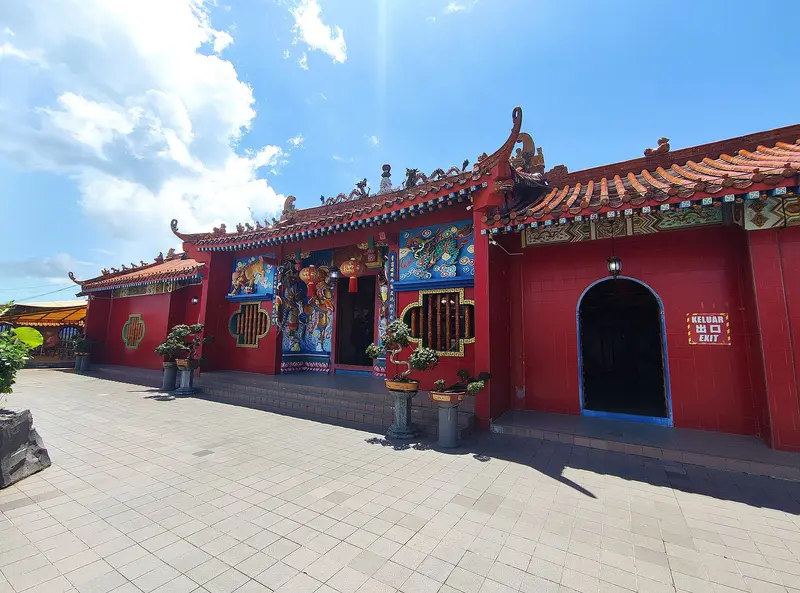
    Ching San Yan Temple 青山岩寺

    The Ching San Yan Temple 青山岩寺 is a remarkable cultural site near Bako National Park in Malaysia. This traditional Chinese temple serves as an important spiritual anchor point for the local Chinese community, testifying to their long presence in the region. Here you will find an oasis of tranquility, blending harmoniously into the lush tropical landscape. The temple's architecture is typically Chinese, often adorned with colourful embellishments, dragon motifs, and intricate carvings depicting Buddhist and Taoist deities. The peaceful atmosphere invites contemplation and offers an interesting contrast to the wild nature of the national park. A practical tip: The temple is often only accessible by boat, usually as a short detour from Bako National Park's jetty. It's best to plan your visit for the early morning hours to enjoy maximum tranquility and avoid the heat of the day. Ensure respectful attire, covering shoulders and knees, when entering the prayer halls.
    Open in Google Maps

    Qing Shan Temple 青山巖

    The Qing Shan Temple (青山巖) is a modest yet culturally significant Taoist temple, located not far from Bako National Park. For generations, it has served as a spiritual anchor point for the local Chinese community, especially fishermen. Here, prayers are offered for safe voyages and good catches, underscoring the temple's deep connection to the sea. You'll find a serene place of worship that blends harmoniously with its natural surroundings. The architecture is simple, yet the details of the altars and the wisps of incense create a meditative atmosphere that invites contemplation.From here, you often enjoy picturesque views of the South China Sea and the surrounding coastal landscape, making this a truly special experience. It offers an authentic insight into local religious practice. Our tip: Visit the temple ideally in the early morning or late afternoon to avoid the peak heat and experience the peaceful ambiance without many visitors. The sea view is especially captivating just before sunset. Please wear respectful clothing and behave quietly, as it is an active place of worship.
    Open in Google Maps

    Bako National Park Carpark and Boat Jetty

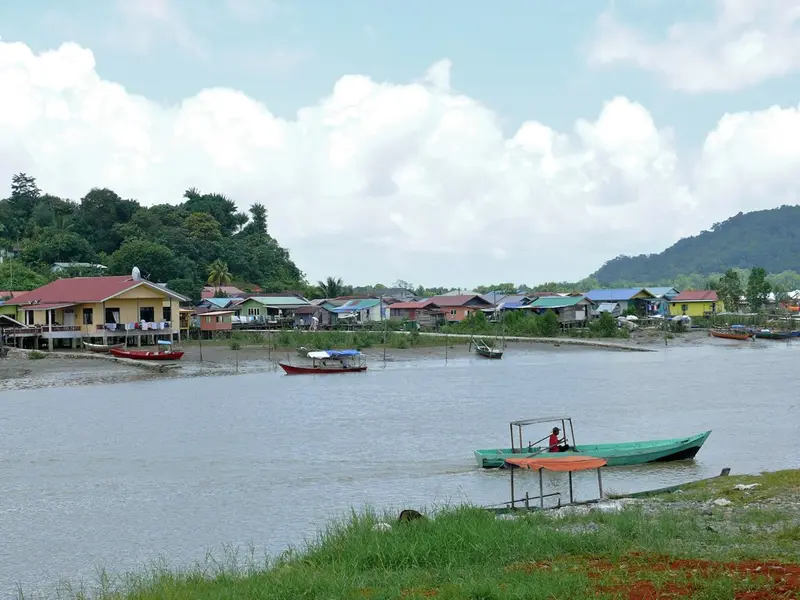
    The Bako National Park Carpark and Boat Jetty is the essential starting point for your adventure in Bako National Park, one of Sarawak's oldest and most biodiverse protected areas. Here you register for your visit and wait for the boats that will take you across the sea to the park headquarters. This functional facility is more than just a waiting area; it marks the transition from civilization into an untouched wilderness. Here you get your first impressions of the coastal landscape and the mangroves that surround the park. It's where your anticipation for Bako's unique flora and fauna, including the rare proboscis monkeys, begins. Our tip: To avoid long waiting times, especially during peak season, you should arrive early in the morning, ideally before 9 AM. Also, be aware of the tides, as they can affect boat trips. At low tide, the walk to the boat might be longer. Even here, keep an eye out for birds or small crabs in the mangroves.
    Open in Google Maps

    Essen & Trinken

    The History and Cultural Context

    Although Bako National Park is primarily known for its pristine nature and unique wildlife, its history as one of Sarawak's oldest protected areas reflects important aspects of regional culture and development. Founded in 1957, the park represents an early phase of modern nature conservation in Malaysia and showcases the growing appreciation for preserving Borneo's unique biodiversity. Before its establishment, the area was historically inhabited or utilized by indigenous communities whose ancient knowledge of the flora and fauna often correlates with today's conservation efforts.While there are no significant archaeological sites or traditional architecture within the park, the functional design of its facilities testifies to a pragmatic approach of making nature experiences accessible while minimizing the ecological footprint. The interaction between park staff and visitors often provides insights into Sarawak's multicultural society and its connection to nature. Bako thus serves as a living example of the balance between tourism, nature conservation, and respect for the region's rich cultural heritage.

    Getting Around Here

    Getting around Bako National Park is primarily limited to hiking and the mandatory boat trip, as it is a protected nature area, not a city. Urban transport like metro, buses, or trams does not exist here; instead, travellers reach the park from Bako Buntal Jetty by boat. From Kuching, one can easily get to the jetty using local buses or by taxi or ride-sharing services like Grab, whose apps are very useful for booking. Bicycles and e-scooters are not permitted or practical within the park due to the challenging jungle trails and for conservation reasons. The main attraction is exploring on foot along well-marked, though demanding, hiking trails of varying difficulty, making sturdy footwear essential. Early booking of the boat trip to the park headquarters is advisable to avoid waiting times and ensure a smooth experience. Remember that the park itself is completely pedestrian-friendly, as long as you stick to the designated paths.

    Accommodations in Bako National Park

    Accommodations in Bako National Park

    Find perfect stay in Bako National Park

    Booking.com
    Search Hotels
    Agoda
    Search Hotels
    Airbnb
    Vacation Rentals
    Hotels.com
    Hotels Worldwide
    Hostelworld
    Hostels

    Plan your trip to Bako National Park

    Save places, build a route and plan your city trip — all in one place.

    Save places

    Bookmark sights, restaurants and neighborhoods you're interested in.

    Build your route

    Turn your bookmarks into a route — define order, days and budget.

    Refine with AI

    Let Mein Fernweh suggest experiences and put together a tailored daily plan.

    Start trip planningOpen bookmarks

    Locations nearby

    These places are nearby — perfect for additional days or a day trip.

    Sarawak Cultural Village

    Sarawak Cultural Village

    This 'living museum' showcases the traditional houses and ways of life of the various indigenous peoples of Sarawak in a picturesque setting.
    Kuching

    Kuching

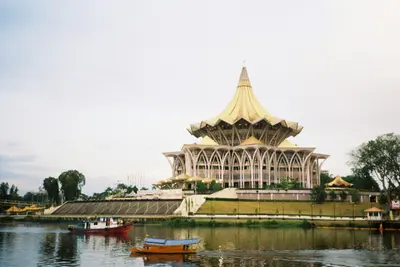
    Kuching, the capital of Sarawak on Borneo, captivates with its relaxed atmosphere by the Sarawak River and a rich cultural blend of colonial buildings, Chinese shophouses, and historic mosques. Along the picturesque waterfront, you'll find the Main Bazaar and the old courthouse; the Sarawak Museum offers insights into indigenous cultures. The 'Cat City' Kuching reflects the history of the White Rajahs and is a melting pot of diverse ethnicities. A trip to the nearby Semenggoh Wildlife Centre allows you to observe rescued orangutans. The dry season from March to October is ideal for a visit; an evening boat trip on the Sarawak River also offers a unique perspective on the city and its attractions.
    Sarawak (Borneo)

    Sarawak (Borneo)

    Sarawak, Malaysia's largest state on the island of Borneo, is a true paradise for adventurers and nature lovers. Discover untouched rainforest, spectacular caves, unique wildlife – including the famous orangutans and proboscis monkeys – as well as the fascinating culture of indigenous peoples in traditional longhouses.
    Semenggoh Wildlife Centre

    Semenggoh Wildlife Centre

    In this protected area, visitors can observe rescued orangutans in their semi-free environment and learn more about species conservation and rehabilitation.
    Batang Ai National Park

    Batang Ai National Park

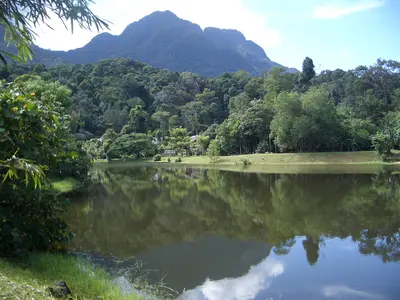
    Known for its impressive lake landscapes, lush rainforest, and the opportunity to visit traditional Iban longhouses and learn about their culture.