Fernweh: Home
    ExploreTravel GuidesPlan a tripMy tripLast visited
    de|en
    All Places & RegionsAll highlightsAbout FernwehFAQPrivacy PolicyImprint
    ExploreTravel GuidesPlan a tripMy tripLast visited
    • Overview
    • Places in the region
    • Food culture
    • Culture
    • Getting around
    • Round trips
    • Nearby
    Sarawak

    Malaysia

    Sarawak

    Region

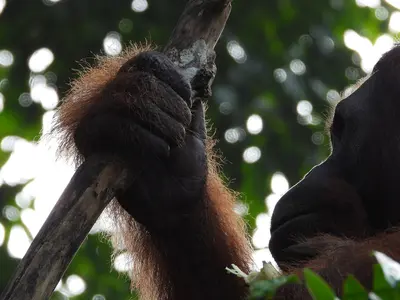
    Sarawak in western Borneo is Malaysia's largest state. Here you'll find the Mulu and Niah Caves (both UNESCO-listed), Bako National Park's proboscis monkeys, Semenggoh's semi-wild orangutans, and Iban longhouses.

    by Felix Gillen

    1. Home
    2. Destinations
    3. Malaysia
    4. Sarawak
    Sarawak in western Borneo is Malaysia's largest state. Here you'll find the Mulu and Niah Caves (both UNESCO-listed), Bako National Park's proboscis monkeys, Semenggoh's semi-wild orangutans, and Iban longhouses. The capital Kuching, on the Sarawak River, is the starting point.
    Most trips start in Kuching. From there, you can reach Bako, Semenggoh, and the Sarawak Cultural Village as day trips. The Batang Ai National Park, with its Iban longhouses, is about 250 kilometers to the east and is worth an overnight stay. The northern region around Miri is the gateway to Niah National Park and Gunung Mulu National Park, which you can practically only reach by plane. Distances are great, so plan four to five days for Kuching and its surroundings, and another three to four for Mulu and Miri.
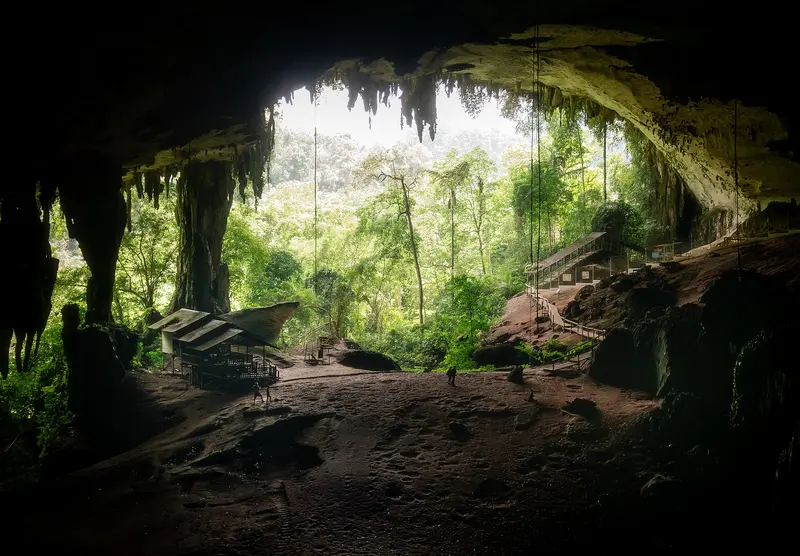
    Niah National Park
    Nur Nafis Naim / Wikimedia Commons / CC BY-SA 4.0

    Place 1 of 4

    Niah National Park

    The Niah National Park in northern Sarawak, between Miri and Bintulu, protects a limestone massif with one of Southeast Asia's most important archaeological sites and has been a UNESCO World Heritage site since 2024.

    Discover
    Miri

    Place 2 of 4

    Miri

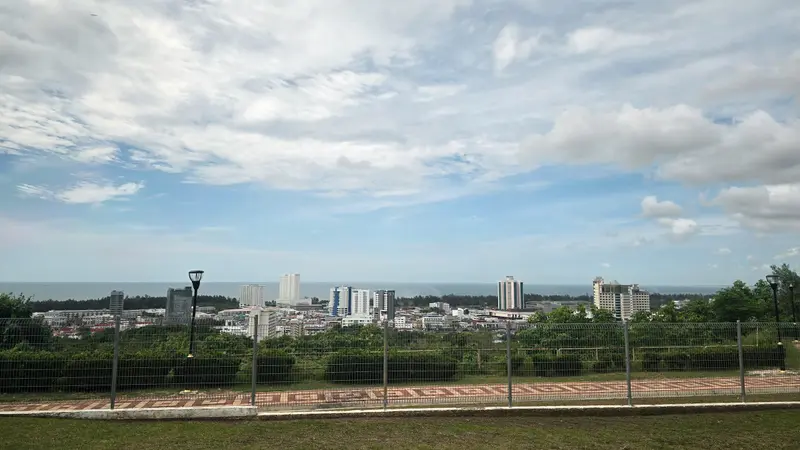
    Miri, Sarawak's second largest city, is located in the north of the state near the border with Brunei, and its rise was fueled by oil: Shell discovered the city's first oil well on Canada Hill in 1910.

    Discover
    Bako National Park
    Borneo mobilegrapher / Wikimedia Commons / CC BY-SA 4.0

    Place 3 of 4

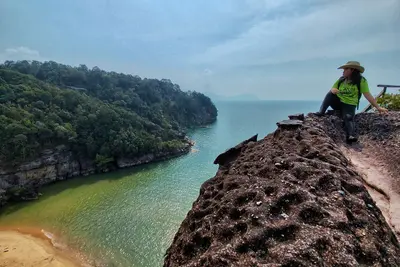
    Bako National Park

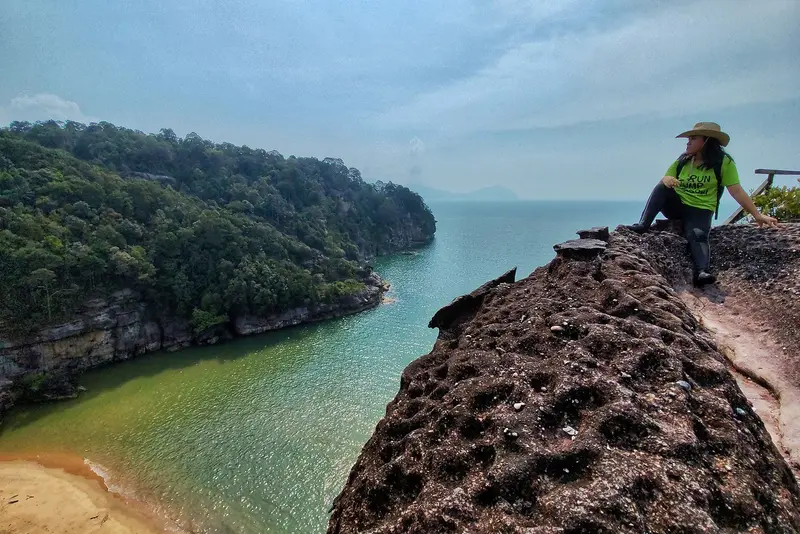
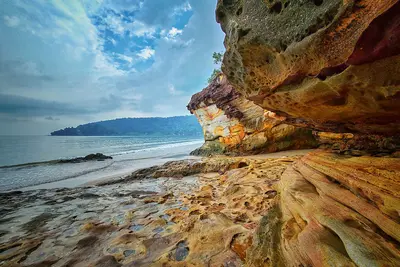
    The Bako National Park, at the tip of a peninsula north of Kuching, is Sarawak's oldest and a manageable 27 square kilometers.

    Discover
    Batang Ai National Park
    Song GK / Wikimedia Commons / CC BY 4.0

    Place 4 of 4

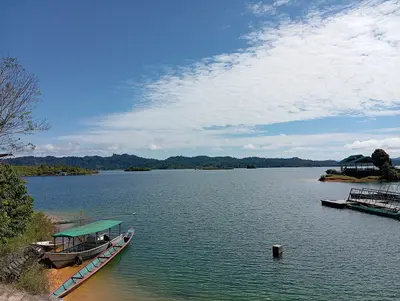
    Batang Ai National Park

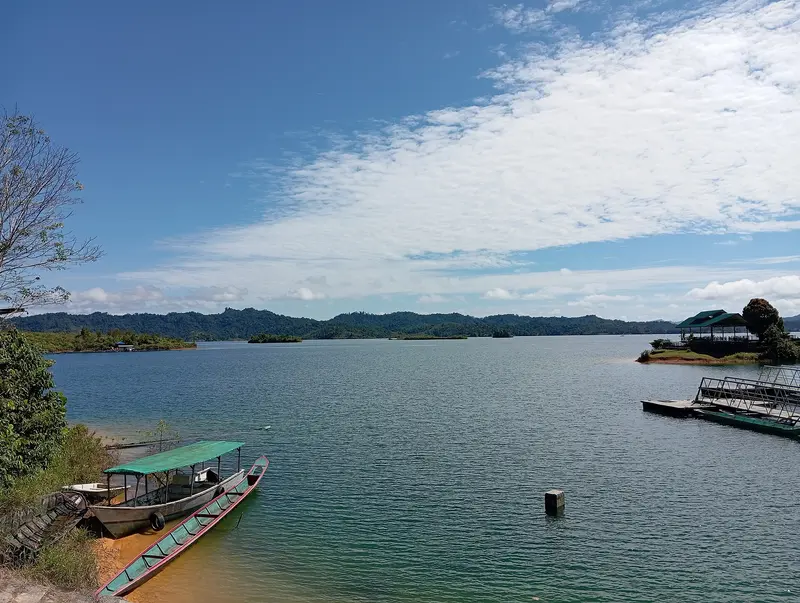
    The Batang Ai National Park is located approximately 250 kilometers east of Kuching, beside a large reservoir in the interior of Sarawak.

    Discover

    More places in Sarawak

    Kuching

    Kuching

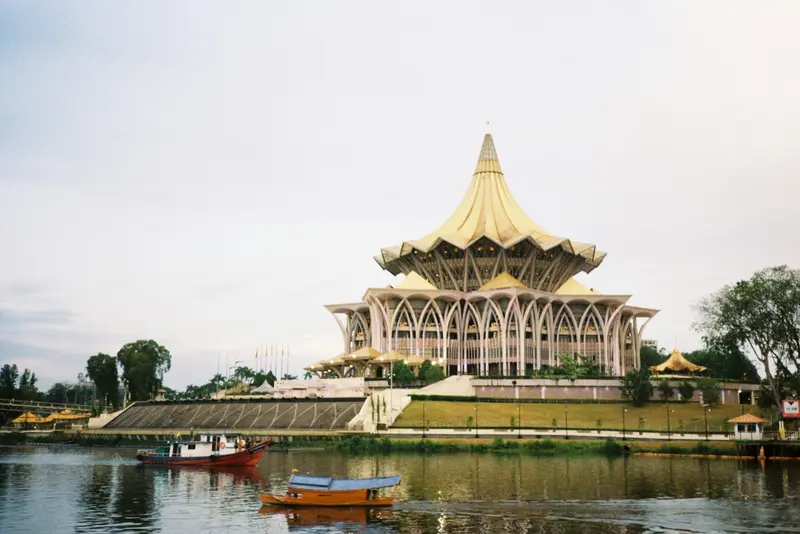
    Kuching, the capital of the Malaysian state of Sarawak in western Borneo, is a compact city on the Sarawak River, featuring buildings from the White Rajahs era, Chinese shop houses, and a long waterfront promenade. It is the best starting point for orangutans, proboscis monkeys, and the national parks in western Borneo.In the city: Waterfront, Main Bazaar, Borneo Cultures Museum, Fort MargheritaExcursions: Bako National Park, orangutans at Semenggoh Wildlife Centre, Sarawak Cultural VillageTravel time: year-round; most rain falls from November to February
    Mulu National Park

    Mulu National Park

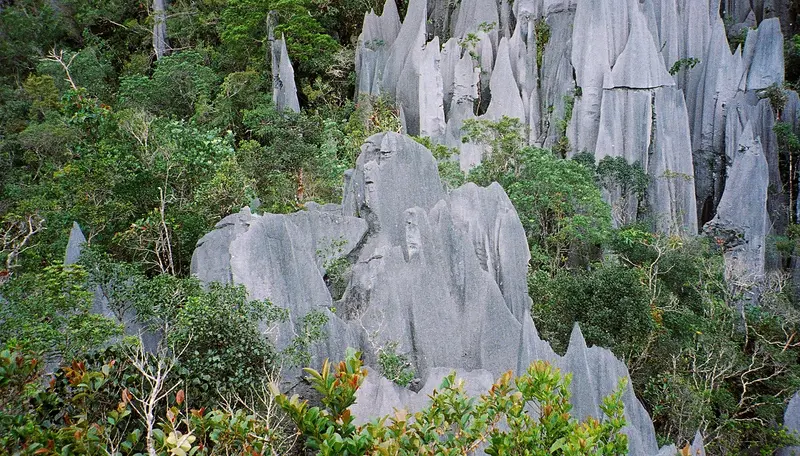
    The Gunung Mulu National Park in northern Sarawak, a half-hour flight from Miri, has been a UNESCO World Heritage site since 2000 and is one of the largest cave areas on Earth. Here await the enormous Deer Cave with its evening bat exodus, the Clearwater Cave System with over 200 kilometers of explored passages, and the jagged limestone peaks of the Pinnacles.The park also contains the Sarawak Chamber, one of the world's largest known cave chambers.Getting there: by plane from Miri, Kuching, or Kota Kinabalu or by boat; there are no roadsPlanning: Book accommodations and guides early, especially from June to SeptemberMoney: In Mulu, there is no bank and no ATM; bring cash in Ringgit with you
    Sarawak Cultural Village

    Sarawak Cultural Village

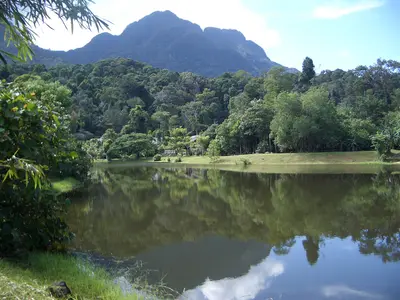
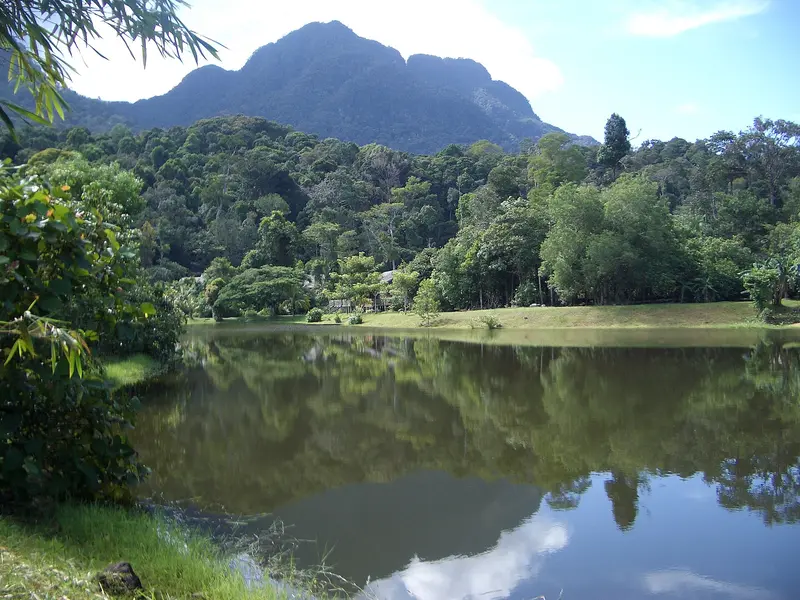
    The Sarawak Cultural Village, located at the foot of Gunung Santubong, approximately 35 kilometers north of Kuching, is an open-air museum featuring the traditional houses of Sarawak's main ethnic groups. Twice daily, there is a cultural show with music and dances.Cultural Show: usually at 11:30 AM and 4 PM, approx. 45 minutes; please check current times and admission prices beforehandFestival: The Rainforest World Music Festival takes place here at the end of June
    Semenggoh Wildlife Centre

    Semenggoh Wildlife Centre

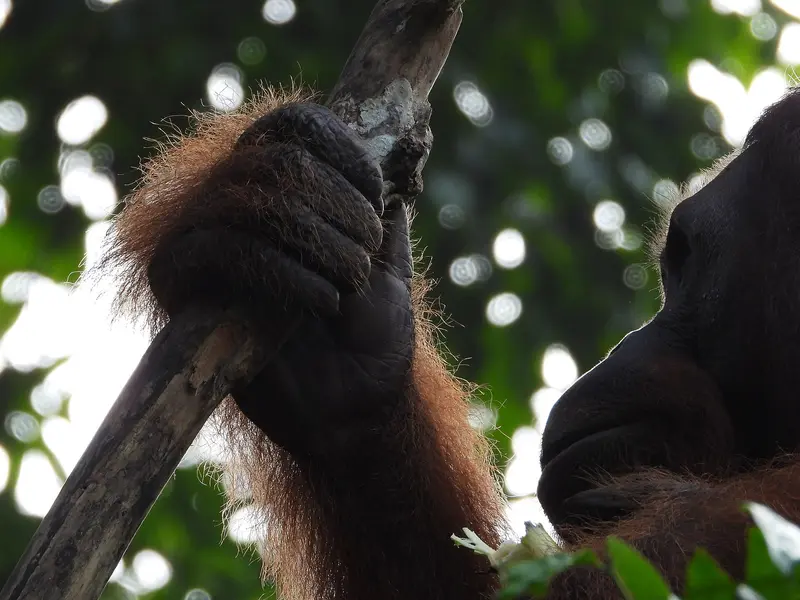
    At the Semenggoh Wildlife Centre, about 20 to 25 kilometers south of Kuching, rehabilitated orangutans roam freely in the reserve's forest. Twice daily, rangers offer fruit at a feeding platform; whether and how many animals visit is up to them.Feeding Times: mornings from 9 to 10 AM and afternoons from 3 PM for about half an hourAdmission: 10 RM for foreign adults, 5 RM for childrenNote: Sightings are not guaranteed, especially when the forest offers abundant food

    Food in Sarawak

    Sarawak Laksa

    Noodle soup with spicy paste, coconut milk, prawns and omelette strips. The typical breakfast in Kuching.

    Kolo Mee

    Dry egg noodles with pork, onion oil, and spring onions. Also available with chicken.

    Manok Pansoh

    Chicken with herbs, slow-cooked in a bamboo tube, an Iban dish.

    Midin

    Wild-growing fern from the jungle, usually stir-fried with garlic or shrimp paste.

    Kek Lapis

    Colorful layer cake in many patterns and flavors, a popular souvenir.

    White Rajahs and Longhouses

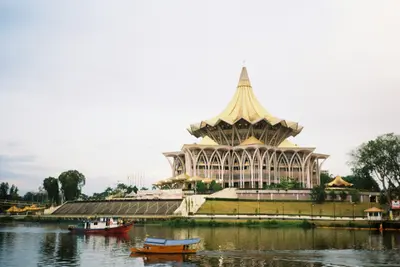
    From 1841 to 1946, the British Brooke family ruled Sarawak as the “White Rajahs”. Afterwards, the country became a British Crown Colony, joining Malaysia on September 16, 1963. Many buildings in Kuching date from the Brooke era, such as Fort Margherita and the Astana. To this day, Sarawak retains its own powers, including those concerning entry requirements.Sarawak is ethnically very diverse. The largest group are the Iban, making up almost 30 percent of the population, alongside Bidayuh, Melanau, the indigenous peoples of the interior who are collectively known as Orang Ulu, as well as Chinese and Malays. Many Iban still live in longhouses, where an entire village community resides under one roof. Gawai Dayak, the harvest festival of the Dayak, is celebrated on June 1st and 2nd.

    Traveling in Sarawak

    Flights and BusesKuching and Miri have airports with connections to Kuala Lumpur and Kota Kinabalu, among other destinations. Long-distance buses operate between the cities on the Pan-Borneo Highway, and journeys are lengthy. AirBorneo (formerly MASwings), a regional airline, flies to Mulu from Miri, Kuching, and Kota Kinabalu. Around Kuching, Grab, rental cars, or tours are the most practical options.Entry RequirementsSarawak conducts its own immigration control, even if you are arriving from another part of Malaysia. Have your passport ready.Entry, safety and health: For current information on entry requirements, safety and health, check the UK FCDO travel advice for Malaysia.
    Round trips through this region

    Borneo gentle & diverse

    Borneo gentle & diverse

    The route begins in Kuching, Sarawak, leading to the coastal Bako National Park. Next, a domestic flight of about an hour and a half takes you to Kota Kinabalu in Sabah, concluding on Gaya Island. You reach Bako from Kuching with Bus No. 1 in 45 to 60 minutes to the jetty, followed by a boat ride of approximately 20 minutes. Gaya Island is about 10 boat minutes from Kota Kinabalu.

    15 Days
    4 stops

    Nearby

    Kuching

    Kuching

    Kuching, the capital of the Malaysian state of Sarawak in western Borneo, is a compact city on the Sarawak River, featuring buildings from the White Rajahs era, Chinese shop houses, and a long waterfront promenade. It is the best starting point for orangutans, proboscis monkeys, and the national parks in western Borneo.In the city: Waterfront, Main Bazaar, Borneo Cultures Museum, Fort MargheritaExcursions: Bako National Park, orangutans at Semenggoh Wildlife Centre, Sarawak Cultural VillageTravel time: year-round; most rain falls from November to February
    Semenggoh Wildlife Centre

    Semenggoh Wildlife Centre

    At the Semenggoh Wildlife Centre, about 20 to 25 kilometers south of Kuching, rehabilitated orangutans roam freely in the reserve's forest. Twice daily, rangers offer fruit at a feeding platform; whether and how many animals visit is up to them.Feeding Times: mornings from 9 to 10 AM and afternoons from 3 PM for about half an hourAdmission: 10 RM for foreign adults, 5 RM for childrenNote: Sightings are not guaranteed, especially when the forest offers abundant food
    Bako National Park

    Bako National Park

    The Bako National Park, at the tip of a peninsula north of Kuching, is Sarawak's oldest and a manageable 27 square kilometers. On short hiking trails, you'll spot proboscis monkeys, bearded pigs, and pitcher plants; along the coast, sea-sculpted sandstone cliffs. All just over an hour's journey by bus and boat from Kuching.Tip: Most animals are active early mornings or late afternoonsEquipment: Sturdy shoes and at least two liters of water; paths can be steep and root-filledSwimming: Prohibited at beaches due to saltwater crocodiles and jellyfish
    Sarawak Cultural Village

    Sarawak Cultural Village

    The Sarawak Cultural Village, located at the foot of Gunung Santubong, approximately 35 kilometers north of Kuching, is an open-air museum featuring the traditional houses of Sarawak's main ethnic groups. Twice daily, there is a cultural show with music and dances.Cultural Show: usually at 11:30 AM and 4 PM, approx. 45 minutes; please check current times and admission prices beforehandFestival: The Rainforest World Music Festival takes place here at the end of June
    Batang Ai National Park

    Batang Ai National Park

    The Batang Ai National Park is located approximately 250 kilometers east of Kuching, beside a large reservoir in the interior of Sarawak. Orangutans, gibbons, and hornbills live in the rainforest, and around the lake, Iban live in longhouses, which you can visit on tours.Getting there: a long drive from Kuching to the reservoir, then onwards by longboatTip: Day trips and overnight stays in longhouses can be booked through local tour operators

    Sources & method

    • Photos: Unsplash. Each photo carries its credit.
    • The content is based on web research from public, traceable sources. How the content is made · The role of AI