Fernweh: Home
    ExploreTravel GuidesPlan a tripMy tripLast visited
    de|en
    All Places & RegionsAll highlightsAbout FernwehFAQPrivacy PolicyImprint
    ExploreTravel GuidesPlan a tripMy tripLast visited
    • Neighborhoods & highlights
    • Recommendations
    • Walking tours
    • Eat & drink
    • Food culture
    • Culture
    • Getting around
    • Accommodation
    • Plan trip
    • Nearby
    Kota Kinabalu
    Jason Thien / Wikimedia Commons / CC BY 2.0

    Malaysia

    Kota Kinabalu

    CityCulture

    Kota Kinabalu, or KK for short, is the capital of Sabah and for most, the starting point on Borneo.

    by Felix Gillen

    1. Home
    2. Destinations
    3. Malaysia
    4. Sabah
    5. Kota Kinabalu
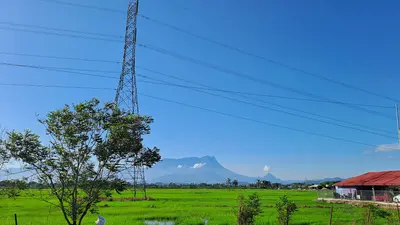
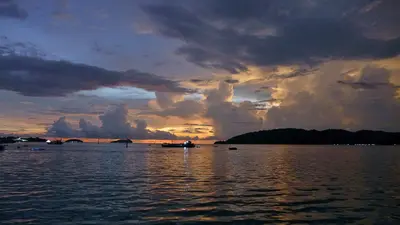
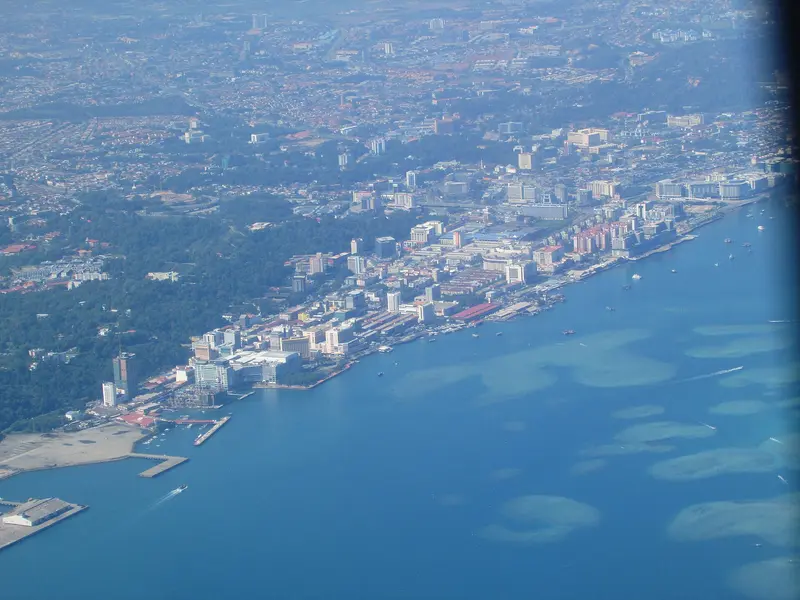
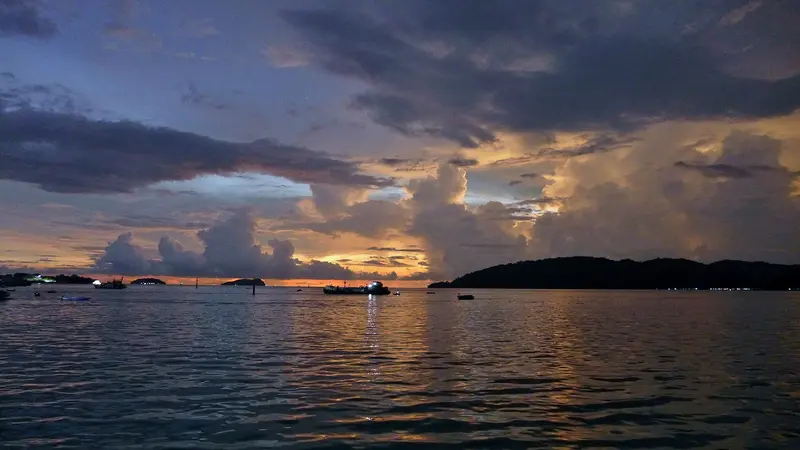
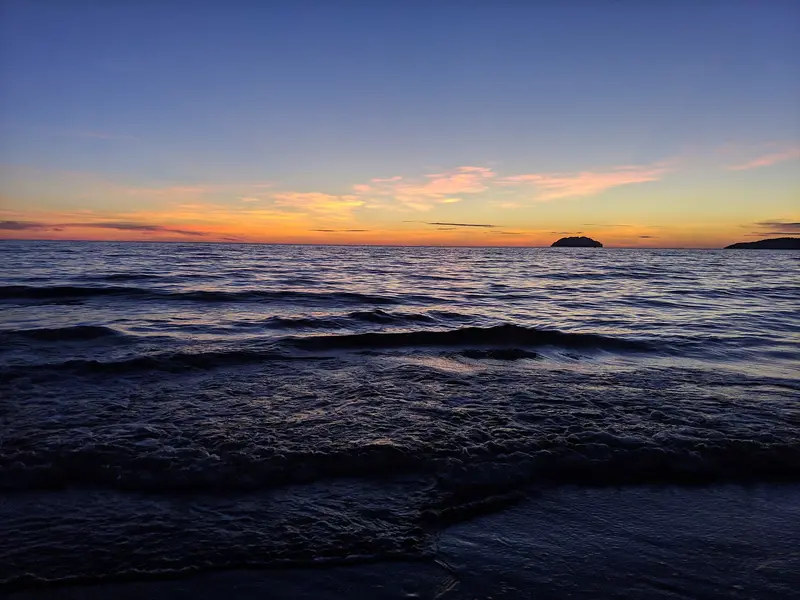
    Kota Kinabalu, or KK for short, is the capital of Sabah and for most, the starting point on Borneo. The city itself is more practical than beautiful, but conveniently located: Off the coast lie the islands of Tunku Abdul Rahman Park, and inland is Mount Kinabalu. Evenings, the waterfront night market with grilled fish is a must; on Sunday mornings, explore the Gaya Street market. For sunset, head to Tanjung Aru or climb Signal Hill.

    More districts in Kota Kinabalu

    Pulau Gaya

    Pulau Gaya

    Pulau Gaya is, at around 15 square kilometers, the largest of the five islands in Tunku Abdul Rahman Park and lies directly opposite Kota Kinabalu. A forested ridge, up to 300 meters high, stretches across the island, with bays featuring sandy beaches, mangroves, and coral reefs along its edges.Around 20 kilometers of marked trails lead through the forest, including a boardwalk through a mangrove swamp. For swimming and snorkeling, you head to Police Beach on the north side. You can stay overnight in three resorts. At the eastern tip, outside the park, are large stilt villages.

    Sights in Kota Kinabalu

    Discover the most important sights and attractions

    Masjid Bandaraya (City Mosque)

    1Masjid Bandaraya (City Mosque)

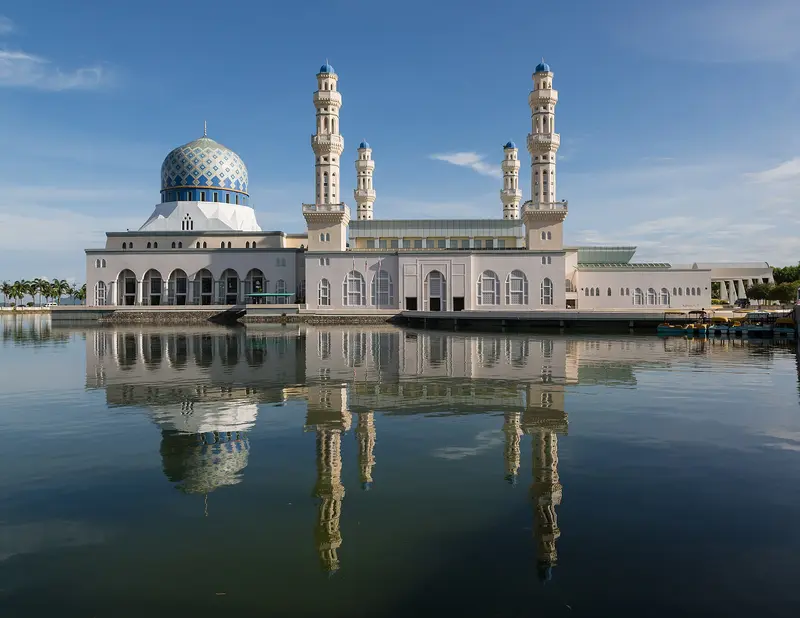
    The mosque in the Likas district stands on an artificial lagoon and seems to float on calm water. Its blue dome with golden ornaments is one of the city's landmarks. Outside of prayer times, visitors can tour the building for a small fee; robes are provided.
    Open in Google Maps
    Tanjung Aru

    2Tanjung Aru

    The long city beach south of the center is the evening gathering spot for sunset views over the islands of Tunku-Abdul-Rahman Park. Along the beach, stalls sell satay, grilled corn, and fresh coconuts. The water in the bay is often murky for swimming.
    Open in Google Maps
    Atkinson Clock Tower

    3Atkinson Clock Tower

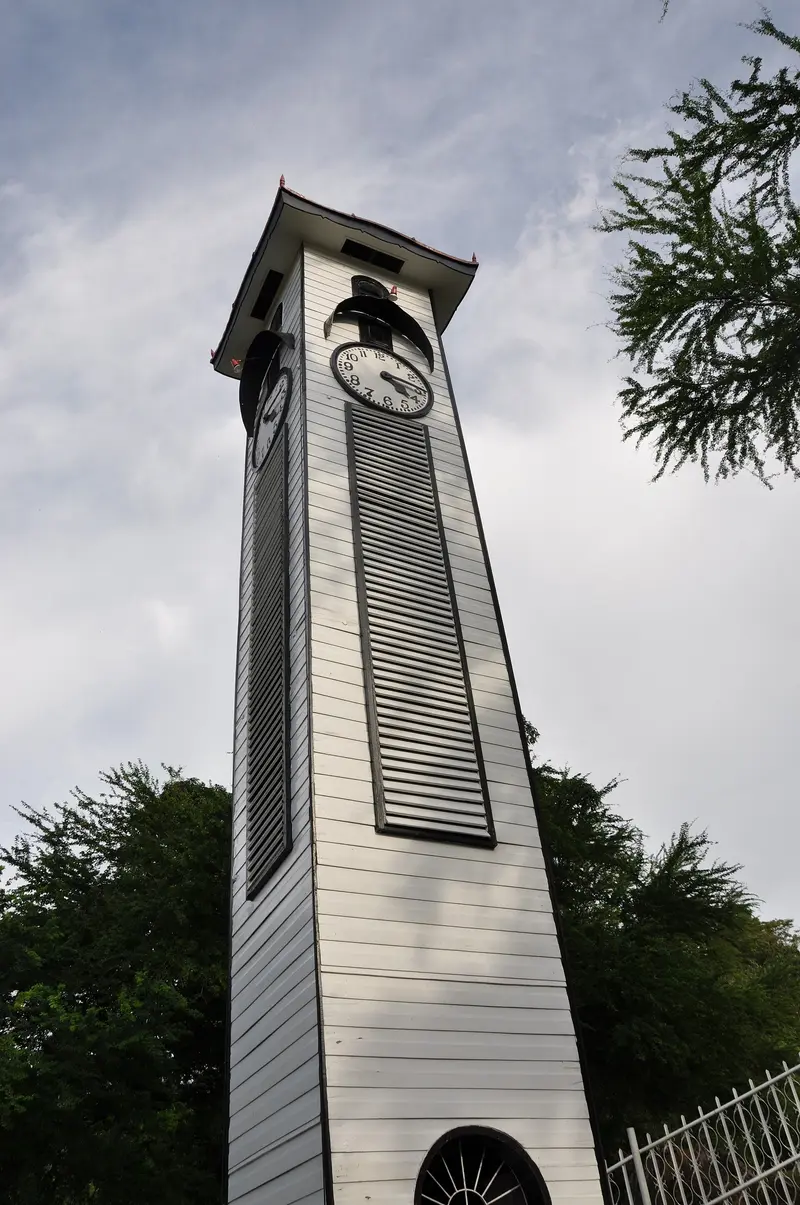
    The wooden clock tower on the slope above downtown was built by Mary Edith Atkinson in 1905 in memory of her son Francis George Atkinson, a Jesselton colonial administration officer. It is one of three buildings to survive the 1945 bombings.
    Open in Google Maps
    Jesselton Point

    4Jesselton Point

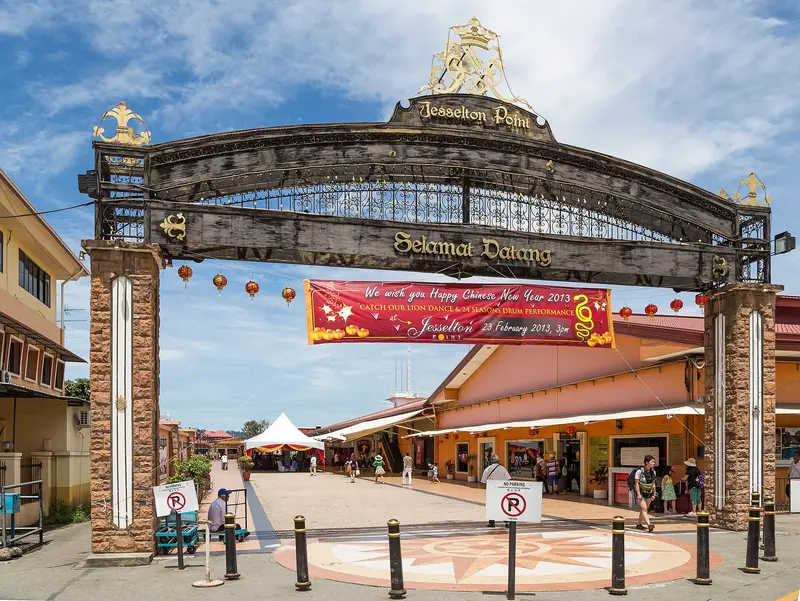
    From the ferry terminal at the north end of downtown, boats sail to Tunku Abdul Rahman Park islands like Manukan, Sapi, Mamutik, and Gaya. The crossing takes just minutes. Tickets are purchased at the terminal counters, and the park fee is charged additionally.
    Open in Google Maps
    Central Market

    5Central Market

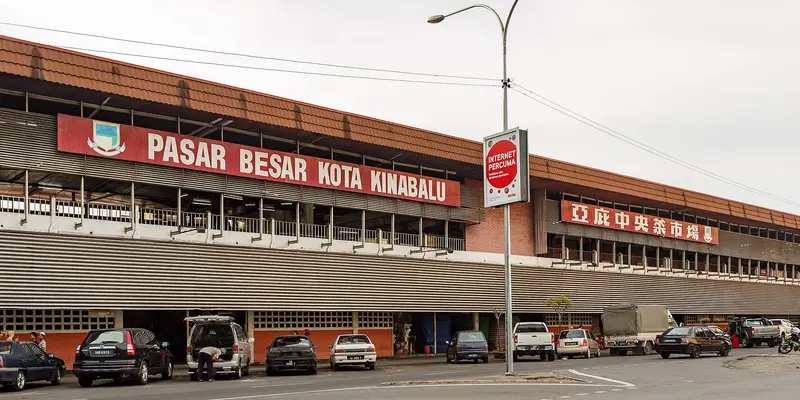
    The market on the waterfront road showcases what Sabah's coast and hinterland provide: fresh fish, crabs, tropical fruit, and dried seafood. It's liveliest in the morning. Right next door are the Handicraft Market and the evening Night Market.
    Open in Google Maps
    Handicraft Market (Filipino Market)

    6Handicraft Market (Filipino Market)

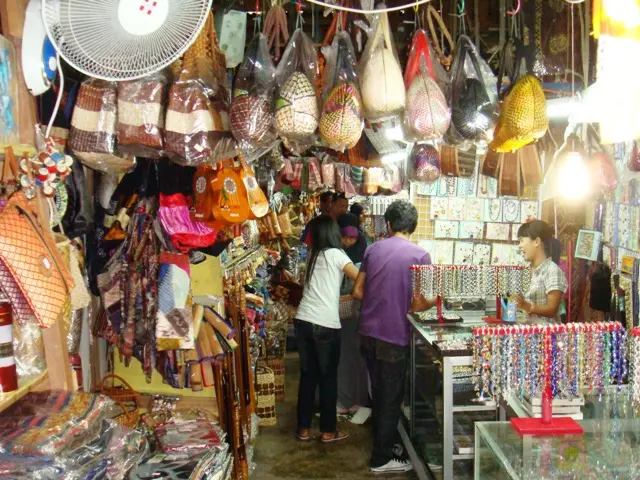
    In the narrow aisles of the market by the shore, vendors sell pearls, shells, basketry, batik, and souvenirs. Many stalls are run by families with Filipino roots, hence its second name. Bargaining is common; for pearls, a critical eye is recommended.
    Open in Google Maps

    City walks in Kota Kinabalu

    Curated walking tours through the city's highlights, handpicked by experienced travel journalists.

    KK on Foot: Discovering Pearls by the Sea

    Experience the unique charm of Kota Kinabalu on this 2-hour walk. Discover historic landmarks, vibrant markets and picturesque coastal views that reveal the soul of Sabah. A perfect overview of the capital.

    ~2 Std.
    Open in Google Maps
    Stops (7)

    Essen & Trinken

    1

    Yee Fung Laksa

    Cafe on Gaya Street and one of the city's most renowned Laksa spots. The Laksa is based on a recipe from Sarawak, which the owner has modified with his own spices. In 2021, Asia's 50 Best Restaurants included the eatery in its "Essence of Asia" selection. Also available are Claypot rice and Beef noodles. At lunchtime, a queue often forms.
    Show on Google Maps
    2

    Kedai Kopi Kim Hing Lee 生肉面 (Sang Nyuk Mee)

    Simple coffee house in the Sinsuran district, specializing in Sang Nyuk Mee: noodles with wafer-thin raw pork, cooked in hot broth, served with liver, offal, and meatballs, as soup or dry. Originally from Tawau, this dish is now a classic in Kota Kinabalu. Not halal.
    Show on Google Maps
    3

    Wiya Chicken Rice

    Simple eatery in the center for chicken rice: tender chicken, rice cooked in chicken broth, with chili and ginger. Quick, affordable, and good for a casual lunch.
    Show on Google Maps

    Food in Kota Kinabalu

    Sabah's cuisine is unique. Many dishes you'll only find here.

    Sang Nyuk Mee

    Noodles with thinly sliced raw pork, cooked in hot broth, served as soup or dry. Originally from Tawau, it's been a classic in KK's Chinese coffee shops since the late 1970s.

    Ngiu Chap

    Noodle soup with beef, tendons, tripe, and meatballs in a slow-cooked broth, a typical breakfast in Chinese coffee houses.

    Hinava

    Raw fish, usually mackerel, marinated in lime with chili, ginger, and shallots. A traditional Kadazan-Dusun dish.

    Tuaran Mee

    Crinkly egg noodles from neighboring Tuaran, fried and served with vegetables, BBQ pork, or egg-meat rolls.

    Fish off the Grill

    At the night market by the shore in Sinsuran, you choose fish, shrimp, or squid and have them grilled.

    Stories and People

    After an initial settlement on Pulau Gaya was destroyed in 1897, the British North Borneo Chartered Company founded Jesselton on the mainland in 1899, naming it after their Vice-President Sir Charles Jessel. Allied bombing raids almost completely destroyed the city in 1945; only three buildings remained standing. One of these is the Atkinson Clock Tower from 1905. In 1967, the state parliament decided to rename the city Kota Kinabalu, after Mount Kinabalu.KK is home to Kadazan-Dusun, Bajau, Murut, Chinese, Malay, and many immigrants from the Philippines. This diversity shapes its markets and cuisine. In late May, the Kadazan-Dusun celebrate Kaamatan, the harvest festival, with dances, traditional costumes, and rice wine. You can see traditional homes of these ethnic groups in the open-air section of the Sabah Museum.

    Getting Around Kota Kinabalu

    In townThe centre is small: the waterfront, Gaya Street, the markets and Jesselton Point are close together and easy to walk. For everything else, Grab is the simplest option, with fixed prices up front. Taxis are available too; agree the fare beforehand.Islands and surroundingsBoats to the islands of Tunku Abdul Rahman Park leave from Jesselton Point, where you buy tickets at the terminal. Regular ferries to Labuan also depart from there. For trips to Kinabalu Park or Kota Belud, a rental car or tour is worthwhile. The Sabah State Railway links Tanjung Aru with Beaufort and Tenom.Long-distance busesBuses to Ranau, Sandakan, Lahad Datu, Tawau and Semporna leave from the North Kota Kinabalu Bus Terminal in Inanam, and buses heading south from KK Sentral. Before planning any trip to Sabah's east coast, check the UK FCDO travel advice, which covers eastern Sabah specifically.

    Accommodations in Kota Kinabalu

    Find perfect stay in Kota Kinabalu

    Booking.com* (Affiliate link)
    Search Hotels
    Agoda* (Affiliate link)
    Search Hotels
    Airbnb
    Vacation Rentals

    * Affiliate link: if you book through it, we earn a small commission. The price stays the same for you.

    Plan your trip to Kota Kinabalu

    Save places, build a route and plan your city trip, all in one place.

    1. 1
      Sunrise over alpine peaks and a sea of clouds
      1234

      Round trip

      12 days · 4 stops

      Saved

      Pick a route

      Pick a ready-made one or save places and plan your own.

      Open bookmarks
    2. 2

      Trip to Kota Kinabalu

      Live
      • 1Masjid Bandaraya (City Mosque)3 days
      • 2Tanjung Aru4 days
      • 3Atkinson Clock Tower5 days
      Budget

      Plan your trip

      The planner sorts stops, days and budget. Plan together in real time.

      Start trip planning
    3. 3
      9:41 No signal
      Kota Kinabalu
      Available offline

      Use it on the road

      Download the guide to your phone and use it on site, even offline.

    Nearby

    Sabah

    Sabah

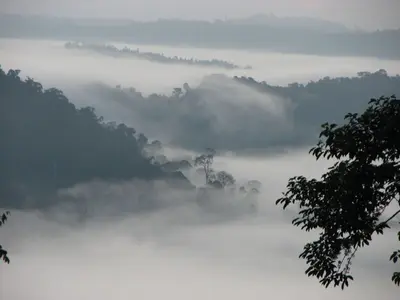
    Sabah in northern Borneo is Malaysia's nature destination. In the west you can climb Mount Kinabalu, snorkel off Kota Kinabalu and hike the island forest of Pulau Gaya. The well-known wildlife areas of Sepilok, the Kinabatangan and Danum Valley, as well as the dive sites off Semporna, lie on the east coast, which is covered specifically by official travel advice. Kota Kinabalu is the starting point, with onward travel by bus or domestic flight.
    Pulau Gaya

    Pulau Gaya

    Pulau Gaya is, at around 15 square kilometers, the largest of the five islands in Tunku Abdul Rahman Park and lies directly opposite Kota Kinabalu. A forested ridge, up to 300 meters high, stretches across the island, with bays featuring sandy beaches, mangroves, and coral reefs along its edges.Around 20 kilometers of marked trails lead through the forest, including a boardwalk through a mangrove swamp. For swimming and snorkeling, you head to Police Beach on the north side. You can stay overnight in three resorts. At the eastern tip, outside the park, are large stilt villages.
    Kinabalu National Park

    Kinabalu National Park

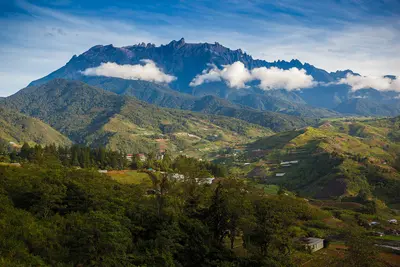
    Kinabalu National Park in Sabah in northern Borneo protects the 4,095-meter-high Mount Kinabalu, the highest mountain in Malaysia. You come for the two-day summit climb to the sunrise or for the montane forests, which have been protected by UNESCO since 2000 as Malaysia's first World Heritage Site.On the way up, the vegetation changes from rainforest through cloud forest with pitcher plants and orchids to the bare granite dome. Even without the summit, the forest trails at the headquarters, the hot springs of Poring and the cool mountain village of Kundasang are worth it.
    Sepilok Orangutan Rehabilitation Centre

    Sepilok Orangutan Rehabilitation Centre

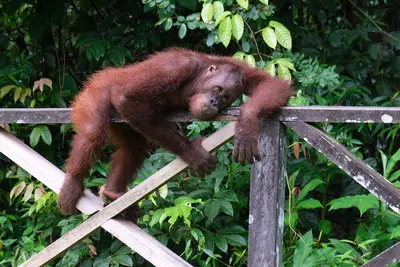
    At the Sepilok Orangutan Rehabilitation Centre near Sandakan on the east coast of Sabah in northern Borneo, orphaned orangutans have been prepared for a life in the rainforest since 1964. During feeding times you can watch the great apes from just a few metres away, in a protected forest rather than a zoo.Sepilok lies near Sandakan on Sabah's east coast. Before any planning, check the UK FCDO travel advice, which covers eastern Sabah specifically.Right next door is the Bornean Sun Bear Conservation Centre for rescued sun bears, and a few minutes away the Rainforest Discovery Centre with its canopy walkway.
    Danum Valley Conservation Area

    Danum Valley Conservation Area

    Danum Valley in eastern Sabah protects around 438 square kilometres of largely undisturbed lowland rainforest with towering dipterocarps. On guided walks and night excursions you may see orangutans, gibbons, hornbills and, with luck, Bornean pygmy elephants.Danum Valley is reached via Lahad Datu on Sabah's east coast. Before any planning, check the UK FCDO travel advice, which covers eastern Sabah specifically.In 2019 Menara was discovered here, a yellow meranti of almost 98 metres that is considered the tallest known tropical tree in the world.

    Sources & method

    • Photos: Wikimedia Commons, Google Maps. Each photo carries its credit.
    • Place data such as addresses and ratings comes from Google Maps.
    • The content is based on web research from public, traceable sources. How the content is made · The role of AI