Fernweh: Home
    ExploreTravel GuidesPlan a tripMy tripLast visited
    de|en
    All Places & RegionsAll highlightsAbout FernwehFAQPrivacy PolicyImprint
    ExploreTravel GuidesPlan a tripMy tripLast visited
    Portuguese Settlement
    Sharon Hahn Darlin / Wikimedia Commons / CC BY 2.0

    Malaysia

    Portuguese Settlement

    Point of InterestCulture

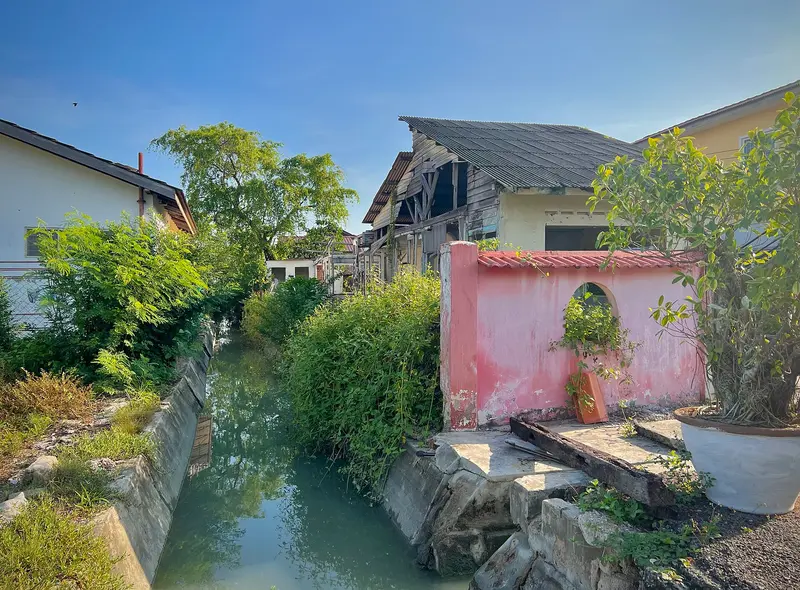
    In the **Portuguese Settlement**, known in Malay as Kampung Portugis, live the descendants of Portuguese sailors and local women. Some residents still speak Kristang, a Portuguese-influenced Creole language.

    by Felix Gillen

    1. Home
    2. Destinations
    3. Malaysia
    4. Melaka
    5. Portuguese Settlement
    In the **Portuguese Settlement**, known in Malay as Kampung Portugis, live the descendants of Portuguese sailors and local women. Some residents still speak Kristang, a Portuguese-influenced Creole language.The district is located a few kilometers southeast of the Old Town, in the Ujong Pasir area by the sea. It is quiet during the day; in the evenings and on weekends, the eateries on Medan Portugis fill up, serving seafood and Kari Debal.

    Sehenswürdigkeiten

    Discover the most important sights and attractions
    St John's Fort

    1St John's Fort

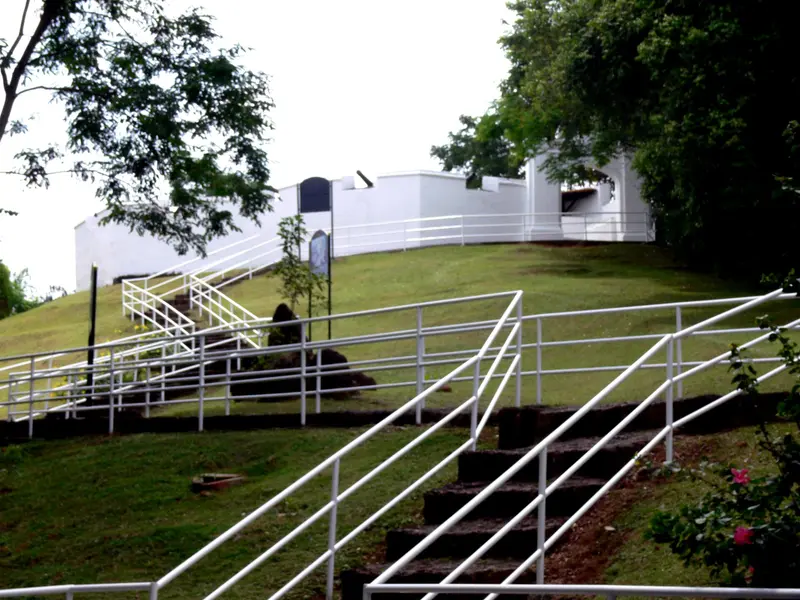
    The small fort from the colonial era lies on a low hill northwest of the settlement. Walls and gun positions are preserved. From above, you see over the city rooftops to the sea.
    Open in Google Maps
    Medan Portuguese
    Attraction

    2Medan Portuguese

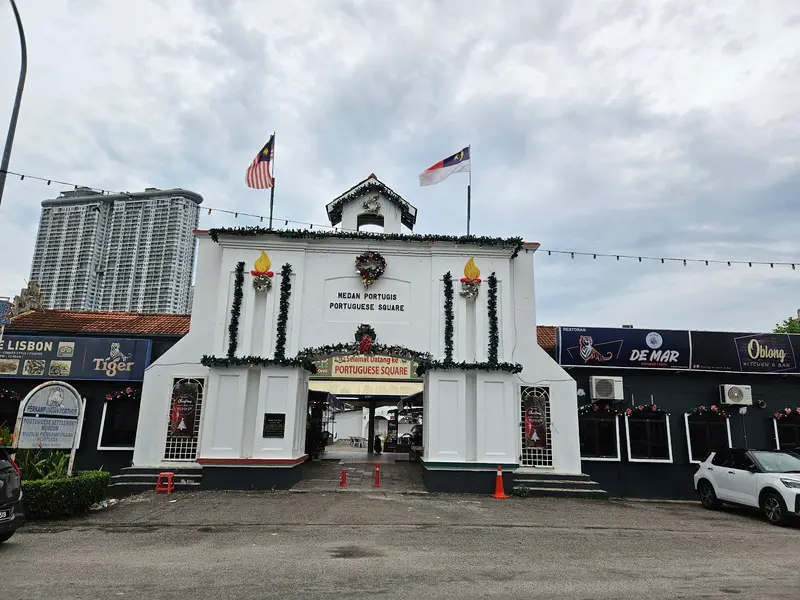
    Opened in 1985, the seaside square forms the settlement's hub. Locals run simple eateries here, offering seafood, Kari Debal, and grilled fish. From June 23-29, the community celebrates the festivals of San Juang and San Pedro, the fishermen's patron saint, with music, dance, and the blessing of decorated boats.
    Open in Google Maps

    Essen & Trinken

    1

    Portuguese Square Restaurant

    One of the eateries at Medan Portugis with open-air tables. The menu offers Kristang-Portuguese dishes such as Kari Debal, a spicy curry, and Ikan Bakar, served with shrimp and crabs. It's most beautiful at sunset.
    Show on Google Maps

    Kristang Culture

    The Kristang emerged after the Portuguese conquest of 1511 from unions between Portuguese men and local women. They are predominantly Catholic and have their own songs, Branyo music and dances, as well as their own cuisine.The spicy Kari Debal is well-known. Only parts of the community still speak the Kristang Creole language; there are efforts to revive it.

    Travel

    From the Old Town, the easiest way to reach the settlement in Ujong Pasir district is with Grab. For your return in the evening, it's best to order a car again.

    Accommodations in Portuguese Settlement

    Find perfect stay in Portuguese Settlement

    Booking.com* (Affiliate link)
    Search Hotels
    Agoda* (Affiliate link)
    Search Hotels
    Airbnb
    Vacation Rentals

    * Affiliate link: if you book through it, we earn a small commission. The price stays the same for you.
    Nearby

    St. Paul's Hill & A Famosa

    St. Paul's Hill & A Famosa

    The St. Paul's Hill, known in Malay as Bukit St. Paul, is the historical heart of Melaka. Around the hill, the Portuguese built their fort A Famosa after 1511. On its summit stands the ruin of St. Paul's Church, while at its foot are the Porta de Santiago gate and several museums.The ascent takes only a few minutes. From the top, you have a view over the rooftops of the old town.
    Dutch Square

    Dutch Square

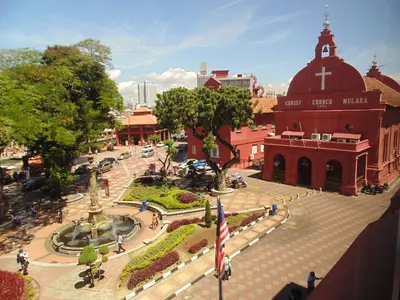
    The Dutch Square is the heart of Melaka's Old Town. Surrounding the square are the red-painted buildings from the Dutch era: the Stadthuys, formerly the governors' administrative seat, and the Christ Church from 1753. From the British period come the clock tower, built by merchant Tan Jiak Kim in 1886 in honor of his father Tan Beng Swee, and a fountain commemorating Queen Victoria.In front of the church, trishaws await, bicycle rickshaws adorned with plastic flowers, fairy lights, and loud music. Early in the morning, you'll have the square almost to yourself.
    Melaka

    Melaka

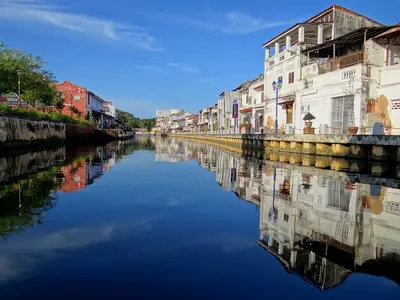
    Melaka was one of Asia's most important ports in the 15th century. Portuguese, Dutch, and British left their mark on the Old Town, while Chinese, Indian, and Malay communities built their temples, mosques, and kitchens. Since 2008, the Old Town, along with George Town, has been a UNESCO World Heritage site.The distances are short: From the red Dutch Square, you cross the river to Jonker Street or head up St. Paul's Hill. Two days are enough for the city; many visit as a day trip from Kuala Lumpur.
    Little India (Melaka)

    Little India (Melaka)

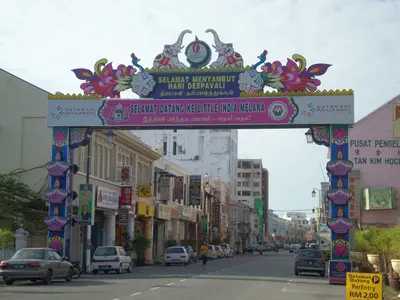
    Melaka's small Indian Quarter is located a few minutes' walk north of Dutch Square. In the shophouses, vendors sell saris, Punjabi suits, fabrics, and spices, interspersed with banana leaf restaurants. Not far away stands St. Peter's Church, dating from 1710.The quarter is smaller and quieter than Little India in Kuala Lumpur, but is well-suited for lunch away from the main tourist routes.
    Melaka River

    Melaka River

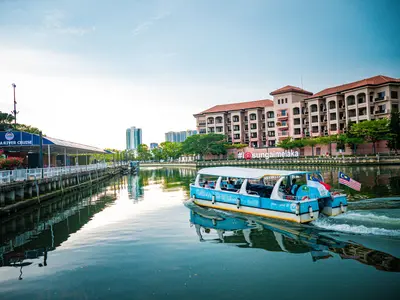
    The Melaka River was for centuries the lifeblood of the port city. Today, a riverside promenade passes restored warehouses, cafes, and large murals. At night, the banks are illuminated, and tour boats slowly cruise by.Upstream is the Malay village Kampung Morten with its wooden houses. You can easily explore the route on foot or by boat in one evening.

    Sources & method

    • Photos: Wikimedia Commons, Google Maps. Each photo carries its credit.
    • Place data such as addresses and ratings comes from Google Maps.
    • The content is based on web research from public, traceable sources. How the content is made · The role of AI