Fernweh: Home
    ExploreTravel GuidesPlan a tripMy tripLast visited
    de|en
    All Places & RegionsAll highlightsAbout FernwehFAQPrivacy PolicyImprint
    ExploreTravel GuidesPlan a tripMy tripLast visited
    Öland

    Sweden

    Öland

    Island

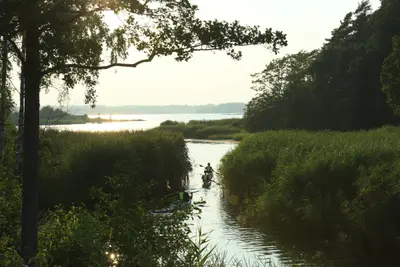
    Öland is Sweden's second-largest island after Gotland, located off Kalmar in the Baltic Sea. The island is flat and elongated, featuring open limestone plains, windmills, stone walls, and sandy beaches.

    by Felix Gillen

    1. Home
    2. Destinations
    3. Sweden
    4. Småland
    5. Öland
    Öland is Sweden's second-largest island after Gotland, located off Kalmar in the Baltic Sea. The island is flat and elongated, featuring open limestone plains, windmills, stone walls, and sandy beaches. The agricultural landscape in the south is a UNESCO World Heritage site.

    Sehenswürdigkeiten

    Discover the most important sights and attractions

    Lighthouse Långe Jan
    Attraction

    1Lighthouse Långe Jan

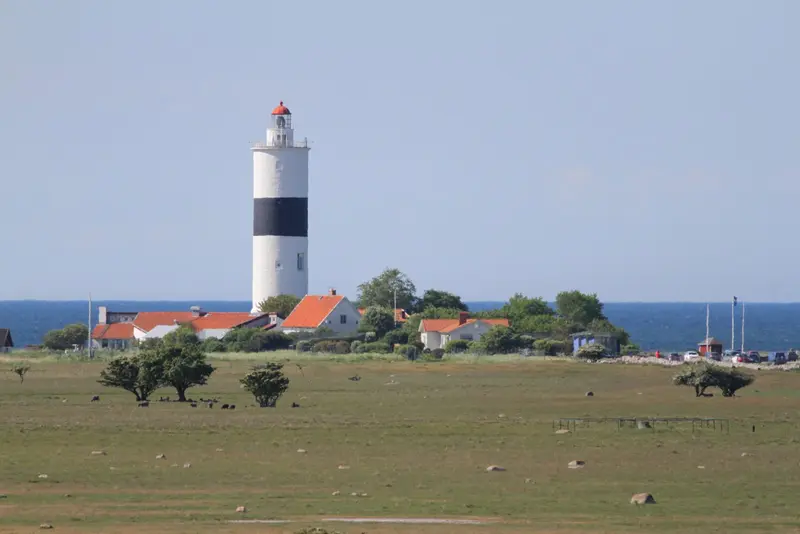
    The lighthouse at the southern tip of Öland was first lit on November 1, 1785, and at 41.6 m, it is Sweden's tallest. In summer, you can climb it, and around the Ottenby Nature Reserve, you can observe migratory birds.
    Open in Google Maps
    Byrums raukar
    Attraction

    2Byrums raukar

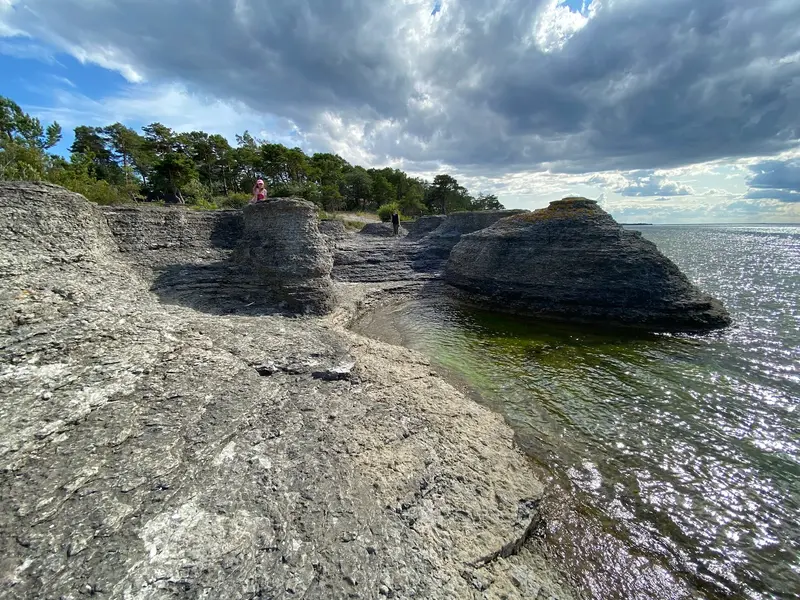
    Sea-sculpted limestone pillars on Öland's northwest coast. They are a nature reserve and a popular photo subject, especially in the evening.
    Open in Google Maps
    Borgholm Castle Ruins
    Castle

    3Borgholm Castle Ruins

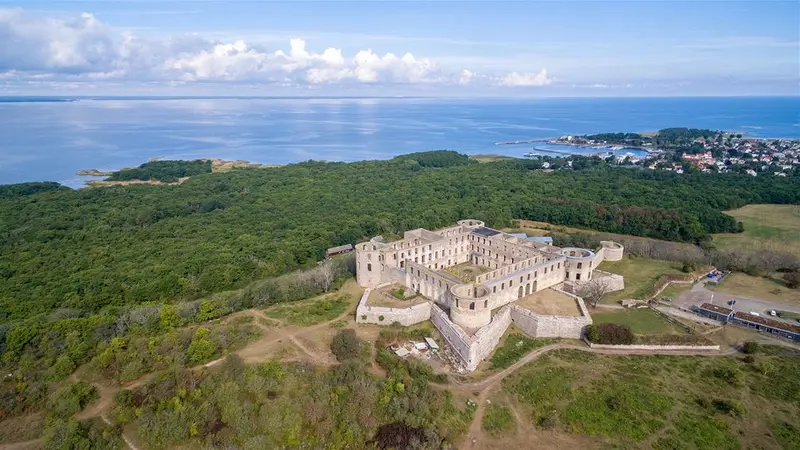
    The ruin stands on the limestone ridge south of Borgholm. Karl X. Gustav had the medieval castle extended into a Baroque palace from 1654, based on plans by Nicodemus Tessin the Elder, though it was only completed in 1709. Since a fire on October 14, 1806, it has been a ruin; in summer, guided tours and events are offered.
    Open in Google Maps
    Gettlinge Grave Field
    Historic Landmark

    4Gettlinge Grave Field

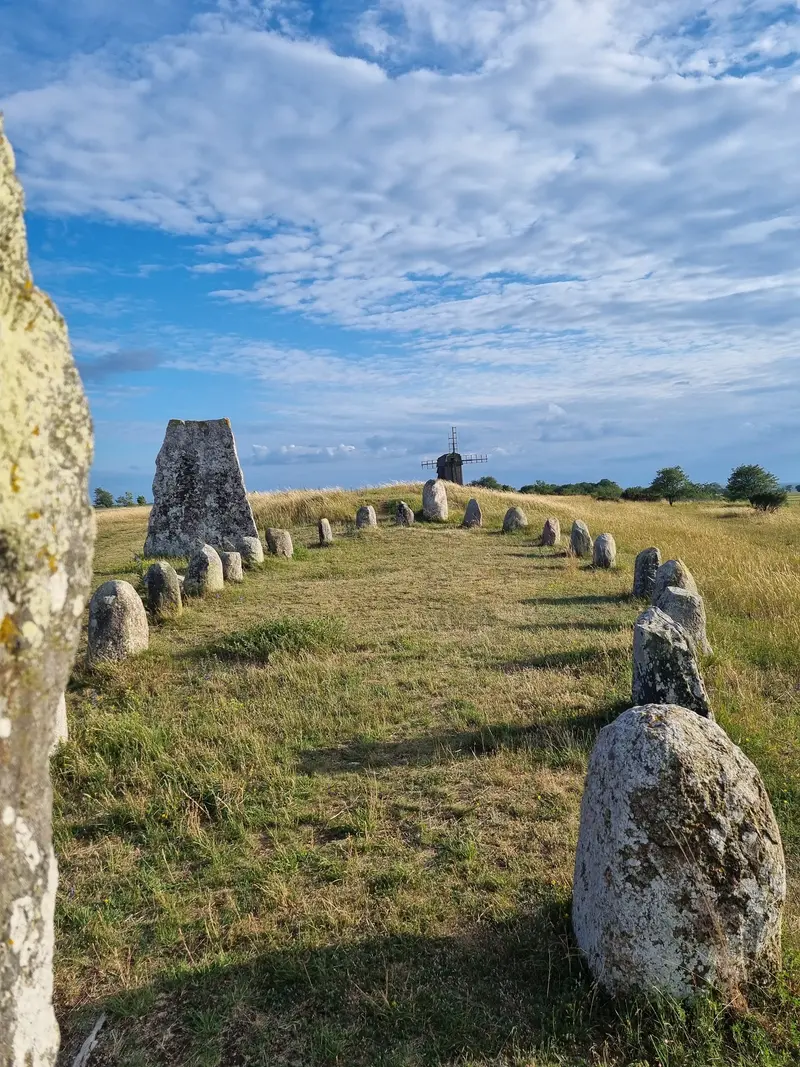
    Large Iron Age grave field on a ridge in South Öland, with stone settings and a long ship setting. From here, you overlook the Alvar, the island's open limestone plain.
    Open in Google Maps
    Sandby borg
    Historic Landmark

    5Sandby borg

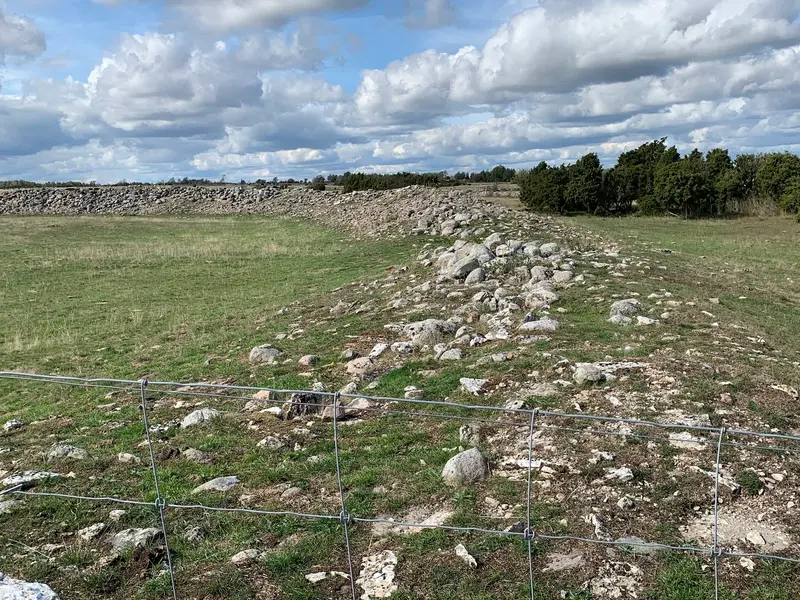
    Ring fort from the Migration Period on the east coast of South Öland. During excavations, archaeologists found traces of an attack where the inhabitants were killed in the 5th century.
    Open in Google Maps

    Essen & Trinken

    1

    Norring's

    Restaurant on Köpmangatan in central Borgholm.
    Show on Google Maps
    2

    Lundgrens Garage

    Restaurant with grilled dishes on Köpmangatan in central Borgholm.
    Show on Google Maps
    3

    Brasserie Tack o Bock

    Brasserie on Storgatan in the center of Borgholm.
    Show on Google Maps

    Food and Drink

    Öland's cuisine is rustic, with potatoes, beans, and pork. In summer, many farms sell vegetables and fruit directly.

    Ölandic kroppkakor

    Potato dumplings, mainly of raw potatoes, with a bacon and onion filling, served with lingonberries and butter. They are the island's most famous dish.

    Lufsa

    Oven-baked potato pastry with pork, a traditional dish of the island.

    Brown beans

    Brown beans have long been cultivated on Öland and are traditionally eaten sweet and sour with meat and sausages.

    Culture and History

    Iron Age and Agricultural LandscapeÖland was already densely populated in the Iron Age. Evidence of this includes burial grounds, runestones, and ringforts like Eketorp, Ismantorp, and Sandby borg, where archaeologists found traces of a raid from the late 5th century. The agricultural landscape in the south of the island, with its villages along the western edge, stone walls, and the Stora Alvaret, has been a UNESCO World Heritage site since 2000. It shows how people adapted to the sparse conditions over approximately 5,000 years.Windmills, Royal Residence, and Harvest FestivalThe wooden post windmills are the symbol of the island; numerous ones are preserved, some dating back to the 17th century. The royal family spends its summers at Solliden near Borgholm, and on July 14th, Crown Princess Victoria's birthday is publicly celebrated in Borgholm. At the end of September, the island invites visitors to the Skördefest, a large harvest festival featuring farms, markets, and handicrafts, from September 25th to 27th in 2026.

    Getting There & Around

    Bridge: The 6,072 m long Öland Bridge connects Kalmar with Färjestaden. Since 2009, crossing on foot or by bike is prohibited; bikes must be taken by bus. Check before your trip if the bicycle ferry across the Kalmarsund is operating.Bus: Kalmar Länstrafik runs from Kalmar over the bridge to Borgholm and other towns. Away from the main routes, connections are infrequent.Car: For excursions to the north and south tips, a car is most practical. Main road 136 runs lengthwise across the island.Bicycle: The flat landscape is well suited for cycling; it's best to rent a bike locally on the island.

    Accommodations in Öland

    Find perfect stay in Öland

    Booking.com* (Affiliate link)
    Search Hotels
    Agoda* (Affiliate link)
    Search Hotels
    Airbnb
    Vacation Rentals

    * Affiliate link: if you book through it, we earn a small commission. The price stays the same for you.

    Campgrounds in Öland

    Find perfect campground in Öland

    Search via Google Maps
    Campgrounds nearby (15km)
    Camping.info
    Find Campgrounds
    Park4Night
    RV Parks & Camping

    Nearby

    Kalmar

    Kalmar

    Kalmar is located on the Baltic Sea coast of Småland, opposite the island of Öland. The Renaissance castle on the water, the baroque cathedral, and the Old Town on the island of Kvarnholmen make the city one of Southern Sweden's most important historical destinations. Via the Öland Bridge, you're on Öland in just a few minutes.
    Glasriket (Glass Kingdom)

    Glasriket (Glass Kingdom)

    Glasriket, the Kingdom of Crystal, spans the municipalities of Lessebo, Uppvidinge, Nybro, and Emmaboda between Växjö and Kalmar. Today, around 14 glassworks still operate here, including Kosta Boda and Orrefors. In many, you can watch the glassblowers and shop directly from the factory.
    Kosta

    Kosta

    Kosta is a small village in the forests of Småland and the historical heart of the Kingdom of Crystal. The glassworks has been active since 1742 and is Sweden's oldest continuously operating glassworks. You can watch the glassblowers at work, shop at the outlet, and observe elk and red deer in nearby wildlife parks.
    Karlskrona

    Karlskrona

    Karlskrona was founded in 1680 as the main base for the Swedish fleet on islands in the Blekinge archipelago. Baroque churches, the large market square Stortorget, shipyard, and fortresses have been UNESCO World Heritage since 1998. To this day, the city is the seat of the Swedish Navy and a starting point for boat trips into the archipelago.
    Blekinge

    Blekinge

    Blekinge is Sweden's second-smallest province, on the Baltic Sea between Skåne and Småland. Deciduous forests extend to an archipelago coast with around 800 islands and skerries, protected as a UNESCO Biosphere Reserve. Its main town is the naval city of Karlskrona, whose port facilities are UNESCO World Heritage.

    Sources & method

    • Photos: Unsplash, Google Maps. Each photo carries its credit.
    • Place data such as addresses and ratings comes from Google Maps.
    • The content is based on web research from public, traceable sources. How the content is made · The role of AI