Fernweh: Home
    ExploreTravel GuidesPlan a tripMy tripLast visited
    de|en
    All Places & RegionsAll highlightsAbout FernwehFAQPrivacy PolicyImprint
    ExploreTravel GuidesPlan a tripMy tripLast visited
    Robben Island

    South Africa

    Robben Island

    IslandCulture

    Robben Island is located approximately twelve kilometers off Cape Town in Table Bay.

    by Felix Gillen

    1. Home
    2. Destinations
    3. South Africa
    4. Cape Town
    5. Robben Island
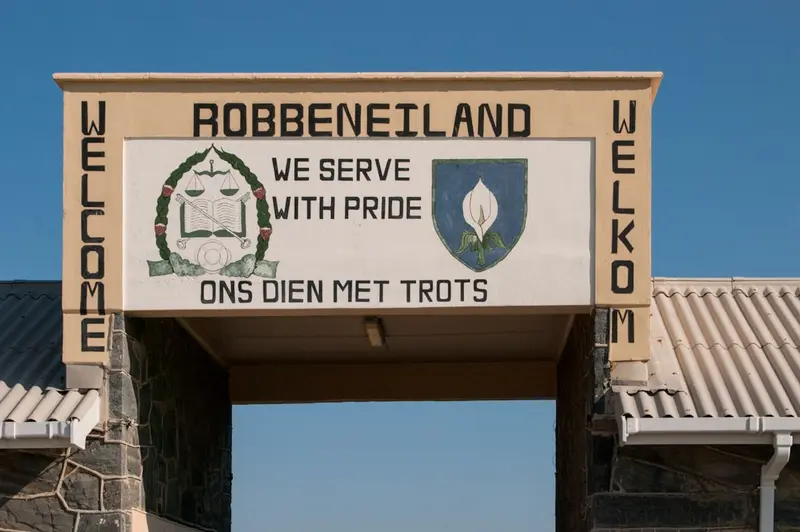
    Robben Island is located approximately twelve kilometers off Cape Town in Table Bay. For over three centuries, the island served as a place of banishment, a leper colony, and a prison; during apartheid, Nelson Mandela and many other political prisoners were incarcerated here. Since 1999, Robben Island has been a UNESCO World Heritage site and a museum.

    Sehenswürdigkeiten

    Discover the most important sights and attractions

    High-Security Prison and Mandela's Cell

    1High-Security Prison and Mandela's Cell

    From 1961 to 1991, political prisoners were held here, including Nelson Mandela, who spent 18 of his 27 years in captivity on the island. Former inmates guide through the prison block, showing Cell No. 5 in B-Block, roughly two by two and a half meters. The tour is part of the ferry trip from the Nelson Mandela Gateway at the V&A Waterfront and must be booked in advance.
    Open in Google Maps
    Kramat of Sayed Abdurahman Motura

    2Kramat of Sayed Abdurahman Motura

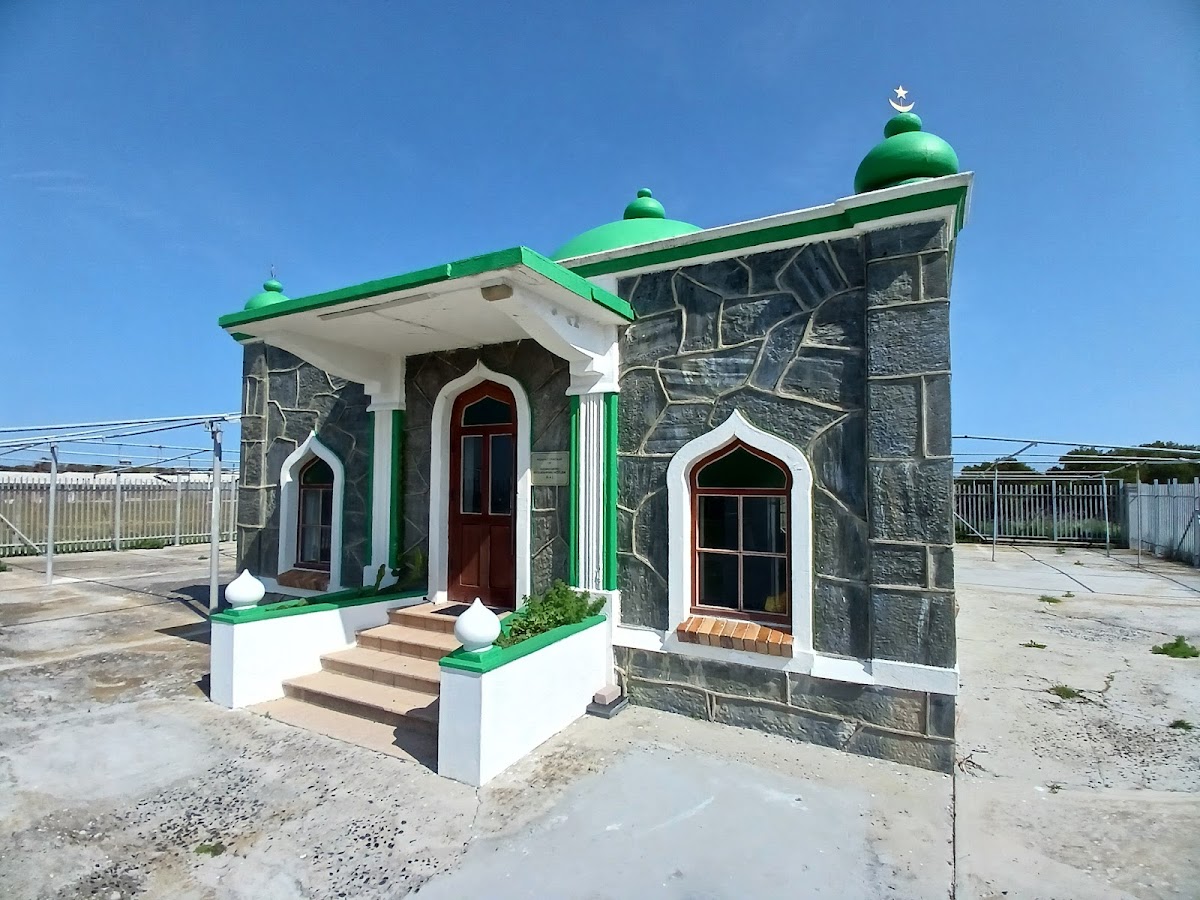
    Tomb shrine of a Muslim scholar who was banished to the island from Southeast Asia in the 18th century by the Dutch East India Company. The Kramat is part of a circle of holy graves around Cape Town and serves as a reminder that Robben Island was a place of banishment long before Apartheid.
    Open in Google Maps
    Robert Sobukwe House

    3Robert Sobukwe House

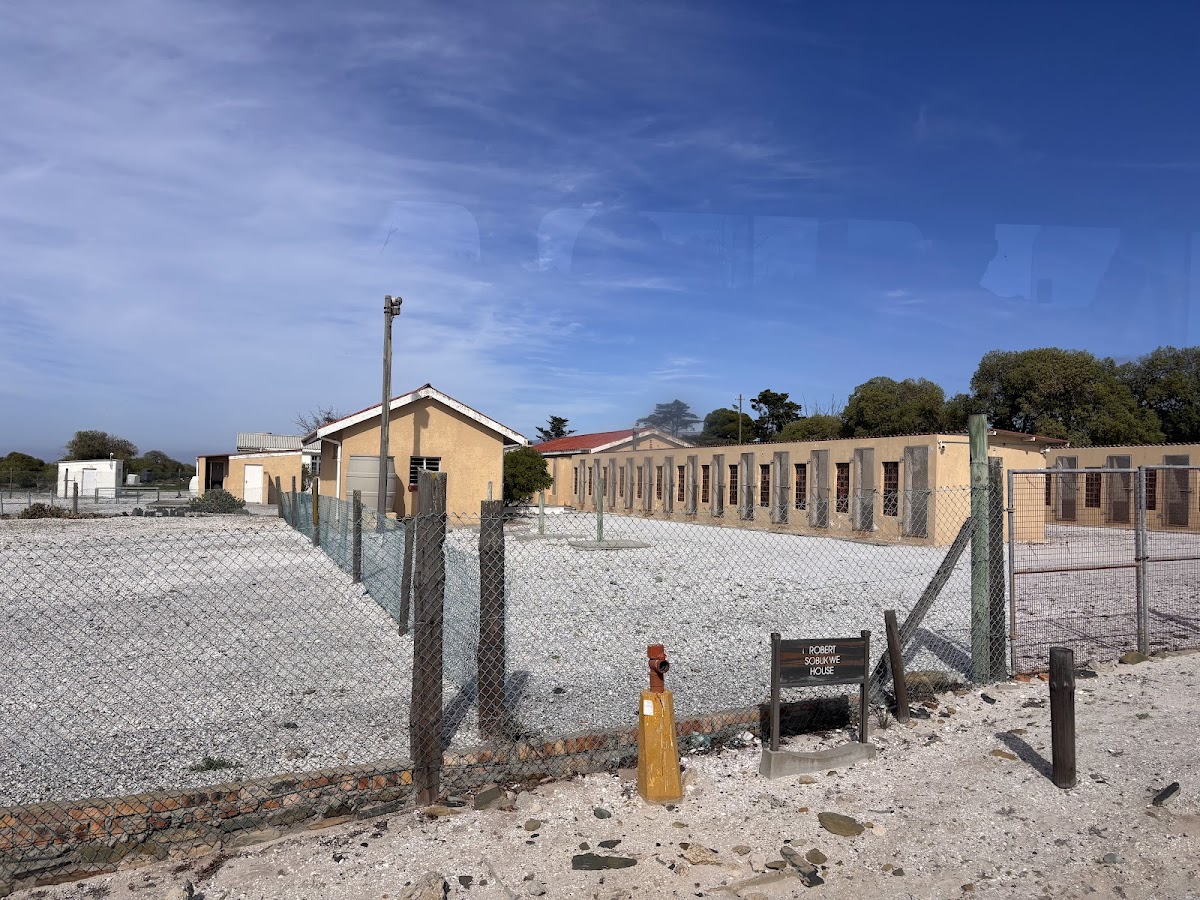
    In this house, the regime held Robert Sobukwe, the founder of the Pan Africanist Congress, in solitary confinement for six years from 1963. A specially enacted law, the "Sobukwe Clause", extended his detention year after year without a new trial. He was forbidden contact with other prisoners.
    Open in Google Maps
    Murray's Bay Harbour

    4Murray's Bay Harbour

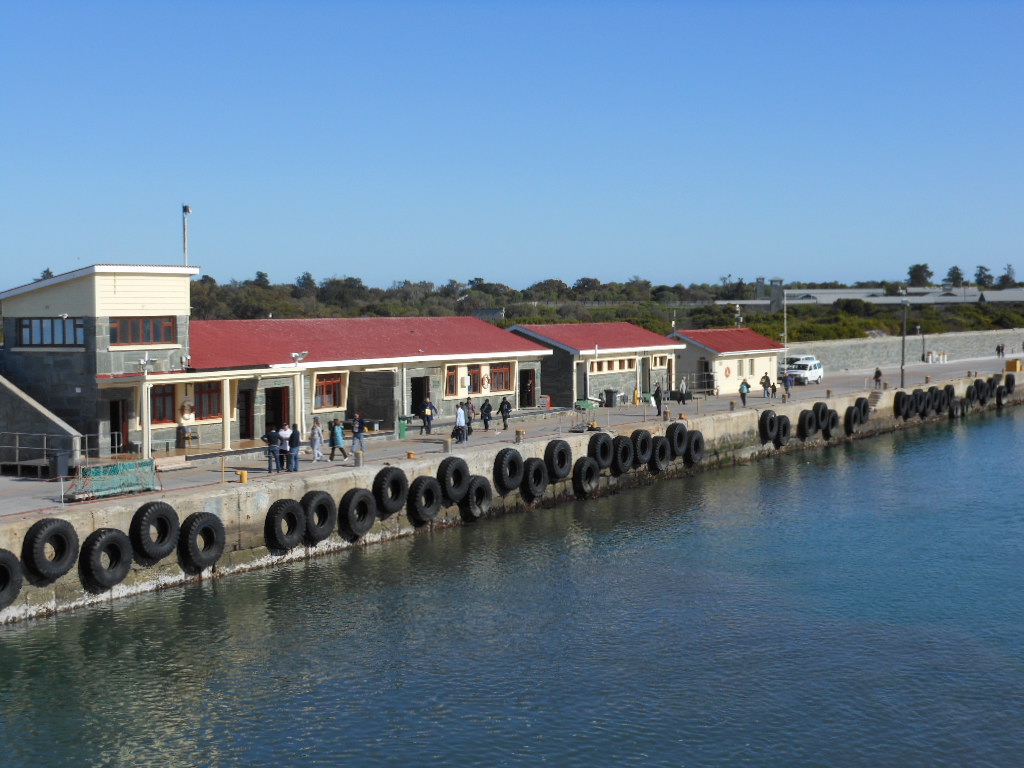
    The small harbour on the island's east side is the arrival point for ferries from Cape Town. From here, bus tours depart for the Limestone Quarry, Sobukwe House, and the prison. From the quay, you can see across Table Bay to Table Mountain.
    Open in Google Maps

    Essen & Trinken

    History of the Island

    From Place of Banishment to SymbolAs early as the 17th century, the Dutch East India Company sent prisoners to the island, including Khoikhoi leaders and Muslim scholars from Southeast Asia. Later, lepers and the mentally ill lived here in isolation. From 1961, Robben Island became a maximum-security prison for political prisoners. Inmates like Mandela, Walter Sisulu, and Ahmed Kathrada had to work in the limestone quarry, whose harsh light permanently damaged the eyes of many.The last political prisoners were released in 1991. Today, former inmates guide visitors through the prison and tell their own stories. This personal perspective makes the visit impressive.

    Arrival and Visit

    Ferries leave from the Nelson Mandela Gateway at V&A Waterfront; the crossing takes 30-45 minutes. The full tour is about three and a half hours, including a bus and prison tour. Tickets are only via Robben Island Museum and often sell out days ahead in high season. Strong winds or rough seas cause short-notice cancellations; plan a backup day.

    Accommodations in Robben Island

    Find perfect stay in Robben Island

    Booking.com* (Affiliate link)
    Search Hotels
    Agoda* (Affiliate link)
    Search Hotels
    Airbnb
    Vacation Rentals

    * Affiliate link: if you book through it, we earn a small commission. The price stays the same for you.

    Nearby

    V&A Waterfront

    V&A Waterfront

    The Victoria & Alfred Waterfront is Cape Town's redeveloped old harbour, with Table Mountain as its backdrop. Amidst fishing trawlers, seals, and historic harbour buildings, you'll find shopping centres, restaurants, hotels, the Zeitz MOCAA, and the Two Oceans Aquarium. Ferries to Robben Island also depart from here.
    Bo-Kaap

    Bo-Kaap

    Bo-Kaap, nestled on the slopes of Signal Hill, is Cape Town's most famous district, with colorful houses and steep cobbled streets. Here, Cape Malay culture thrives, with mosques, spice shops, and its own cuisine.
    Cape Town

    Cape Town

    Cape Town is situated between Table Mountain and the Atlantic Ocean and, with approximately 4.8 million inhabitants in its metropolitan area, is South Africa's second-largest city. The city combines colonial history, the memory of Apartheid on Robben Island, and a vibrant restaurant and art scene with beaches, hiking trails, and wine regions right on its doorstep.
    Kalk Bay

    Kalk Bay

    Kalk Bay is a fishing harbour on False Bay with antique shops, bookstores, and cafés along Main Road. At the harbour, fishermen sell their catch directly from the boat, often observed by seals. Cape Town's suburban train stops right by the sea.
    Cape Peninsula

    Cape Peninsula

    The Cape Peninsula stretches from Cape Town about 50 kilometers south to the Cape of Good Hope and Cape Point. On the Atlantic side, Chapman's Peak Drive leads along steep cliffs; on False Bay lie Muizenberg, Kalk Bay and Simon's Town with the penguin colony at Boulders Beach. The south is part of the Table Mountain National Park.

    Sources & method

    • Photos: Unsplash. Each photo carries its credit.
    • Place data such as addresses and ratings comes from Google Maps.
    • The content is based on web research from public, traceable sources. How the content is made · The role of AI