ExploreTravel GuidesPlan a trip
    de|en
    All Places & RegionsAbout FernwehFAQPrivacy PolicyImprint
    ExploreTravel GuidesPlan a trip
    • Neighborhoods & highlights
    • Eat & drink
    • Getting around
    • Accommodation
    • Plan trip
    • Nearby
    Harlem
    Paul Sableman from St. Louis, MO / Wikimedia Commons / CC BY 2.0

    United States

    Harlem

    City

    Harlem is considered the cultural heart of Black America. During the Great Migration, more African Americans moved here from the South than anywhere else, joined by immigrants from the Caribbean.

    1. Home
    2. Destinations
    3. United States
    4. New York City
    5. Harlem
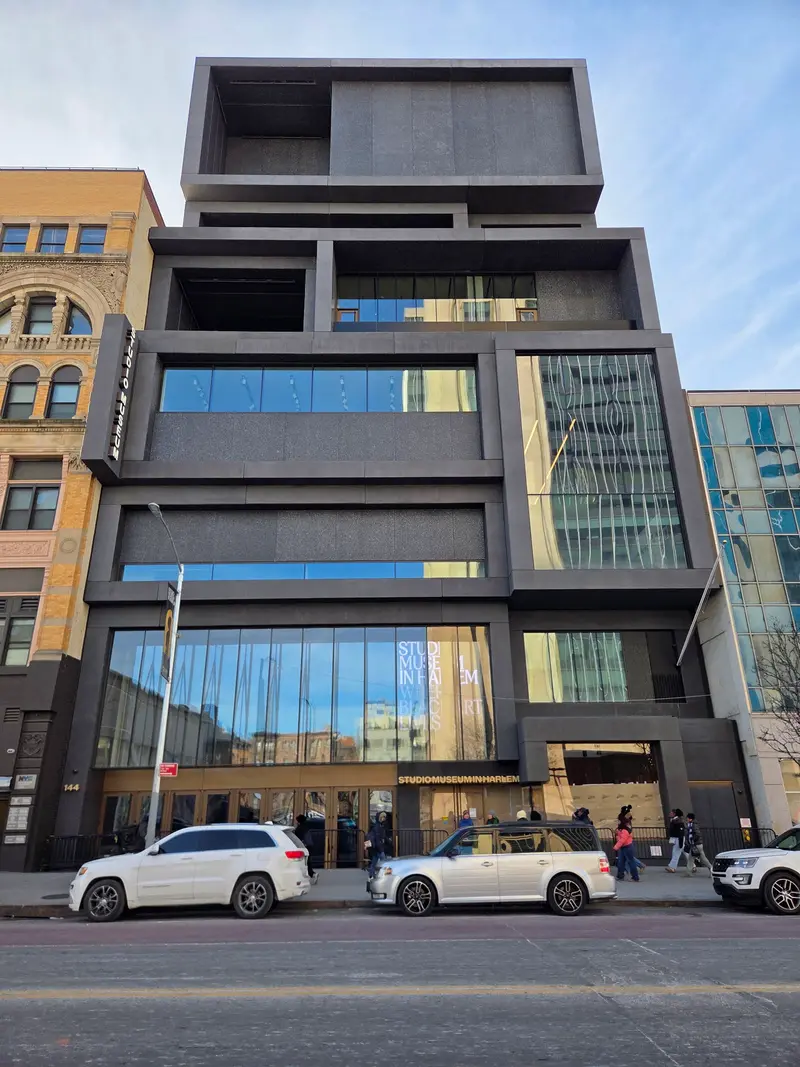
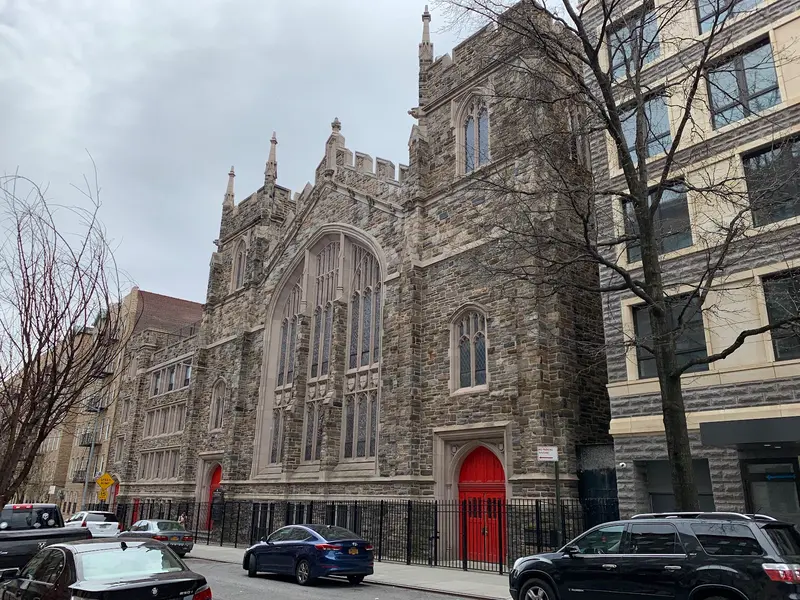
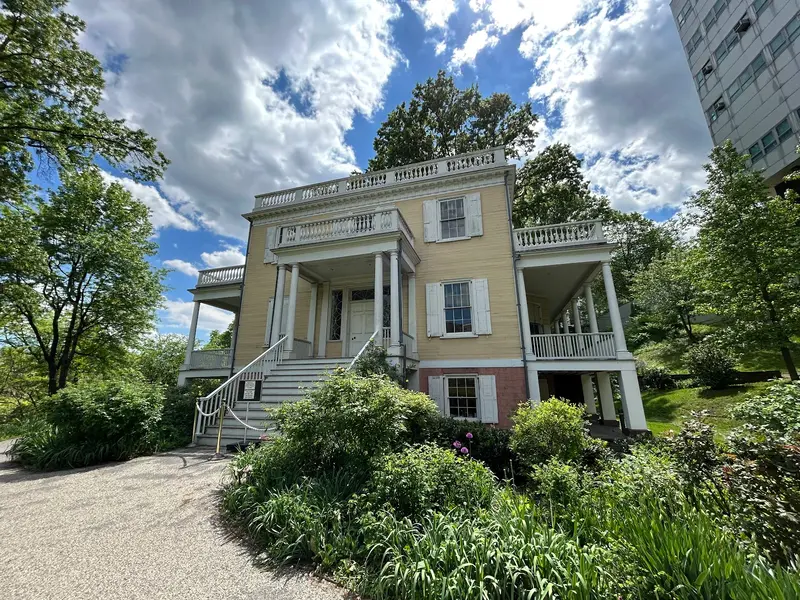
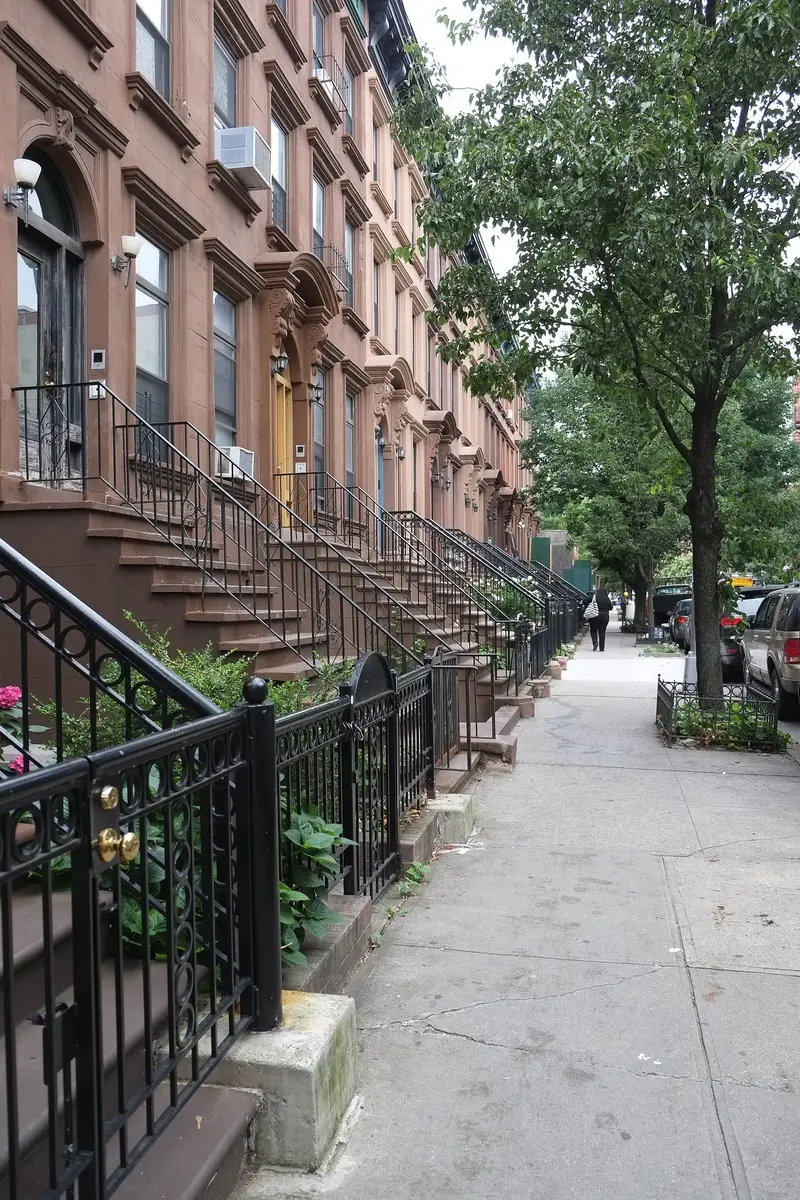
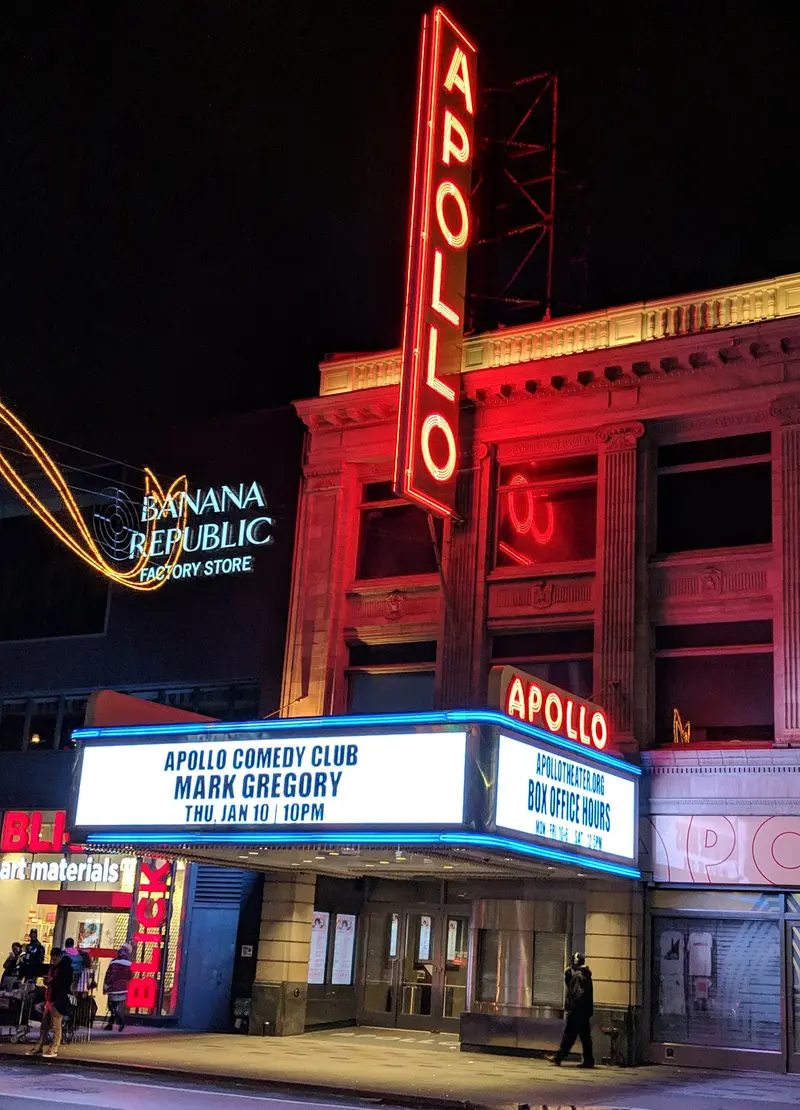
    Harlem is considered the cultural heart of Black America. During the Great Migration, more African Americans moved here from the South than anywhere else, joined by immigrants from the Caribbean. This gave rise to the Harlem Renaissance in the 1920s: Langston Hughes and Zora Neale Hurston wrote, Duke Ellington played at the Cotton Club.The main artery is 125th Street, featuring the Apollo Theater, where Amateur Night has run every Wednesday since 1934. As of November 2025, the Studio Museum in Harlem also boasts a new building there. Further north, brownstones and churches line up, including the Abyssinian Baptist Church, whose pastor, Adam Clayton Powell Jr., was New York City's first Black representative in Congress. St. Nicholas Park also houses the Hamilton Grange, Alexander Hamilton's country home.Harlem is not a museum district, but a vibrant residential neighborhood. Eat Soul Food, listen to jazz in the evening, and on Sundays, watch the community dress up for church. If you wish to attend a church service, inquire with the congregation beforehand about guest rules.You'll experience the most on Wednesday evening for Amateur Night or on Sunday. Plan at least half a day.

    Sights in Harlem

    Discover the most important sights and attractions

    Apollo Theater
    Attraction

    1Apollo Theater

    The 125th Street Theater opened in 1914 as a burlesque stage and has featured shows for Black audiences since 1934. Every Wednesday is Amateur Night, where the audience decides. Ella Fitzgerald was the first woman to win here.
    Open in Google Maps
    The Studio Museum in Harlem
    Museum

    2The Studio Museum in Harlem

    The museum opened its new building on 125th Street in November 2025. Admission is pay-what-you-wish, suggested $16. Free on Sundays, closed Mondays and Tuesdays.
    Open in Google Maps
    Abyssinian Baptist Church
    Church

    3Abyssinian Baptist Church

    The congregation dates back to 1808, when Black believers left a church with segregated seating. The current church building on West 138th Street dates from 1922 to 1923.
    Open in Google Maps
    Hamilton Grange National Memorial
    Museum

    4Hamilton Grange National Memorial

    Alexander Hamilton's country house was completed in 1802 and in 2008 was rolled to its current site in St. Nicholas Park. The National Park Service has displayed it restored since 2011.
    Open in Google Maps

    Restaurants in Harlem

    1

    Red Rooster Harlem

    Chef Marcus Samuelsson's flagship on Lenox Avenue serves Harlem comfort food like Chicken and Waffles or Shrimp and Grits.
    Show on Google Maps
    2

    Sylvia's Restaurant

    Sylvia Woods opened her soul food restaurant in 1962 on Malcolm X Boulevard, still family-run today. Barack Obama and Nelson Mandela have already dined here.
    Show on Google Maps

    Getting There and Around

    Harlem is quickly reachable from Midtown by Subway, and within the neighborhood, distances are easily walkable.125th Street (Lenox Avenue): Lines 2 and 3, close to the Studio Museum, Sylvia's and Red Rooster.125th Street (St. Nicholas Avenue): A and D 24/7, C and B at specific times, a few minutes from the Apollo Theater.
    Accommodations in Harlem

    Find perfect stay in Harlem

    Booking.com* (Affiliate link)
    Search Hotels
    Agoda* (Affiliate link)
    Search Hotels
    Airbnb
    Vacation Rentals

    * Affiliate link: if you book through it, we earn a small commission. The price stays the same for you.

    Campgrounds in Harlem

    Find perfect campground in Harlem

    Search via Google Maps
    Campgrounds nearby (15km)
    Camping.info
    Find Campgrounds
    Park4Night
    RV Parks & Camping

    Plan your trip to Harlem

    Save places, build a route and plan your city trip, all in one place.

    1. 1
      1234

      Round trip

      12 days · 4 stops

      Saved

      Pick a route

      Pick a ready-made one or save places and plan your own.

      Open bookmarks
    2. 2

      Trip to Harlem

      Live
      • 1Apollo Theater3 days
      • 2The Studio Museum in Harlem4 days
      • 3Abyssinian Baptist Church5 days
      Budget

      Plan your trip

      The planner sorts stops, days and budget. Plan together in real time.

      Start trip planning
    3. 3
      9:41 No signal
      Available offline

      Use it on the road

      Download the guide to your phone and use it on site, even offline.

    Nearby

    Central Park, Upper West Side and Upper East Side

    Central Park, Upper West Side and Upper East Side

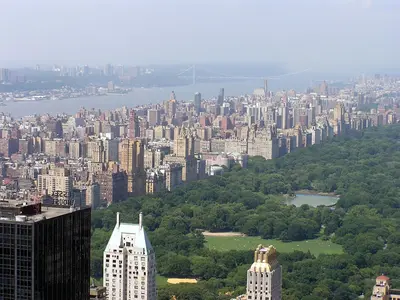
    Central Park divides northern Manhattan into two worlds. To the west is the Upper West Side, with its brownstones, delis, and a more relaxed, intellectual reputation; to the east, the Upper East Side, with city mansions and major museums along Fifth Avenue.The park itself is approximately 4 kilometers long and spans 341 hectares. Frederick Law Olmsted and Calvert Vaux won the 1858 competition with their Greensward Plan, and the park was completed in 1876. Behind its seemingly natural landscape lies completely planned design. Stroll across the Mall to Bethesda Terrace, continue to the Bow Bridge over the lake, and then to Strawberry Fields with its Imagine mosaic for John Lennon.On the east side, the Museum Mile, between 82nd and 110th Street, boasts nine museums, including the Metropolitan Museum of Art and the Guggenheim. On the west side, the American Museum of Natural History awaits with its life-sized blue whale. As of April 2025, the Frick Collection, located in steel magnate Henry Clay Frick's villa, is also reopened after its renovation.Allow a full day for the park and one museum. Mornings are the quietest in the park, and The Met is open until 9 PM on Fridays and Saturdays.
    Midtown

    Midtown

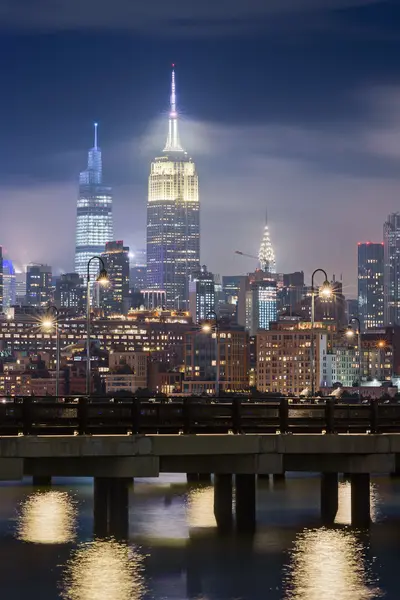
    Midtown is the New York from films and postcards: skyscrapers, yellow cabs, neon signs. Between 34th and 59th Street, most of the city's classics cluster within a few square kilometers, and by day, office workers and visitors share the sidewalks.At Times Square, named in 1904 after the New York Times, the famous ball has been dropping on New Year's Eve since 1907. Since 2009, Broadway here has been a pedestrian zone, and surrounding it is the Theater District with its major musicals. A few blocks east stands the Rockefeller Center, an Art Deco ensemble from the 1930s with an ice rink and, since 1933, the Christmas tree.For views from above, choose between the 381-meter-tall Empire State Building (1931) and the Top of the Rock, which offers a prime view of the Empire State itself. On the ground, worthwhile stops include Grand Central Terminal with its main hall, the reading rooms of the New York Public Library, Bryant Park just behind it, and the Museum of Modern Art.Observation decks are least crowded in the mornings, whereas Times Square truly comes alive only after nightfall. For discounted same-day musical tickets, head to the TKTS booth.
    Chelsea, Meatpacking District and Hudson Yards

    Chelsea, Meatpacking District and Hudson Yards

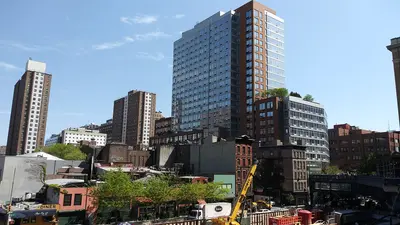
    The West Side, between Gansevoort Street and 34th Street, shows how New York reinvents itself. Where slaughterhouses, warehouses, and a freight railway once stood, you'll now find galleries, designer shops, and glass residential towers.Everything is connected by the High Line. On the 2.3-kilometer elevated railway track, freight trains ran from 1933; since 2009, sections of it have been a park with grasses and perennials by Dutchman Piet Oudolf. You stroll at third-story height between the buildings, with views into street canyons and of the Hudson.At the south end stands the Whitney Museum; a few blocks further, the Chelsea Market, located in the former Nabisco factory where the Oreo cookie was invented. In West Chelsea, between 10th and 11th Avenue, are more than 200 art galleries. Further north rise the towers of Hudson Yards, featuring the honeycomb-like Vessel and the Edge observation deck. Also in the Hudson is Little Island, a park opened in 2021, built on 132 tulip-shaped concrete stilts.It's best to walk the High Line in the morning before it gets crowded, or just before sunset, from south to north. Check the galleries' opening hours beforehand; many aren't open every day.
    SoHo, Greenwich Village and West Village

    SoHo, Greenwich Village and West Village

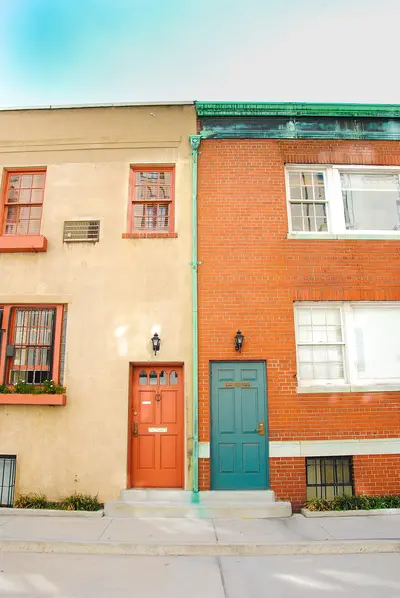
    Between Houston Street and 14th Street, Manhattan becomes more intimate. The streets abandon the grid pattern, trees shade brick houses, and a café sits on almost every corner. For decades, Greenwich Village was home to artists, musicians, and counterculture, and even though rents are high today, you still sense that in the jazz cellars and comedy clubs.The heart of the neighborhood is Washington Square Park with its marble arch. Beneath the park presumably lie the remains of over 20,000 people, as it was a pauper's cemetery here from 1789 to 1823. Today, chess players gather here, street musicians perform, and New York University students flock to the fountain.A few blocks west, the Stonewall Uprising erupted in 1969 from the eponymous bar, a turning point for the LGBTQ movement. South of Houston Street begins SoHo, short for South of Houston. From the 1960s, artists moved into the empty factory lofts; today, boutiques fill the ground floors of the cast-iron facades.Come in the late afternoon: Stroll through SoHo, wander in the evening light through the side streets of West Village, and reserve a spot for later at a jazz club or comedy show. On weekends, SoHo's shopping streets are very crowded.
    Lower East Side, East Village, Chinatown and Little Italy

    Lower East Side, East Village, Chinatown and Little Italy

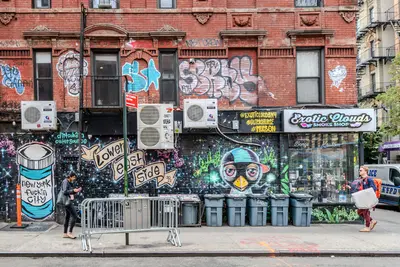
    Few Manhattan spots tell as much about immigration as this corner. From the 19th century, immigrant families crowded into the Lower East Side's tenements. Their story lives on in delis and specialty shops over a century old. You might recognize Katz's Delicatessen (1888) from the restaurant scene in Harry and Sally.Just south, Little Italy blends almost seamlessly into Chinatown. Little Italy has shrunk to a few Mulberry Street blocks, as Chinatown expanded north since the late 1960s. Chinatown offers dim sum halls, vegetable stalls, and the crooked Doyers Street, once called Bloody Angle due to gang wars.North of Houston Street, the East Village begins, featuring pubs, small international restaurants, and Tompkins Square Park. Here, the Hare Krishna movement was founded in the USA under an elm tree in 1966, and in 1990, the park opened New York's first dog run.Plan your day around food: Dim Sum for lunch in Chinatown, an afternoon tour at the Tenement Museum, and evening beers in the East Village. You should book museum tours in advance.