Fernweh: Home
    ExploreTravel GuidesPlan a tripMy tripLast visited
    de|en
    All Places & RegionsAll highlightsAbout FernwehFAQPrivacy PolicyImprint
    ExploreTravel GuidesPlan a tripMy tripLast visited
    • Neighborhoods & highlights
    • Eat & drink
    • Food culture
    • Culture
    • Getting around
    • Accommodation
    • Plan trip
    • Nearby

    Croatia

    City

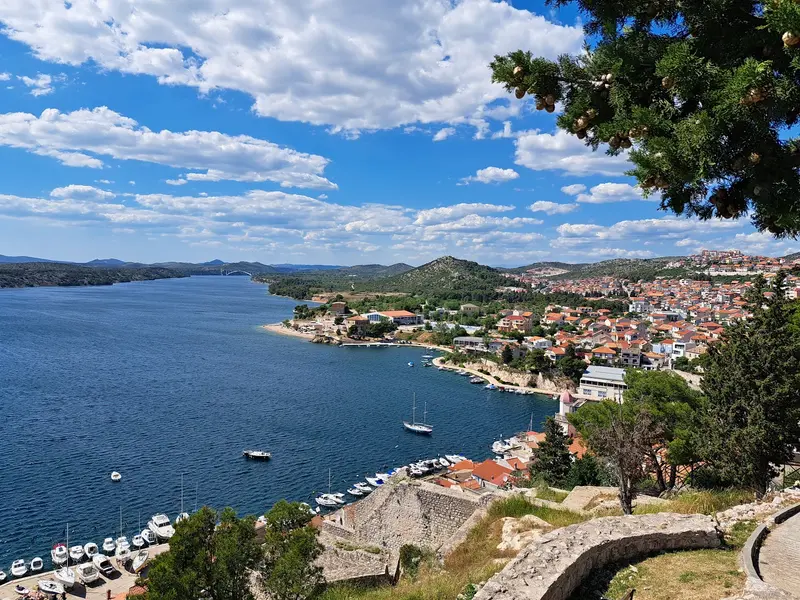
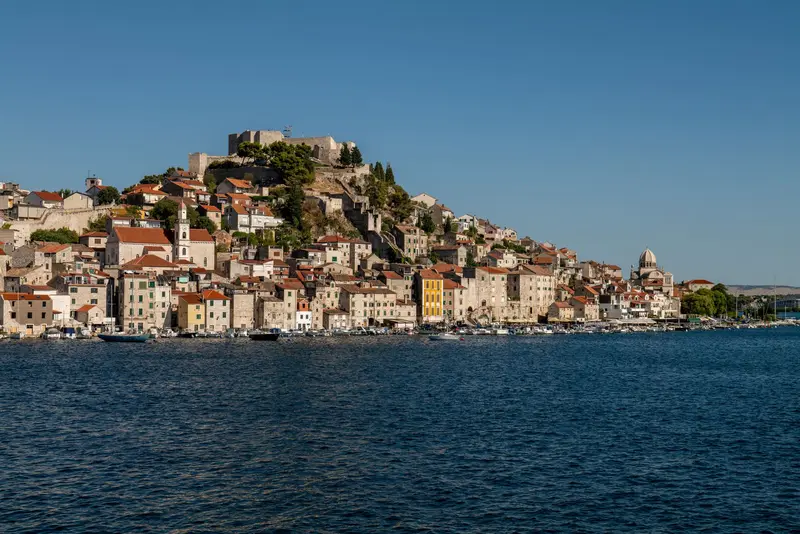
    Šibenik is a port city in North Dalmatia, located between Zadar and Split, with its Old Town rising steeply above the mouth of the Krka.

    by Felix Gillen

    1. Home
    2. Destinations
    3. Croatia
    4. North Dalmatia
    Šibenik is a port city in North Dalmatia, located between Zadar and Split, with its Old Town rising steeply above the mouth of the Krka. No less than two structures are on the UNESCO World Heritage List: the Cathedral of St. James and St. Nicholas Fortress at the entrance to the channel.The city is a good starting point for Krka National Park and the Kornati Islands.

    Sights in

    Discover the most important sights and attractions

    Fortress St. Nicholas
    Historic Landmark

    1Fortress St. Nicholas

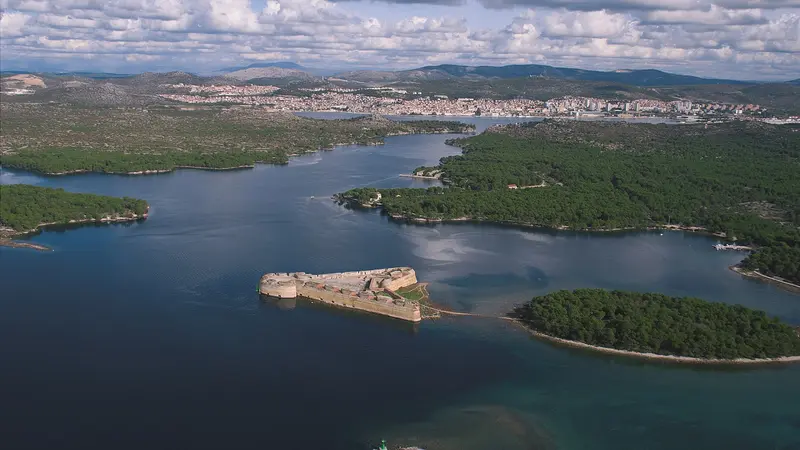
    The Venetian Fortress at the entrance to St. Ante Channel has been a World Heritage site since 2017 and is only accessible by boat tour.
    Open in Google Maps
    Fortress St. Michael
    Point of Interest

    2Fortress St. Michael

    The city's oldest fortress overlooks the Old Town and today serves as an open-air stage.
    Open in Google Maps
    Barone Fortress
    Historic Landmark

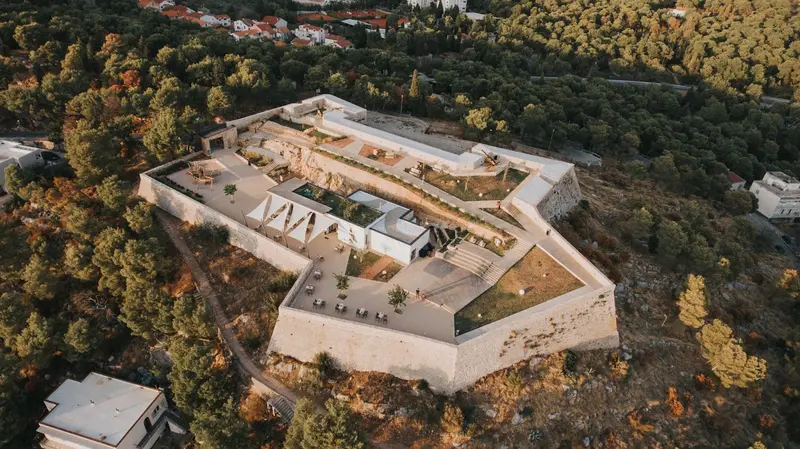
    3Barone Fortress

    The 17th-century fortress, located on a hill above the old town, offers panoramic views of the city and islands.
    Open in Google Maps
    St. James Cathedral
    Church

    4St. James Cathedral

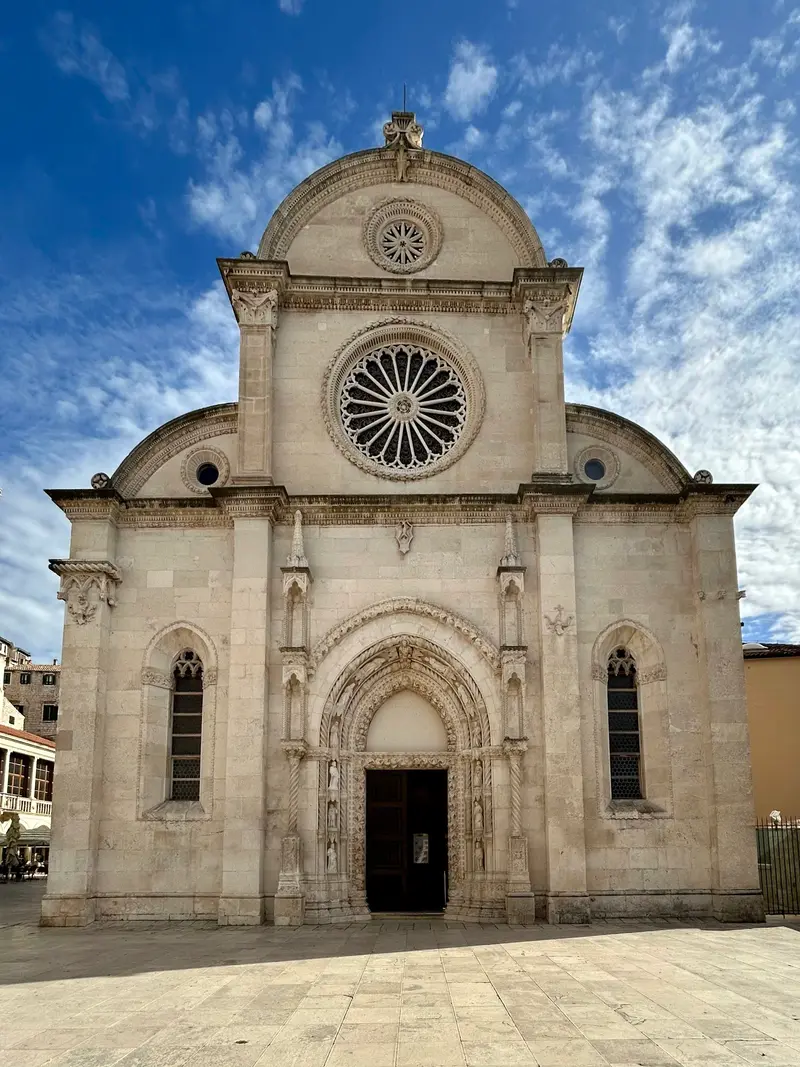
    The Cathedral, constructed 1431-1536 entirely of dry stone, and UNESCO World Heritage listed since 2000.
    Open in Google Maps

    Restaurants in

    1

    Pelegrini

    Restaurant with a Michelin star since 2018, rated 17.5 points in Gault&Millau.
    Show on Google Maps
    2

    Konoba Marenda

    Konoba with traditional Dalmatian cuisine, listed in Gault&Millau 2026.
    Show on Google Maps
    3

    Konoba Vinko

    Konoba in the hinterland of Šibenik, awarded a Bib Gourmand in the Michelin Guide 2026.
    Show on Google Maps

    Food and Drink

    In the hinterland of Šibenik, ham, wine, and a special risotto are produced.

    Skradinski Risotto

    Risotto with beef and spices from Skradin, traditionally cooked for many hours.

    Babić

    Red wine from the Šibenik area, especially from Primošten.

    Drniški pršut

    Ham from nearby Drniš with its EU-protected designation.

    Cathedral and Fortresses

    The Cathedral of St. James was built entirely of stone, without mortar, from 1431 to 1536, following the plans of Juraj Dalmatinac and Nikola Firentinac. Above the city are three more fortresses: St. Michael, now an open-air stage, as well as Barone and St. John from the 17th century. In August, the Dalmatian Chanson Evenings take place.

    Getting There and Around

    Šibenik is located on the A1 motorway; the nearest airports are Split and Zadar. The St. Nicholas Fortress can only be reached by an organized boat tour through the Sv. Ante Channel.

    Accommodations in

    Find perfect stay in

    Booking.com* (Affiliate link)
    Search Hotels
    Agoda* (Affiliate link)
    Search Hotels
    Airbnb
    Vacation Rentals

    * Affiliate link: if you book through it, we earn a small commission. The price stays the same for you.

    Campgrounds in

    Find perfect campground in

    Search via Google Maps
    Campgrounds nearby (15km)
    Camping.info
    Find Campgrounds
    Park4Night
    RV Parks & Camping

    Plan your trip to

    Save places, build a route and plan your city trip, all in one place.

    1. 1
      Sunrise over alpine peaks and a sea of clouds
      1234

      Round trip

      12 days · 4 stops

      Saved

      Pick a route

      Pick a ready-made one or save places and plan your own.

      Open bookmarks
    2. 2

      Trip to

      Live
      • 1Fortress St. Nicholas3 days
      • 2Fortress St. Michael4 days
      • 3Barone Fortress5 days
      Budget

      Plan your trip

      The planner sorts stops, days and budget. Plan together in real time.

      Start trip planning
    3. 3
      9:41 No signal
      Available offline

      Use it on the road

      Download the guide to your phone and use it on site, even offline.

    Nearby

    Krka National Park

    Krka National Park

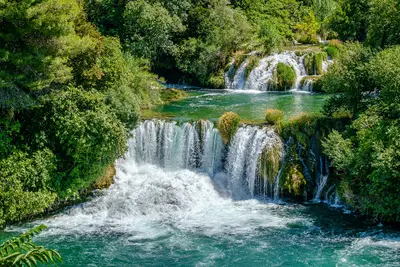
    Krka National Park protects the lower course of the Krka River in the Šibenik hinterland, featuring a chain of travertine waterfalls. The most famous is Skradinski buk, with 17 cascades, over which a wooden walkway leads.The park has been a national park since 1985; in 2025, approximately one million visitors arrived.
    Trogir

    Trogir

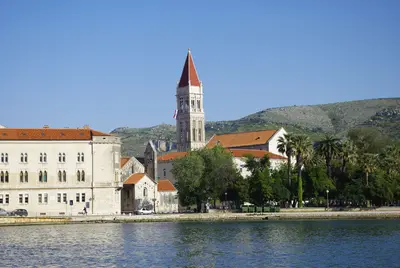
    Trogir is a small old town located on an island between the mainland and the island of Čiovo, approximately 27 kilometres west of Split. Its Hellenistic street network, the cathedral with Master Radovan's portal, and Kamerlengo Fortress have been on the UNESCO World Heritage List since 1997.
    North Dalmatia

    North Dalmatia

    Northern Dalmatia stretches from Zadar to Šibenik and includes the Krka and Kornati National Parks. Venetian fortresses, which are on the UNESCO World Heritage List, and the Krka waterfalls are the most famous destinations.
    Kornati National Park

    Kornati National Park

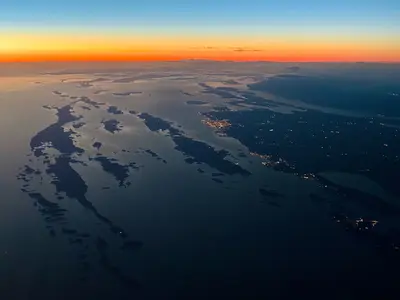
    The Kornati National Park comprises 89 islands, islets, and reefs off the coast of North Dalmatia. The barren, almost treeless islands are a destination for boat trips and sailing trips.

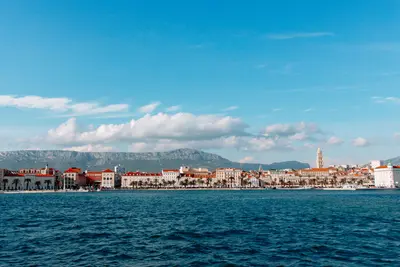
    Split is Croatia's second-largest city and the center of Dalmatia. Its heart is the palace, which the Roman Emperor Diocletian had built around 300 AD, and where people still live, run cafés, and shop today.From the port, ferries and catamarans depart for the islands of Brač, Hvar, and Vis. West of the old town lies the forested city hill Marjan.

    Sources & method

    • Photos: Pexels, Google Maps. Each photo carries its credit.
    • Place data such as addresses and ratings comes from Google Maps.
    • The content is based on web research from public, traceable sources. How the content is made · The role of AI