Fernweh: Home
    ExploreTravel GuidesPlan a tripMy tripLast visited
    de|en
    All Places & RegionsAll highlightsAbout FernwehFAQPrivacy PolicyImprint
    ExploreTravel GuidesPlan a tripMy tripLast visited
    • Why go
    • Highlights
    • Explore regions
    • Round trips
    • Local food
    • Good to know
    • Best time to visit
    • Travel advice
    Croatia

    Travel Guide Croatia

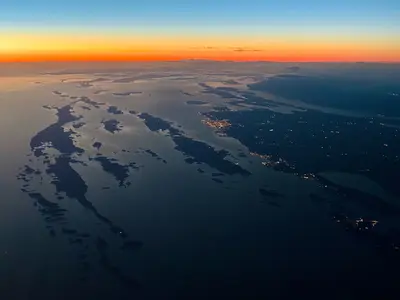
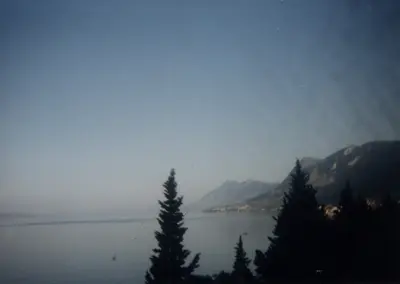
    Croatia stretches from the Pannonian Plain in the east to the Adriatic Sea, whose coast, with over a thousand islands and islets, is among Europe's most indented.

    by Felix Gillen

    Contents

    • Why go
    • Highlights
    • Explore regions
    • Round trips
    • Local food
    • Good to know
    • Best time to visit
    • Travel advice

    Why Go To Croatia?

    Croatia offers in a small area Roman and Venetian old towns, clear waters along a coast of over a thousand islands, and national parks like Plitvice Lakes and Krka Waterfalls. Its cuisine ranges from truffles, oysters, and Peka stews, complemented by excellent wines from Istria, Dalmatia, and Slavonia.

    Where in Croatia?

    Pick a region. The highlights, road trips and places below follow your choice.
    Isiwal / Wikimedia Commons / CC BY-SA 4.0
    Highlight 1 of 8

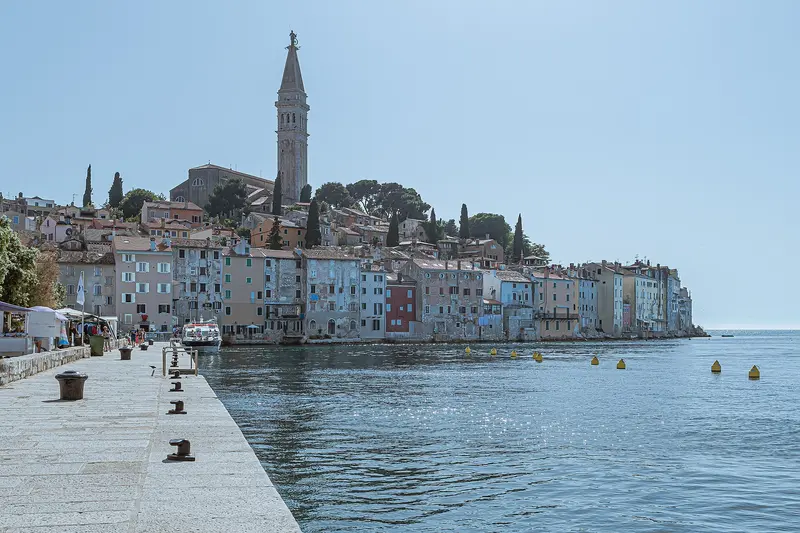
    Rovinj is a port city on the west coast of Istria, whose old town is situated on a former island around the Church of St. Euphemia.

    Discover
    Plitvice Lakes National Park
    Highlight 2 of 8

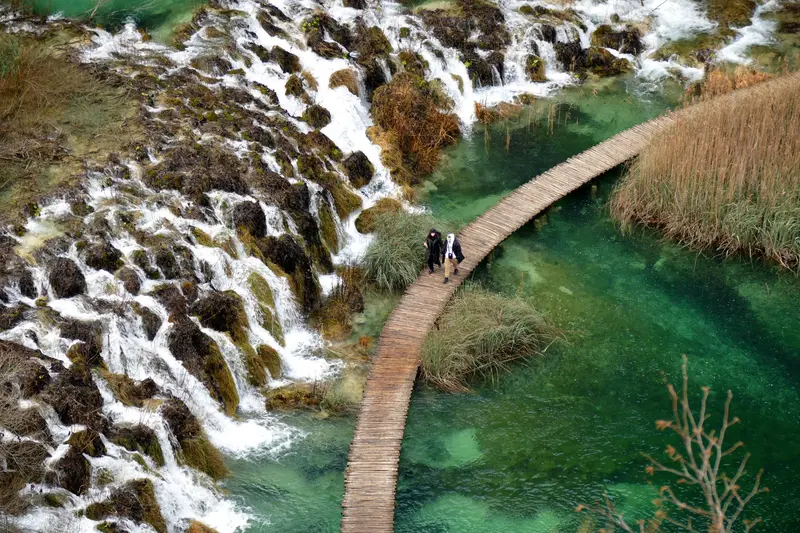
    Plitvice Lakes National Park

    Plitvice Lakes National Park in Lika is Croatia's most famous national park, located about two hours south of Zagreb. Sixteen lakes are connected by travertine barriers and waterfalls, with wooden walkways leading directly over the water.

    Discover
    Zadar
    Highlight 3 of 8

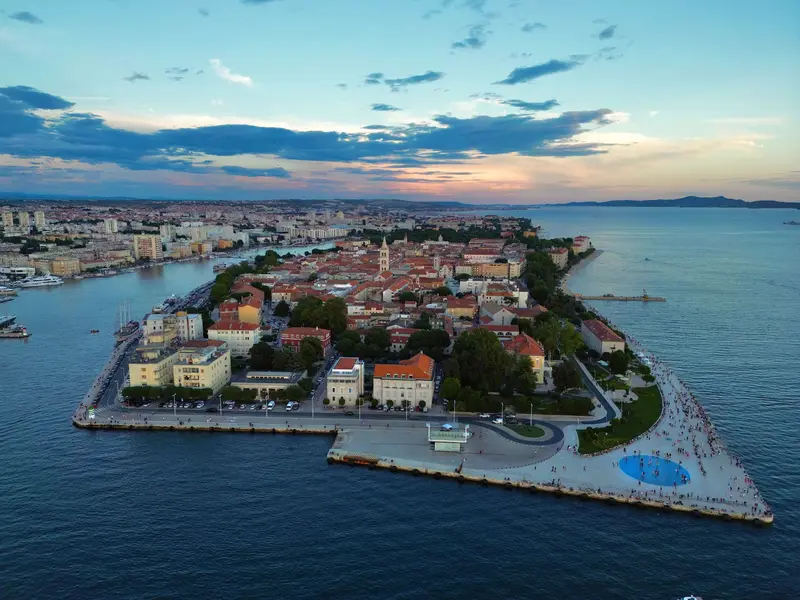
    Zadar

    Zadar is the largest city in North Dalmatia, its Old Town situated on a peninsula on the Adriatic Sea. Roman Forum, Romanesque churches, and the Venetian fortifications—a UNESCO World Heritage site—meet modern installations like the Sea Organ here.

    Discover
    Krka National Park
    Skot / Wikimedia Commons / CC BY-SA 4.0
    Highlight 4 of 8

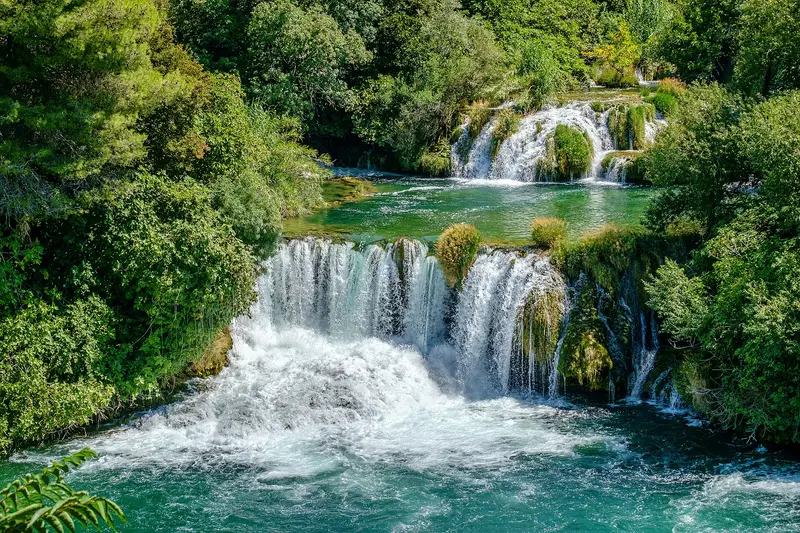
    Krka National Park

    Krka National Park protects the lower course of the Krka River in the Šibenik hinterland, featuring a chain of travertine waterfalls. The most famous is Skradinski buk, with 17 cascades, over which a wooden walkway leads.

    Discover
    Highlight 5 of 8

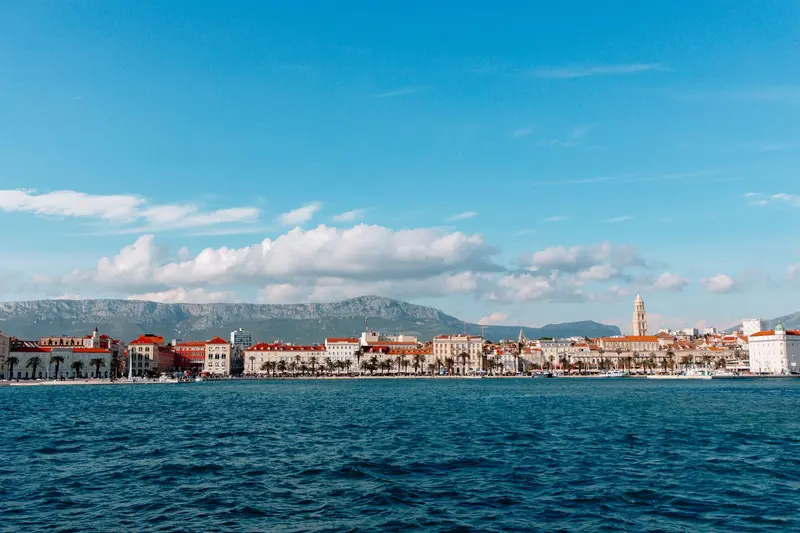
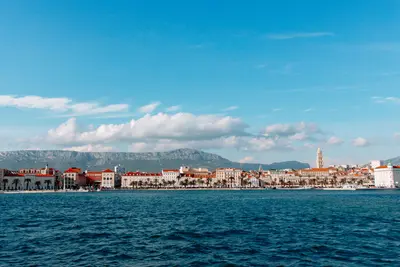
    Split is Croatia's second-largest city and the center of Dalmatia. Its heart is the palace, which the Roman Emperor Diocletian had built around 300 AD, and where people still live, run cafés, and shop today.

    Discover
    Highlight 6 of 8

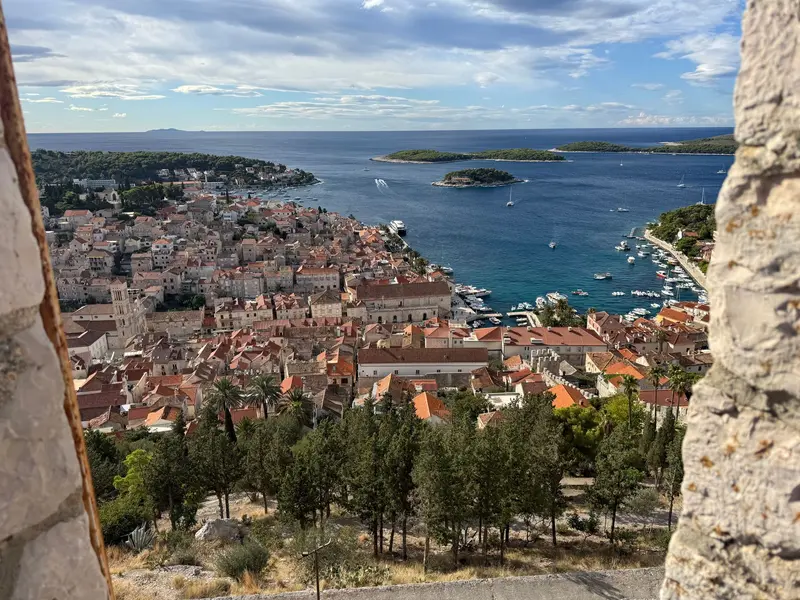
    Hvar, a long, narrow island south of Split, is one of the most famous in the Adriatic.

    Discover
    Korčula
    Highlight 7 of 8

    Korčula

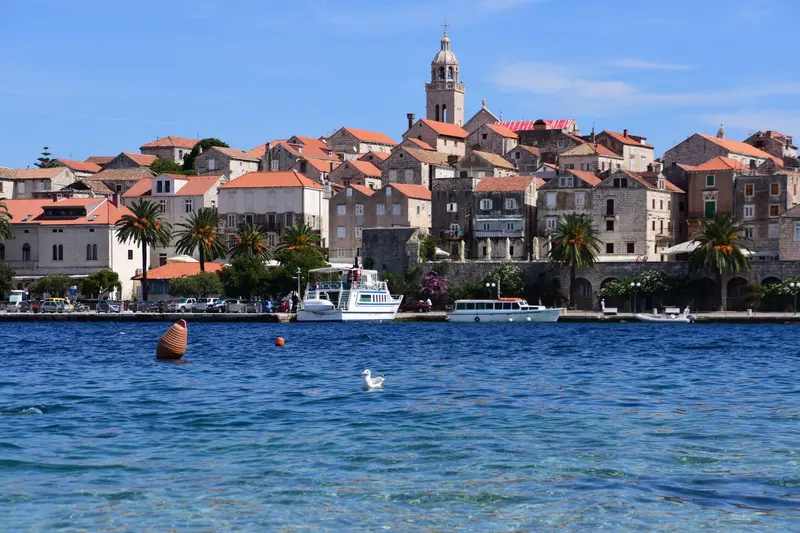
    Korčula is an island in South Dalmatia, its main town lying on a small peninsula, surrounded by walls and towers. In summer, the historical sword dance Moreška is performed there.

    Discover
    Highlight 8 of 8

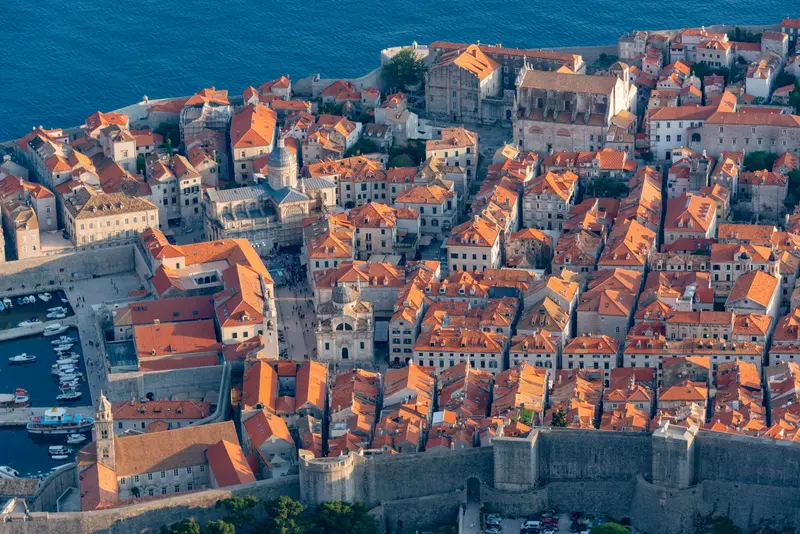
    Dubrovnik is a port city in the very south of Croatia, whose Old Town is entirely enclosed by an almost two-kilometer-long city wall.

    Discover

    More highlights in Croatia

    Unique experiences that make Croatia unforgettable.
    Zagreb

    Zagreb

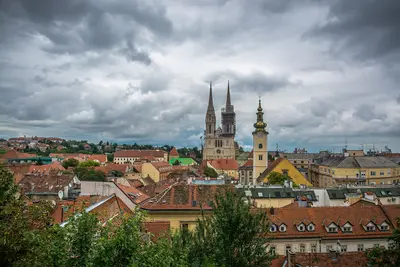
    Zagreb is the capital of Croatia and, with around 767,000 inhabitants, by far the largest city in the country. The historic Upper Town with its Cathedral, St. Mark's Church, and Lotrščak Tower, the squares and parks of the Lower Town, and numerous museums make it a unique destination away from the coast.The Upper Town originated from the settlements of Gradec and Kaptol, which were only unified in 1850. A short funicular connects it to the Lower Town.

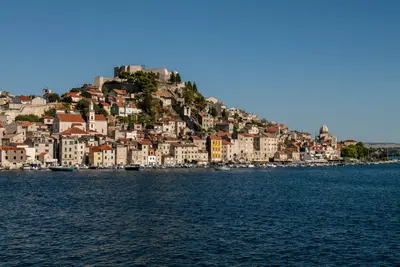
    Šibenik is a port city in North Dalmatia, located between Zadar and Split, with its Old Town rising steeply above the mouth of the Krka. No less than two structures are on the UNESCO World Heritage List: the Cathedral of St. James and St. Nicholas Fortress at the entrance to the channel.The city is a good starting point for Krka National Park and the Kornati Islands.
    Pula

    Pula

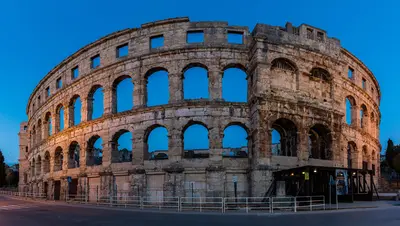
    Pula is the largest city in Istria and is located at the southern tip of the peninsula. Its landmark is one of the six largest preserved Roman arenas, complemented by a triumphal arch, a temple at the Forum, and a Venetian fortress above the city.Pula is a working and port city with a shipyard, not a holiday backdrop. From here, boats depart for Brijuni National Park.
    Trogir

    Trogir

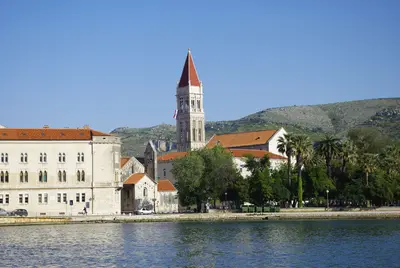
    Trogir is a small old town located on an island between the mainland and the island of Čiovo, approximately 27 kilometres west of Split. Its Hellenistic street network, the cathedral with Master Radovan's portal, and Kamerlengo Fortress have been on the UNESCO World Heritage List since 1997.

    How to plan your trip to Croatia

    From the guide to the road: here is what comes next.

    1. 1
      Sunrise over alpine peaks and a sea of clouds
      1234

      Round trip

      12 days · 4 stops

      Saved

      Pick a route

      Pick a ready-made one or save places and plan your own.

      Browse routes
    2. 2

      Trip to Croatia

      Live
      • 1Plitvice Lakes National Park3 days
      • 2Zadar4 days
      • 3Krka National Park5 days
      Budget

      Plan your trip

      The planner sorts stops, days and budget. Plan together in real time.

      Go to My Trips
    3. 3
      9:41 No signal
      Croatia
      Available offline

      Use it on the road

      Download the guide to your phone and use it on site, even offline.

    Regions to Discover

    Explore the diverse regions of Croatia.
    Kvarner

    Kvarner

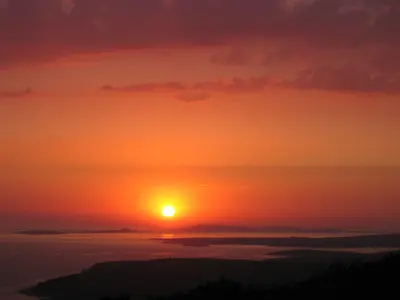
    The Kvarner Bay is located between Istria and the Croatian mainland, with the port city of Rijeka at its northern end. The seaside resort of Opatija and the islands of Krk, Cres, Lošinj, and Rab make it a varied region for city, beach, and island days.
    Slavonia

    Slavonia

    Slavonia is eastern Croatia, a vast plain between Drava, Sava and Danube. Baroque cities like Osijek, the floodplains of Kopački rit and wine towns like Ilok and Kutjevo showcase a side of the country that few coastal tourists know.
    Dalmatia S.

    Dalmatia S.

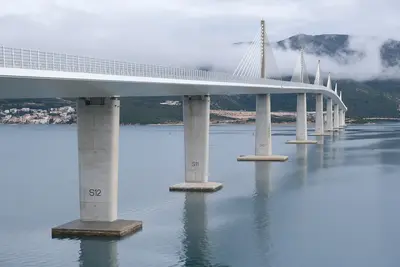
    South Dalmatia is the southernmost part of Croatia, featuring Dubrovnik, Korčula Island, the Pelješac Peninsula, and Mljet National Park. Since 2022, the Pelješac Bridge has directly connected the region with the rest of the country.
    North Dalmatia

    North Dalmatia

    Northern Dalmatia stretches from Zadar to Šibenik and includes the Krka and Kornati National Parks. Venetian fortresses, which are on the UNESCO World Heritage List, and the Krka waterfalls are the most famous destinations.
    Central Dalmatia

    Central Dalmatia

    Central Dalmatia is the area around Split, including the old town of Trogir, the Makarska Riviera, and the islands of Brač, Hvar, and Vis. Diocletian's Palace in Split and the ferry connections to the islands make the region the center of the Croatian coast.
    Istria

    Istria

    Istria is the largest peninsula of the Adriatic and is located in northwestern Croatia, near the border with Slovenia and Italy. Venetian port towns like Rovinj and Poreč, the Roman arena of Pula, and hill villages above the Mirna Valley make the region one of the most visited in the country.
    Zagreb and Northern Croatia

    Zagreb and Northern Croatia

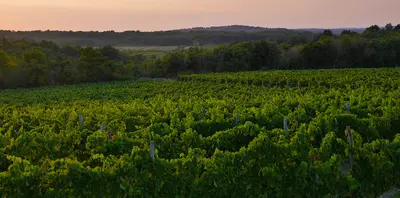
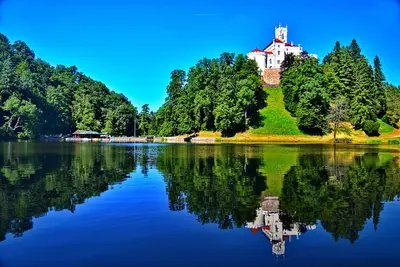
    Northern Croatia includes the capital Zagreb, the hilly Zagorje, and the baroque city of Varaždin. The region showcases the country's Central European face, with castles, vineyards, and coffee houses.
    Lika

    Lika

    Lika is the karst highlands between Velebit and the Plješevica mountains in the hinterland of the northern Adriatic. It is best known for the Plitvice Lakes National Park, the most visited national park in the country.

    Recommended Itineraries

    Discover the best routes through Croatia.
    From Zagreb via Plitvice to the Adriatic

    From Zagreb via Plitvice to the Adriatic

    The route connects the capital with the country's most famous National Park and then leads to the Dalmatian Coast to Zadar and Split.

    9 Days
    Open jaw
    Stops at a glance
    1. 1.Zagreb
    2. 2.Plitvice Lakes National Park
    3. 3.Zadar
    4. 4.Krka National Park
    5. 5.Split
    View Route Details →
    Dalmatian Coast from Split to Dubrovnik

    Dalmatian Coast from Split to Dubrovnik

    Inselhopping und Altstädte: von Split mit Fähren und Katamaranen über Hvar und Korčula nach Dubrovnik, mit Abstechern nach Trogir und Ston.
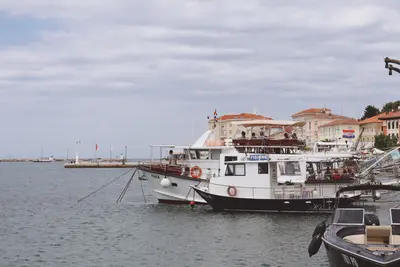
    11 Days
    Open jaw
    6 stops
    Istria and Kvarner

    Istria and Kvarner

    A round trip through the northwest of Croatia: Venetian coastal towns, hill villages with truffle cuisine, the Arena of Pula, and the seaside resorts and islands of Kvarner.

    9 Days
    6 stops

    What you eat in Croatia

    Istrian Truffles

    Istrian Truffles

    Truffles

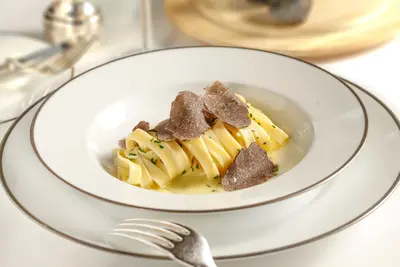
    White truffles grow in the forests of the Mirna Valley in Istria, with the season running from about September to January. In 1999, a record truffle of 1.31 kilograms was found here. Pasta or egg dishes with freshly shaved truffle are typical.
    Pašticada

    Pašticada

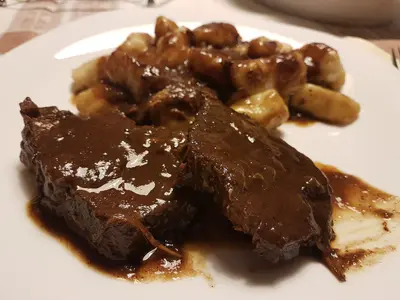
    Dalmatian Braised Pot Roast

    Beef is marinated in red wine and slowly braised with plums and bacon. Often served with gnocchi.
    Peka

    Peka

    Baked under the cloche

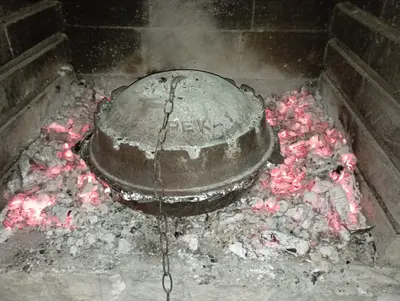
    Lamb, veal, or octopus are cooked with potatoes and vegetables under an ember-covered bell.
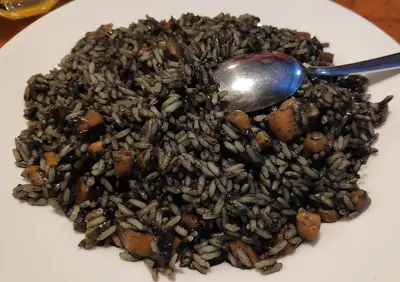
    Ink Risotto

    Ink Risotto

    Squid Ink Risotto

    The risotto gets its colour from the ink of cuttlefish or squid.
    Mali Ston Oysters

    Mali Ston Oysters

    Oysters from Ston

    Oysters have been farmed for centuries in the Bay of Mali Ston; the Republic of Ragusa protected their farming in 1787. Since 2020, they have borne an EU Protected Designation of Origin.
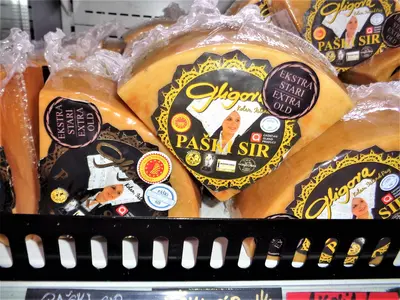
    Pag cheese

    Pag cheese

    Cheese from Pag Island

    The hard cheese is made from the milk of native Pag sheep and matures for at least 60 days. Since 2019, it has been protected as an EU Designation of Origin.
    Zagorski štrukli

    Zagorski štrukli

    Dough pockets from Zagorje

    Thin dough, filled with cream cheese, is cooked or baked. The specialty from the country's north has been protected as an EU geographical indication since 2022.
    Pršut and Kulen

    Pršut and Kulen

    Raw ham and paprika sausage

    Air-dried raw ham is available from Istria, Dalmatia, and Krk island, whose Pršut was the first Croatian product to get EU protection in 2015. Kulen is a spicy paprika sausage from Slavonia.

    Good to Know

    Essential info for your trip planning.

    Land & People

    According to the 2021 census, Croatia has approximately 3.87 million inhabitants, about 92 percent of whom are Croats.

    History & Society

    Croatia's history is shaped by changing rulers who left distinct traces along the coast and in the interior.

    Food & Drink

    Croatian cuisine is regional: the coast features fish, olive oil, and vegetables, while the interior is dominated by…

    Practical Info

    You can find current and binding travel, safety, and health information in the UK government's FCDO Travel Advice (gov.

    Getting Around

    Car is Croatia's most flexible transport. For islands, ferries or catamarans are needed; trains play a minor role for…

    RV Travel

    Croatia is a popular destination for RV and caravan trips. As of mid-2025, there were around 390 classified campsites,…

    Traveling with Kids

    Croatia is great for families: The Adriatic Sea is calm and warm, and distances between beach, old town, and national…

    Best Time to Visit

    When is the best time for your trip?

    May
    June
    September
    October
    18–24°C·49–82 mm(moderate rain)
    From May to mid-June and from mid-September to October, the coast is warm, the sea in September is still above 21°C, and cities like Dubrovnik and Split are less crowded than in peak summer. In July and August, highs in Split climb above 30°C.
    These figures apply to Split on the Dalmatian coast (climate average 1991-2020). Inland, the climate is continental: In Zagreb, maximum temperatures in July are around 28 degrees, and in January around 5 degrees, with frost at night. In summer, the risk of forest fires is high on the coast, and in winter, the Bora brings cold, strong wind.

    Seasons

    Jan
    Feb
    Mar
    Apr
    May
    Jun
    Jul
    Aug
    Sep
    Oct
    Nov
    Dec
    High season
    Quiet season
    Quiet time
    Best Time to Visit
    ▶Show detailed monthly data
    MonthTemp (°C)Rain (mm)
    January8.373
    February8.864
    March11.558
    April15.162
    May19.858
    June24.149
    July26.925
    August26.932
    September21.982
    October17.680
    November13.2120
    December9.599

    Travel advice

    Safety, entry requirements and health: the official, up-to-date advice for Croatia is published by the UK government on GOV.UK.

    Go to GOV.UK

    Sources & method

    • Photos: Wikimedia Commons, Unsplash, Pexels. Each photo carries its credit.
    • The content is based on web research from public, traceable sources. How the content is made · The role of AI
    Felix at Kuirau Park in Rotorua, New Zealand

    Who's behind Fernweh?

    Hi, I'm Felix.

    I love to travel, and I love planning even more. Fernweh.guide is my attempt at building a really good online travel guide.

    About Fernweh

    All places in Croatia

    • Central Dalmatia
    • Dalmatia S.
    • Istria
    • Korčula
    • Kornati National Park
    • Krk
    • Krka National Park
    • Kvarner
    • Lika
    • Makarska
    • Mali Lošinj
    • Mljet National Park
    • Motovun
    • Nature Park Kopački rit
    • Nin
    • North Dalmatia
    • Omiš
    • Opatija
    • Osijek
    • Plitvice Lakes National Park
    • Poreč
    • Pula
    • Rab
    • Slavonia
    • Ston and Pelješac
    • Trogir
    • Varaždin
    • Vis
    • Zadar
    • Zagreb
    • Zagreb and Northern Croatia

    More about Croatia

    • Best Time to Visit Croatia
    • Croatia with Kids
    • Croatia by RV