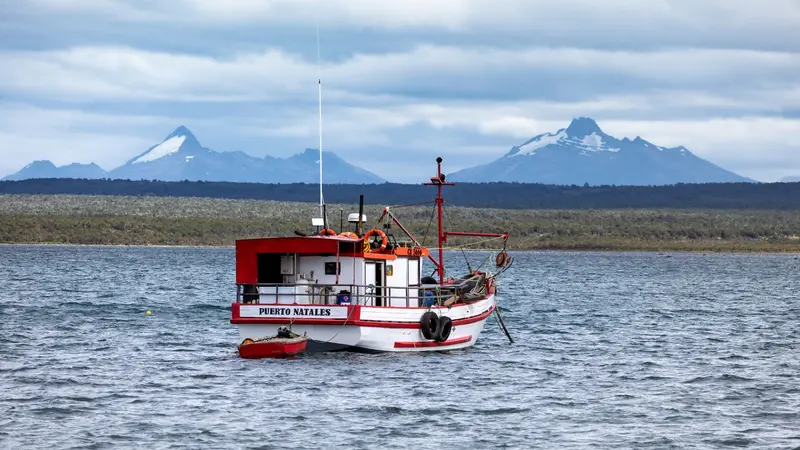
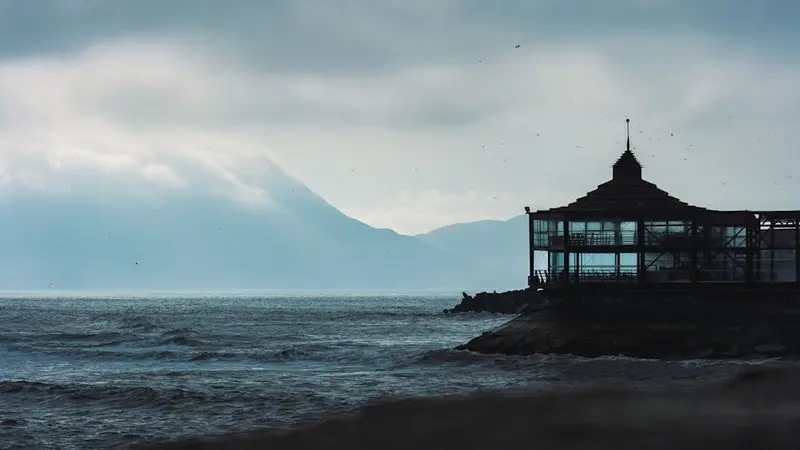
You start in Punta Arenas on the Strait of Magellan and, after two nights, travel about three hours by bus or rental car to Puerto Natales. From there, you can reach Torres del Paine National Park as a day trip, entirely without a multi-day trekking tour. You buy the park ticket online in advance via pasesparques.cl.
6 Days / 5 Nights
November–March
2 stops
Why This Route?
For those who want to experience Patagonia's landscape without trekking gear and with fixed accommodation.
Hidden Gems
Cueva del Milodón, around 24 km northwest of Puerto Natales
Penguin colony on Isla Magdalena, by boat from Punta Arenas between November and March
Cementerio Municipal Sara Braun in Punta Arenas with its cypress avenues
Itinerary
Stop 1 • 2 Nights
Punta Arenas
City
Perfect for an exciting city trip. Rich in culture and history and Culinary highlights.
Punta Arenas on the Strait of Magellan is the largest city in southern Chile and a starting point for penguin tours, Tierra del Fuego, and Torres del Paine. City palaces, museums, and a cemetery with cypress-lined avenues tell of the wealth from the sheep farming era around 1900. The capital of the Magallanes Region is also an important port for ships heading to Antarctica.
12 Sights
17 Restaurants
Culture, Arts, and History
From Penal Colony to Wool CityChile founded Punta Arenas in 1848 as a penal colony, after the first fort further south, Fuerte Bulnes, had been abandoned. Its location on the sea route between the Atlantic and Pacific made the city a trading port in the late 19th century, and sheep farming in the steppe brought great wealth. Immigrants came mainly from Croatia, Spain, and Great Britain; their names can still be found today on shops, clubs, and gravestones.Palaces and MausoleumsAround the Plaza Muñoz Gamero stand the city palaces of the wool families. The Palacio Sara Braun, built in 1895, was designed by French architect Numa Mayer with a mansard roof in the Parisian style; today it houses the Club de la Unión and a hotel. The Magellan Monument in the center of the Plaza was donated by wool entrepreneur José Menéndez for the 400th anniversary of Magellan's passage. On the Cementerio Municipal Sara Braun lie Menéndez, Sara Braun, and other pioneer families in magnificent mausoleums.Indigenous HistoryFor the Selk'nam, Aónikenk, Kawésqar, and Yámana, the city's rise meant displacement and persecution. The Salesians' Museo Maggiorino Borgatello displays ethnographic collections related to these peoples, as well as photographs by missionary Alberto de Agostini.
For adventure seekers. Perfect for unwinding and relaxation and Perfect for an exciting city trip.
Puerto Natales, which lies on Fjord Última Esperanza, is the main gateway to Torres del Paine National Park. This small town developed in the early 20th century around sheep farming and cold stores, and today lives primarily from tourism. Colorful wooden houses, a waterfront promenade, and many outfitters shape its center.
5 Sights
5 Restaurants
Culture, Art and History of Puerto Natales
From the Kawésqar to the SettlersLong before the city's founding, the Kawésqar lived along the Última Esperanza Fjord, navigating the channels by canoe, and the Aónikenk in the steppe. In the late 19th century, settlers arrived, primarily from Germany and Great Britain as well as Chiloé, to raise sheep. In 1895, the German pioneer Hermann Eberhard discovered the Cueva del Milodón.Founding and Frigorífico BoriesPuerto Natales was officially founded on May 31, 1911. A few kilometers north, starting in 1913, the Sociedad Explotadora de Tierra del Fuego built the cold storage plant Frigorífico Bories, where sheep were slaughtered and meat, fat, and wool processed for export. The facility has been a national monument since 1996 and now houses a hotel. The Museo Histórico Municipal on Calle Bulnes displays Kawésqar and Aónikenk artifacts, Eberhard memorabilia, and photos from the pioneering era.Colorful wooden and corrugated iron houses define the townscape. Wool and lamb continue to play a central role in handicrafts and cuisine.