Byralaal / Wikimedia Commons / CC BY-SA 4.0, mod.
Round trip · Nicaragua
Colonial cities, volcanoes and Pacific
by Felix Gillen
- 13 Days / 12 Nights
- León → San Juan del Sur
Classic Western Nicaragua loop: from university city León, past Masaya volcanoes and crater lake, to Granada, to Ometepe Island and San Juan del Sur's surf beaches. Short legs; buses and shuttles link all stops. With more time, add a flight to the Corn Islands.
At a glance
- Duration
- 13 Days / 12 Nights
- Stops
- 4 · León → San Juan del Sur
- Arrival
- Flight · Managua (MGA)
- Best Time to Go
- December to April
4 stops
Why This Route?
It connects the two major colonial cities with the best-known natural destinations on the Pacific side, without lengthy drives. Each stop offers something different: Culture in León and Granada, volcanoes near Masaya and on Ometepe, beach and surfing on the Pacific.
Hidden Gems
- Ruins of León Viejo on Lake Managua
- Evening visit to the crater of Masaya Volcano
- Mirador de Catarina overlooking Laguna de Apoyo
- Ojo de Agua spring pool on Ometepe
- La Flor Turtle Reserve during the season from July to January
Getting there and back
Round trip, returning to where you started
- Arrival
- Flight · Managua (MGA)From Augusto C. Sandino Airport, approx. 11 km E of Managua, to León by shuttle or rental car; Managua–León takes 1.5-2.5 hours depending on traffic.
- Departure
- Flight · Managua (MGA)From San Juan del Sur, the bus takes about three hours to Managua; shuttles or taxis are faster. Allow a buffer for your return flight.
Itinerary
León
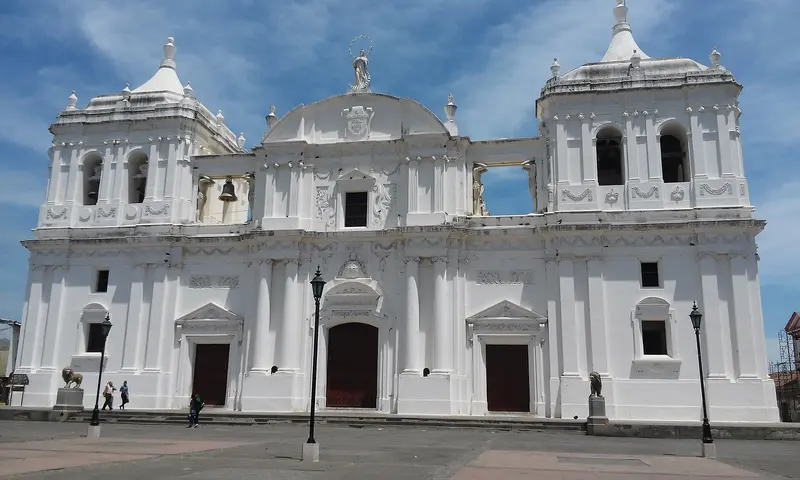
León, about 90 km northwest of Managua, is the country's vibrant university city, boasting colonial churches, murals, and museums. Its landmark is the Cathedral, the largest in Central America and a UNESCO World Heritage site, where the poet Rubén Darío is buried. The city was founded in 1524 and relocated to its current site after an earthquake in 1610; the old site, León Viejo, lies about 30 km to the east.
Cathedral with rooftop walk, museums; excursions to Cerro Negro, León Viejo, and Las Peñitas beach.
11 Sights
4 Restaurants
Culture and History
Founded TwiceFrancisco Hernández de Córdoba founded León in 1524 on Lake Managua. After the eruption of Momotombo and earthquakes, the city was abandoned in 1610 and rebuilt next to the indigenous village of Sutiava. The old city is now a UNESCO World Heritage site known as León Viejo. Until the mid-19th century, León was the country's capital.University and LiteratureUNAN-León University was founded in 1813, and its numerous students shape the city's character. Rubén Darío, founder of Modernismo, grew up here and is buried in the Cathedral. Numerous murals commemorate 20th-century history. The Museo Histórico de la Revolución is located in Parque Central, and three blocks south of the Cathedral, the Museo de Leyendas y Tradiciones is housed in a former National Guard barracks.FestivalsThe Gritería on December 7th originated in 18th-century León; as part of it, the giant figure Gigantona dances through the streets.
Granada
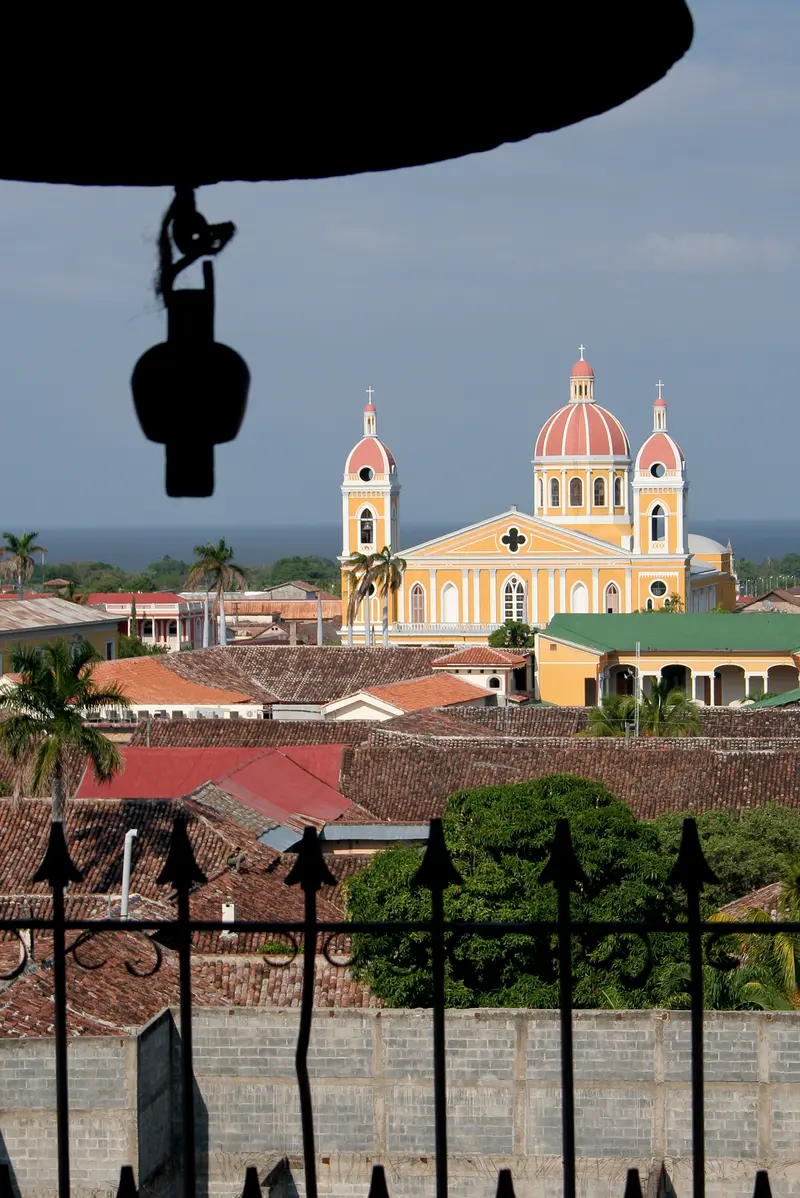
Located on the western shore of Lake Nicaragua, Granada entices with colorful colonial houses, churches, and squares against the backdrop of Mombacho Volcano, serving as the classic base for exploring western Nicaragua. Founded by Francisco Hernández de Córdoba in 1524, it ranks among the oldest Spanish cities on the American mainland. In 1856, the troops of adventurer William Walker burned Granada to the ground during their retreat, and many buildings were subsequently rebuilt.
Drive via Managua approx. 3 to 4 hours. Old Town, Isletas, Mombacho; excursions to Masaya Volcano (approx. 40 minutes) and Laguna de Apoyo (approx. 20 minutes).
10 Sights
6 Restaurants
Culture and History
Colonial City by the LakeGranada was founded in 1524 and named after the Spanish city. Connected to the Caribbean via Lake Nicaragua and the Río San Juan, it was repeatedly attacked by pirates in the 17th century. In 1856, William Walker made the city his headquarters; when his troops withdrew, they set Granada ablaze, leaving behind the inscription “Here was Granada.” The cathedral and many churches therefore date from a later period.FestivitiesDuring Semana Santa, Granada hosts the country's largest processions through its streets. In early December, the city celebrates La Purísima with concerts and fireworks at Parque Central, culminating in La Gritería on December 7th.VigorónGranada's typical dish is Vigorón, made of yuca, chicharrón, and coleslaw served on a banana leaf. According to tradition, María Luisa Cisnero Lacayo invented it in 1914. You can get it at the kiosks in Parque Central in front of the cathedral.
Ometepe
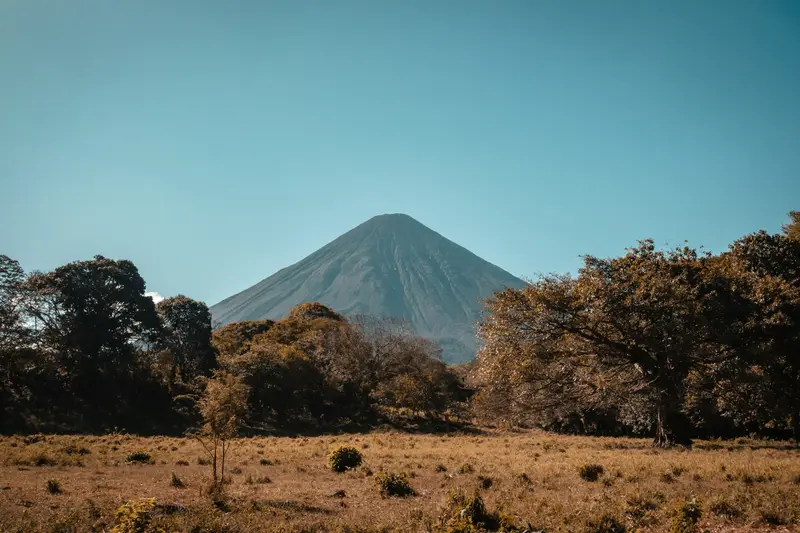
Ometepe in Lake Nicaragua consists of two volcanoes connected by a narrow land bridge: the active, symmetrical Concepción (approx. 1,610 m) and the forested Maderas (1,394 m) with a crater lagoon. The approximately 276 km² island has been a UNESCO Biosphere Reserve since 2010. Travelers come for hiking, petroglyphs, spring-fed pools, and the tranquil island life; the ferry from San Jorge near Rivas takes a good hour.
Granada–Rivas 1 to 2 hours, San Jorge–Moyogalpa ferry approx. 1 hour. Volcano hikes only with guide, Ojo de Agua, beaches.
10 Sights
4 Restaurants
Nature & Culture
Biosphere ReserveSince 2010, Ometepe has been a UNESCO Biosphere Reserve. Cloud forest grows on Maderas, and Reserva Charco Verde on the south coast offers short lakeside trails.PetroglyphsOn the Maderas side, research has identified over 70 sites with about 1,700 rock carvings, including Finca Magdalena. Pre-Columbian finds can be viewed at the Museo de Ometepe in Altagracia and the Museos El Ceibo near Moyogalpa.
San Juan del Sur
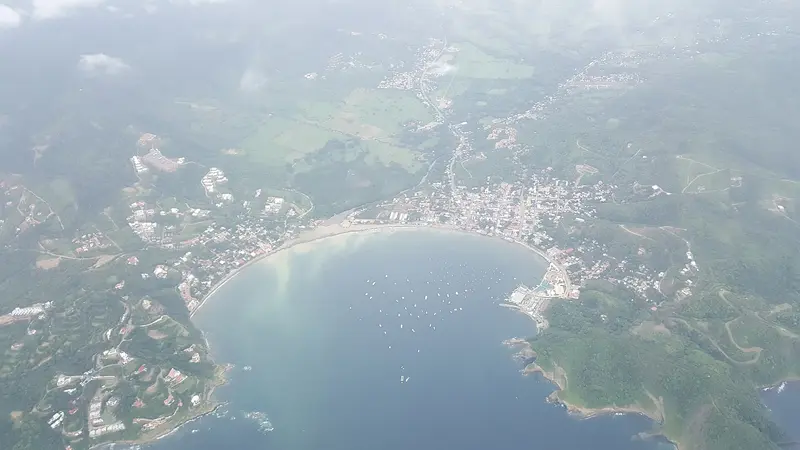
San Juan del Sur, on a crescent bay of Nicaragua's southern Pacific coast, is a popular resort and hub for local surf beaches. Weekdays are quiet; weekends bring many backpackers to party. Overlooking the bay is the Cristo de la Misericordia Christ statue; to its south, the La Flor turtle reserve.
Ferry back to San Jorge, then Rivas–San Juan del Sur about 1 hour by bus. Surf beaches, Cristo de la Misericordia, La Flor.
6 Sights
4 Restaurants
Surf and Nature
Surf BeachesPlaya Maderas: about 7 km north, waves year-round, best time April to September; beginners stay in the whitewash.Playa Remanso: smaller waves, good for beginners.Playa Hermosa: south of town, about 1.5 km long and less crowded.Turtles in La FlorAt the Refugio de Vida Silvestre La Flor, about 20 km south, olive ridley sea turtles arrive from July to January, sometimes by the thousands in so-called Arribadas, with the peak in September and October. Egg-laying usually takes place at night. Rangers provide information on when animals are expected.
Plan this route as your trip
All stops, trains and nights go into your trip planner. You adjust dates and places to stay afterwards.
This route is a suggestion from our research. Please check timetables, times in port, opening hours and prices before you book – what your tour operator or carrier says is what counts.
Fernweh is a free travel guide and trip planner: routes researched by people, taken over in one click, used day by day on the road. More about Fernweh
4 stops
Route Summary
Duration13 Days
Stops4 Places
TypeMixed