Fernweh: Home
ExploreGuideDestinationsMy tripsMy trip
de|en
  • Why go
  • Highlights
  • Regions
  • Round trips
  • Local food
  • Good to know
  • Best time to visit
  • Travel advice
Nicaragua

Photo by Fabian Wiktor on Pexels

Travel Guide Nicaragua

The UK FCDO currently does not advise against travel to any part of Nicaragua (still current at 2 November 2026). Read the current FCDO travel advice for Nicaragua before and during your trip.

by Felix Gillen

Why Go To Nicaragua?

Nicaragua connects colonial cities like Granada and León, the smoking volcanoes of the Pacific range, and Lake Nicaragua with its twin-volcano island Ometepe, all within relatively short distances. Additionally, you'll find surf beaches around San Juan del Sur, cool coffee highlands near Matagalpa, and the Caribbean Corn Islands with Creole culture. Visitors discover abundant nature and history, usually with manageable crowds.

Contents

  • Highlights
  • Regions
  • Round trips
  • Local food
  • Good to know
  • Best time to visit
  • Travel advice

Where in Nicaragua?

Pick an area. The highlights, road trips and places below follow your choice.

Highlights in Nicaragua

What you should have seen
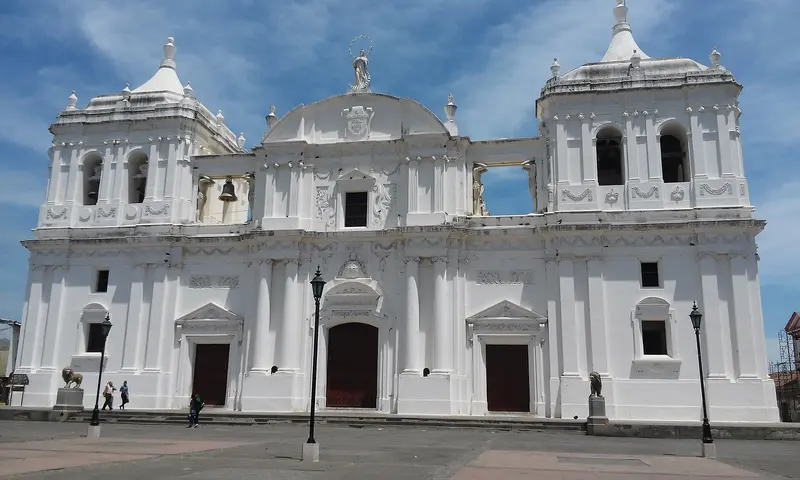
León

Byralaal / Wikimedia Commons / CC BY-SA 4.0, mod.
Highlight 1 of 4

León

León, about 90 km northwest of Managua, is the country's vibrant university city, boasting colonial churches, murals, and museums.

Discover
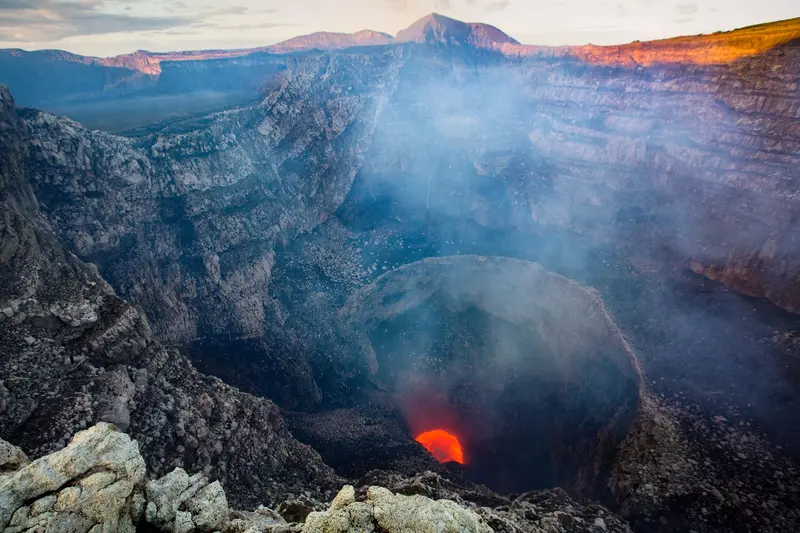
National Park Volcano Masaya

Photo by ROBERTO ZUNIGA on Pexels

Highlight 2 of 4

National Park Volcano Masaya

Masaya Volcano National Park, between Managua and Granada, is Nicaragua's first national park.

Discover
Laguna de Apoyo

Zuluniga / Wikimedia Commons / CC0

Highlight 3 of 4

Laguna de Apoyo

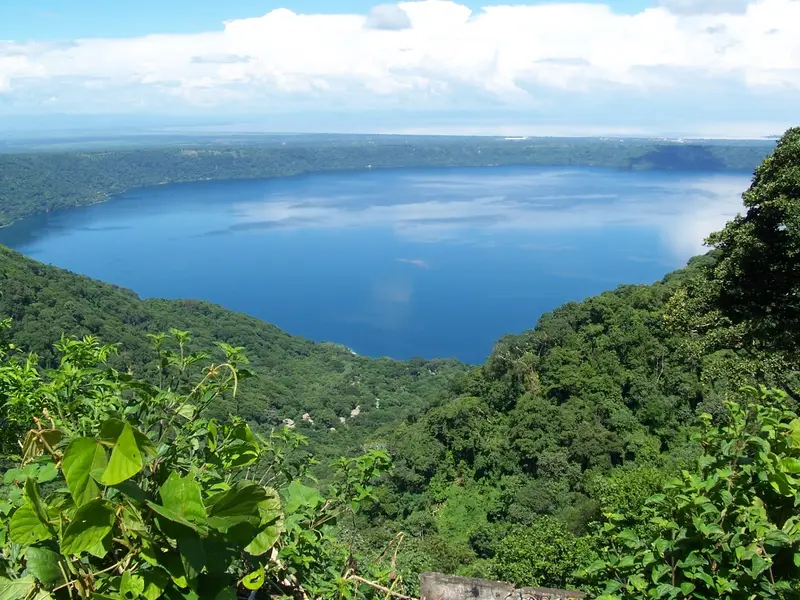
Laguna de Apoyo, located between Granada and Masaya, is a clear crater lake formed approximately 23,000 years ago when a volcano collapsed. Travelers come here to swim, kayak, and relax on its forested shores, just about 20 minutes from Granada.

Discover
Granada

Sebastian Scheper / Wikimedia Commons / CC BY-SA 4.0, mod.

Highlight 4 of 4

Granada

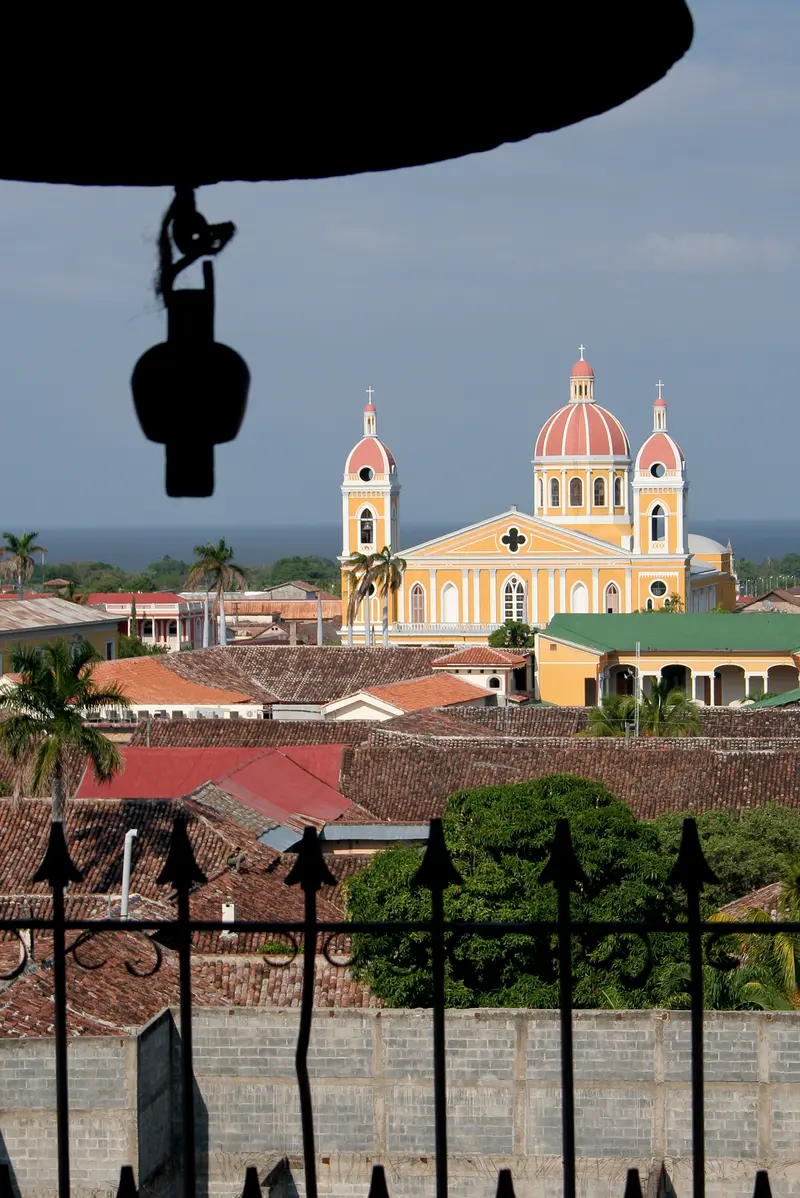
Located on the western shore of Lake Nicaragua, Granada entices with colorful colonial houses, churches, and squares against the backdrop of Mombacho Volcano, serving as the classic base for exploring western Nicaragua.

Discover

More highlights in Nicaragua

Ometepe

Ometepe

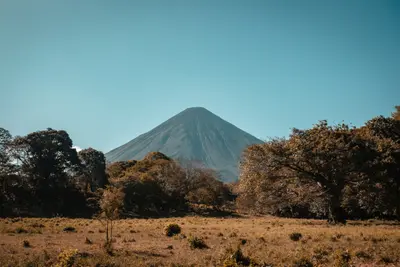
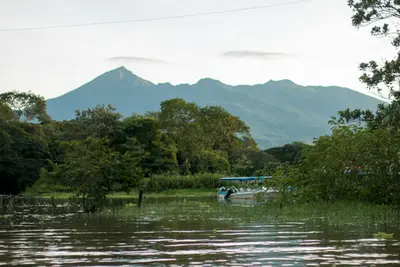
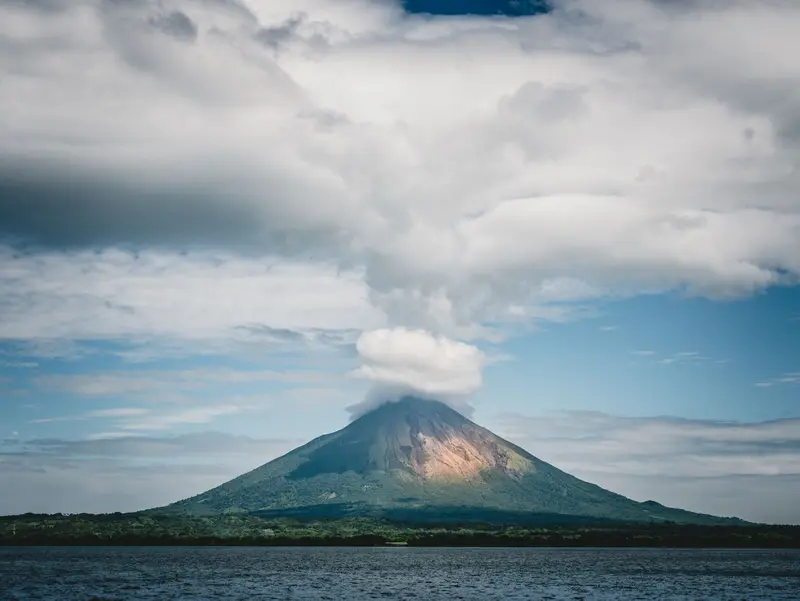
Ometepe in Lake Nicaragua consists of two volcanoes connected by a narrow land bridge: the active, symmetrical Concepción (approx. 1,610 m) and the forested Maderas (1,394 m) with a crater lagoon. The approximately 276 km² island has been a UNESCO Biosphere Reserve since 2010. Travelers come for hiking, petroglyphs, spring-fed pools, and the tranquil island life; the ferry from San Jorge near Rivas takes a good hour.

Sophie·Unsplash

San Juan del Sur

San Juan del Sur

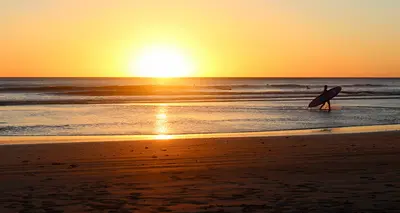
San Juan del Sur, on a crescent bay of Nicaragua's southern Pacific coast, is a popular resort and hub for local surf beaches. Weekdays are quiet; weekends bring many backpackers to party. Overlooking the bay is the Cristo de la Misericordia Christ statue; to its south, the La Flor turtle reserve.

JorgeRodriguez·CC BY-SA 4.0

El Castillo

El Castillo

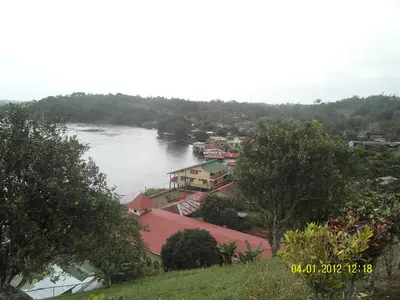
The river village of El Castillo, on the Río San Juan in southeastern Nicaragua, near the border with Costa Rica, is overlooked by the Spanish fortress Inmaculada Concepción, built from 1673 to 1675 against pirates. Travelers come for the boat trip on the river, the fortress, and the rainforest; the village is only accessible by boat. It is a starting point for tours into the Indio Maíz rainforest reserve.

Hobbitschuster·CC BY-SA 4.0

Corn Islands

Corn Islands

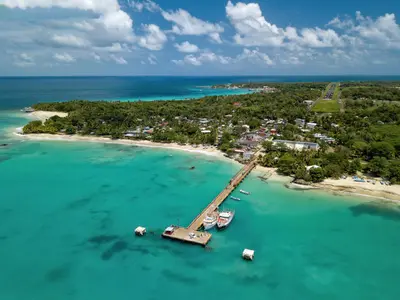
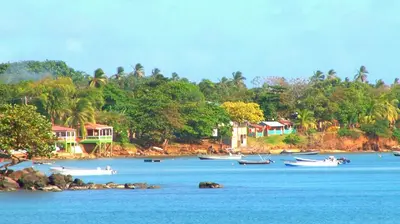
The Corn Islands are located about 70 km off the Caribbean coast: Great Corn (Big Corn, approx. 10 km²) and the smaller, car-free Little Corn. Travelers come for white sandy beaches, reefs for snorkeling and diving, and the English-speaking Creole culture. The flight time from Managua is just over an hour.

Roberto Zuniga·Pexels

Matagalpa

Matagalpa

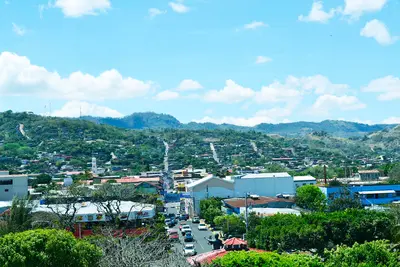
Matagalpa, the 'Pearl of the North', is located approximately 130 km northeast of Managua in cool, green mountains. The city is one of the centers of Nicaraguan coffee cultivation: In the 1850s, German immigrants planted the first coffee trees here. Travelers come for finca visits, hikes in the mountain forest, and the pleasant climate.

Mimatagalpa·CC BY-SA 4.0

How to plan your trip to Nicaragua

From the guide to the road: here is what comes next.

  1. 1
    Sunrise over alpine peaks and a sea of clouds
    1234

    Round trip

    12 days · 4 stops

    Saved

    Pick a route

    Pick a ready-made one or save places and plan your own.

    Browse routes
  2. 2

    Trip to Nicaragua

    Live
    • 1León3 days
    • 2National Park Volcano Masaya4 days
    • 3Laguna de Apoyo5 days
    Budget

    Plan your trip

    The planner sorts stops, days and budget. Plan together in real time.

    Go to My Trips
  3. 3
    9:41 No signal
    Nicaragua
    Available offline

    Photo by Fabian Wiktor on Pexels

    Use it on the road

    Download the guide to your phone and use it on site, even offline.

Regions to Discover

Explore the diverse regions of Nicaragua.
Río San Juan

Río San Juan

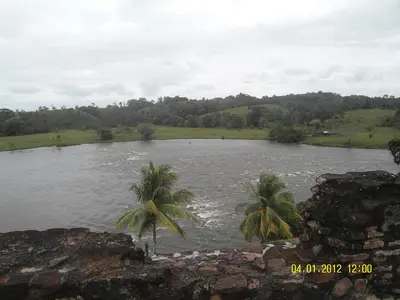
The Río San Juan flows from Lake Nicaragua to the Caribbean and for long stretches forms the border with Costa Rica. The starting point is San Carlos on the south-eastern shore of the lake, from where boats run to the Spanish fortress of El Castillo and to the Solentiname archipelago with its well-known school of painters. The area is remote and has hardly any roads, so allow plenty of time and cash. For safety information on Río San Juan department, see the UK FCDO travel advice.

Hobbitschuster·CC BY-SA 4.0

Granada and Masaya

Granada and Masaya

Between Managua and Lake Nicaragua, the country's most visited destinations are close by: the colonial city of Granada on the lake shore, the artisan city of Masaya with its active volcano, and the crater lagoon Laguna de Apoyo for swimming. From Granada, Laguna de Apoyo is about 20 minutes by car; Masaya lies about 14 km west.

Alvison Lucas Hunter Arnuero·Unsplash

Ometepe and the South

Ometepe and the South

In the south of the country, in the Department of Rivas, two of Nicaragua's most popular destinations are located close to each other: the twin-volcano island of Ometepe in Lake Nicaragua and the surf town San Juan del Sur on the Pacific coast. Rivas is the hub: From there, a bus takes about an hour to San Juan del Sur, and in nearby San Jorge, ferries depart for Ometepe, with the crossing also taking about an hour.

Paul Biondi·CC0

Northern Highlands

Northern Highlands

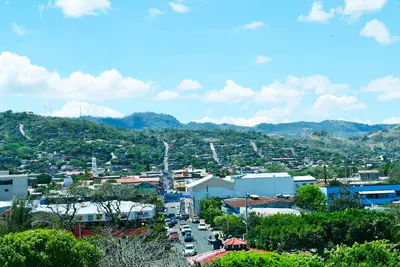
In the north the land rises into cooler mountains. Around Matagalpa, Jinotega, Estelí and Nueva Segovia lie the country's most important coffee-growing areas, and around Estelí tobacco is also processed into cigars. Hikes lead into cloud forests such as the Miraflor reserve and into the Cañón de Somoto near the border with Honduras. From Managua, buses take about 2.5 hours to Matagalpa and about three to Estelí. For safety information on areas outside the towns in the northern departments, see the UK FCDO travel advice.

Mimatagalpa·CC BY-SA 4.0

Caribbean

Caribbean

The Caribbean side is rainy, sparsely populated and culturally distinct: many people speak English Creole, alongside Indigenous languages such as Miskito. For travellers the main draw is the Corn Islands, about 70 km offshore, which you reach from Managua with La Costeña in a little over an hour. For information on boats and safety in the region, see the UK FCDO travel advice.

INTUR Corn Island·CC BY-SA 4.0

León and the Northwest

León and the Northwest

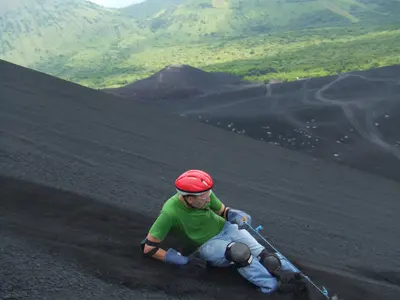
The northwest is the land of the Cordillera de los Maribios volcanic range. At its heart is the university city of León, home to Central America's largest cathedral, which, like the ruins of León Viejo by Lake Managua, is a UNESCO World Heritage site. East of the city rises the young volcano Cerro Negro, while about 20 km to the west lie the Pacific beaches of Las Peñitas and Poneloya.

NicaPlease·CC0

Recommended Itineraries

Discover the best routes through Nicaragua.

Colonial cities, volcanoes and Pacific

Classic Western Nicaragua loop: from university city León, past Masaya volcanoes and crater lake, to Granada, to Ometepe Island and San Juan del Sur's surf beaches. Short legs; buses and shuttles link all stops. With more time, add a flight to the Corn Islands.

13 Days
Stops at a glance
  1. 1.León
  2. 2.Granada
  3. 3.Ometepe
  4. 4.San Juan del Sur
View Route Details →

What you eat in Nicaragua

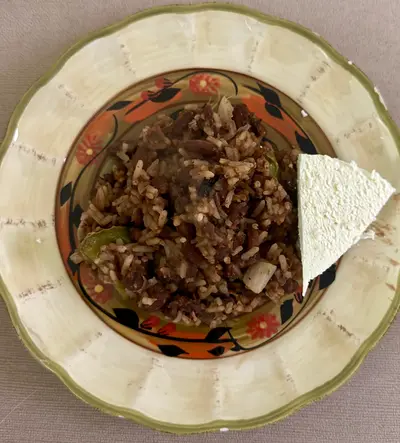
Gallo pinto

Gmasmcal·CC BY 4.0

Gallo pinto

Rice with red beans

The national dish: rice and red beans, fried with onion, bell pepper, and garlic. Gallo pinto often appears on the table in Nicaragua already for breakfast and accompanies many meals as a side dish.
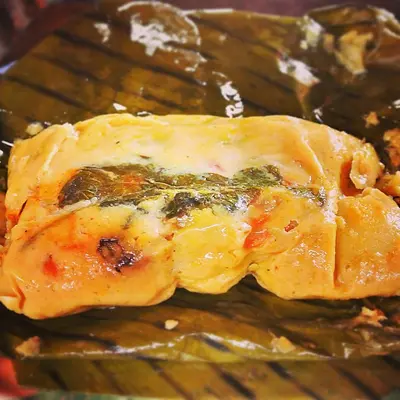
Nacatamal

MiguelRamirez77·CC BY-SA 4.0

Nacatamal

Corn pouch in banana leaf

Spiced corn dough with pork, rice, potato and mint (Hierbabuena), wrapped in banana leaves and long-cooked. Nacatamales are traditionally a weekend breakfast.
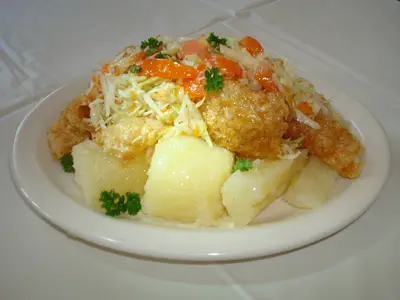
Vigorón

Nicaraguan food·public domain

Vigorón

Yuca with Chicharrón from Granada

Cooked Yuca with crispy pork belly (Chicharrón) and Curtido, a cabbage salad with vinegar and chili, served on a banana leaf. Vigorón comes from Granada and is sold at stalls in Parque Central there.
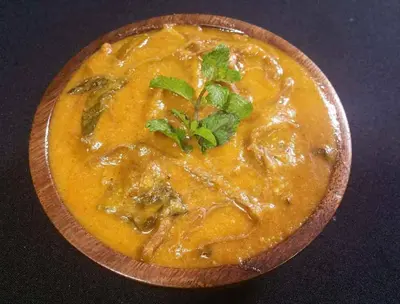
Indio viejo

MiguelRamirez77·CC BY-SA 4.0

Indio viejo

Stew with corn dough

A stew of pre-Columbian origin made from shredded beef, thickened with corn masa and seasoned with mint, bitter orange, and achiote. Its consistency is thick and velvety.
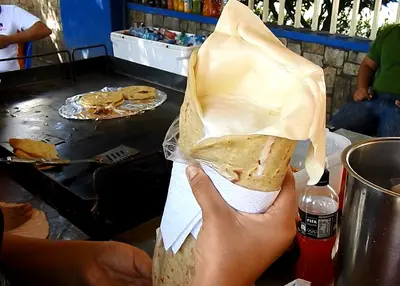
Quesillo

Glados890·CC BY-SA 4.0

Quesillo

Cream cheese tortilla

A warm corn tortilla with soft cheese, pickled onions, and cream, often sold in a takeaway bag. The Quesillo stands in La Paz Centro, on the road from Managua to León, are well-known.

Rondón

Rundown, Caribbean coconut stew

The typical dish of the Caribbean coast: a spicy stew with coconut milk, fish or seafood and root vegetables like Yuca, often with breadfruit. It has Jamaican roots and is prepared on the Corn Islands and in Bluefields.

Good to Know

Essential info for your trip planning.

Key facts

Managua · 6.9 million (2024) · 130,370 km²

Land & People

Between the Pacific and the CaribbeanNicaragua, covering approximately 130,000 km², is Central America’s largest…

History & Society

Colonial Era and IndependenceThe country's name goes back to the indigenous ruler Nicarao, whom the Spaniard Gil…

Food & Drink

Corn, Beans, and PlantainsNicaraguan cuisine is hearty and based on corn, rice, beans, yuca, and plantains.

Practical Info

Safety and HealthFor current and authoritative safety and health information, see the UK Foreign, Commonwealth &…

Getting Around

ArrivalInternational flights land at Augusto C. Sandino airport (MGA), about 11 km east of Managua.

Traveling with Kids

Swimming and WaterLaguna de Apoyo: The clear crater lake near Granada and Masaya is good for swimming and kayaking.

Best Time to Visit

When is the best time for your trip?

December
January
February
March
April
26–29°C·1–8 mm(little rain)
On the Pacific side, with Granada, León, and Ometepe, the dry season from December to April is the most popular time to travel; from March onwards, it gets very hot. During the rainy season from May to November, it usually rains heavily in the afternoons; the landscape is green and it's quieter. In July and August, the Canícula often brings a break in the rain.
Climate data for Managua (airport, normal values 1991 to 2020). The highlands around Matagalpa and Estelí are considerably cooler. On the Caribbean coast, including Bluefields and the Corn Islands, it rains all year, most heavily in summer. The hurricane season lasts approximately from May to November; the Federal Foreign Office provides advice on this.

Seasons

Jan
Feb
Mar
Apr
May
Jun
Jul
Aug
Sep
Oct
Nov
Dec
Dry season (summer)
Rainy season (winter)
Best Time to Visit
▶Show detailed monthly data
MonthTemp (°C)Rain (mm)
January26.51
February27.22
March28.34
April29.35
May28.985
June27.8208
July27.5126
August27.6135
September27.3245
October26.9282
November26.648
December26.38

Travel advice

Safety, entry requirements and health: the official, up-to-date advice for Nicaragua is published by the UK government on GOV.UK.

Go to GOV.UK
Sources & method

  • Photos: Wikimedia Commons, Unsplash, Pexels. Each photo carries its credit.
  • The content is based on web research from public, traceable sources. How the content is made · The role of AI
Felix at Kuirau Park in Rotorua, New Zealand

Who's behind Fernweh?

Hi, I'm Felix.

I love to travel, and I love planning even more. Fernweh.guide is my attempt at building a really good online travel guide.

About Fernweh

All places in Nicaragua

  • Bluefields and Pearl Lagoon
  • Caribbean
  • Corn Islands
  • El Castillo
  • Estelí
  • Granada
  • Granada and Masaya
  • Jinotega
  • Laguna de Apoyo
  • León
  • León and the Northwest
  • Managua
  • Masaya
  • Matagalpa
  • National Park Volcano Masaya
  • Northern Highlands
  • Ometepe
  • Ometepe and the South
  • Popoyo and Playa Gigante
  • Río San Juan
  • San Juan del Sur
  • Somoto

More about Nicaragua

  • Best Time to Visit Nicaragua
  • Nicaragua with Kids
All Places & RegionsRound tripsNight trains in EuropeAll highlightsAbout FernwehFAQPrivacy PolicyImprint
Download on the App StoreGet it on Google Play
ExploreGuideDestinationsMy tripsMy trip