Fernweh: Home
ExploreGuideDestinationsMy tripsMy trip
de|en
All Places & RegionsRound tripsNight trains in EuropeAll highlightsAbout FernwehFAQPrivacy PolicyImprint
Download on the App StoreGet it on Google Play
ExploreGuideDestinationsMy tripsMy trip
    • Places in the region
    • Recommendations
    • Getting around
    • Round trips
    • Nearby
    León and the Northwest

    NicaPlease / Wikimedia Commons / CC0

    Nicaragua

    León and the Northwest

    Region

    The northwest is the land of the Cordillera de los Maribios volcanic range.

    by Felix Gillen

    1. Home
    2. Destinations
    3. Nicaragua
    4. León and the Northwest
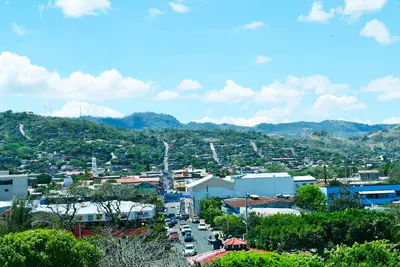
    The northwest is the land of the Cordillera de los Maribios volcanic range. At its heart is the university city of León, home to Central America's largest cathedral, which, like the ruins of León Viejo by Lake Managua, is a UNESCO World Heritage site. East of the city rises the young volcano Cerro Negro, while about 20 km to the west lie the Pacific beaches of Las Peñitas and Poneloya.
    Nicaragua travel guideSee the round tripPlan a trip with León and the Northwest

    Contents

    • Places in the region
    • Recommendations
    • Getting around
    • Round trips
    • Nearby

    More places in León and the Northwest

    León

    Byralaal·CC BY-SA 4.0

    León

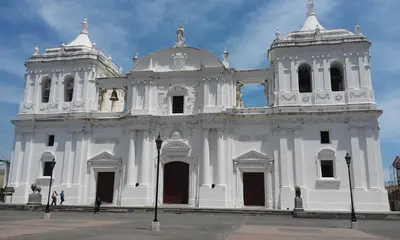
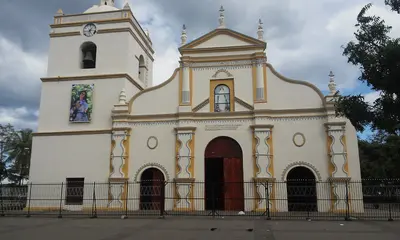
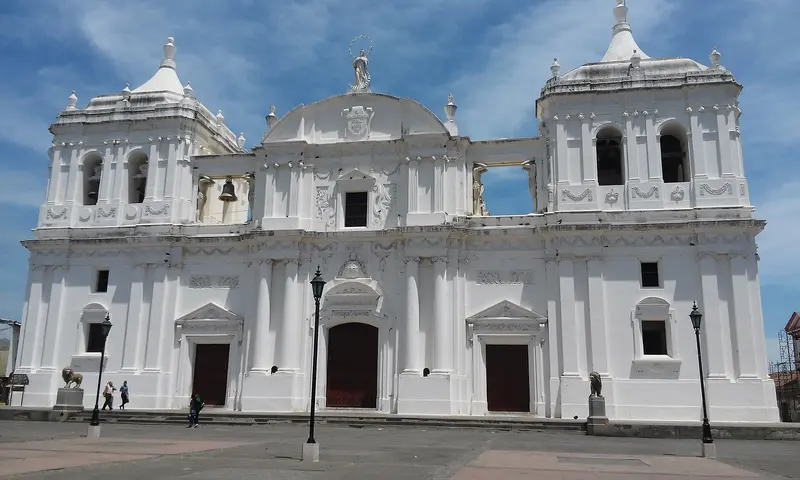
    León, about 90 km northwest of Managua, is the country's vibrant university city, boasting colonial churches, murals, and museums. Its landmark is the Cathedral, the largest in Central America and a UNESCO World Heritage site, where the poet Rubén Darío is buried. The city was founded in 1524 and relocated to its current site after an earthquake in 1610; the old site, León Viejo, lies about 30 km to the east.

    Sights in León and the Northwest

    Discover the most important sights and attractions

    Ruins of León Viejo

    “Leon Viejo - panoramio” by pr47 / Wikimedia Commons / CC BY-SA 3.0, mod.

    Attraction

    Ruins of León Viejo

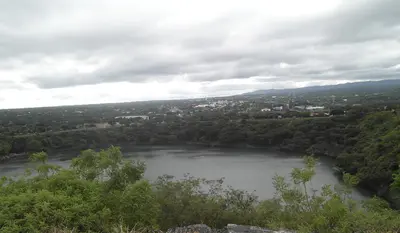
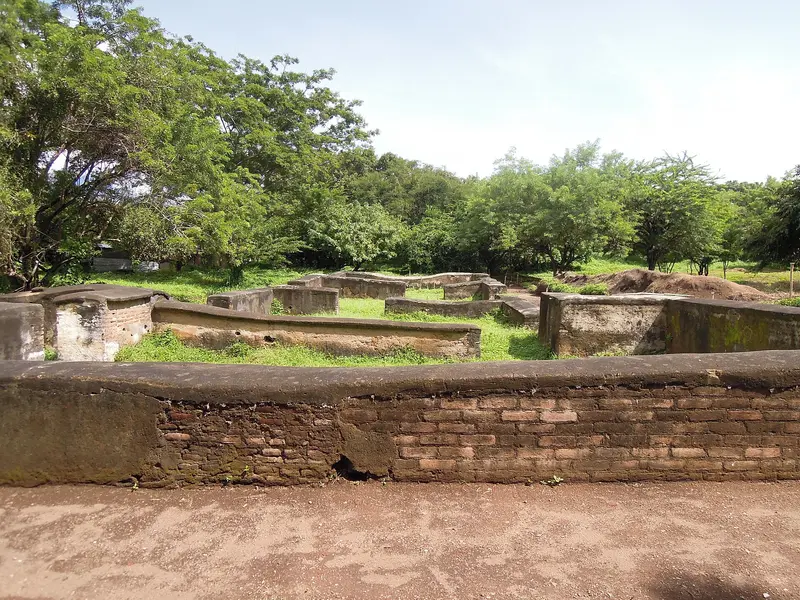
    The ruins of the first city of León are located near Puerto Momotombo on the shore of Lake Managua, about 30 km east of present-day León. Founded in 1524, the city was abandoned after the 1578 eruption of Momotombo and 1610 earthquakes, and only rediscovered in 1967; since 2000, it has been Nicaragua's first UNESCO World Heritage site. Visible are the mostly knee-high foundations of the Cathedral, La Merced Convent, and foundry, against the backdrop of Momotombo. In 2000, the remains of the city's founder, Francisco Hernández de Córdoba, were found here. Admission includes a Spanish-speaking guided tour; the last bus back to La Paz Centro departs in the afternoon.
    Open in Google Maps
    Volcano Cerro Negro

    “Cerro Negro Volcano - Near Leon - Nicaragua - 08 (31609309945)” by Adam Jones / Wikimedia Commons / CC BY-SA 2.0, mod.

    Natural Feature

    Volcano Cerro Negro

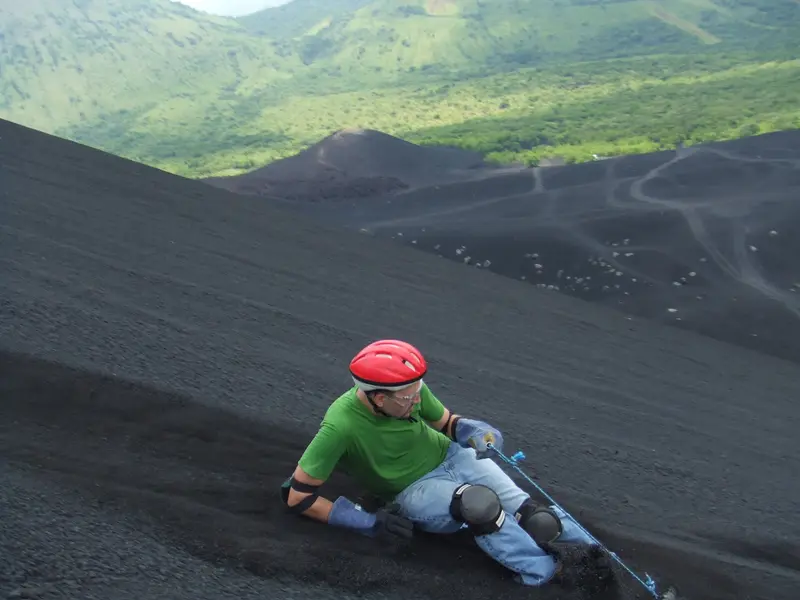
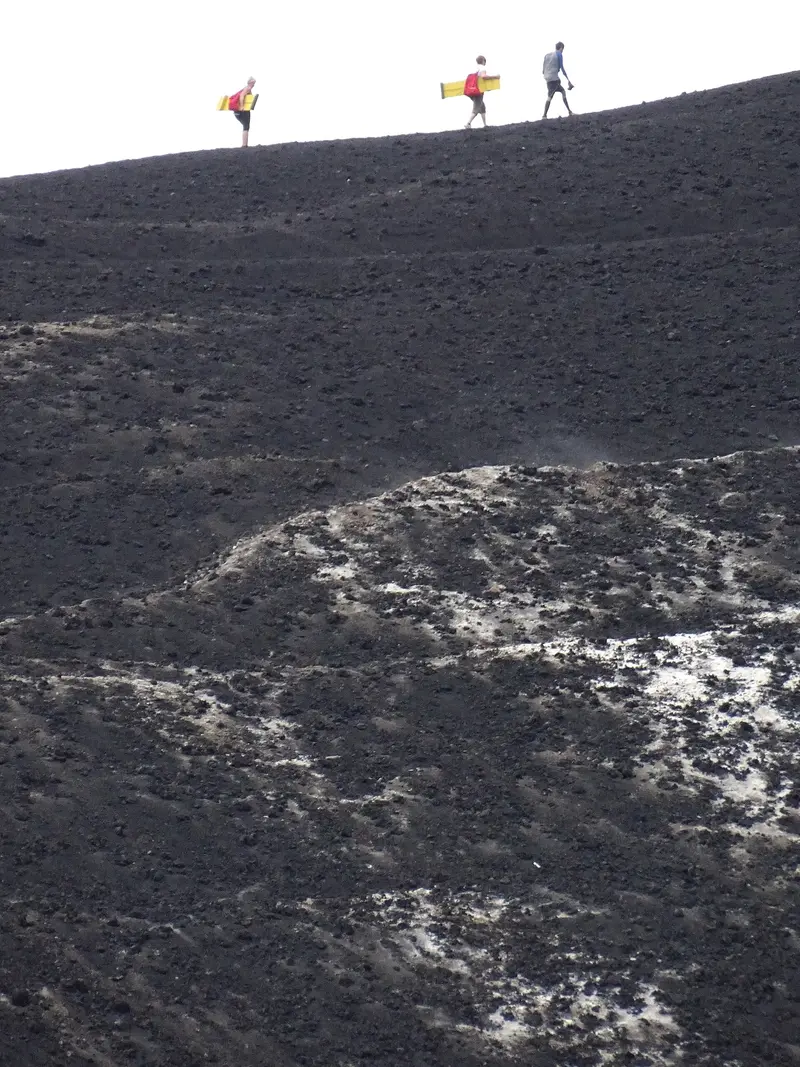
    This black cinder cone about 20 km northeast of León only formed in April 1850 and is considered Central America's youngest volcano. It is about 730 m high and has erupted roughly two dozen times since, most recently in August 1999. It is known for volcano boarding: after a climb of just under an hour over loose ash you slide down the steep slope on a board, wearing a protective suit and goggles. A fee is charged at the entrance to the protected area. For volcanic activity and safety see the FCDO travel advice.
    Open in Google Maps
    Park

    Las Peñitas and Reserva Natural Isla Juan Venado

    About 20 km west of León are the Pacific beaches Las Peñitas and Poneloya, about 30 minutes away by bus and popular with surfers. Off Las Peñitas lies the narrow barrier island Juan Venado, a nature reserve since 1983, with mangroves, water birds, and crocodiles; boat and kayak tours depart from the town. Before swimming, ask about currents and never go into the sea alone.
    Open in Google Maps

    Getting there and around

    Getting ThereFrom Managua, León is 1.5 to 2.5 hours away by bus, shuttle or hire car, depending on traffic.Tourist shuttles also link León directly with Granada and San Juan del Sur.In the RegionLeón is the base for trips to Cerro Negro, the ruins of León Viejo and the beaches of Las Peñitas.Buses to León Viejo run via La Paz Centro; the last one back leaves around 3 pm.For volcanic activity and safety, see the UK FCDO travel advice for Nicaragua.

    Round trips through this region

    Colonial cities, volcanoes and Pacific

    Colonial cities, volcanoes and Pacific

    Classic Western Nicaragua loop: from university city León, past Masaya volcanoes and crater lake, to Granada, to Ometepe Island and San Juan del Sur's surf beaches. Short legs; buses and shuttles link all stops. With more time, add a flight to the Corn Islands.

    13 Days
    4 stops

    Byralaal·CC BY-SA 4.0

    Nearby

    Managua

    Managua

    Managua, on the southern shore of Lake Managua (also called Xolotlán), has been Nicaragua's capital since 1852 and, with around one million inhabitants (2023 estimate), is the country's largest city. The earthquake of 23 December 1972 destroyed around 90 per cent of the old centre; figures for the death toll vary widely. For most travellers Managua is above all the arrival point at the international airport and a transport hub, with buses to every part of the country.For information on crime, including at the airport and bus stations, and on earthquakes, see the UK FCDO travel advice.

    Hobbitschuster·CC BY-SA 4.0

    National Park Volcano Masaya

    National Park Volcano Masaya

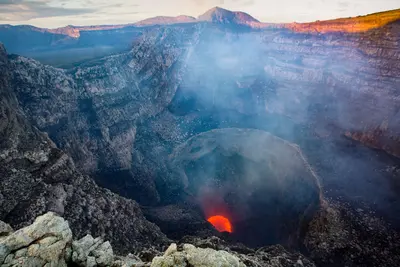
    Masaya Volcano National Park, between Managua and Granada, is Nicaragua's first national park. You drive by car or on a guided tour right up to the rim of the active Santiago crater, where gases rise; in the evening a red glow may be visible deep inside, depending on activity.For volcanic activity and safety, see the FCDO travel advice for Nicaragua. In 2024 a landslide buried the lava lake and the park closed temporarily; since then the glow has been visible to varying degrees depending on activity.

    ROBERTO ZUNIGA·Pexels

    Estelí

    Estelí

    Estelí, 150 km north of Managua, is northern Nicaragua's largest city, famed for cigar factories. It hosts Joya de Nicaragua, the country's oldest premium cigar brand. Colorful murals adorn the city. For travelers, Estelí serves as a key base for the Miraflor Cloud Forest Reserve and Cañón de Somoto.

    Pasionyanhelo·CC BY-SA 4.0

    Masaya

    Masaya

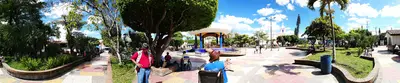
    Masaya, situated between Managua and Granada, is known as "Cuna del Folclore Nicaragüense," the cradle of Nicaraguan folk culture. Visitors are drawn by its artisan market, the indigenous quarter of Monimbó, and the festivals honoring San Jerónimo, which span several months. Just outside the city is Masaya Volcano National Park; nearby are the Pueblos Blancos, featuring Catarina's viewpoint overlooking Laguna de Apoyo.

    Byralaal·CC BY-SA 4.0

    Northern Highlands

    Northern Highlands

    In the north the land rises into cooler mountains. Around Matagalpa, Jinotega, Estelí and Nueva Segovia lie the country's most important coffee-growing areas, and around Estelí tobacco is also processed into cigars. Hikes lead into cloud forests such as the Miraflor reserve and into the Cañón de Somoto near the border with Honduras. From Managua, buses take about 2.5 hours to Matagalpa and about three to Estelí. For safety information on areas outside the towns in the northern departments, see the UK FCDO travel advice.

    Mimatagalpa·CC BY-SA 4.0

    Your next steps

    León and the Northwest is in Nicaragua. Ways to carry on from here.

    • More in Nicaragua

      Highlights, areas, routes and the best time to travel for all of Nicaragua.

      Nicaragua travel guide
    • Round trips with León and the Northwest

      One route passes through León and the Northwest, with stops, nights and a map.

      See the round trip
    • Plan a trip with León and the Northwest

      The Guide asks about season, length and who is coming, and suggests a trip with León and the Northwest.

      Plan the trip

    Sources & method

    • Photos: Wikimedia Commons. Each photo carries its credit.
    • Place data such as addresses and ratings comes from Google Maps.
    • The content is based on web research from public, traceable sources. How the content is made · The role of AI