The route runs from Valencia, with the Albufera Natural Park just outside the city, to Dénia at the foot of Montgó, and on to Altea with its white old town. Each leg takes about an hour. Between Dénia and Altea lie quiet rocky coves near Jávea and Moraira.
8 Days / 7 Nights
April–June & September–October
RV Friendly
3 stops
Why This Route?
For travelers combining city life, Albufera's rice fields, and small coastal towns in short legs.
Hidden Gems
Boat pier in El Palmar in the Albufera, from which small boats sail across the lake at sunset
Cova Tallada at Cap de Sant Antoni near Dénia, a sea cave, requiring a permit from mid-June to mid-October
Cala Granadella near Jávea between Dénia and Altea, a pebble cove under pine trees.
Itinerary
Stop 1 • 3 Nights
Valencia
City
Perfect for an exciting city trip. Rich in culture and history and Culinary highlights.
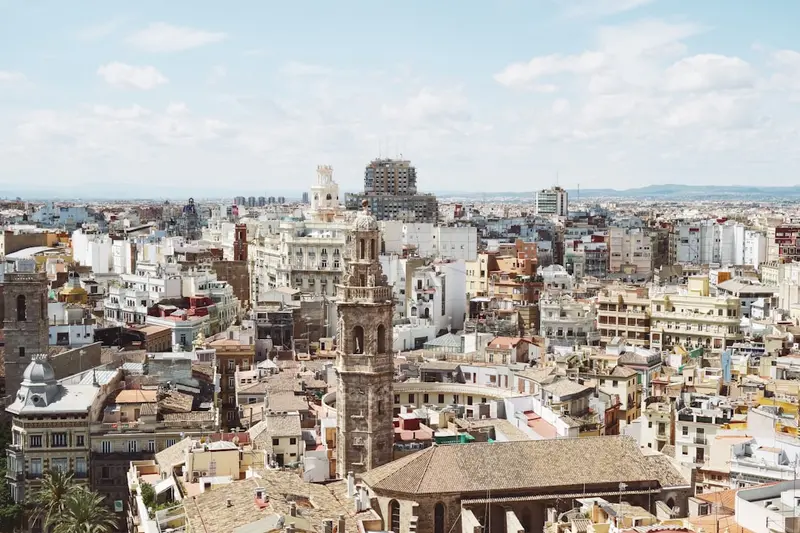
Valencia is the third-largest city in Spain and is located on the Mediterranean coast between rice fields and orange groves. The Gothic Old Town with its Silk Exchange and Cathedral, the City of Arts and Sciences, and the park in the old Turia riverbed define the city, plus city beaches and paella, which originated here.
6 Sights
5 Restaurants
Culture
Mediterranean Trading CityValencia was founded by the Romans in 138 BC and was Moorish for over 500 years thereafter, before James I of Aragon conquered the city in 1238. In the 15th century, Valencia was one of the wealthiest cities on the Mediterranean. From this period dates the Silk Exchange, Llotja de la Seda, a UNESCO World Heritage site. In the Cathedral, a chalice revered as the Holy Grail is preserved. Every Thursday at noon, the Water Tribunal meets in front of its portal, settling disputes over the irrigation of the Huerta for centuries.Fallas and Modern ArchitectureFrom March 15 to 19, the city celebrates Fallas: Hundreds of figures made of wood and papier-mâché stand in the streets and are burned on the last night, accompanied by daily firecracker displays, the Mascletàs. The City of Arts and Sciences, designed by Santiago Calatrava and Félix Candela, was built starting in the late 1990s.
Rich in culture and history. Culinary highlights and Perfect for unwinding and relaxation.
Dénia is a port city on the northern Costa Blanca, towered over by a castle and the Montgó massif. From here, ferries go to Ibiza, Formentera, and Mallorca. Since 2015, Dénia belongs to the UNESCO Creative Cities Network for Gastronomy.
5 Sights
4 Restaurants
Culture and Events
In the 11th century, the city, as the Taifa of Dénia, was part of the independent Muslim kingdoms on the Iberian Peninsula. The foundations of the castle date from this period.FestivalsIn July, Dénia celebrates the Fiestas de la Santíssima Sang. These include the Bous a la mar, where bulls are herded through the streets to the harbour and participants jump into the water. Animal welfare organisations criticise this tradition. Around Sant Joan in June, Fogueres with figures are set up and burned.
Perfect for unwinding and relaxation. Rich in culture and history.
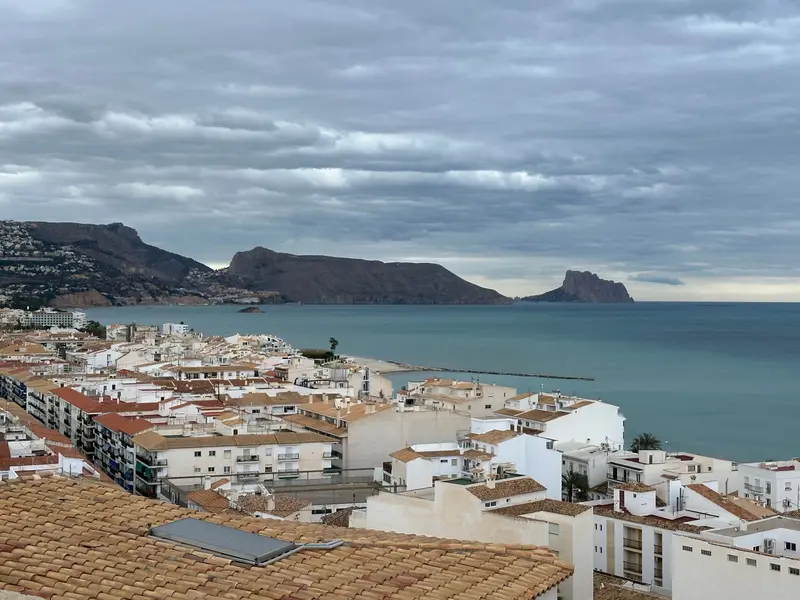
Altea on the Costa Blanca, situated between Benidorm and Calp, is known for its old town of whitewashed houses on a hill. The Church of Nuestra Señora del Consuelo, with its blue-glazed tile domes, forms the centre of the historic quarter. Strolling through the narrow, cobbled streets, you'll pass artists' and artisans' studios as well as small cafés. Altea has long attracted painters, writers, and musicians, which shapes the character of the town. From the old town's viewpoints, you can gaze over the bay and the Mediterranean Sea. To experience Altea's tranquility, it's best to visit the town in the off-season. Also explore the beach promenade, which offers a beautiful contrast to the historic core.
3 Sights
5 Restaurants
Altea's cultural heritage
Traces of Iberians, Romans, and Muslims have been found in the municipality of Altea. In 1244, James I of Aragon conquered the town. The current townscape of the Casco Antiguo, with its whitewashed houses and narrow, cobbled streets, defines the old town center of El Fornet.The central parish church, Nuestra Señora del Consuelo, with its blue domes, was built between 1900 and 1910, though the parish itself dates to the early 16th century. Altea has long attracted artists, including the painter Benjamín Palencia, the German artist Eberhard Schlotter, and writers such as Vicente Blasco Ibáñez and Rafael Alberti. This creative atmosphere still shapes the city's cultural life. The Moros y Cristianos are celebrated in February for San Blas and in September with parades; the Museo Casal del Festero displays costumes from these festivals.