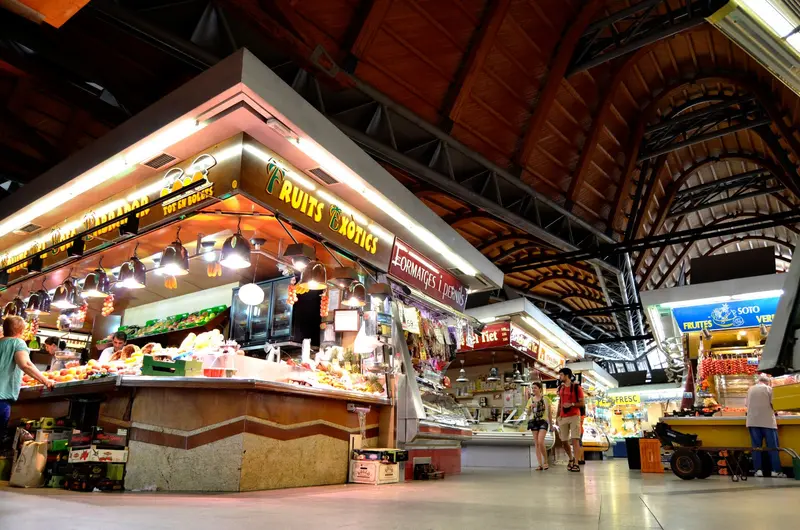
Photo by Edoardo Umanzor on Pexels
City trip · Spain
Barcelona in four days
by Felix Gillen
- 5 Days / 4 Nights
Four days, four sides of the city: the medieval lanes of the Barri Gòtic and the Born, Gaudí and the Eixample with the old village of Gràcia, Montjuïc with its museums and Poble Sec, and finally the fishermen's quarter of Barceloneta by the sea. Barcelona lies between the sea and the Collserola hills, with the old town by the port, the Eixample grid above it and former villages like Gràcia on the slope. You walk each neighbourhood and take the Metro between them, eat the menú del dia at lunch and dinner from nine, like people here do.
At a glance
- Duration
- 5 Days / 4 Nights
- Stops
- 1
- Arrival
- Flight · Barcelona (BCN)
- Best Time to Go
- May–June and September–October: warm enough for evenings outside, and the sea is still warm in September. Around 24 September the city festival La Mercè brings human towers and concerts to the squares
More on when to go
August is hot and at its busiest, winter mild and quiet.
1 stop
Why This Route?
Barcelona is crowded, but not everywhere. The route puts the Sagrada Família first thing in the morning and then sends you to where the city lives for itself: the market halls of Santa Caterina and Sant Antoni, the squares of Gràcia and the pintxo bars of Poble Sec. You eat Catalan food in family-run places and at counters.
Hidden Gems
- The MNAC on Montjuïc is free on Saturdays from 3 pm and on the first Sunday of the month
- On Sunday mornings the old market for books, comics and collectors' cards sets up around the Mercat de Sant Antoni
- The Carretera de les Aigües, a flat path along the Collserola hills with a view over the whole city, is reached by the Vallvidrera funicular
Getting there and back
Round trip, returning to where you started
- Arrival
- Flight · Barcelona (BCN)From El Prat airport the R2 Nord regional train leaves from Terminal 2 for Passeig de Gràcia, on a normal T-casual trip. Metro line L9 Sud needs a separate airport ticket; the T-casual is not valid there.
- Departure
- Flight · Barcelona (BCN)Back on the R2 Nord from Passeig de Gràcia or Sants to Terminal 2.
Day by day
Day 1: Barri Gòtic and El Born
- Barcelona Cathedral and Gothic QuarterAfter arriving, start in the lanes around the cathedral; geese live in the cloister. Then along Carrer de la Tapineria towards the Born.
- Market of Santa CaterinaLunch at Bar Joan among the stalls. On Mondays, Wednesdays and Saturdays the hall closes at 3.30 pm, and it is closed on Sundays.
- Picasso MuseumPicasso's early work in five Gothic palaces on Carrer Montcada; closed Mondays. Free on the first Sunday of the month and at set evening times, only with a booking released four days ahead.
- Santa Maria del MarThe church for which the port's porters carried the stones; they are shown on the bronze doors of the main portal.
- El XampanyetA glass of the house sparkling wine and anchovies as an aperitif, a few steps from the Picasso Museum. Closed Mondays.
- Cal PepFish and seafood at the counter; let the staff advise you. Closed Sundays, Mondays dinner only; no bookings for the counter, so come for the 7.30 pm opening.
- Palau de la Música CatalanaThe hall under the glass dome is best experienced at a concert; tickets on the Palau's website. Ten minutes' walk from the Born.
Day 2: Sagrada Família, Sant Pau and Gràcia
- Sagrada FamíliaTake one of the first time slots of the morning, booked online; there are often no tickets on site.
- Recinte Modernista de Sant PauTen minutes along the pedestrian Avinguda de Gaudí: the largest Modernisme hospital, with pavilions and gardens, a World Heritage Site like the Palau de la Música.
- La PubillaMetro L5 to Diagonal, then up to the Mercat de la Llibertat. Menú del dia with produce from the market opposite; closed Sundays.
- Casa VicensGaudí's first major work, with green and white tiles, ten minutes on foot; open as a museum since 2017.
- Plaça del Sol and Plaça de la VirreinaGràcia was a separate town until 1897, and its squares are still the neighbourhood's living rooms. In the late afternoon, stroll along Carrer de Verdi.
- BerbenaSmall place with an open kitchen and a Bib Gourmand; many dishes come as half portions. Closed Sundays; book ahead.
- HeliogàbalYoung bands, singer-songwriters and jazz in front of a few dozen people, a neighbourhood cultural association since 1995.
Day 3: Sant Antoni, Montjuïc and Poble Sec
- Mercat de Sant AntoniIn the morning; instead of the packed Boqueria on La Rambla, shop where the neighbours shop. Monday to Saturday 8 am to 8.30 pm, with a book and collectors' market on Sundays.
- Museu Nacional d'Art de Catalunya (MNAC)Walk up from Plaça d'Espanya. The Romanesque murals from Pyrenean churches are the reason to come; closed Mondays.
- Fundació Joan MiróAlong the hillside to Miró's own foundation in Josep Lluís Sert's bright building. Closed Mondays, tickets slightly cheaper online.
- Quimet & QuimetDown the hill into Poble Sec. Montaditos and vermouth standing up; closed at weekends, when you eat on Carrer de Blai instead.
- La Tasqueta de BlaiIn the evening on the pedestrian street lined with one pintxo bar after another; open daily from 11 am.
- Sala ApoloThe old dance hall on the Paral·lel, a few minutes from Carrer de Blai: concerts and club nights, programme and tickets online.
Day 4: Barceloneta by the sea and departure
- Platja de la BarcelonetaAlong the Passeig Marítim and back through the narrow streets of the old fishermen's quarter.
- La Cova FumadaNo sign above the door, in the same family since 1944: the bomba is said to have been invented here. Daytime only, Monday to Saturday.
Itinerary
Barcelona
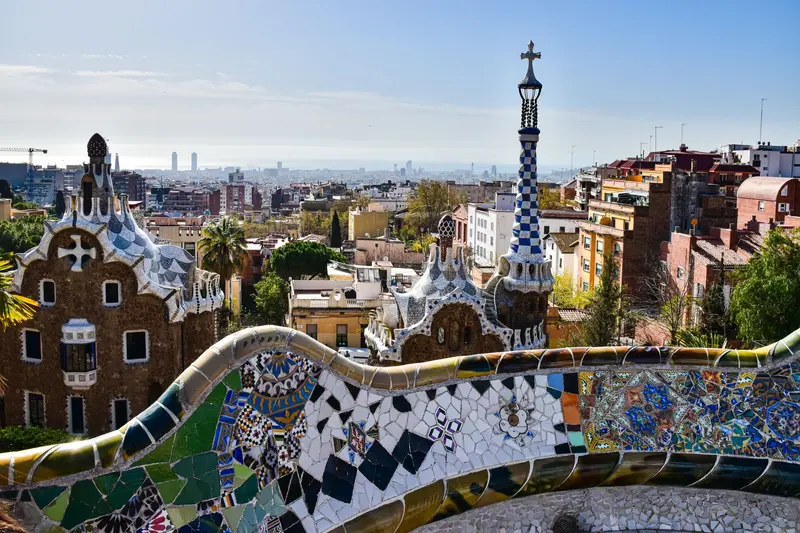
Barcelona, the capital of Catalonia and Spain's second-largest city, sits right on the Mediterranean and combines a Gothic old town, a city beach and the buildings of Catalan Modernisme. You come above all for Antoni Gaudí's works such as the Sagrada Família, Park Güell and Casa Batlló, for the tapas bars and market halls, and for Barceloneta beach in the middle of the city.The Barri Gòtic holds the cathedral and medieval lanes; next door in El Born you find Santa Maria del Mar, the Picasso Museum and small shops. La Rambla is the best-known promenade but also the most crowded. Gràcia, with its many small squares, is quieter.Good to knowTickets: Book timed slots for the Sagrada Família, Park Güell and Casa Batlló online; on-site tickets often sell out.Tourist tax: Since April 2026 the per-person, per-night tax is much higher than before: 8.40 euros in a four-star hotel, 12 euros in a five-star hotel. The city plans further increases up to 2029.Pickpocketing: For general safety advice, see the FCDO travel advice linked on the country page.When to go: Spring and autumn are pleasant; July and August are hot and very crowded.
Stay in the Eixample around Passeig de Sant Joan or in Sant Antoni: quiet residential streets, short walks to the old town and Gràcia. Locals travel on the T-usual pass, you take the T-casual with ten trips for Metro, bus and regional trains in zone 1. People eat late, lunch from two and dinner from nine; a Bon dia in Catalan goes down well.
15 Sights
2 Restaurants
History, Modernism, and Traditions
From Barcino to the Catalan CapitalThe Romans founded the city as Barcino; remnants of the city walls can be seen in the Barri Gòtic. In the Middle Ages, Barcelona was a Mediterranean trading power; the Cathedral and Santa Maria del Mar date from this period. Catalan language and identity continue to shape the city today, with street signs and menus usually appearing first in Catalan.ModernismeAround 1900, with the urban expansion of Eixample, Catalan Art Nouveau emerged. Besides Gaudí, Lluís Domènech i Montaner built the Palau de la Música Catalana and the Hospital de Sant Pau, and Josep Puig i Cadafalch built the Casa Amatller directly next to Casa Batlló. Several constructions by Gaudí and Domènech are UNESCO World Heritage sites.TraditionsCastells: At city festivals like La Mercè in September, clubs build multi-story human towers.Sardana: The Catalan circle dance is performed on some weekends in front of the Cathedral.Sant Jordi: On April 23rd, roses and books are given as gifts; La Rambla and Passeig de Gràcia are full of stalls.Picasso spent his youth in Barcelona; the Museu Picasso primarily exhibits these early works. The Fundació Joan Miró on Montjuïc is dedicated to the painter born in Barcelona.
Plan this route as your trip
All stops, trains and nights go into your trip planner. You adjust dates and places to stay afterwards.
This route is a suggestion from our research. Please check timetables, times in port, opening hours and prices before you book – what your tour operator or carrier says is what counts.
Fernweh is a free travel guide and trip planner: routes researched by people, taken over in one click, used day by day on the road. More about Fernweh
1 stop
Route Summary
Duration5 Days
Stops1 Places
TypeCulture