Fernweh: Home
    ExploreTravel GuidesPlan a tripMy tripLast visited
    de|en
    All Places & RegionsAll highlightsAbout FernwehFAQPrivacy PolicyImprint
    ExploreTravel GuidesPlan a tripMy tripLast visited
    • Neighborhoods & highlights
    • Recommendations
    • Eat & drink
    • Food culture
    • Culture
    • Getting around
    • Accommodation
    • Plan trip
    • Nearby
    Zipaquirá
    Carlos Adampol Galindo from DF, México / Wikimedia Commons / CC BY-SA 2.0

    Colombia

    Zipaquirá

    City

    Zipaquirá, about 49 kilometers north of Bogotá, is famous for its underground Salt Cathedral. The trip from the capital can be easily combined with a stroll through its colonial center.

    by Felix Gillen

    1. Home
    2. Destinations
    3. Colombia
    4. Bogotá & Boyacá
    5. Zipaquirá
    Zipaquirá, about 49 kilometers north of Bogotá, is famous for its underground Salt Cathedral. The trip from the capital can be easily combined with a stroll through its colonial center. Founded in 1600, the city has over 160,000 inhabitants; white facades and wooden balconies earned it the nickname 'ciudad blanca' (white city).

    Sights in Zipaquirá

    Discover the most important sights and attractions
    Plaza de los Comuneros
    Park

    1Plaza de los Comuneros

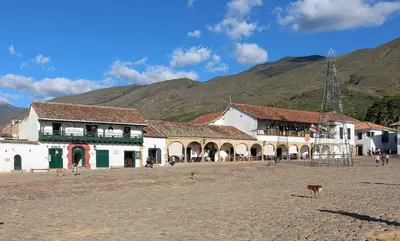
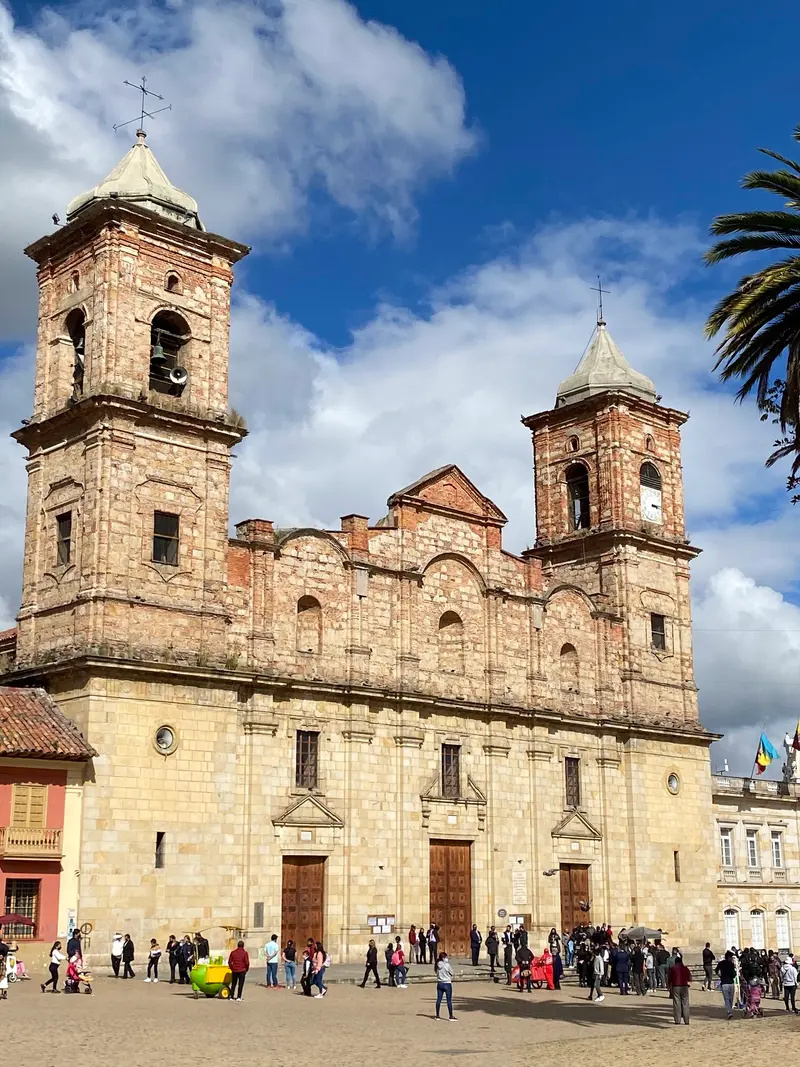
    The main square is the heart of the historic center. Surrounding it are colonial buildings like the Casa de Gobierno and the Casa Obispal, featuring wooden balconies and white facades.
    Open in Google Maps
    Salt Cathedral
    Church

    2Salt Cathedral

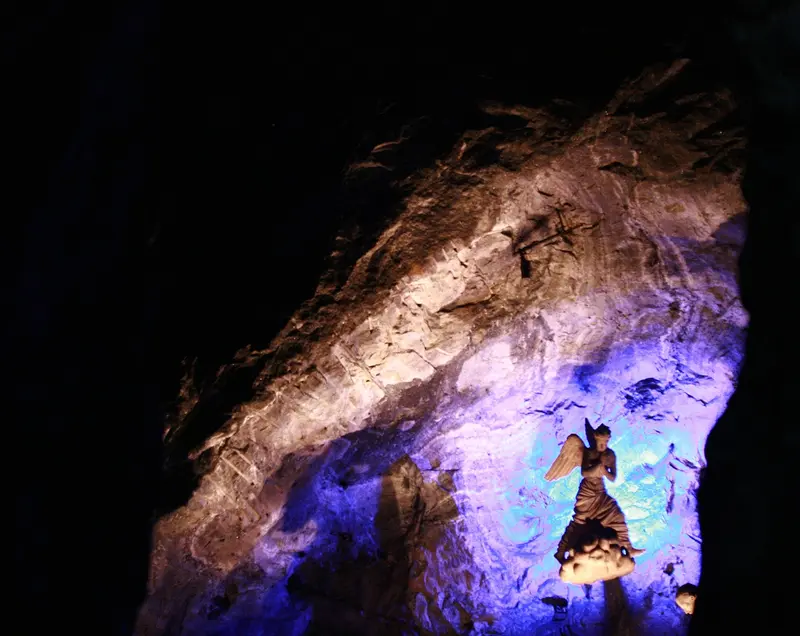
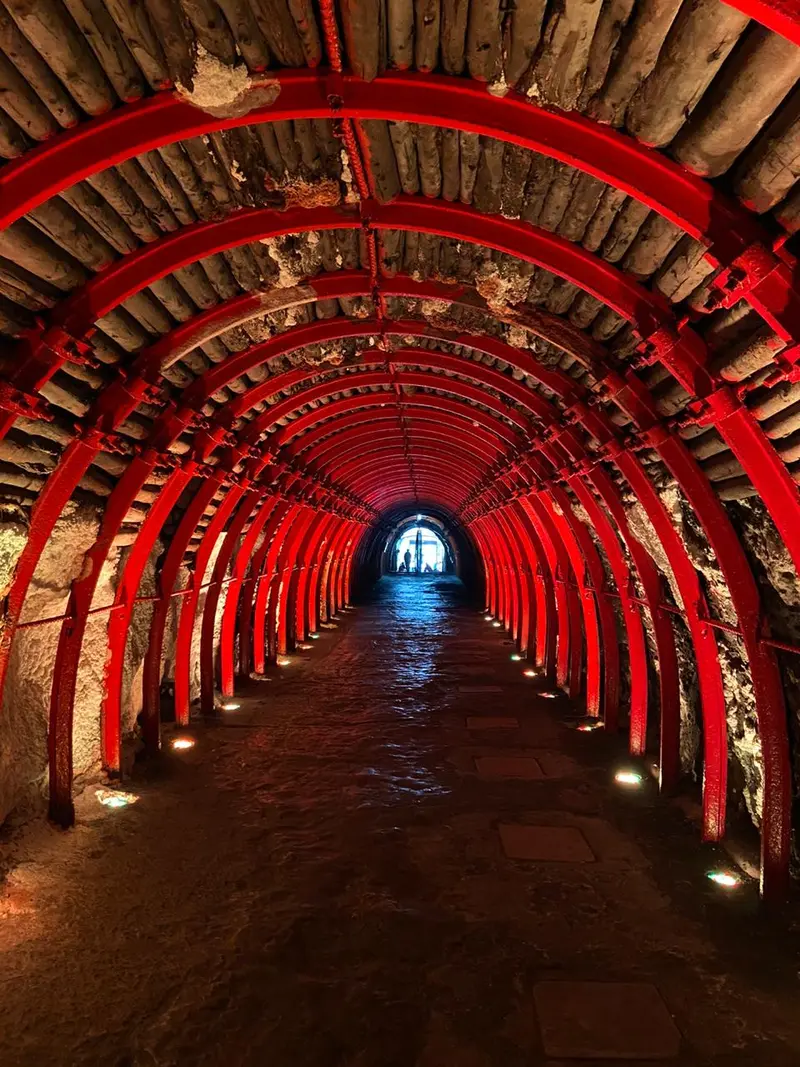
    The Cathedral was hewn from the rock in a salt mine and inaugurated in December 1995; it replaced an older cathedral from 1954, which was closed in 1992 due to safety concerns. At the entrance, 14 small chapels with crosses lead into the Way of the Cross. Check current times and prices at catedraldesal.gov.co.
    Open in Google Maps
    Archaeological Museum Zipaquirá
    Museum

    3Archaeological Museum Zipaquirá

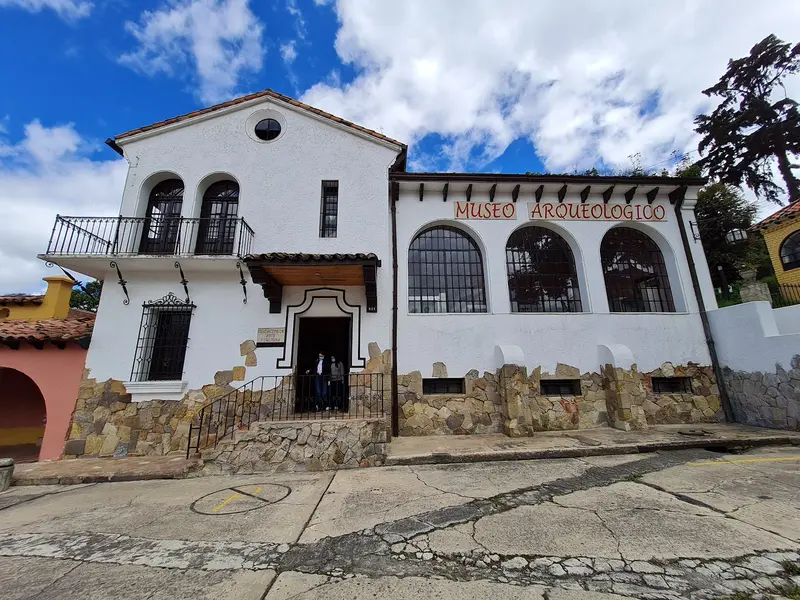
    The museum in Parque Villaveces, at the entrance to the Salt Cathedral, displays over 1,000 archaeological pieces from fourteen pre-Hispanic cultures, including Muisca, Tairona, and Quimbaya.
    Open in Google Maps
    Diocesan Cathedral of Zipaquirá

    4Diocesan Cathedral of Zipaquirá

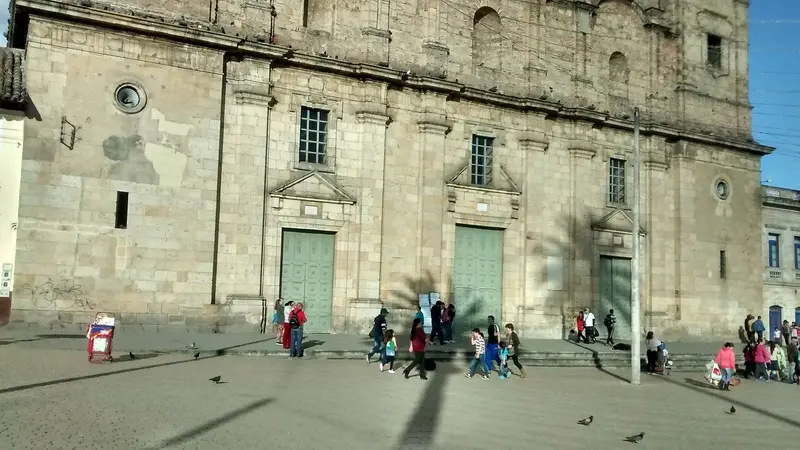
    The cathedral on Plaza de los Comuneros was designed by the Capuchin monk Fray Domingo Petrés.
    Open in Google Maps

    Restaurants in Zipaquirá

    1

    La Puerta Falsa

    Branch of the traditional Bogotá restaurant on Zipaquirá's Plaza Central. On the menu: ajiaco santafereño, tamal, changua and caldo de costilla.
    Show on Google Maps

    Food & Drink in Zipaquirá

    Zipaquirá is situated in the savanna north of Bogotá and dines like the rest of the Cundinamarca highlands. On the table come bean soup, tamales and the classic breakfast with hot chocolate.

    Black bean soup

    Bean soup, which local travel reports name as the traditional dish of the place. Many eateries around the main square cook with local ingredients.

    Tamal

    Filled corn dough, cooked in a banana leaf, a staple of Zipaquirá's cuisine. In Cundinamarca, hot chocolate is enjoyed with it.
    Changua

    Changua

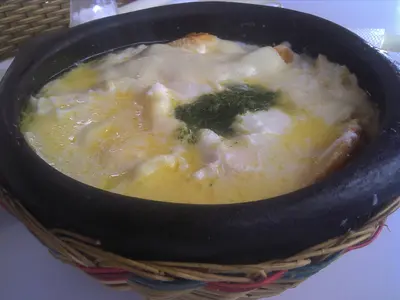
    Breakfast soup made from milk, water, egg, and coriander, served with bread. It's a classic start to the day in Cundinamarca and Boyacá.
    Chocolate con queso y almojábana

    Chocolate con queso y almojábana

    Hot chocolate with cheese pieces, with Almojábana of cornmeal and cheese. This is the typical breakfast around Bogotá.

    Salt and History

    Even before the arrival of the Spanish, Zipaquirá was an important trading center for salt. The first Salt Cathedral opened in 1954 and closed in 1992. The current cathedral was inaugurated in December 1995.Gabriel García Márquez finished his schooling in Zipaquirá. His former college is now a cultural center.

    Arrival and On the Road

    Train: The Tren de la Sabana operates on Saturdays, Sundays, and public holidays, departing from Gran Estación in Bogotá, via Usaquén, to Zipaquirá. The ticket is valid for a round trip; entrance to the Salt Cathedral is not included. Tickets can be purchased in advance via TuBoleta or at the sales counter at La Sabana Station.On Site: You can explore the center around Plaza de los Comuneros on foot.

    Accommodations in Zipaquirá

    Find perfect stay in Zipaquirá

    Booking.com* (Affiliate link)
    Search Hotels
    Agoda* (Affiliate link)
    Search Hotels
    Airbnb
    Vacation Rentals

    * Affiliate link: if you book through it, we earn a small commission. The price stays the same for you.

    Plan your trip to Zipaquirá

    Save places, build a route and plan your city trip, all in one place.

    1. 1
      Sunrise over alpine peaks and a sea of clouds
      1234

      Round trip

      12 days · 4 stops

      Saved

      Pick a route

      Pick a ready-made one or save places and plan your own.

      Open bookmarks
    2. 2

      Trip to Zipaquirá

      Live
      • 1Plaza de los Comuneros3 days
      • 2Salt Cathedral4 days
      • 3Archaeological Museum Zipaquirá5 days
      Budget

      Plan your trip

      The planner sorts stops, days and budget. Plan together in real time.

      Start trip planning
    3. 3
      9:41 No signal
      Zipaquirá
      Available offline

      Use it on the road

      Download the guide to your phone and use it on site, even offline.

    Nearby

    Bogotá & Boyacá

    Bogotá & Boyacá

    The region comprises the capital Bogotá and the Andean highlands of Cundinamarca and Boyacá to its north. You come here for museums and colonial architecture in the capital, the underground Salt Cathedral of Zipaquirá, and Boyacá's white colonial towns. Bogotá lies at 2,640 meters, making the climate throughout the highlands accordingly cool.
    Bogotá

    Bogotá

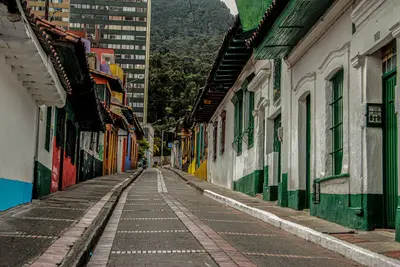
    Bogotá is the capital of Colombia and lies at 2,640 meters in the Andes. You come for the Gold Museum, the colonial streets of La Candelaria, and the views from its iconic mountain, Monserrate. With around eight million inhabitants, the city, founded in 1538, is large and diverse: Chapinero and Zona T are the districts for restaurants and nightlife.
    Villa de Leyva

    Villa de Leyva

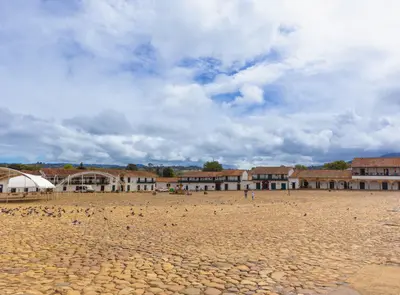
    Villa de Leyva is a colonial town in Boyacá, about 165 kilometers northeast of Bogotá and 40 kilometers west of Tunja. You come for its white houses, cobbled streets, and the Plaza Mayor, which, at about 14,000 square meters, is among South America's largest squares. The town, founded in 1572, is at 2,149 meters and has been a National Monument since 1954; its dry surroundings hold fossil finds and a Muisca site.
    Manizales

    Manizales

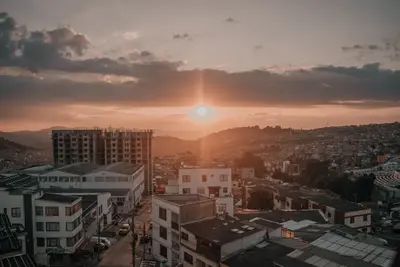
    Manizales is the capital of the Caldas Department, with around 475,000 inhabitants, and is located over 2,100 m on steep Andean slopes. You go there as a base for coffee fincas and Los Nevados National Park, featuring the Nevado del Ruiz volcano. Founded in 1849, the city is shaped by several universities.
    Valle de Cocora

    Valle de Cocora

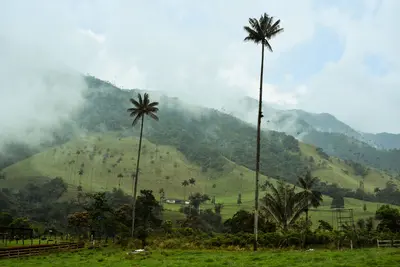
    The Valle de Cocora is a high valley (1,800-2,400 m) in Departamento Quindío's coffee region, north of Salento, roughly 20-30 minutes by jeep from the village. You go for the Quindío wax palms, which stand in great numbers on the pastures here. The valley lies within the influence area of Los Nevados National Park, at the headwaters of the Río Quindío.

    Sources & method

    • Photos: Wikimedia Commons, Google Maps. Each photo carries its credit.
    • Place data such as addresses and ratings comes from Google Maps.
    • The content is based on web research from public, traceable sources. How the content is made · The role of AI