Fernweh: Home
    ExploreTravel GuidesPlan a tripMy tripLast visited
    de|en
    All Places & RegionsAll highlightsAbout FernwehFAQPrivacy PolicyImprint
    ExploreTravel GuidesPlan a tripMy tripLast visited
    • Why go
    • Highlights
    • Explore regions
    • Round trips
    • Local food
    • Good to know
    • Best time to visit
    • Video reports
    • Travel advice
    Colombia

    Travel Guide Colombia

    Colombia is located in the northwest of South America and has coasts on the Caribbean and Pacific.

    by Felix Gillen

    Contents

    • Why go
    • Highlights
    • Explore regions
    • Round trips
    • Local food
    • Good to know
    • Best time to visit
    • Video reports
    • Travel advice

    Why Go To Colombia?

    Colombia connects its Caribbean coast around Cartagena and Santa Marta with the Andean capital Bogotá, modern Medellín, and the Coffee Region, whose cultural landscape has been a UNESCO World Heritage site since 2011. In the Sierra Nevada de Santa Marta, a multi-day trek leads to Ciudad Perdida; on the coast before it lies Tayrona National Park. Those who wish to explore further can reach the Amazon region via Leticia or witness humpback whales off the Pacific coast from July to October.

    Where in Colombia?

    Pick a region. The highlights, road trips and places below follow your choice.
    Bogotá
    Highlight 1 of 8

    Bogotá

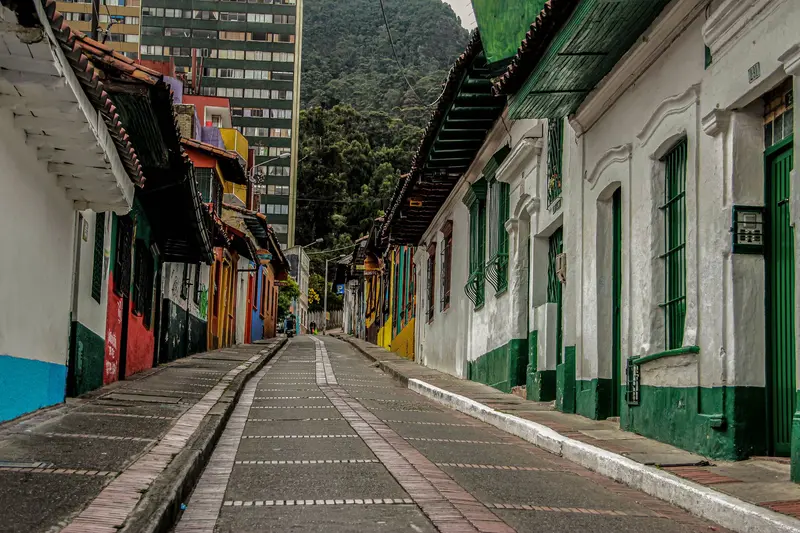
    Bogotá is the capital of Colombia and lies at 2,640 meters in the Andes. You come for the Gold Museum, the colonial streets of La Candelaria, and the views from its iconic mountain, Monserrate.

    Discover
    Villa de Leyva
    Highlight 2 of 8

    Villa de Leyva

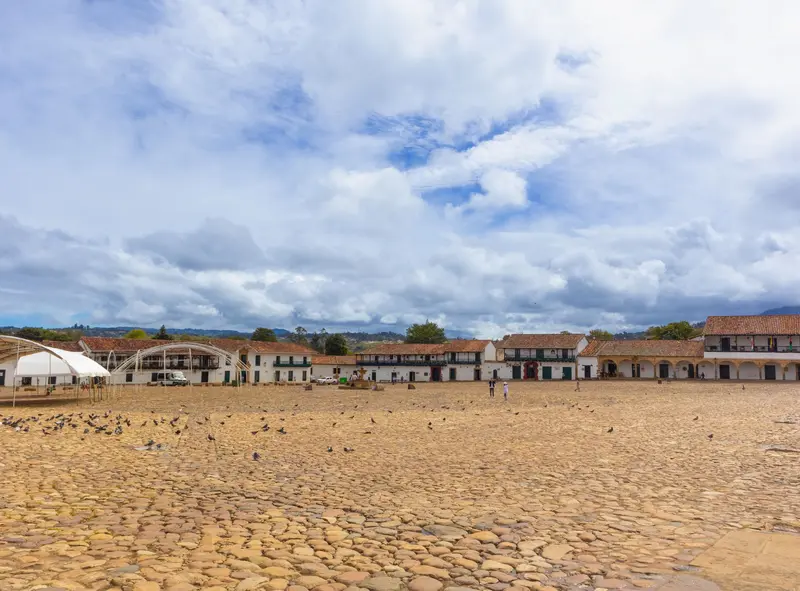
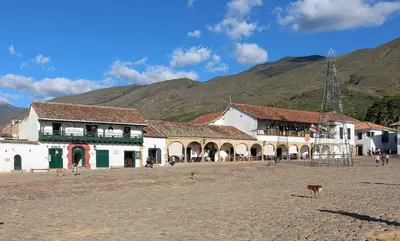
    Villa de Leyva is a colonial town in Boyacá, about 165 kilometers northeast of Bogotá and 40 kilometers west of Tunja.

    Discover
    Medellín
    Highlight 3 of 8

    Medellín

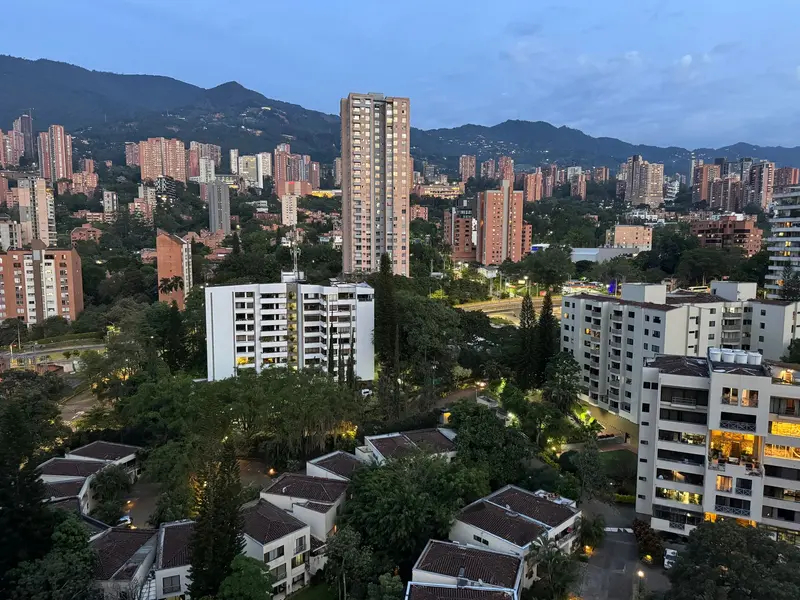
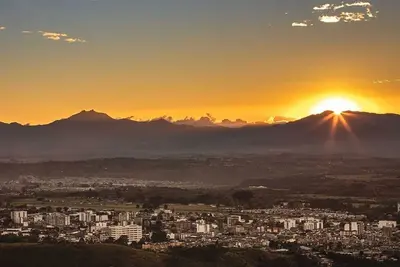
    With around 2.5 million inhabitants, Medellín is Colombia's second-largest city, located at almost 1,500 m in the Valle de Aburrá.

    Discover
    Guatapé
    Highlight 4 of 8

    Guatapé

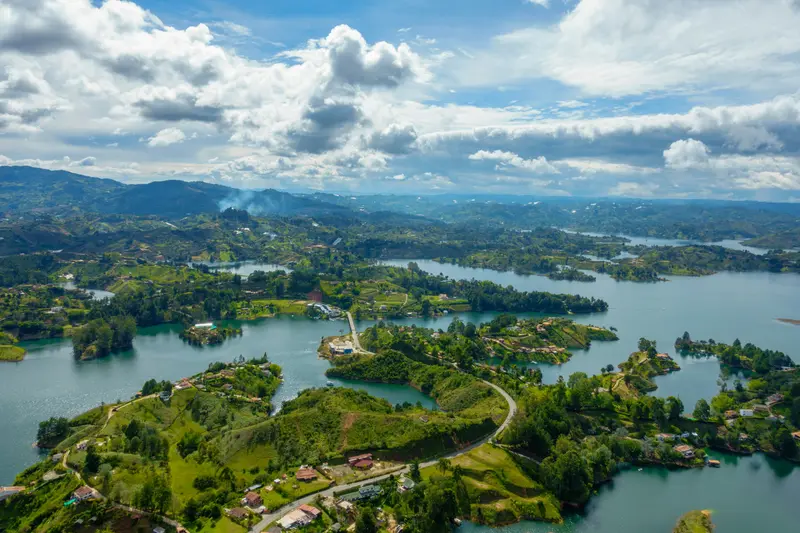
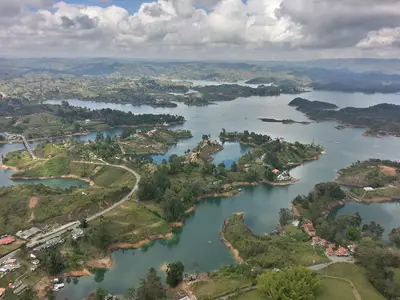
    Guatapé is a village with around 10,000 inhabitants on the Peñol-Guatapé reservoir, about two hours east of Medellín. People visit for its colorful Zócalos on the house facades and the Piedra del Peñol, a 220 m high granite rock with stairs to its summit.

    Discover
    Valle de Cocora
    Highlight 5 of 8

    Valle de Cocora

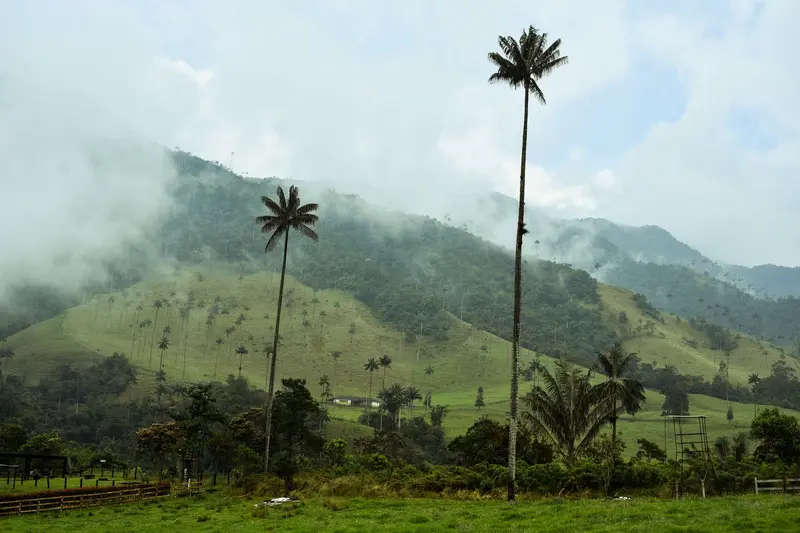
    The Valle de Cocora is a high valley (1,800-2,400 m) in Departamento Quindío's coffee region, north of Salento, roughly 20-30 minutes by jeep from the village. You go for the Quindío wax palms, which stand in great numbers on the pastures here.

    Discover
    Cartagena
    Highlight 6 of 8

    Cartagena

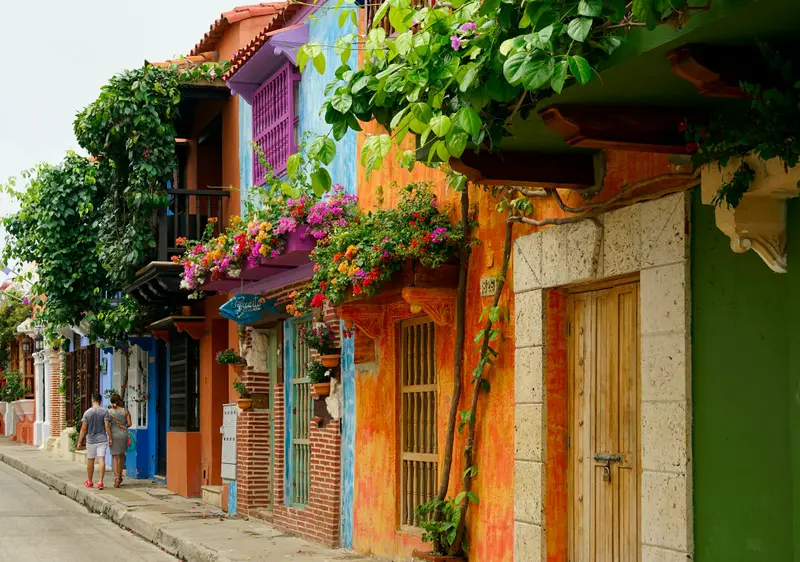
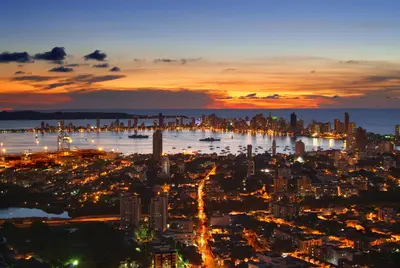
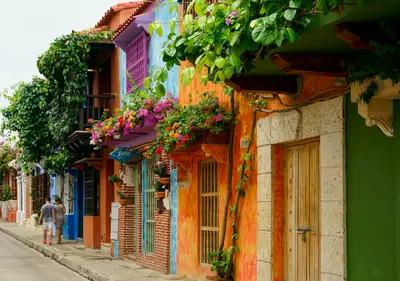
    Cartagena de Indias is the most famous city on Colombia's Caribbean coast and, with around a million inhabitants, the capital of the Departamento Bolívar.

    Discover
    Parque Nacional Natural Tayrona
    David Shankbone / Wikimedia Commons / CC BY-SA 3.0
    Highlight 7 of 8

    Parque Nacional Natural Tayrona

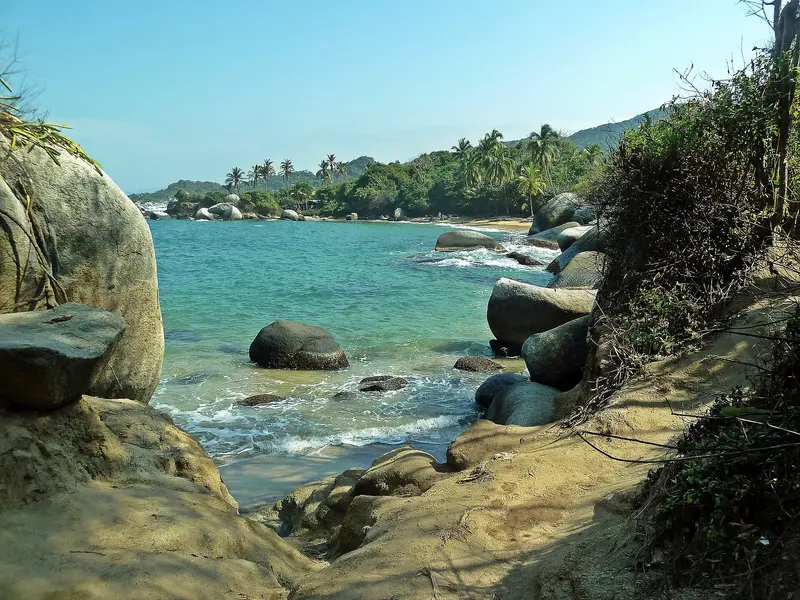
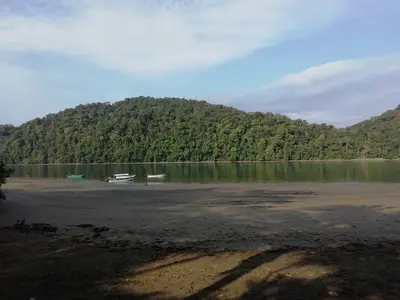
    Tayrona National Park is located about 34 kilometers east of Santa Marta, where the Sierra Nevada directly meets the Caribbean Sea. You come for bays between granite cliffs and rainforest, for hiking trails to Cabo San Juan and the ruins of Pueblito.

    Discover
    Ciudad Perdida
    Giancarlos1234 / Wikimedia Commons / CC BY-SA 4.0
    Highlight 8 of 8

    Ciudad Perdida

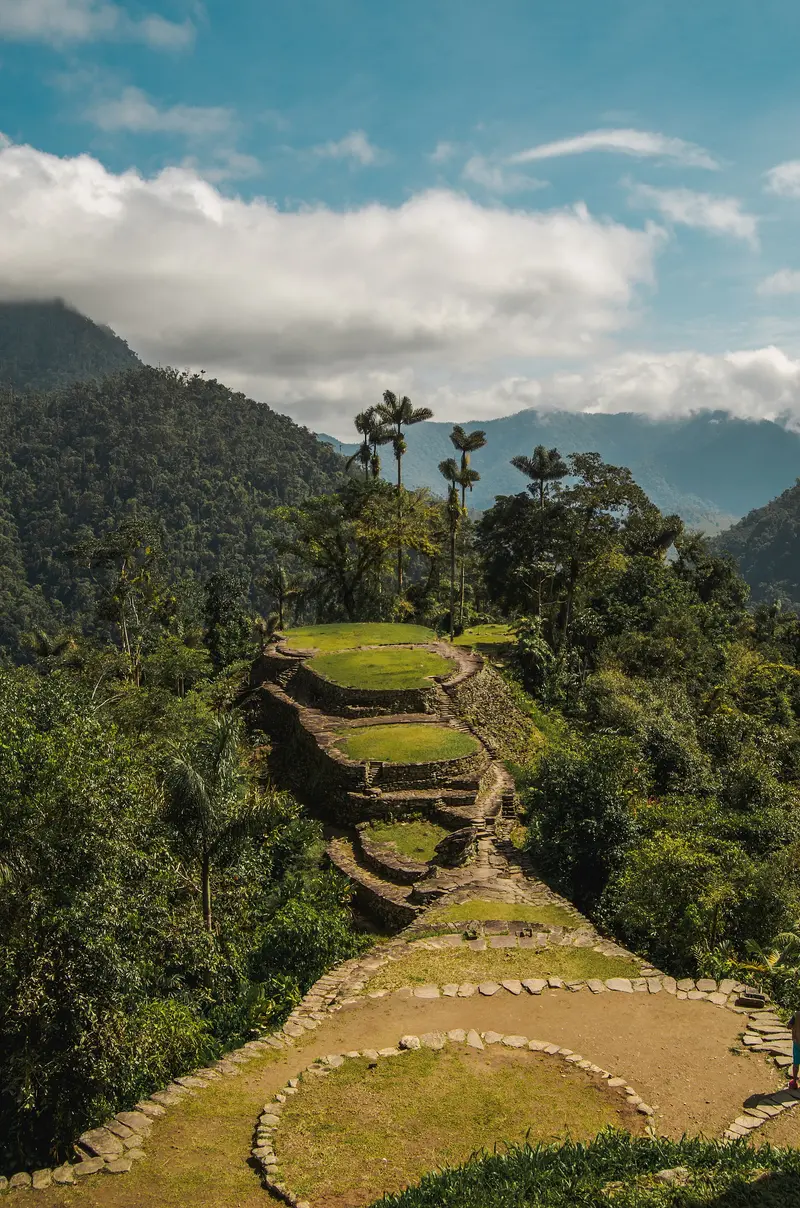
    Ciudad Perdida, called Teyuna by the indigenous peoples, is a Tayrona settlement in the Sierra Nevada rainforest, accessible only via a multi-day trek from Santa Marta.

    Discover

    More highlights in Colombia

    Unique experiences that make Colombia unforgettable.
    Barichara

    Barichara

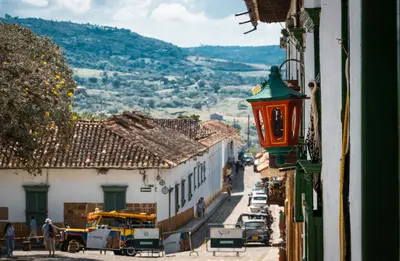
    Barichara is a colonial town in the mountains of Santander Department, northeastern Colombia, 21 km from the adventure town of San Gil. You come for its yellow sandstone houses, cobblestone streets, and the hike on the Camino Real to Guane. Founded in 1705, the town is at around 1,300m; its historic center is a National Monument since 1978.

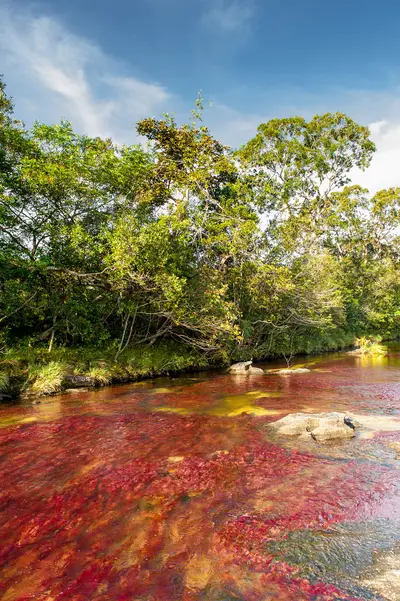
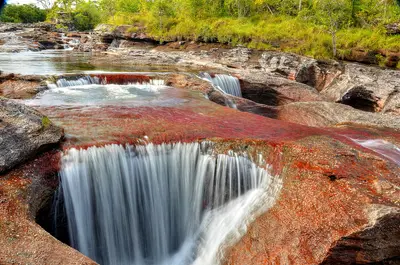
    Caño Cristales is a river in the Sierra de La Macarena National Park in the Meta Department, accessible by flight to La Macarena. Between June and November, the aquatic plant Macarenia clavigera dyes its bed red, complemented by green, yellow, and black hues. The river is a succession of rapids, cascades, and pools that flow into the Río Guayabero.
    Leticia

    Leticia

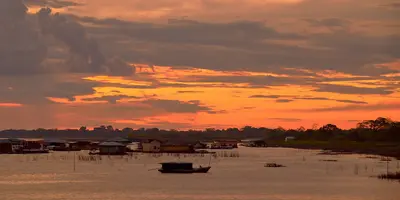
    Leticia is the capital of the Amazonas Department and Colombia's gateway to the Amazon, approximately 2 flight hours southeast of Bogotá. From here, boat tours embark for Isla de los Micos, Puerto Nariño, and Amacayacu National Park. This small town, with around 48,000 inhabitants (2018 Census), sits directly on the border with Brazilian Tabatinga, while Peru begins on the opposite riverbank. In the evenings, the town congregates at Parque Santander, as thousands of parakeets fly in to roost.

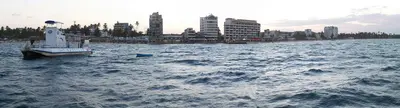
    San Andrés is the main island of the Colombian archipelago in the western Caribbean, reachable by direct flight from the mainland. You come for the coral reefs, snorkeling spots, and offshore cays like Johnny Cay. The main town is lively and touristy; it's quieter on the east coast near San Luis.

    How to plan your trip to Colombia

    From the guide to the road: here is what comes next.

    1. 1
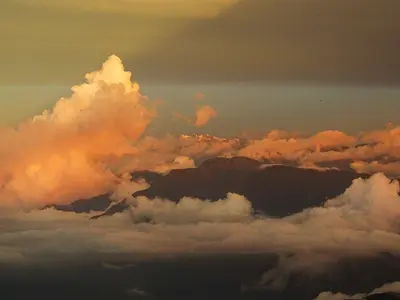
      Sunrise over alpine peaks and a sea of clouds
      1234

      Round trip

      12 days · 4 stops

      Saved

      Pick a route

      Pick a ready-made one or save places and plan your own.

      Browse routes
    2. 2

      Trip to Colombia

      Live
      • 1Bogotá3 days
      • 2Villa de Leyva4 days
      • 3Medellín5 days
      Budget

      Plan your trip

      The planner sorts stops, days and budget. Plan together in real time.

      Go to My Trips
    3. 3
      9:41 No signal
      Colombia
      Available offline

      Use it on the road

      Download the guide to your phone and use it on site, even offline.

    Regions to Discover

    Explore the diverse regions of Colombia.
    Huila

    Huila

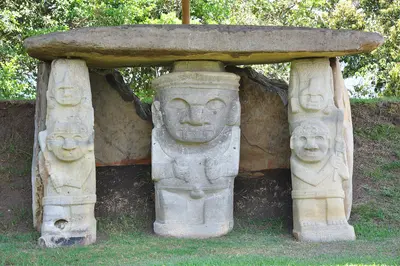
    The Huila Department is located in the upper valley of the Magdalena River in southern Colombia. You travel here for two destinations: the stone figures of San Agustín, a UNESCO World Heritage site since 1995, and the dry landscape of Tatacoa near Neiva.
    Sierra de La Macarena

    Sierra de La Macarena

    The Sierra de La Macarena is a mountain range in the Meta Department, south of Villavicencio, where the Andes, Orinoco savannas, and Amazon meet. It is known for Caño Cristales, a river that a water plant colors red during the rainy season. The starting point is the small town of La Macarena, which you reach by flight.
    La Guajira

    La Guajira

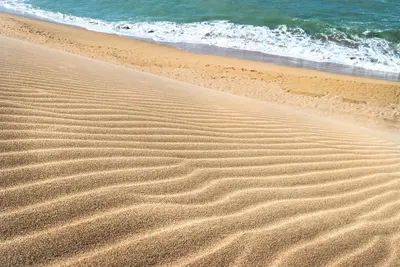
    La Guajira is the desert peninsula in the far northeast of Colombia on the border with Venezuela. You travel here for Cabo de la Vela, the dunes of Punta Gallinas at South America's northernmost point, and the Wayuu culture. The starting point is Riohacha, the capital of the department.
    Santa Marta & Sierra Nevada

    Santa Marta & Sierra Nevada

    The region around Santa Marta connects the Caribbean coast with the Sierra Nevada de Santa Marta, whose highest peak is only about 42 kilometers from the sea. You travel here for the bays of Tayrona National Park, the mountain village of Minca, the trek to Ciudad Perdida, and the beach town of Palomino. Santa Marta is the starting point for all these destinations.
    Coffee Zone (Eje Cafetero)

    Coffee Zone (Eje Cafetero)

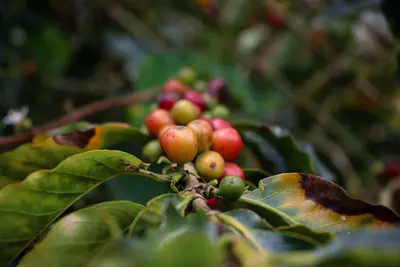
    The Coffee Zone encompasses the departments of Caldas, Risaralda, and Quindío in the Central Cordillera, between Medellín and Cali. You visit for the coffee fincas, the wax palms in the Valle de Cocora, and colonial-style villages like Salento and Filandia.
    Bogotá & Boyacá

    Bogotá & Boyacá

    The region comprises the capital Bogotá and the Andean highlands of Cundinamarca and Boyacá to its north. You come here for museums and colonial architecture in the capital, the underground Salt Cathedral of Zipaquirá, and Boyacá's white colonial towns. Bogotá lies at 2,640 meters, making the climate throughout the highlands accordingly cool.
    Cali & Popayán

    Cali & Popayán

    Colombia's southwest connects two very different cities: Cali in Valle del Cauca is considered the capital of Salsa, Popayán in Departamento Cauca the country's white colonial city. You travel here for dance nights in Salsotecas, for whitewashed old town alleys and for the cuisine of Cauca. Both cities are located approximately 140 road kilometers apart.
    Amazônia

    Amazônia

    The Amazonas Department is located in the southernmost part of Colombia, where the country borders Brazil and Peru. You come here for the Amazon rainforest, river dolphins, and indigenous communities. The starting point is the capital Leticia, which you reach by flight from Bogotá.
    Santander

    Santander

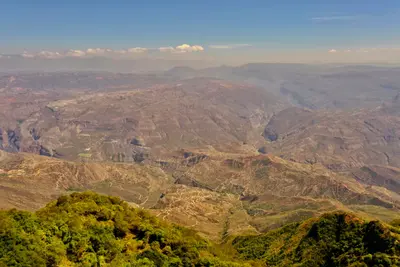
    Santander is in the northeast of Colombia, its capital is Bucaramanga. Visitors come for the Chicamocha Canyon, for rafting and canyoning around San Gil, and the colonial town of Barichara.
    Cartagena & Bolívar

    Cartagena & Bolívar

    The region encompasses the Caribbean coast around Cartagena de Indias and the hinterland of the Departamento Bolívar up to the Río Magdalena. You come for Cartagena's walled old town, the coral reefs of the Islas del Rosario, and the colonial city of Mompox, both of which are UNESCO World Heritage sites.

    Antioquia is a department in northwestern Colombia, stretching from the Andes to the Caribbean coast on the Gulf of Urabá. You go there for Medellín, the country's second-largest city, and for the surrounding mountain villages like Guatapé and Jardín.
    Pacific Coast (Chocó)

    Pacific Coast (Chocó)

    The Pacific coast of Chocó is a narrow strip between rainforest and sea in northwestern Colombia, without a road connection to the interior. You come here to see humpback whales from July to October, surf on dark sand beaches, and visit Utría National Park. The towns of Nuquí and Bahía Solano are reached by small plane from Medellín.
    San Andrés & Providencia

    San Andrés & Providencia

    The archipelago of San Andrés, Providencia and Santa Catalina is located in the western Caribbean, closer to Nicaragua than to the Colombian mainland. You travel here for coral reefs, snorkeling, and the Creole culture of the Raizales. San Andrés is the bustling main island, Providencia the quieter neighboring island.

    Recommended Itineraries

    Discover the best routes through Colombia.
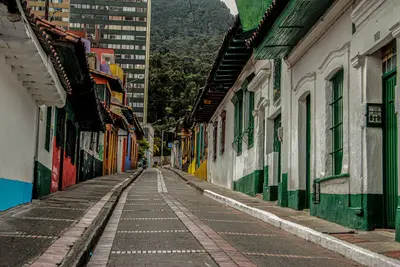
    Colombia Classics: Bogotá, Medellín, Coffee Zone and Caribbean

    Colombia Classics: Bogotá, Medellín, Coffee Zone and Caribbean

    The route connects the capital in the highlands with Medellín, the coffee fincas around Salento, and the Caribbean coast from Cartagena to Santa Marta. You cover the long distances with short domestic flights, allowing more time for the destinations.

    14 Days
    Open jaw
    Stops at a glance
    1. 1.Bogotá
    2. 2.Medellín
    3. 3.Salento
    4. 4.Cartagena
    5. 5.Santa Marta
    View Route Details →
    Caribbean and Sierra Nevada: from Cartagena to La Guajira

    Caribbean and Sierra Nevada: from Cartagena to La Guajira

    The route follows the Caribbean coast from Cartagena east, with detours to the mountains of Minca, Tayrona National Park, and the beach town of Palomino. Optionally, it ends on the desert peninsula of La Guajira at Cabo de la Vela.

    12 Days
    Open jaw
    6 stops
    Highland colonial cities

    Highland colonial cities

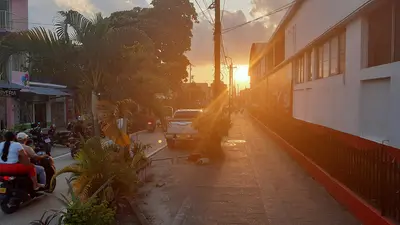
    From Bogotá, via the Salt Cathedral of Zipaquirá and the white Villa de Leyva, to Santander, where Barichara and San Gil are. The route combines colonial architecture, Muisca history, and outdoor activities in the Andes.
    10 Days
    Open jaw
    5 stops
    Amazonas: Leticia and Puerto Nariño

    Amazonas: Leticia and Puerto Nariño

    Eine kurze Reise in den kolumbianischen Amazonas: von der Grenzstadt Leticia per Boot nach Puerto Nariño, einem autofreien Dorf an den Lagos de Tarapoto. Die Anreise erfolgt per Flug ab Bogotá, eine Straße gibt es nicht.
    6 Days
    2 stops
    Caribbean islands San Andrés and Providencia

    Caribbean islands San Andrés and Providencia

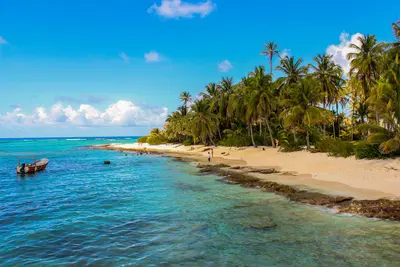
    Two islands in Colombia's San Andrés archipelago in the Caribbean: the vibrant San Andrés and tranquil Providencia, home to Colombia's longest coral reef and McBean Lagoon National Park. The route thrives on snorkeling and beaches.
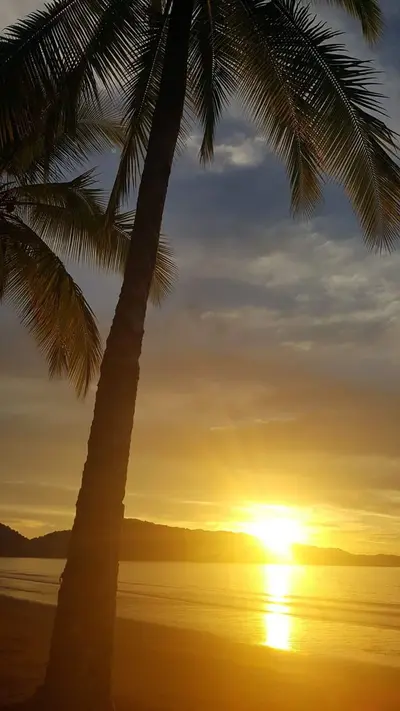
    8 Days
    2 stops
    Pacific Coast: Whales in Bahía Solano and Nuquí

    Pacific Coast: Whales in Bahía Solano and Nuquí

    A trip to the Pacific Coast of Chocó, where humpback whales are visible offshore from July to October. Bahía Solano and Nuquí are only accessible by plane or boat, connecting rainforest, beaches, and Utría National Park.

    7 Days
    Open jaw
    2 stops

    What you eat in Colombia

    Bandeja paisa

    Bandeja paisa

    Tellergericht aus Antioquia und der Kaffeezone

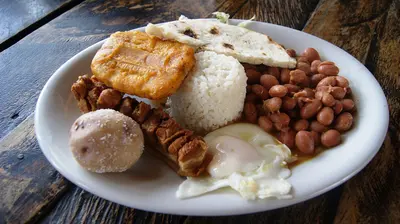
    A Paisa classic features red beans, white rice, chicharrón, ground meat, chorizo, blood sausage, fried egg, fried plantain, avocado, and arepa on one plate. Hailing from Antioquia, Caldas, Risaralda, and Quindío, it is one of the country's most famous dishes.
    Ajiaco santafereño

    Ajiaco santafereño

    Chicken soup from Bogotá

    Die Suppe aus der Hauptstadtregion wird mit Huhn, Maiskolben und drei Kartoffelsorten gekocht, wobei die gelbe Papa criolla die Brühe bindet. Typisch ist das Kraut Guascas. Dazu kommen Kapern, Sahne und Avocado auf den Tisch.
    Arepa

    Arepa

    Corn flatbreads in regional varieties

    Arepas made from corn dough are part of almost every meal in Colombia. The Arepa paisa is thin and usually unsalted, the Arepa boyacense is thicker and sweet, and the Arepa de choclo, made from young corn, is served with cheese.
    Arepa de huevo

    Arepa de huevo

    Fried Arepa from the Caribbean Coast

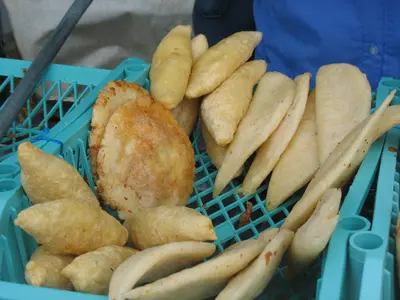
    The Arepa is fried, cut open, filled with a raw egg, and then finished frying. It's a classic street food of the Caribbean region and the main attraction at the Festival del Frito in Cartagena.
    Tamal tolimense

    Tamal tolimense

    Filled corn dough in a banana leaf

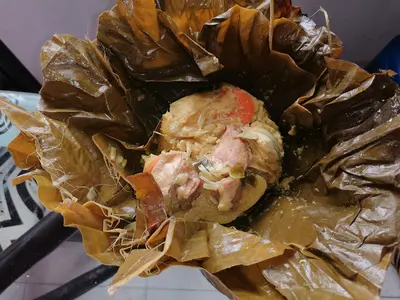
    Corn dough with chicken, pork, egg, peas, carrots, and rice is wrapped in banana leaves and cooked. In Tolima, it is traditionally enjoyed for breakfast, accompanied by hot chocolate and arepa or bread.
    Lulada

    Lulada

    Refreshing drink from Cali

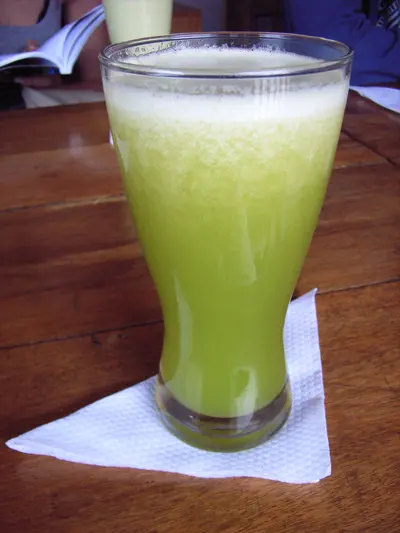
    For Lulada, the pulp of the tart Lulo fruit is hand-crushed and mixed with lime juice, sugar, and ice. Unlike juice, it is not puréed or strained. It originates from Cali and Valle del Cauca.

    Good to Know

    Essential info for your trip planning.

    Land & People

    GeographyColombia spans approximately 1.14 million square kilometers.

    History & Society

    Before the Colonial EraIn the Sierra Nevada de Santa Marta, the Tayrona built Teyuna around 800 AD, known today as…

    Food & Drink

    Regional CuisinesThere isn't a uniform national cuisine; each region has its own classics.

    Practical Info

    EntryVisa: German citizens do not require a visa for tourist stays.

    Getting Around

    Domestic FlightsDue to the mountain ranges, airplanes are the most important means of transport for longer distances.

    RV Travel

    RV RentalsDedicated RV rental companies are scarce in Colombia.

    Traveling with Kids

    Entry with ChildrenChildren need their own passport or child's passport; the Check-MIG registration also applies to…

    Best Time to Visit

    When is the best time for your trip?

    December
    January
    February
    March
    27–28°C·0–45 mm(little rain)
    Dezember bis März ist für die meisten Regionen die beste Reisezeit: An der Karibik ist es trocken und windig, in Bogotá und den Anden meist klarer als im Rest des Jahres. Dezember und Januar sind zugleich Ferienzeit in Kolumbien, buche Unterkünfte an der Küste früh.Für einzelne Ziele gelten eigene Zeiten. Buckelwale ziehen von Juli bis Oktober an die Pazifikküste, Caño Cristales ist nur in einer Saison etwa von Juni bis November geöffnet. Im Amazonasgebiet herrscht von Dezember bis Mai Hochwasser, von Juli bis September Niedrigwasser.
    In Colombia, temperature primarily depends on altitude, not on the time of year. Distinct altitudinal zones are distinguished: tierra caliente up to about 1,000 meters with tropical heat, tierra templada from 1,000 to 2,000 meters, the classic coffee zone and Medellín, tierra fría from 2,000 to 3,000 meters, such as Bogotá, and above that, the Páramo high moors.In the Andes, there are two rainy seasons, approximately April to May and September to November, with two drier phases in between. On the Caribbean coast, it is dry from December to April; most precipitation falls from August to November, with the heaviest in Cartagena in October. The Pacific coast of Chocó is one of the wettest regions on Earth. In the Amazon region, it rains year-round; there, high and low water levels dictate the rhythm.

    Seasons

    Jan
    Feb
    Mar
    Apr
    May
    Jun
    Jul
    Aug
    Sep
    Oct
    Nov
    Dec
    High Season and Holidays in Colombia
    Dry season in the Caribbean and the Andes
    Erste Regenzeit in den Anden
    Mid-year holidays, short dry spell in the Andes
    Nebensaison, Walsaison am Pazifik
    Rainy season in Andes and Caribbean
    Best Time to Visit
    ▶Show detailed monthly data
    MonthTemp (°C)Rain (mm)Sun (h)
    January26.918.8
    February27.008.6
    March27.337.7
    April28.1197.0
    May28.61176.2
    June28.9936.3
    July28.61216.7
    August28.71286.4
    September28.61335.7
    October28.32375.5
    November28.11786.2
    December27.5457.8

    Video reports from Colombia

    Get inspired by authentic travel tales.

    13 of the best places to visit in Colombia

    13 of the best places to visit in Colombia

    Lonely Planet article by Steph Dyson, last updated in March 2026, covering Cartagena, the Amazon, the coffee region, Tayrona, the Sierra Nevada, La Guajira, San Gil, Providencia, Caño Cristales and…

    4 days to discover Colombia’s national parks

    Lonely Planet itinerary by Ocean Malandra (2022) through Colombian national…

    Deutsche Welle introduces Medellín, Colombia's second-largest city, and how it…

    Travel advice

    Safety, entry requirements and health: the official, up-to-date advice for Colombia is published by the UK government on GOV.UK.

    Go to GOV.UK

    Sources & method

    • Photos: Wikimedia Commons, Unsplash, Pexels. Each photo carries its credit.
    • Video reportages: 13 of the best places to visit in Colombia, 4 days to discover Colombia’s national parks, City trip: Medellín, Colombia | DW English
    • The content is based on web research from public, traceable sources. How the content is made · The role of AI
    Felix at Kuirau Park in Rotorua, New Zealand

    Who's behind Fernweh?

    Hi, I'm Felix.

    I love to travel, and I love planning even more. Fernweh.guide is my attempt at building a really good online travel guide.

    About Fernweh

    All places in Colombia

    • Amazônia
    • Bahía Solano
    • Barichara
    • Bogotá
    • Bogotá & Boyacá
    • Cali
    • Cali & Popayán
    • Cartagena
    • Cartagena & Bolívar
    • Ciudad Perdida
    • Coffee Zone (Eje Cafetero)
    • Desierto de la Tatacoa
    • Filandia
    • Guatapé
    • Huila
    • Islas del Rosario
    • Jardín
    • La Guajira
    • Leticia
    • Manizales
    • Medellín
    • Minca
    • Nuquí
    • Pacific Coast (Chocó)
    • Palomino
    • Parque Nacional Natural Tayrona
    • Providencia
    • Puerto Nariño
    • San Agustín
    • San Andrés & Providencia
    • San Gil
    • Santa Cruz de Mompox
    • Santa Marta
    • Santa Marta & Sierra Nevada
    • Santander
    • Sierra de La Macarena
    • Valle de Cocora
    • Villa de Leyva
    • Zipaquirá

    More about Colombia

    • Best Time to Visit Colombia
    • Colombia with Kids