Fernweh: Home
    ExploreTravel GuidesPlan a tripMy tripLast visited
    de|en
    All Places & RegionsAll highlightsAbout FernwehFAQPrivacy PolicyImprint
    ExploreTravel GuidesPlan a tripMy tripLast visited
    • Overview
    • Places in the region
    • Recommendations
    • Food culture
    • Best travel time
    • Videos
    • Culture
    • Getting around
    • Round trips
    • Nearby
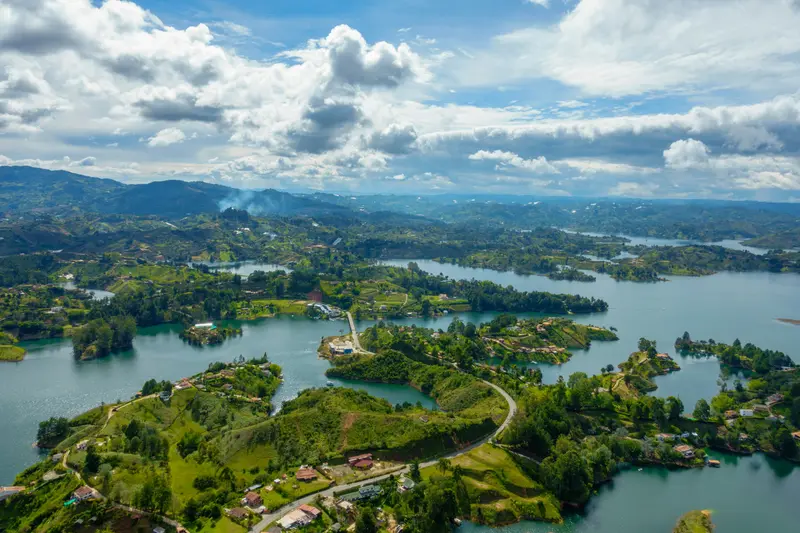
    Vincent Lefèvre from Lyon, France / Wikimedia Commons / CC BY 2.0

    Colombia

    Region

    Antioquia is a department in northwestern Colombia, stretching from the Andes to the Caribbean coast on the Gulf of Urabá.

    by Felix Gillen

    1. Home
    2. Destinations
    3. Colombia
    Antioquia is a department in northwestern Colombia, stretching from the Andes to the Caribbean coast on the Gulf of Urabá. You go there for Medellín, the country's second-largest city, and for the surrounding mountain villages like Guatapé and Jardín.
    Antioquia, covering approximately 63,600 km², is Colombia's sixth-largest department and has nearly 7 million inhabitants. More than half of them live in the Valle de Aburrá, the valley surrounding the capital city Medellín.SubregionsFor travelers, three parts are particularly interesting: the Valle de Aburrá with Medellín, the Oriente with the Guatapé reservoir and the Piedra del Peñol, and the Suroeste with coffee villages like Jardín. To the north, Antioquia has about 220 km of Caribbean coastline, including the Gulf of Urabá.
    Medellín

    Place 1 of 3

    Medellín

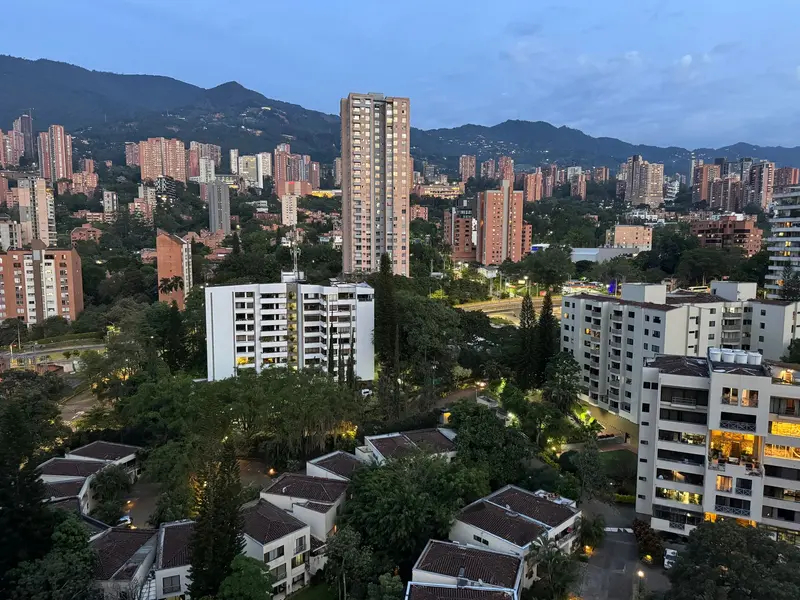
    With around 2.5 million inhabitants, Medellín is Colombia's second-largest city, located at almost 1,500 m in the Valle de Aburrá.

    Discover
    Guatapé

    Place 2 of 3

    Guatapé

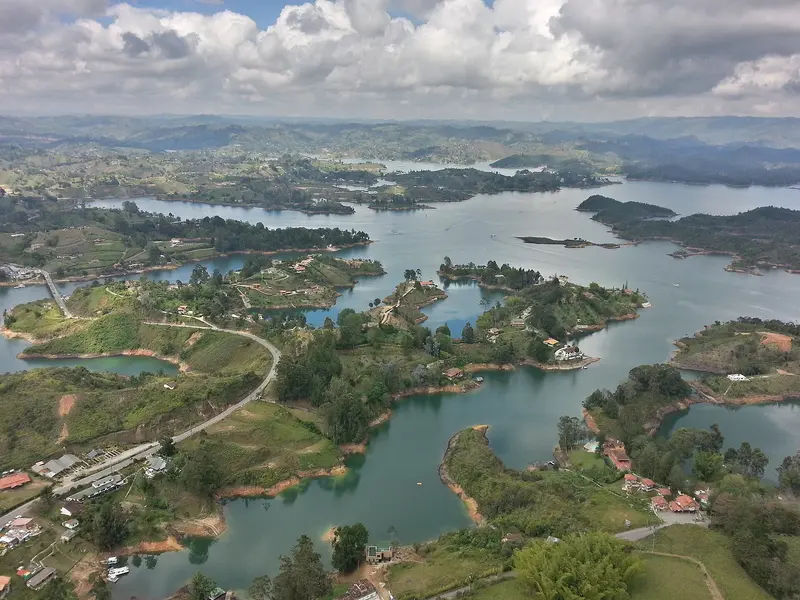
    Guatapé is a village with around 10,000 inhabitants on the Peñol-Guatapé reservoir, about two hours east of Medellín. People visit for its colorful Zócalos on the house facades and the Piedra del Peñol, a 220 m high granite rock with stairs to its summit.

    Discover
    Jardín
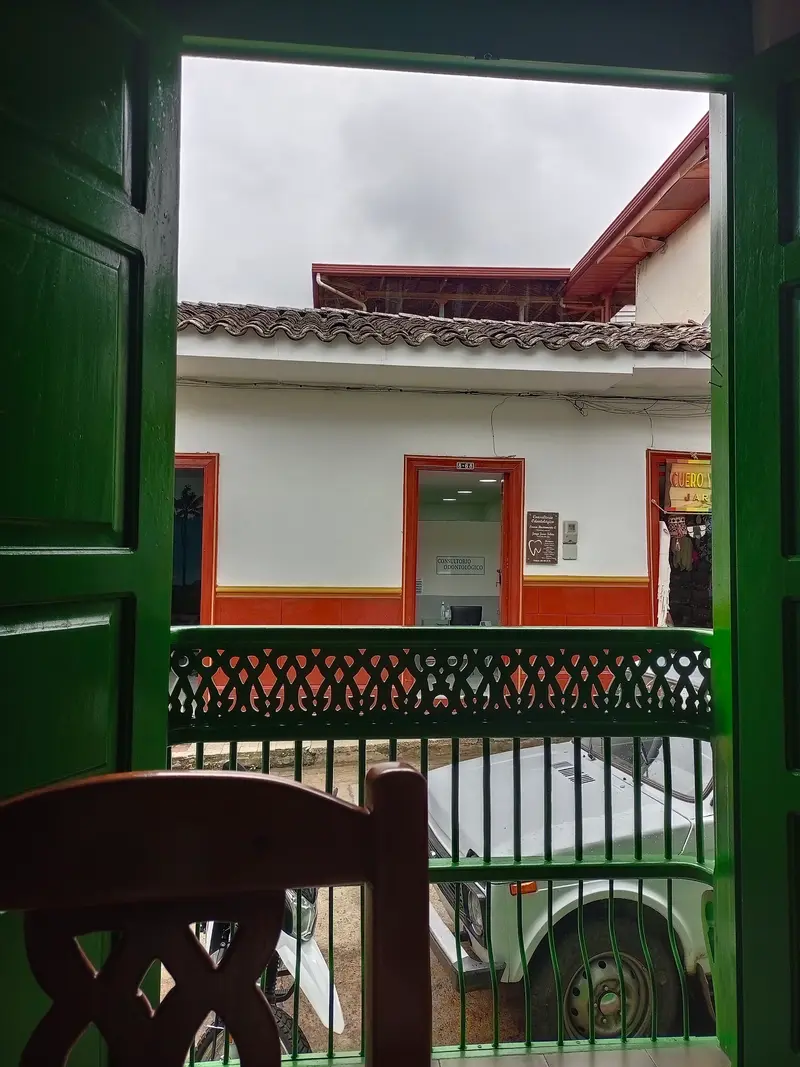
    XalD / Wikimedia Commons / CC BY-SA 4.0

    Place 3 of 3

    Jardín

    Jardín is a coffee village with around 15,000 inhabitants in southwestern Antioquia, a good three hours south of Medellín.

    Discover

    Food & Drink in Antioquia

    Paisa cuisine is hearty and rustic, featuring beans, pork, corn, and panela. In the mountain villages, fresh trout from fish farms is also served.
    Bandeja paisa

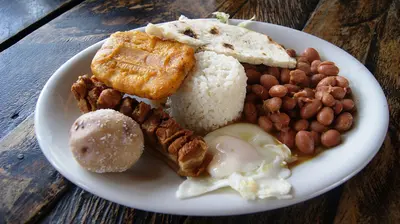
    Bandeja paisa

    A large plate with rice, beans, chicharrón, ground meat, chorizo, fried egg, arepa, avocado, and ripe plantain. It is Antioquia's signature dish and often serves two.

    Mazamorra with bocadillo

    Cooked corn in milk, sweetened with sugar or panela, with a piece of guava paste. Traditionally eaten after Bandeja Paisa.

    Arepa Antioquian

    Thin, plain Arepa, just corn, lightly toasted. Also available with cheese or butter.

    Aguapanela

    Panela drink, unrefined cane sugar, served hot or cold with lime. It accompanies many meals in Antioquia.

    Best Time to Visit

    When is the best time for your trip?

    December
    January
    February
    June
    July
    August
    23–24°C·53–244 mm(heavy rain)
    Medellín has year-round temperatures of 22 to 24 degrees. It rains least in June-August and December-February. April-May and Oct-Nov each bring over 230 mm of rain.
    The values come from Olaya Herrera Airport. Jardín in southwestern Antioquia is 1,750 meters higher than Medellín.

    Seasons

    Jan
    Feb
    Mar
    Apr
    May
    Jun
    Jul
    Aug
    Sep
    Oct
    Nov
    Dec
    Dryer season, Peak season
    The drier period
    Transitional
    The Rains
    Best Time to Visit
    ▶Show detailed monthly data
    MonthTemp (°C)Rain (mm)Sun (h)
    January23.01415.5
    February23.31495.4
    March23.12514.8
    April22.83004.1
    May23.02394.5
    June23.7875.5
    July24.0566.4
    August23.9536.0
    September23.21154.9
    October22.22764.3
    November22.03274.5
    December22.52444.9

    Videos & Travel Reports

    Städtetrip: Medellín, Kolumbien | DW Deutsch

    Der Städtetrip der Deutschen Welle stellt Medellín vor, die zweitgrößte Stadt Kolumbiens. Er erzählt auch, wie sich die Stadt seit ihrem Ruf als gefährlichste Stadt verändert hat.

    Deutsche Welle introduces Medellín, Colombia's second-largest city, and how it…

    Folge der ARD-Reihe Young Adventurers über eine sechswöchige Reise durch…

    Paisa Culture

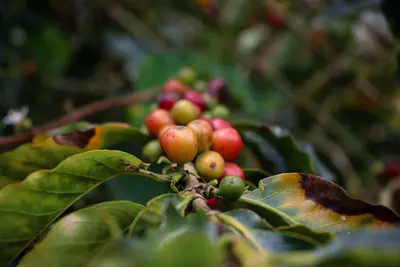
    The inhabitants of Antioquia call themselves Paisas. In the 19th century, colonists from Antioquia settled large parts of what would become the coffee region in the south; many places in the coffee zone were founded by them.Feria de las Flores: Medellín's big flower festival takes place in August.Zócalos: In Guatapé, painted relief plinths from the early 20th century adorn house facades.Coffee: In Suroeste, coffee is the most important crop, for example, around Jardín.

    Getting There and About

    Medellín: Central hub with Metro, Metrocable and two long-distance bus terminals.To Guatapé: Buses from the North Terminal in Medellín, about two hours.To Jardín: Buses from the Terminal del Sur in Medellín, around 134 km, 3 to 4 hours depending on the connection via winding mountain roads.
    Round trips through this region

    Colombia Classics: Bogotá, Medellín, Coffee Zone and Caribbean

    Colombia Classics: Bogotá, Medellín, Coffee Zone and Caribbean

    The route connects the capital in the highlands with Medellín, the coffee fincas around Salento, and the Caribbean coast from Cartagena to Santa Marta. You cover the long distances with short domestic flights, allowing more time for the destinations.

    14 Days
    5 stops
    Open jaw
    Antioquia und Kaffeezone

    Antioquia und Kaffeezone

    From Medellín to the Guatapé reservoir, the coffee village Jardín and further into the coffee region with Salento, the Valle de Cocora, Filandia and Manizales. The route leads through green Andean valleys and colorful villages of the coffee cultural landscape.

    12 Days
    7 stops
    Open jaw

    Nearby

    Medellín

    Medellín

    With around 2.5 million inhabitants, Medellín is Colombia's second-largest city, located at almost 1,500 m in the Valle de Aburrá. You visit for its cable cars connecting hillside neighborhoods to the Metro, the Botero sculptures in the center, and the street art in Comuna 13. Popular nightlife districts are El Poblado with Provenza, and Laureles.
    Guatapé

    Guatapé

    Guatapé is a village with around 10,000 inhabitants on the Peñol-Guatapé reservoir, about two hours east of Medellín. People visit for its colorful Zócalos on the house facades and the Piedra del Peñol, a 220 m high granite rock with stairs to its summit. It's a popular day trip; it gets crowded on weekends.
    Jardín

    Jardín

    Jardín is a coffee village with around 15,000 inhabitants in southwestern Antioquia, a good three hours south of Medellín. You go there for the main square with the Neo-Gothic basilica and for the mountain landscape with waterfalls, cable cars, and birdwatching. The village is located at 1,750 m and was founded in 1863.
    Manizales

    Manizales

    Manizales is the capital of the Caldas Department, with around 475,000 inhabitants, and is located over 2,100 m on steep Andean slopes. You go there as a base for coffee fincas and Los Nevados National Park, featuring the Nevado del Ruiz volcano. Founded in 1849, the city is shaped by several universities.
    Coffee Zone (Eje Cafetero)

    Coffee Zone (Eje Cafetero)

    The Coffee Zone encompasses the departments of Caldas, Risaralda, and Quindío in the Central Cordillera, between Medellín and Cali. You visit for the coffee fincas, the wax palms in the Valle de Cocora, and colonial-style villages like Salento and Filandia.

    Sources & method

    • Photos: Wikimedia Commons. Each photo carries its credit.
    • Video reportages: Städtetrip: Medellín, Kolumbien | DW Deutsch, City trip: Medellín, Colombia | DW English, Kolumbien-Abenteuer: Vom Pazifik zur Karibik in 6 Wochen | Young Adventurers | ARD Reisen
    • The content is based on web research from public, traceable sources. How the content is made · The role of AI