Fernweh: Home
    ExploreTravel GuidesPlan a tripMy tripLast visited
    de|en
    All Places & RegionsAll highlightsAbout FernwehFAQPrivacy PolicyImprint
    ExploreTravel GuidesPlan a tripMy tripLast visited
    • Overview
    • Places in the region
    • Recommendations
    • Food culture
    • Best travel time
    • Culture
    • Getting around
    • Round trips
    • Nearby
    Santander

    Colombia

    Santander

    Region

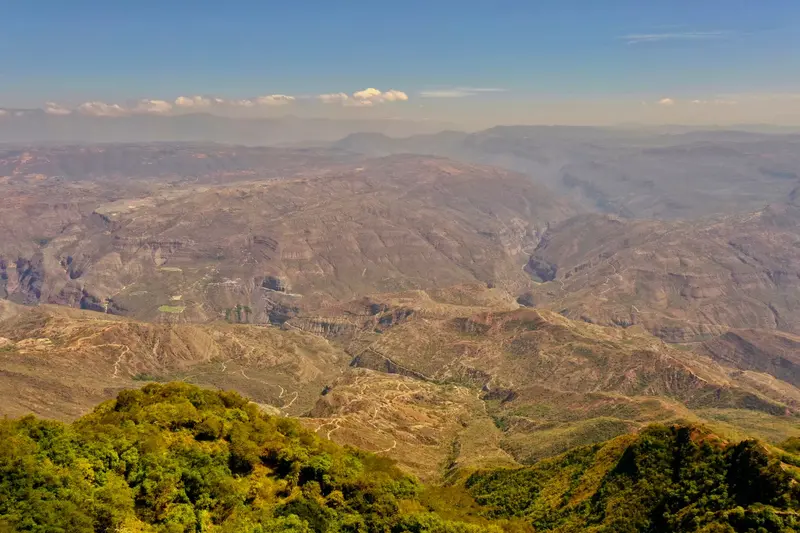
    Santander is in the northeast of Colombia, its capital is Bucaramanga. Visitors come for the Chicamocha Canyon, for rafting and canyoning around San Gil, and the colonial town of Barichara.

    by Felix Gillen

    1. Home
    2. Destinations
    3. Colombia
    4. Santander
    Santander is in the northeast of Colombia, its capital is Bucaramanga. Visitors come for the Chicamocha Canyon, for rafting and canyoning around San Gil, and the colonial town of Barichara.
    San Gil, about 300km north of Bogotá and 95km south of Bucaramanga, is a base for rafting on the Fonce, Suárez, and Chicamocha rivers, paragliding, canyoning, and caving.Just 21km away lies Barichara, a yellow sandstone town, its center a national monument since 1978. About two hours north of San Gil, a cable car spans the Chicamocha Canyon.
    Barichara

    Place 1 of 2

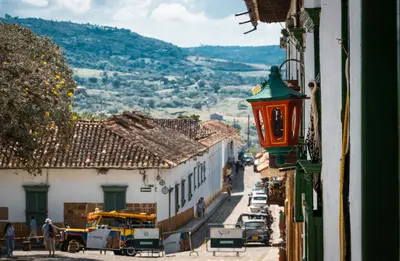
    Barichara

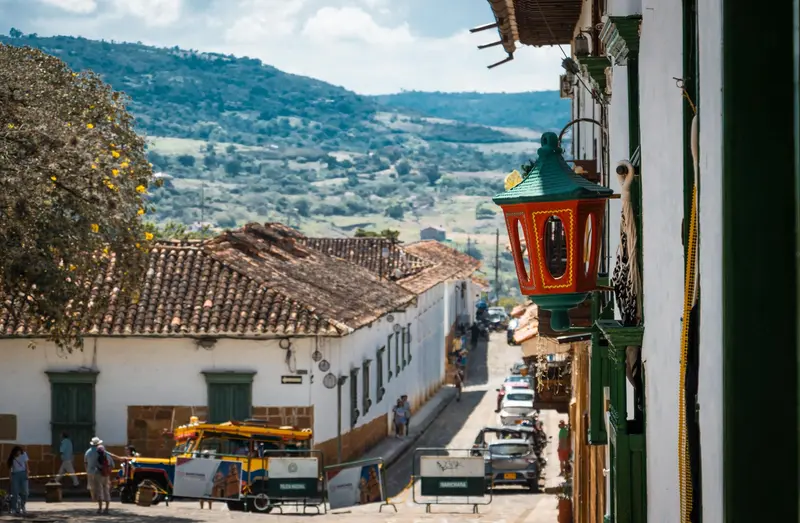
    Barichara is a colonial town in the mountains of Santander Department, northeastern Colombia, 21 km from the adventure town of San Gil. You come for its yellow sandstone houses, cobblestone streets, and the hike on the Camino Real to Guane.

    Discover
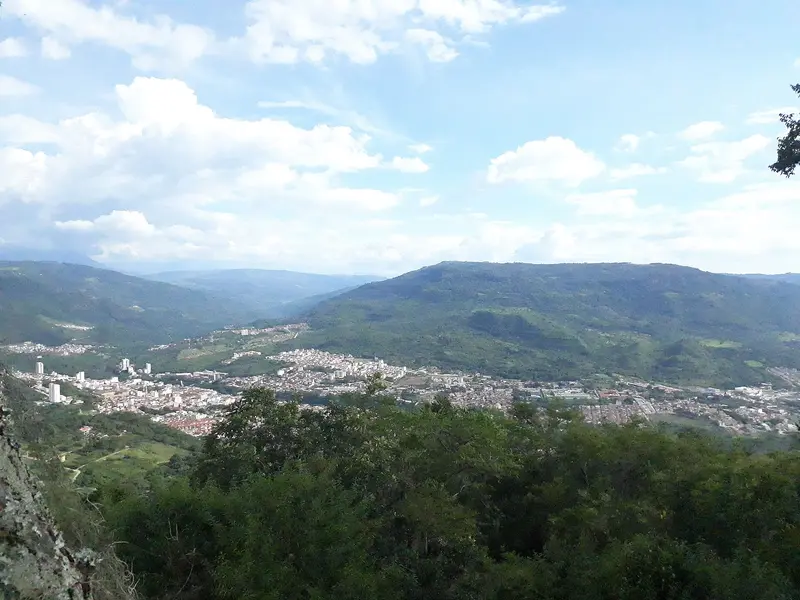
    San Gil
    Pedro Alejandro Ariza Rubiano / Wikimedia Commons / CC BY-SA 4.0

    Place 2 of 2

    San Gil

    San Gil liegt in Santander, rund 300 Kilometer nördlich von Bogotá und 95 Kilometer südlich von Bucaramanga. Die Stadt ist die Basis für Rafting, Canyoning und Paragliding in der Region und Ausgangspunkt für Barichara und den Chicamocha-Canyon.

    Discover

    Eating & Drinking in Santander

    Die Küche Santanders ist bodenständig und fleischbetont, mit Ziege, luftgetrocknetem Rind und dicken Suppen. Bekannt ist sie vor allem für die gerösteten Ameisen, ein Erbe der Guane.
    Cabrito con pepitoria

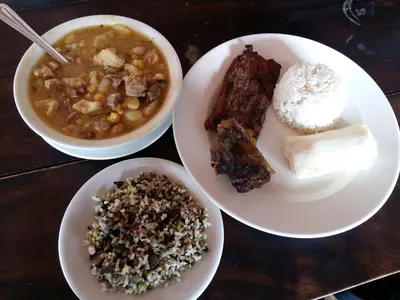
    Cabrito con pepitoria

    Stewed goat kid, marinated with spices, onions, and garlic, is considered the most famous dish of the department. It is served with Pepitoria, rice with goat kid offal, as well as Yuca and Arepa.

    Fat-bottomed ants

    Geröstete Blattschneiderameisen, die schon die Guane vor der Kolonialzeit aßen. Sie werden nur in einer kurzen Saison im Frühjahr gesammelt und als knuspriger Snack verkauft.

    Mute santandereano

    Thick soup made from peeled corn, chickpeas, beans, beef and pork. Almost every family and restaurant has its own version.
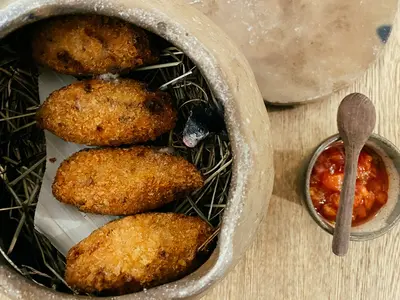
    Carne oreada

    Carne oreada

    Rindfleisch, das gesalzen, in der Sonne getrocknet und danach gegrillt wird. Typische Beilage ist die Arepa santandereana aus gelbem Mais mit Chicharrón.

    Best Time to Visit

    When is the best time for your trip?

    December
    January
    February
    March
    25–26°C·29–81 mm(moderate rain)
    Around San Gil, it is driest from December to March, with an average of under 30 mm of rain in January. April and May, as well as September and October, are the wettest months. Temperatures remain around 24 to 26 degrees all year.
    River water levels change with the rain. Ask the organizer which rafting routes are run in your travel month.

    Seasons

    Jan
    Feb
    Mar
    Apr
    May
    Jun
    Jul
    Aug
    Sep
    Oct
    Nov
    Dec
    Dry season, High season
    Dry season
    Transitional
    Wet season
    Best Time to Visit
    ▶Show detailed monthly data
    MonthTemp (°C)Rain (mm)Sun (h)
    January25.5297.3
    February25.9596.7
    March25.8816.1
    April25.11575.7
    May24.51625.8
    June24.31126.1
    July24.31106.7
    August24.51216.6
    September24.31476.0
    October24.01875.6
    November24.01136.3
    December24.5456.9

    Food and Culture

    Prior to the colonial era, the Guane lived here. According to tradition, the name Barichara means Place of Rest in their language.Regional cuisine includes hormigas culonas (roasted ants), carne oreada, the goat dish cabro with pepitoria, and the soup mute.

    Getting There and Around

    Bus from Bogotá: Direct buses from Terminal Salitre to San Gil take around 7 to 8 hours.From Bucaramanga: To San Gil, around 2.5 to 3 hours by bus; Bogotá to Bucaramanga is about a one-hour flight.Locally: Buses connect San Gil with Barichara (21 km) and with the Parque Nacional del Chicamocha.
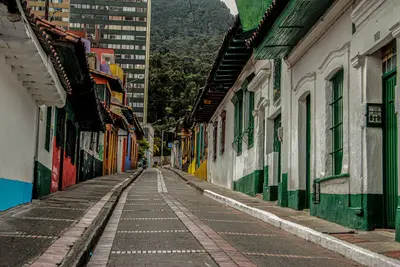
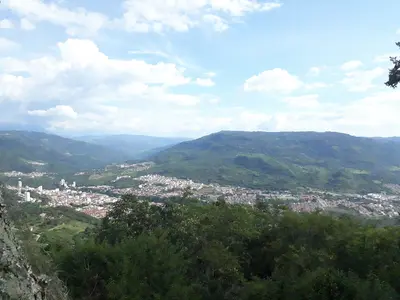
    Round trips through this region

    Highland colonial cities

    Highland colonial cities

    From Bogotá, via the Salt Cathedral of Zipaquirá and the white Villa de Leyva, to Santander, where Barichara and San Gil are. The route combines colonial architecture, Muisca history, and outdoor activities in the Andes.

    10 Days
    5 stops
    Open jaw

    Nearby

    San Gil

    San Gil

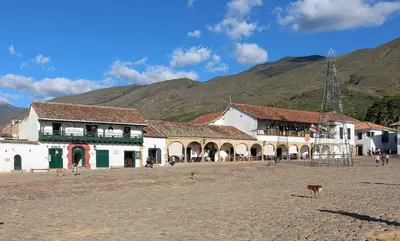
    San Gil liegt in Santander, rund 300 Kilometer nördlich von Bogotá und 95 Kilometer südlich von Bucaramanga. Die Stadt ist die Basis für Rafting, Canyoning und Paragliding in der Region und Ausgangspunkt für Barichara und den Chicamocha-Canyon. Die 1689 gegründete Stadt am Río Fonce hat rund 60.000 Einwohner; mitten im Ort liegt der Park El Gallineral.
    Barichara

    Barichara

    Barichara is a colonial town in the mountains of Santander Department, northeastern Colombia, 21 km from the adventure town of San Gil. You come for its yellow sandstone houses, cobblestone streets, and the hike on the Camino Real to Guane. Founded in 1705, the town is at around 1,300m; its historic center is a National Monument since 1978.
    Villa de Leyva

    Villa de Leyva

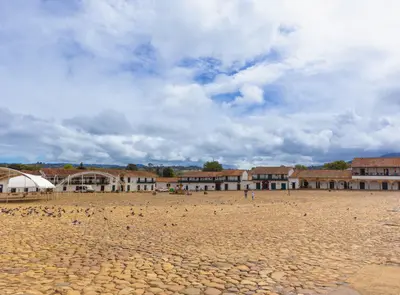
    Villa de Leyva is a colonial town in Boyacá, about 165 kilometers northeast of Bogotá and 40 kilometers west of Tunja. You come for its white houses, cobbled streets, and the Plaza Mayor, which, at about 14,000 square meters, is among South America's largest squares. The town, founded in 1572, is at 2,149 meters and has been a National Monument since 1954; its dry surroundings hold fossil finds and a Muisca site.
    Zipaquirá

    Zipaquirá

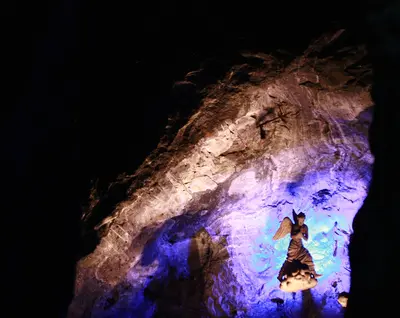
    Zipaquirá, about 49 kilometers north of Bogotá, is famous for its underground Salt Cathedral. The trip from the capital can be easily combined with a stroll through its colonial center. Founded in 1600, the city has over 160,000 inhabitants; white facades and wooden balconies earned it the nickname 'ciudad blanca' (white city).
    Bogotá & Boyacá

    Bogotá & Boyacá

    The region comprises the capital Bogotá and the Andean highlands of Cundinamarca and Boyacá to its north. You come here for museums and colonial architecture in the capital, the underground Salt Cathedral of Zipaquirá, and Boyacá's white colonial towns. Bogotá lies at 2,640 meters, making the climate throughout the highlands accordingly cool.

    Sources & method

    • Photos: Pexels. Each photo carries its credit.
    • The content is based on web research from public, traceable sources. How the content is made · The role of AI