Back to Colombia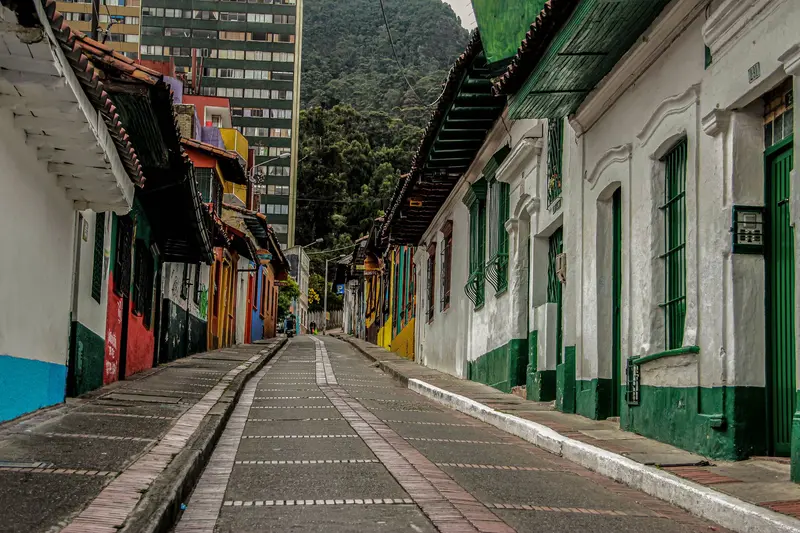
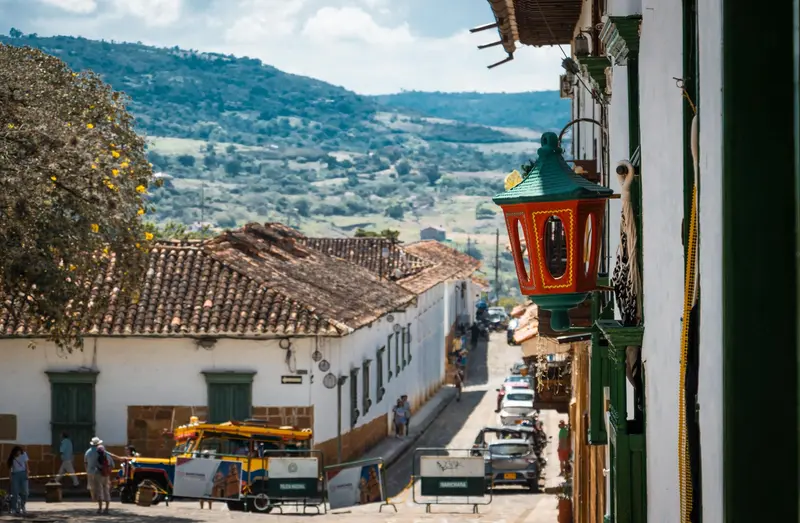
Highland colonial cities
by Felix Gillen
From Bogotá, via the Salt Cathedral of Zipaquirá and the white Villa de Leyva, to Santander, where Barichara and San Gil are. The route combines colonial architecture, Muisca history, and outdoor activities in the Andes.
5 stops
Why This Route?
This route explores Colombia's colonial side away from the Caribbean and avoids domestic flights. The stages are doable by bus, and in Santander you can combine culture with rafting or hiking.
Hidden Gems
- Camino Real from Barichara to Guane
- Casa Terracota near Villa de Leyva
- Monquirá Archaeological Park
- Nemocón Salt Mine
Getting there and back
Open jaw: start and end are in different places
- Arrival
- Flight · Bogotá (El Dorado)Arrival at El Dorado Airport in Bogotá, Colombia's main international airport.
- Departure
- Flight · BucaramangaFrom San Gil, take a bus to Bucaramanga (approx. 2 hours), then fly to Bogotá (approx. 1 hour). Alternatively, direct buses run from San Gil back to Bogotá in 7-8 hours.
Itinerary
Stop 1 • 3 Nights
Bogotá
Route highlight
Bogotá is the capital of Colombia and lies at 2,640 meters in the Andes. You come for the Gold Museum, the colonial streets of La Candelaria, and the views from its iconic mountain, Monserrate. With around eight million inhabitants, the city, founded in 1538, is large and diverse: Chapinero and Zona T are the districts for restaurants and nightlife.
Arrive at El Dorado Airport. Gold Museum, La Candelaria, and Monserrate. Bogotá is at 2,640m; plan a gentle first day.
6 Sights
4 Restaurants
Culture and History
At Plaza de Bolívar stand the Cathedral, Capitol, City Hall, and Palace of Justice side-by-side, the nation's political core. The Plaza was laid out in 1539.The Museo del Oro houses over 34,000 pre-Columbian gold objects and around 25,000 other pieces from ceramic, stone, shell, and textile. The Museo Botero displays a collection Fernando Botero gifted to the Banco de la República: 123 of his own works and 85 works by international artists.
Stop 2 • 0 Nights
Zipaquirá
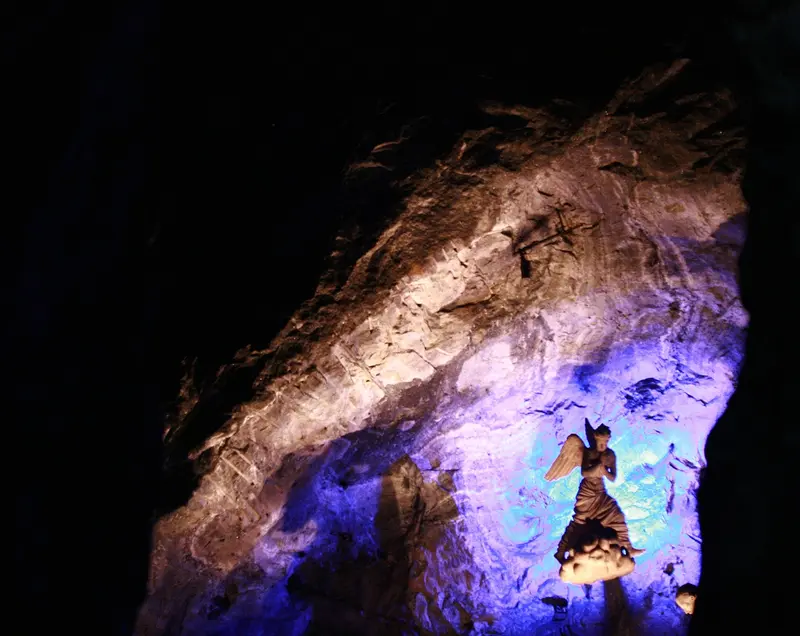
Zipaquirá, about 49 kilometers north of Bogotá, is famous for its underground Salt Cathedral. The trip from the capital can be easily combined with a stroll through its colonial center. Founded in 1600, the city has over 160,000 inhabitants; white facades and wooden balconies earned it the nickname 'ciudad blanca' (white city).
Day trip to the Salt Cathedral. On weekends and public holidays, the Tren de la Sabana departs from Bogotá; other days, buses from TransMilenio's Portal Norte take about an hour.
4 Sights
1 Restaurant
Salt and History
Even before the arrival of the Spanish, Zipaquirá was an important trading center for salt. The first Salt Cathedral opened in 1954 and closed in 1992. The current cathedral was inaugurated in December 1995.Gabriel García Márquez finished his schooling in Zipaquirá. His former college is now a cultural center.
Stop 3 • 2 Nights
Villa de Leyva
Route highlight
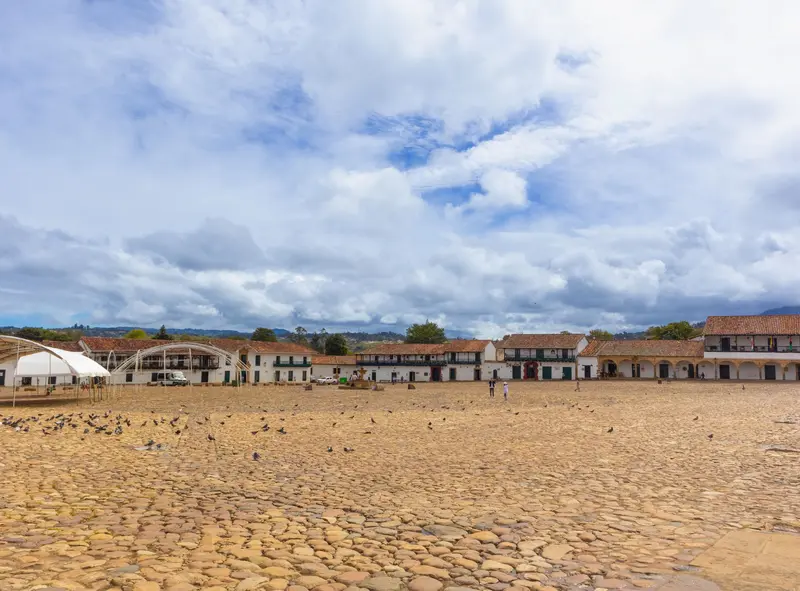
Villa de Leyva is a colonial town in Boyacá, about 165 kilometers northeast of Bogotá and 40 kilometers west of Tunja. You come for its white houses, cobbled streets, and the Plaza Mayor, which, at about 14,000 square meters, is among South America's largest squares. The town, founded in 1572, is at 2,149 meters and has been a National Monument since 1954; its dry surroundings hold fossil finds and a Muisca site.
Anreise ab Bogotá per Bus, meist mit Umstieg in Tunja (ab dort rund 45 Minuten). Plaza Mayor, Museo El Fósil und Casa Terracota.
5 Sights
1 Restaurant
Our History
Villa de Leyva was founded on June 12, 1572, and named after Andrés Díaz Venero de Leiva. Since 1954, the town has been protected as a National Monument and belongs to the network of Pueblos Patrimonio.The independence fighter Antonio Nariño died here on December 13, 1823. His house is now a museum.
Stop 4 • 2 Nights
San Gil
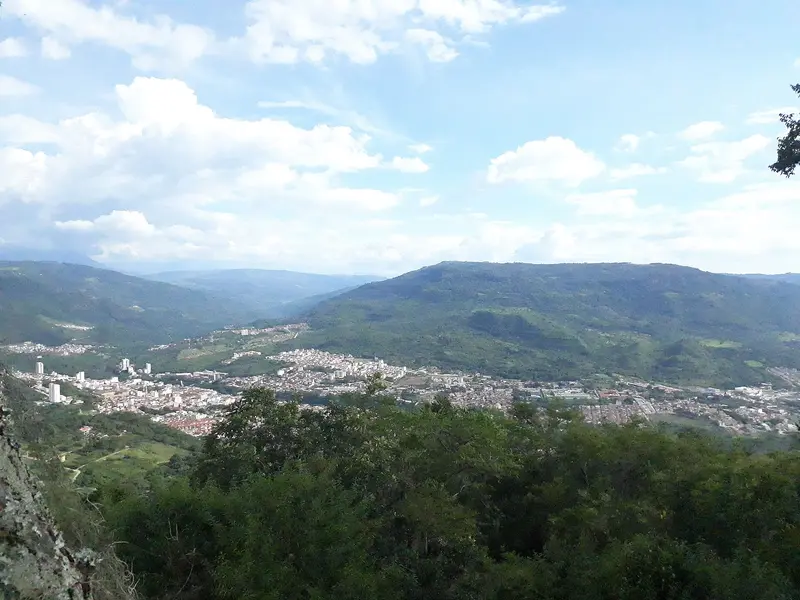
San Gil liegt in Santander, rund 300 Kilometer nördlich von Bogotá und 95 Kilometer südlich von Bucaramanga. Die Stadt ist die Basis für Rafting, Canyoning und Paragliding in der Region und Ausgangspunkt für Barichara und den Chicamocha-Canyon. Die 1689 gegründete Stadt am Río Fonce hat rund 60.000 Einwohner; mitten im Ort liegt der Park El Gallineral.
From Villa de Leyva by minibus to Arcabuco (approx. 1 hour) and then by bus to San Gil (approx. 4 hours); alternatively via Tunja. Rafting on the Río Fonce, Parque El Gallineral.
4 Sights
2 Restaurants
Adventure and Region
Rafting is available on the Fonce, Suárez, and Chicamocha rivers. The Fonce features moderate rapids, while the Suárez is considered significantly more challenging.Other activities include paragliding, bungee jumping, abseiling, and caving. In 2004, San Gil was officially declared the region's tourist capital.
Stop 5 • 2 Nights
Barichara
Route highlight
Barichara is a colonial town in the mountains of Santander Department, northeastern Colombia, 21 km from the adventure town of San Gil. You come for its yellow sandstone houses, cobblestone streets, and the hike on the Camino Real to Guane. Founded in 1705, the town is at around 1,300m; its historic center is a National Monument since 1978.
Barichara liegt 21 Kilometer von San Gil, Busse fahren regelmäßig. Wanderung auf dem Camino Real nach Guane.
4 Sights
3 Restaurants
History and Architecture
According to legend, an image of the Virgin Mary appeared to a farmer on a stone in 1702; the town was founded in 1705. Its name, according to tradition, means 'Place of Rest' in the Guane language.Since 2010, Barichara has been one of Colombia's Heritage Towns. Houses, churches, and even the cemetery are built from the local yellow stone.
5 stops
Route Summary
Duration10 Days
Stops5 Places
TypeCulture
Best Time to GoDecember to March, when it's driest in Bogotá and Santander.