Colombia
Cali & Popayán
Region
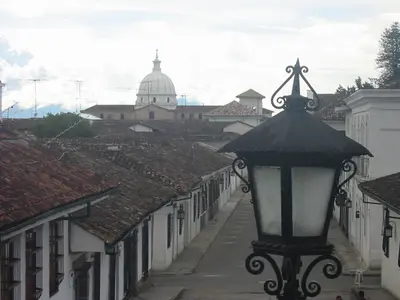
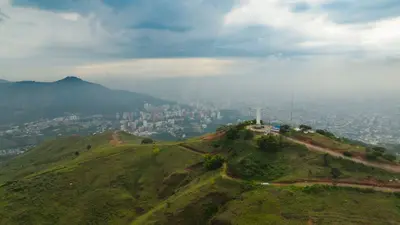
Colombia's southwest connects two very different cities: Cali in Valle del Cauca is considered the capital of Salsa, Popayán in Departamento Cauca the country's white colonial city.
by Felix Gillen
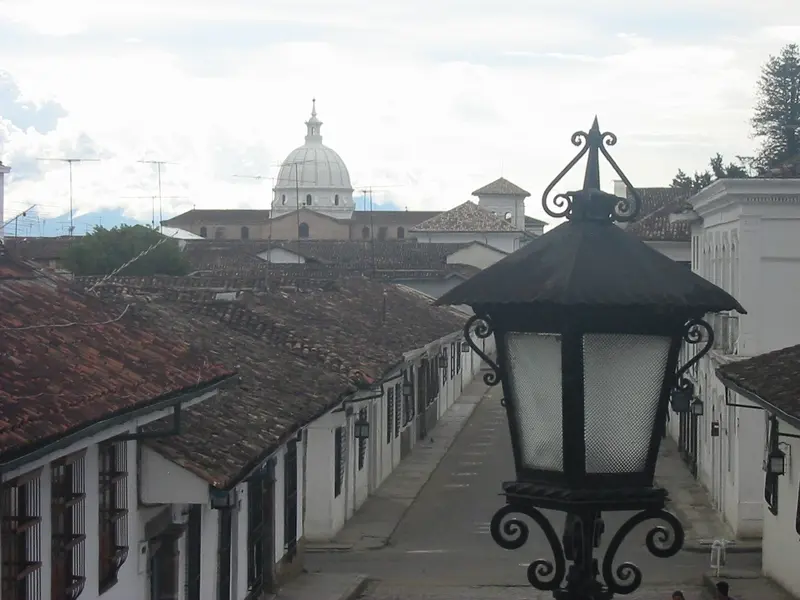
Colombia's southwest connects two very different cities: Cali in Valle del Cauca is considered the capital of Salsa, Popayán in Departamento Cauca the country's white colonial city. You travel here for dance nights in Salsotecas, for whitewashed old town alleys and for the cuisine of Cauca. Both cities are located approximately 140 road kilometers apart.
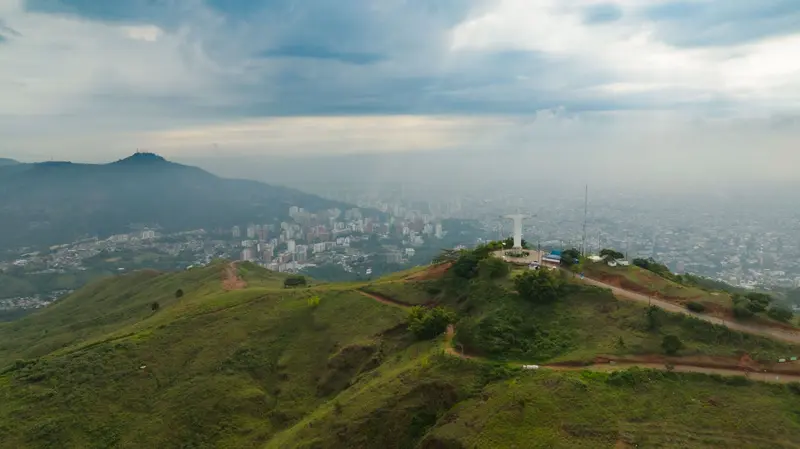
With over two million inhabitants, Cali is the largest city in the southwest. The city lives and breathes salsa: from bars in the city center and San Antonio to dance schools offering evening classes. The Feria de Cali takes place annually from December 25th to 30th.Popayán was founded in 1537 and boasts one of Colombia's best-preserved old towns. Its Holy Week (Semana Santa) processions have been on UNESCO's Intangible Cultural Heritage List since 2009. The city is also renowned for its regional cuisine, such as Empanadas de pipián.Current SituationOn August 10, 2026, a 7.4 magnitude earthquake with an epicenter in Chocó severely impacted the region; in Cali, there were 154 fatalities and over 12,000 damaged buildings. The Puracé Volcano near Popayán was on Orange alert from early August to late September 2026 and has been back on Yellow since September 29th; Popayán Airport was repeatedly closed in 2026 due to ash. Check the current UK FCDO travel advice before your trip.
Food & Drink in Cauca and Valle del Cauca
The cuisine in the Southwest combines corn, plantains, and cheese with Pacific Coast influences. In Valle, fried foods and fruit drinks dominate, while in Cauca, dishes with Pipián are central.
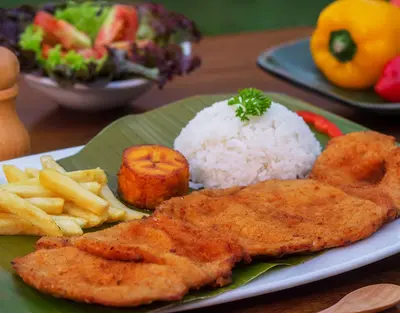
Chuleta valluna
Thin pork chop, seasoned with lime, cumin, pepper and salt, then breaded in flour and egg and fried. It is usually served with rice and Patacones.
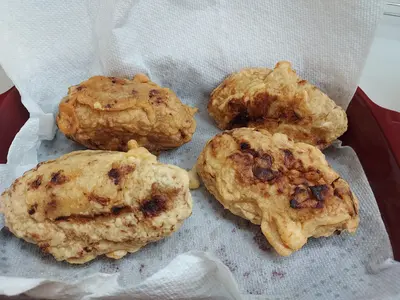
Aborrajado
Slices of ripe plantain are filled with cheese, wrapped in dough, and fried. The TasteAtlas portal ranked the dish in 2024 as Colombia's best dessert.
Sancocho de gallina
Soup with chicken, yuca, plantain and corn on the cob, one of the region’s most typical dishes. It is served with rice, avocado and Ají.
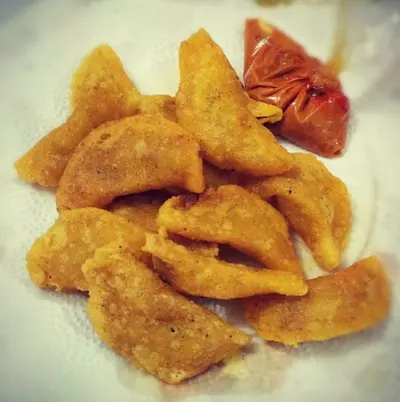
Empanadas de pipián
Small dumplings from Popayán, filled with Pipián, a creamy ragout of potatoes and peanuts with Achiote. They are eaten with a spicy peanut sauce.
Best Time to Visit
When is the best time for your trip?
24–24°C·29–54 mm(little rain)
Cali is warm and relatively dry. July and August are the driest, with around 30 mm of rain; January and February also stay below 60 mm. April, October, and November are the wettest.
The values are from Alfonso Bonilla Aragón Airport near Cali, where monthly averages are around 24 degrees. Before traveling to Cauca, check the latest travel and security advisories from the German Foreign Office.
Seasons
Jan
Feb
Mar
Apr
May
Jun
Jul
Aug
Sep
Oct
Nov
Dec
The Drier Season
Drier time, Peak season
Interim period
Wet season
Best Time to Visit
▶Show detailed monthly data
| Month | Temp (°C) | Rain (mm) | Sun (h) |
|---|---|---|---|
| January | 24.0 | 48 | 5.8 |
| February | 24.2 | 54 | 5.6 |
| March | 24.2 | 89 | 5.2 |
| April | 23.9 | 134 | 4.7 |
| May | 23.9 | 103 | 4.6 |
| June | 23.9 | 50 | 5.0 |
| July | 24.1 | 32 | 5.9 |
| August | 24.3 | 29 | 6.1 |
| September | 24.1 | 65 | 5.3 |
| October | 23.5 | 99 | 5.0 |
| November | 23.4 | 105 | 5.1 |
| December | 23.6 | 69 | 5.3 |
Videos & Travel Reports
Von den Mangroven in die Anden | Kolumbien | ARTE Fernweh
Die ARTE-Reportage begleitet Menschen im Südwesten Kolumbiens, zwischen den Mangrovenwäldern der Pazifikküste und dem Hochland der Anden.
Salsa, Processions and Cuisine of Cauca
Cali trägt den Beinamen „Welthauptstadt des Salsa“. Abends tanzen Einheimische in Salsotecas, viele Lokale bieten vorher Kurse an.In Popayán prägt die Kirche den Kalender: Die Prozessionen der Karwoche sind seit 2009 immaterielles UNESCO-Kulturerbe. Die Stadt gehört zum UNESCO-Netzwerk der kreativen Städte im Bereich Gastronomie.Typisch im Valle: Chuleta valluna, Aborrajados, Lulada und Champús.Typisch in Popayán: Empanadas de pipián mit scharfer Erdnusssauce.
Getting There and Exploring
Flight to Cali: Alfonso Bonilla Aragón International Airport (CLO) is located in the neighboring town of Palmira.Flight to Popayán: Guillermo León Valencia Airport has daily connections to Bogotá; operations may be suspended due to ash clouds from Puracé.Road: Cali and Popayán are connected via the Panamericana (approx. 140 km). Check the current UK FCDO travel advice before your trip.In Cali: The MIO bus system is operating again after the earthquake; the MIO Cable cable car is out of service (as of September 2026).