Colombia
Pacific Coast (Chocó)
Region
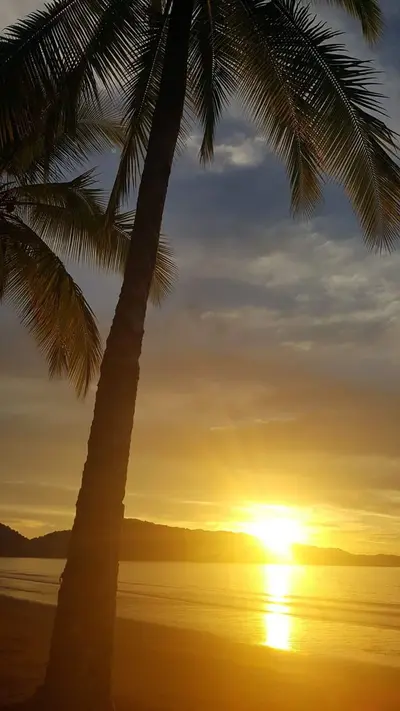
The Pacific coast of Chocó is a narrow strip between rainforest and sea in northwestern Colombia, without a road connection to the interior.
by Felix Gillen
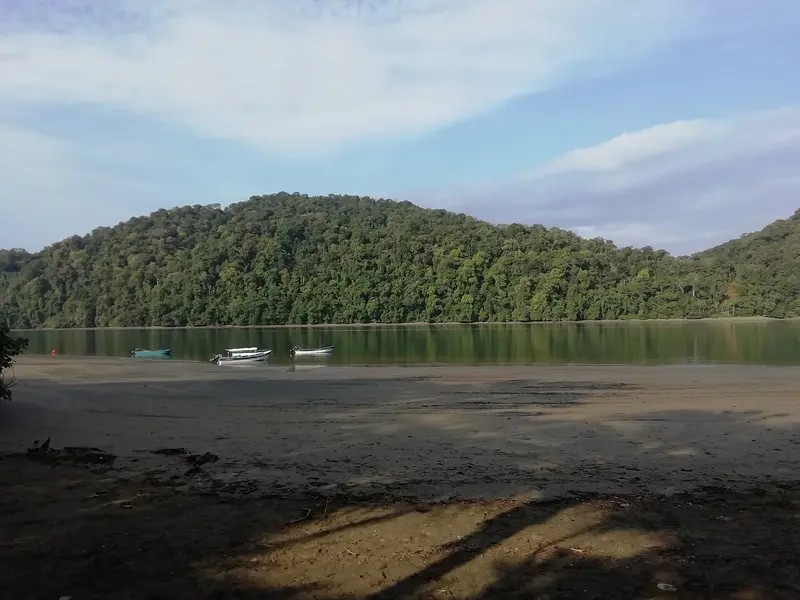
The Pacific coast of Chocó is a narrow strip between rainforest and sea in northwestern Colombia, without a road connection to the interior. You come here to see humpback whales from July to October, surf on dark sand beaches, and visit Utría National Park. The towns of Nuquí and Bahía Solano are reached by small plane from Medellín.
Humpback whales visit this coast annually to calve. The National Park administration sets the season from July to October.Villages are Afro-Colombian influenced; Emberá communities live inland. Boats connect settlements, as roads are scarce.Check the current UK FCDO travel advice before your trip. The August 10, 2026 earthquake's epicenter was in Chocó.
Food & Drink on the Pacific Coast
The Afro-Colombian cuisine of the Pacific coast combines fish and seafood with coconut milk, plantains, and rainforest herbs. Typical is Viche, a handcrafted sugarcane spirit.
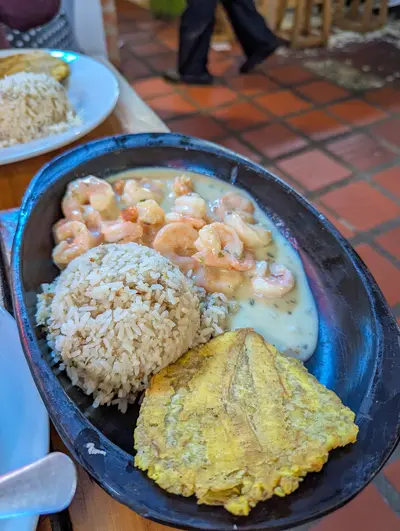
Encocado
Fish or seafood, cooked in coconut milk, are a staple of the coast. In Chocó, smoked, shredded Pargo is often prepared with onion, garlic, and wild coriander.
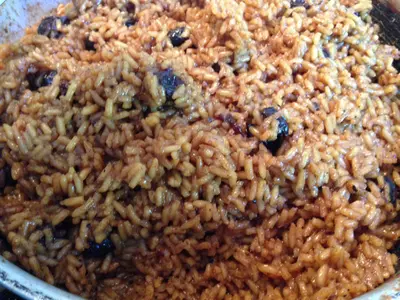
Coconut rice
Rice cooked in milk derived from fresh coconuts. It is the usual side dish to fish and Patacones.
Viche
Artisanally distilled sugar cane spirit, produced by Afro-Colombian communities in Chocó, Valle del Cauca, Cauca, and Nariño. A 2021 law protects it as collective heritage; variants include Tomaseca, Arrechón, and Tumbacatre.
Ceviche of Piangua
Piangua is a shell collected by women from mangrove mud. For ceviche, it is dressed with red onions, lime and orange juice, cilantro, and tomato.
Best Time to Visit
When is the best time for your trip?
26–26°C·518–833 mm(heavy rain)
It rains year-round on Chocó's Pacific coast, with over 800 mm falling in Bahía Solano in October. Most visitors still come from July to October, when humpback whales migrate off the coast. August and September are considered the best months for whale watching.
Februar und März sind die regenärmsten Monate, Sonne gibt es aber nur rund 2 bis 3 Stunden am Tag. Flüge und Unterkünfte in der Walsaison früh buchen. Prüfe vor der Reise die aktuellen Reise- und Sicherheitshinweise des Auswärtigen Amts.
Seasons
Jan
Feb
Mar
Apr
May
Jun
Jul
Aug
Sep
Oct
Nov
Dec
Reduced Rain
The Rains
Whale season, rainy
Best Time to Visit
▶Show detailed monthly data
| Month | Temp (°C) | Rain (mm) | Sun (h) |
|---|---|---|---|
| January | 26.0 | 267 | 2.5 |
| February | 26.3 | 170 | 3.1 |
| March | 26.2 | 214 | 2.8 |
| April | 26.1 | 341 | 2.3 |
| May | 25.9 | 499 | 2.0 |
| June | 25.7 | 490 | 1.9 |
| July | 25.8 | 518 | 2.5 |
| August | 25.8 | 574 | 2.3 |
| September | 25.6 | 549 | 1.7 |
| October | 25.6 | 833 | 1.9 |
| November | 25.5 | 746 | 1.6 |
| December | 25.7 | 537 | 1.6 |
Videos & Travel Reports
Von den Mangroven in die Anden | Kolumbien | ARTE Fernweh
Die ARTE-Reportage begleitet Menschen im Südwesten Kolumbiens, zwischen den Mangrovenwäldern der Pazifikküste und dem Hochland der Anden.
Folge der ARD-Reihe Young Adventurers über eine sechswöchige Reise durch…
Afro-Colombian Coast
Afro-Colombian heritage and indigenous traditions shape the region. Emberá from the Mecana community near Bahía Solano lead rainforest tours.Dishes are prepared with the day's catch, plantains, and tropical fruits. Processed foods play hardly any role.
Getting There and Around
Flights: From Olaya Herrera City Airport in Medellín to Nuquí (Clic, Satena, approx. 45 to 55 minutes) and to Bahía Solano.Boat: Between Bahía Solano and Nuquí, about 2 hours by speedboat; from Buenaventura, the trip to Nuquí takes about 8 hours.Getting Around: The only road runs from Bahía Solano to El Valle. Beaches, villages, and the National Park are reached by boat.Cash: ATMs are rare and often out of order.