Fernweh
    ExploreTravel GuidesMy Trips
    de|en
    About FernwehImprintFAQPrivacy Policy
    ExploreTravel GuidesMy Trips
    Eastern Cape

    Eastern Cape

    Region
    1. Home
    2. Destinations
    3. South Africa
    4. Eastern Cape
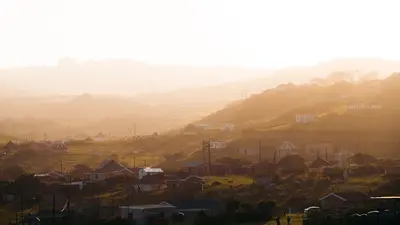
    Welcome to the 'Adventure Province', the Eastern Cape! Here, a breathtaking diversity awaits you, from pristine coastlines and wild beaches to malaria-free Big Five Safaris and the deep cultural roots of the Xhosa Nation. Discover a region full of contrasts that delights both adventurers and those seeking tranquility.
    • Overview
    • Places in the region
    • Eat & drink
    • Best travel time
    • Culture
    • Nearby
    • Overview
    • Places in the region
    • Eat & drink
    • Best travel time
    • Culture
    • Nearby
    The Eastern Cape, South Africa's "Adventure Province," captivates with its unique blend of pristine coastlines and malaria-free Big Five safaris.The Wild Coast offers rugged beauty and authentic Xhosa settlements, while the Addo Elephant National Park provides excellent wildlife viewing of elephants, lions, and rhinos.In Gqeberha (Port Elizabeth), you'll encounter colonial architecture and the history of Nelson Mandela Bay.The region is also home to the Xhosa nation and the birthplace of Nelson Mandela, whose legacy is palpable in places like Qunu.Ideally, plan your visit between May and September to take advantage of the drier months for optimal safaris and pleasant coastal weather.

    Places in Eastern Cape

    Mthatha

    Mthatha

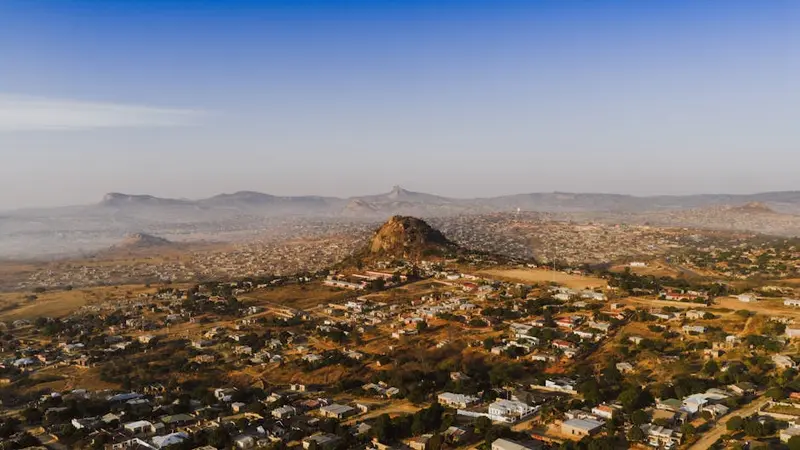
    Welcome to Mthatha, the vibrant heart of the former Transkei and the historic birthplace of one of the world's greatest icons, Nelson Mandela. This city in South Africa's Eastern Cape is more than just a stopover on the way to the Wild Coast; it is a cultural hub that lets you delve deep into the history and heritage of the Xhosa people. Discover the roots of a freedom fighter and the authentic life of a South African city here.
    Hole in the Wall

    Hole in the Wall

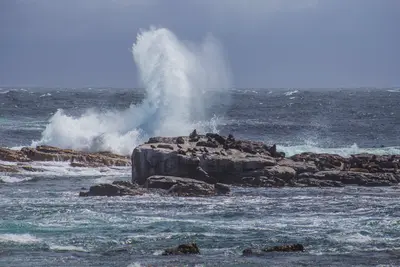
    Nestled within the pristine, rugged beauty of the Wild Coast in South Africa's Eastern Cape, Hole in the Wall is a geological marvel and a place of profound cultural significance. Imagine the waves of the Indian Ocean crashing through a gigantic, naturally formed rock arch – a sight that will captivate you. This iconic rock, known as “uMnyango ka Mdali” (the Gate of the Creator) in Xhosa mythology, promises not only breathtaking photo opportunities, but also a journey into the legends and the wild, primal essence of South Africa.
    Gqeberha (Port Elizabeth)

    Gqeberha (Port Elizabeth)

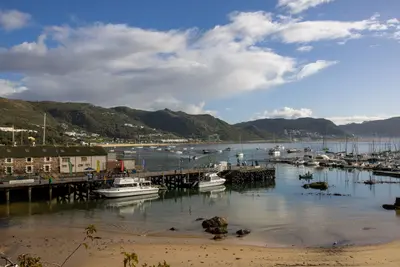
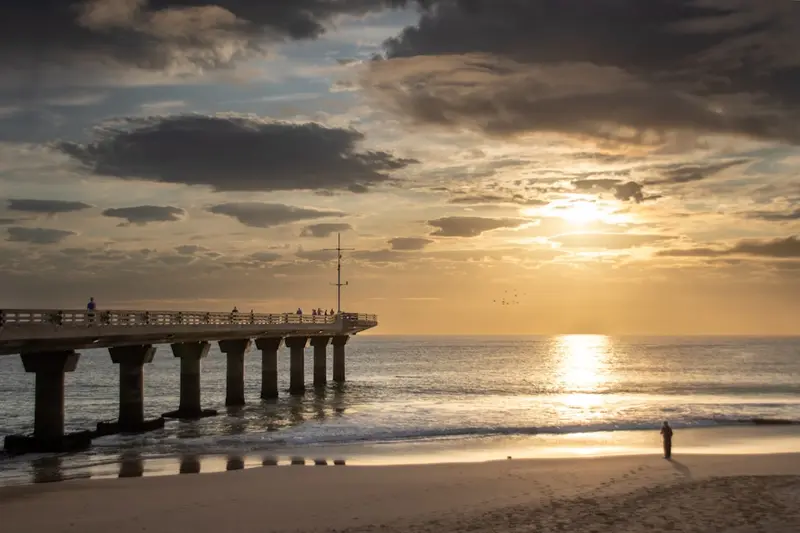
    Welcome to Gqeberha, affectionately known as the 'Friendly City', a vibrant coastal city on South Africa's Eastern Cape. Here, a fascinating blend of rich history, a lively art scene, and beautiful beaches awaits you, inviting you to linger. Immerse yourself in the relaxed South African atmosphere and discover a destination that promises both adventure and relaxation.

    Sights in Eastern Cape

    Discover the most important sights and attractions

    Addo Elephant National Park

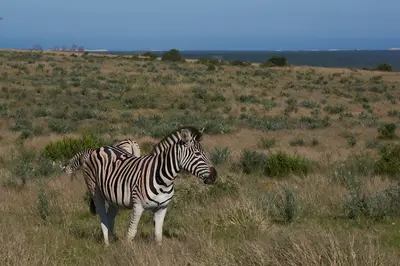
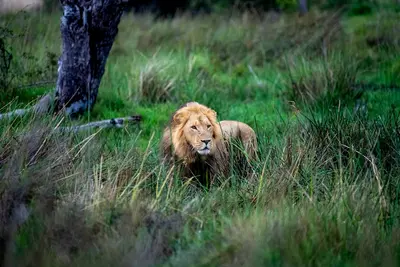
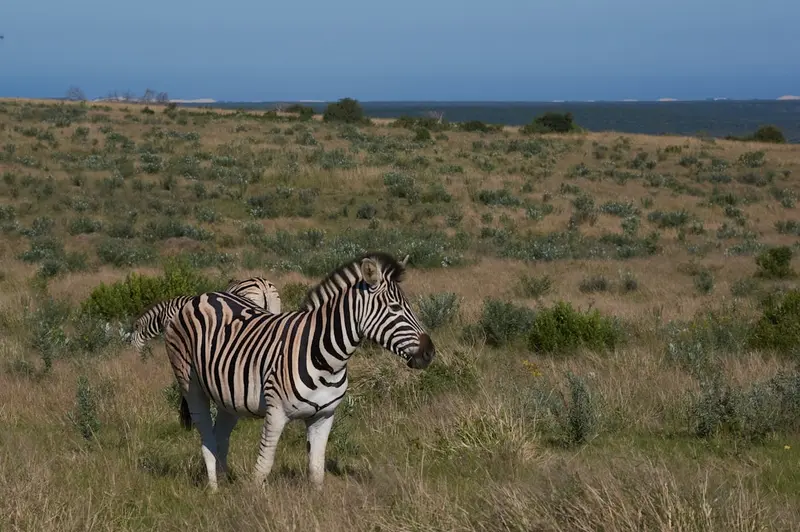
    The Addo Elephant National Park in the Eastern Cape is a crucial conservation area in South Africa, founded in 1931 to protect the last eleven surviving Cape elephants in the region from extinction. Today, the park is home to over 600 elephants, making it one of the best places to observe these majestic animals up close. Here you can also discover the other members of the Big Five – lions, leopards, rhinos, and buffalo – as well as a variety of other wildlife such as zebras, kudus, and antelopes. The conservation area spans various ecosystems, from dense bushland to coastal dunes, thus offering remarkable biodiversity. A practical tip: Visit the park in the early morning or late afternoon, as the animals are most active then and the light conditions are ideal for photos. Focus on the waterholes, especially during drier periods, to achieve the best sightings. The park is ideal for self-drivers, offering you flexibility in exploration.
    Open in Google Maps

    Wild Coast (Transkei)

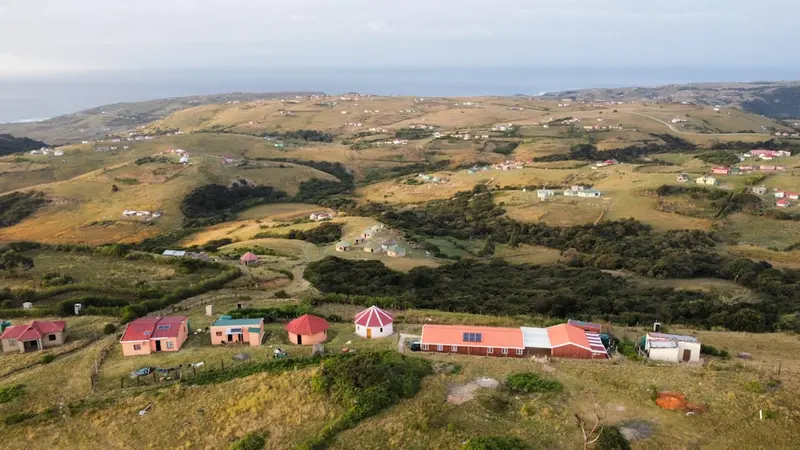
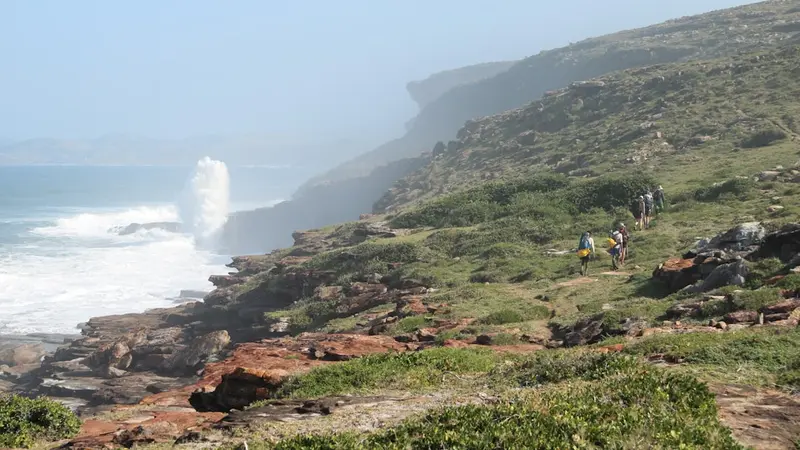
    The Wild Coast, historically known as Transkei, is a stretch of coastline in South Africa's Eastern Cape, characterized by its unspoiled nature and deeply rooted Xhosa culture. Here you'll experience a landscape of dramatic cliffs, rolling green hills, and secluded sandy beaches, dotted with traditional villages. This region was once a Homeland and to this day preserves an authentic way of life that you can experience firsthand in its rural communities. The Wild Coast is also the home region of Nelson Mandela, whose birthplace Mvezo and childhood village Qunu are nearby, offering deep insights into his early years.Visitors can expect a relaxed atmosphere away from mass tourism. You can undertake extensive hikes along the coast, surf, or observe local fishermen at work. An absolute highlight is the Hole in the Wall near Coffee Bay, an impressive rock formation best visited at sunrise to capture the magical ambiance and best light for photos. The infrastructure here is less developed than in other regions of South Africa, which contributes to its unspoiled charm but also requires careful planning. For exploring more remote areas, a 4x4 vehicle is often advantageous. The best travel time is during the shoulder months of spring and autumn, to experience pleasant weather and fewer visitors.
    Open in Google Maps

    Jeffreys Bay

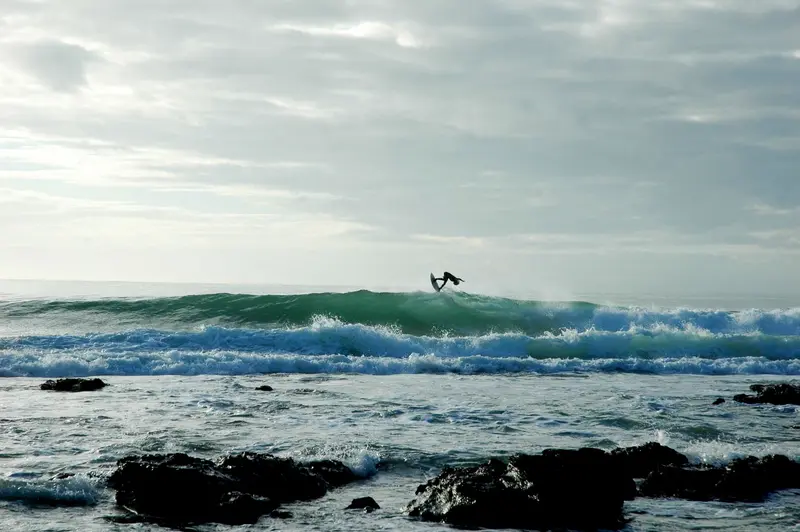
    Jeffreys Bay, often referred to as J-Bay, is globally renowned as one of the top travel destinations for surfers. This town in South Africa's Eastern Cape owes its reputation primarily to the legendary wave "Super Tubes", famous for its length and perfection. This natural feature has significantly shaped the local culture; you'll find a relaxed atmosphere here that completely follows the ocean's rhythm.Beyond surfing, Jeffreys Bay also offers beautiful beaches perfect for strolls and relaxation. The region is also known for its rich variety of seashells, which is reflected in the local shell museum and numerous handicraft shops. Here you can find unique souvenirs that echo the town's maritime history.Our Tip: For surfers, the winter months (June to August) are ideal, as this is when the biggest and most consistent waves roll in. If you don't surf yourself but want to watch the spectacle, the viewpoints along the coast are perfect, especially in the early morning, to see the pros in action and avoid the largest crowds. A visit to Dolphin Beach or Main Beach is also recommended for families.
    Open in Google Maps

    Baviaanskloof Mega Reserve

    The Baviaanskloof Mega Reserve in the Eastern Cape is a UNESCO World Heritage Site and an outstanding example of untouched wilderness in South Africa. Here you'll find a unique combination of dramatic mountain landscapes, deep valleys, and rivers, which host an exceptional biodiversity. The reserve is part of the Cape Floral Kingdom and offers a rich variety of plant species, including Fynbos and succulents. Historically significant are the numerous San rock paintings, which bear witness to ancient cultures.For visitors, Baviaanskloof means a true adventure off the beaten path. The main route, the Baviaanskloof Pass, absolutely requires a 4x4 vehicle and offers spectacular views as well as the chance to spot wildlife such as Kudu, Eland, and with a bit of luck, even leopards. Here you can hike, birdwatch, and enjoy the tranquility of nature. Our Tip: Plan at least two to three days for the traverse to truly soak in the landscape and explore the various hiking trails. Make sure to carry enough fuel, water, and provisions, as the infrastructure is very limited. The best time to visit is during the South African winter (May to September), as the rivers then carry less water, making passage easier.
    Open in Google Maps

    Addo Elephant National Park

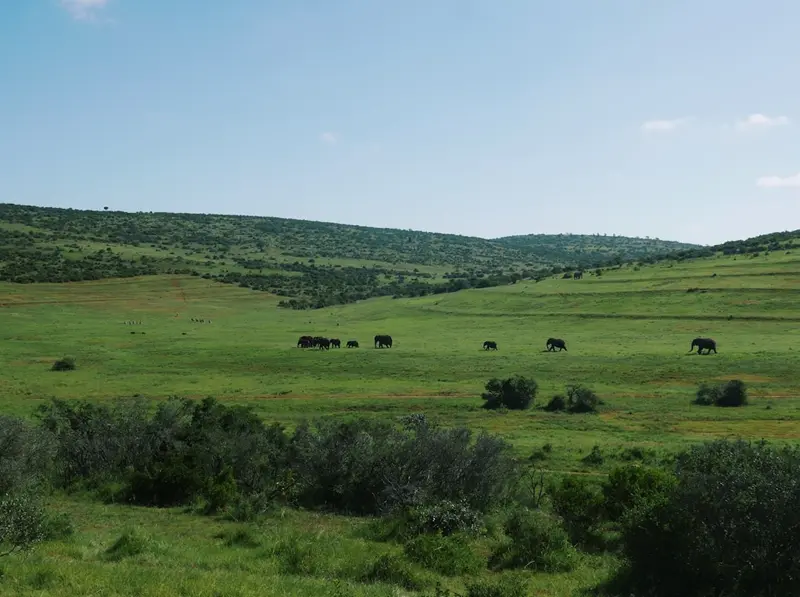
    The Addo Elephant National Park in the Eastern Cape is South Africa's third-largest national park and an outstanding example of successful conservation. Originally founded in 1931 to protect the last eleven surviving Cape elephants in the region, it now hosts over 600 of these majestic animals. Here, you can not only observe elephants but also the "Big Seven" – elephants, rhinos, buffalo, lions, leopards, as well as whales and great white sharks off the coast, which are part of the park area. The landscape varies from dense bushland to coastal dunes. A practical tip: Early mornings or late afternoons offer the best chances for wildlife sightings, as the animals are more active then and the light is ideal for photos. To avoid crowds, plan your visit outside of South African school holidays. Waterholes are excellent spots to see various wildlife, especially during the dry season.
    Open in Google Maps

    Wild Coast (Transkei)

    The Wild Coast, historically known as Transkei, is one of South Africa's last largely unspoiled coastal regions in the Eastern Cape. This area was the traditional homeland of the Xhosa and a former Bantustan during Apartheid, resulting in a unique cultural heritage that you can still experience today. Here you'll find a dramatic landscape of rugged cliffs, vast sandy beaches, lush forests, and rolling green hills dotted with traditional Xhosa villages.Expect a journey off the beaten path, where nature takes center stage. The region is ideal for coastal hikes, horseback riding, and exploring secluded coves. A striking natural wonder is the Hole in the Wall near Coffee Bay, a rock formation created by erosion that offers an impressive backdrop.Our Tip: Plan your trip carefully, as many roads are unpaved; a high-clearance or 4x4 vehicle is often advantageous, especially after rain. For an authentic experience, book accommodation in one of the many community-based projects or homestays to connect directly with locals and learn about their culture. The best time for hiking is outside the hot summer months, ideally in spring or autumn.
    Open in Google Maps

    Restaurants & Cafés

    Best Time to Visit

    When is the best time for your trip?

    April
    May
    September
    October
    18–20°C·50–70 mm(moderate rain)
    Diese Monate bieten eine hervorragende Balance aus angenehmen Temperaturen, moderatem Niederschlag und weniger Touristen. Ideal für die Erkundung der Küste und Wildparks bei mildem Wetter.
    Das Klima des Eastern Cape ist bemerkenswert vielfältig und variiert stark je nach Region. Es liegt in einer Übergangszone, in der sich die winterlichen Regenmuster des Westkaps mit den sommerlichen Regenmustern der östlichen Provinzen Südafrikas überschneiden. Dies führt zu einem ganzjährigen Niederschlag, wobei keine der Jahreszeiten eine ausgeprägte 'Trockenzeit' im tropischen Sinne darstellt.Küstenregion (z.B. Port Elizabeth, East London): Hier herrschen milde, gemäßigte Temperaturen. Die Sommer sind warm, aber selten extrem heiß, während die Winter mild und frostfrei sind. Niederschläge verteilen sich über das ganze Jahr, mit Tendenz zu etwas mehr Regen in den Sommermonaten. Die Wassertemperaturen sind dank des Einflusses des Indischen Ozeans ganzjährig angenehm zum Baden (siehe monatliche Daten).Inland / Karoo-Region (z.B. Graaff-Reinet): Weiter im Landesinneren, insbesondere in der trockenen Karoo, sind die Temperaturunterschiede viel extremer. Die Sommer können sehr heiß werden (oft über 35°C), während die Wintertage kühl sind und die Nächte oft Frost mit sich bringen. Niederschläge sind hier geringer und unregelmäßiger.Amathole-Berge: In den höheren Lagen der Amathole-Berge ist es kühler und es gibt deutlich mehr Niederschlag als in den umliegenden Gebieten. Im Winter kann es hier sogar zu Schneefällen kommen.Wind: An der Küste kann es zu jeder Jahreszeit windig sein, insbesondere der Südostwind im Sommer und der Nordwestwind im Winter.Reisende sollten bei der Planung die spezifische Region im Eastern Cape berücksichtigen, die sie besuchen möchten, da die Bedingungen erheblich abweichen können.

    Seasons

    Jan
    Feb
    Mär
    Apr
    Mai
    Jun
    Jul
    Aug
    Sep
    Okt
    Nov
    Dez
    Hauptsaison (Sommer)
    Übergangszeit (Herbst)
    Nebensaison (Winter)
    Übergangszeit (Frühling)
    Best Time to Visit
    ▶Show detailed monthly data
    MonthTemp (°C)Rain (mm)Sun (h)
    January23.0708.0
    February23.0658.0
    March22.0757.5
    April20.0607.5
    May18.0507.0
    June16.0456.5
    July16.0456.5
    August17.0507.0
    September19.0607.5
    October20.0708.0
    November21.0758.0
    December22.0708.5

    Culture, Art & History in the Eastern Cape

    The Eastern Cape is a melting pot of cultures and rich in historical significance. Its history dates back thousands of years, shaped by the indigenous San and Khoi, whose rock art at various sites still bears witness to their existence today. With the arrival of the Xhosa-speaking people, a rich oral tradition developed, passed down through storytelling, music, and dance.The colonial era from the late 18th century led to a complex blend of European and African influences. This manifests in the architecture of historic cities like Makhanda (formerly Grahamstown) and Gqeberha (formerly Port Elizabeth), where Victorian buildings and fortifications stand alongside modern structures. The Eastern Cape played a central role in South Africa's fight against Apartheid, as it is the birthplace of many prominent figures, including Nelson Mandela. Numerous memorials and museums commemorate this epoch.Today, the regional art scene reflects this diverse heritage, from traditional Xhosa crafts like beadwork and basket weaving to contemporary expressions exploring social themes and cultural identity. This blend of heritage and modernity shapes the province's unique cultural identity.

    Locations nearby

    These places are nearby — perfect for additional days or a day trip.

    Shamwari Private Game Reserve

    Shamwari Private Game Reserve

    This award-winning private game reserve is a luxury safari destination, known for its Big Five sightings, high-quality lodges, and its commitment to conservation.
    Hole in the Wall

    Hole in the Wall

    Nestled within the pristine, rugged beauty of the Wild Coast in South Africa's Eastern Cape, Hole in the Wall is a geological marvel and a place of profound cultural significance. Imagine the waves of the Indian Ocean crashing through a gigantic, naturally formed rock arch – a sight that will captivate you. This iconic rock, known as “uMnyango ka Mdali” (the Gate of the Creator) in Xhosa mythology, promises not only breathtaking photo opportunities, but also a journey into the legends and the wild, primal essence of South Africa.
    Coffee Bay

    Coffee Bay

    This relaxed coastal village is a popular hub for surfers and backpackers, serving as an ideal starting point to explore the iconic 'Hole in the Wall' and the surrounding Xhosa culture.
    Wild Coast (Ostkap)

    Wild Coast (Ostkap)

    The Wild Coast in South Africa's Eastern Cape is a region of breathtaking natural beauty, characterized by a rugged coastline, pristine beaches, lush forests, and the rich culture of the Xhosa people. It is a paradise for adventurers and nature lovers seeking pristine landscapes and authentic experiences off the beaten path.
    Schotia Safaris Private Game Reserve

    Schotia Safaris Private Game Reserve

    As the Eastern Cape's first private game reserve, Schotia Safaris offers authentic safari experiences, often combined with Addo visits, and is known for its leopard sightings and night drives.