Stuttgart-Mitte ist der innerste Stadtbezirk und liegt auf dem Grund des Talkessels.
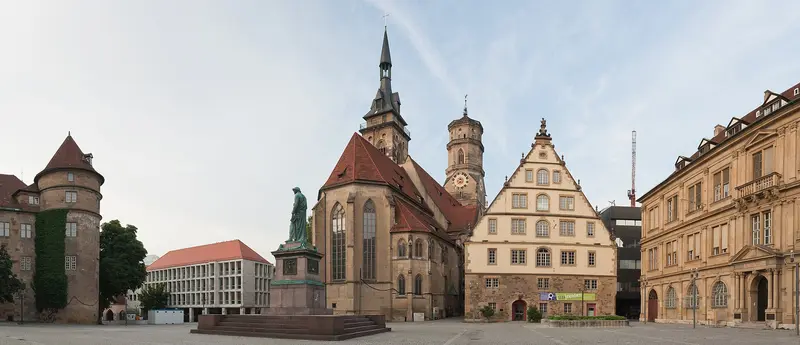
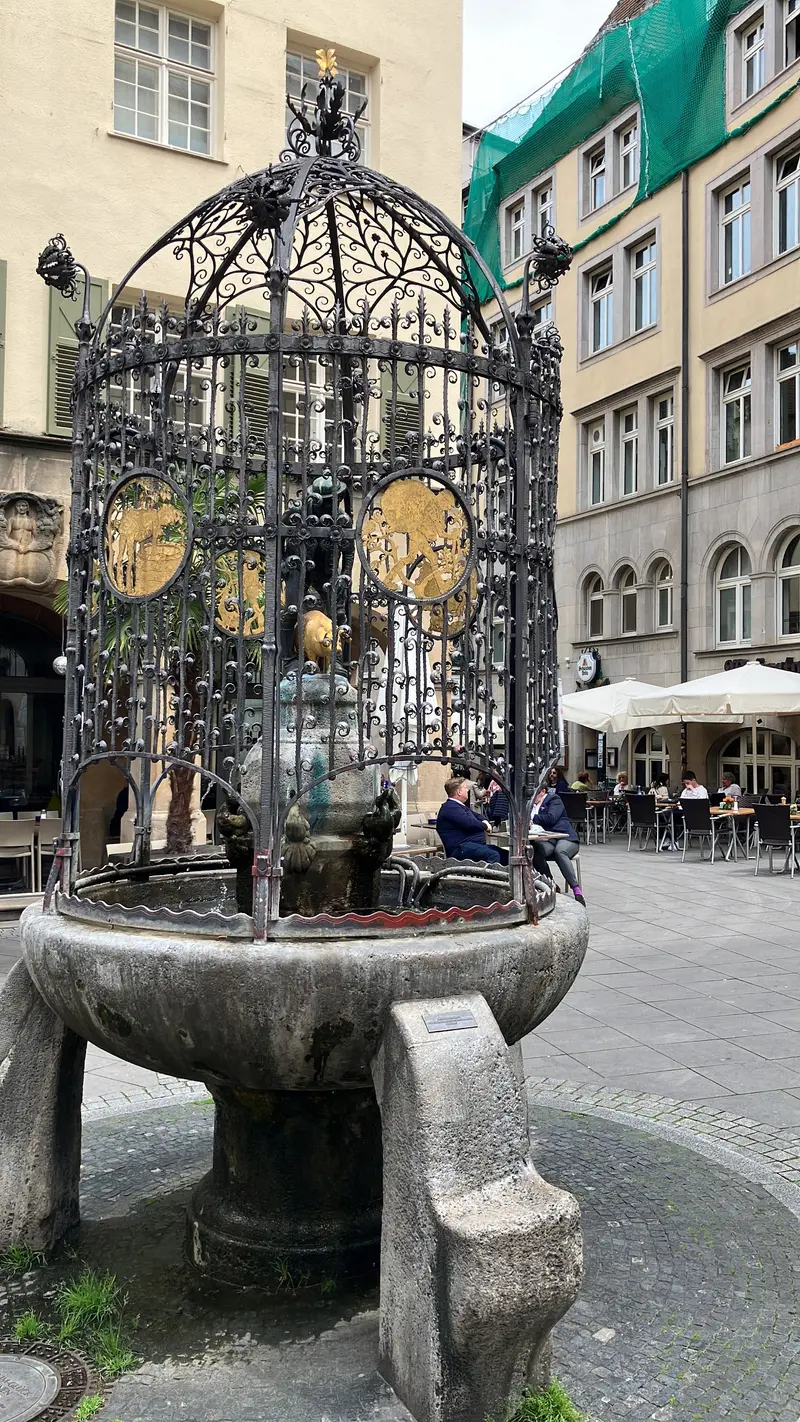
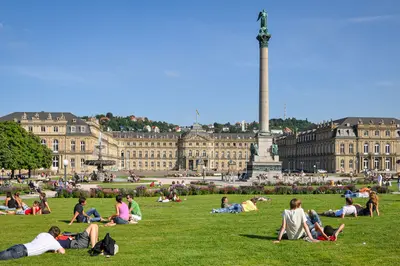
Stuttgart-Mitte ist der innerste Stadtbezirk und liegt auf dem Grund des Talkessels. Durch das Zentrum zieht sich die Königstraße, eine der längsten Fußgängerzonen Europas, und der Schlossplatz mit Königsbau, Neuem Schloss und Kunstmuseum bildet das repräsentative Herz. Am Schillerplatz stehen Altes Schloss und Stiftskirche, an der Konrad-Adenauer-Straße reihen sich Staatsgalerie, Haus der Geschichte und Staatstheater zur Kulturmeile. Im Süden der Altstadt liegt das Bohnenviertel, benannt nach den Bohnen, die seine ärmeren Bewohner früher zwischen den Häusern zogen. Nach einem Wettbewerb von 1976 wurde es behutsam saniert, alte Häuser blieben dabei möglichst erhalten.Du bummelst über die Königstraße, kaufst in der Markthalle ein und ziehst abends durch die Altstadt rund um den Hans-im-Glück-Brunnen, einen beliebten Treffpunkt der Kneipenszene. Im Bohnenviertel findest du Weinstuben, Cafés, Galerien, Antiquariate und kleine Läden. Alle S-Bahn-Linien halten am Hauptbahnhof und an der Station Stadtmitte, von dort erreichst du die meisten Ziele zu Fuß.
Stuttgart-Mitte is the center in the valley basin, featuring Königstraße as a pedestrian zone, Schlossplatz, and the Kulturmeile on Konrad-Adenauer-Straße. This area is home to the major museums, the Markthalle, and the Old Town with the Bohnenviertel. In the evenings, the lively pub scene gathers around the Hans-im-Glück-Brunnen. The Hauptbahnhof and S-Bahn-Station Stadtmitte make the district the perfect starting point for any exploration.
Sights in Stuttgart-Center
Discover the most important sights and attractions
Museum
1Hegel House
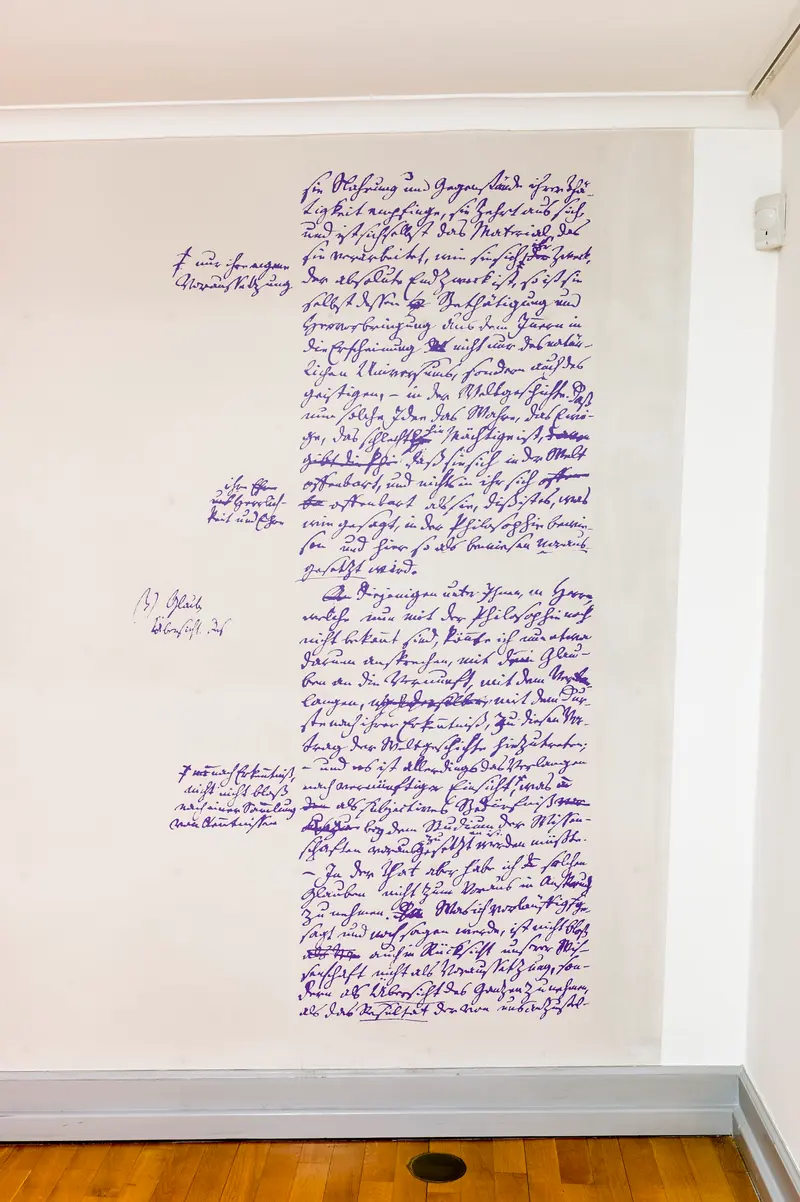
In the birthplace of the philosopher Georg Wilhelm Friedrich Hegel, who was born here in 1770, the museum displays original objects and a multimedia installation across three floors dedicated to his life and thought. Following a renovation, it was reopened in 2020 for Hegel's 250th birthday.
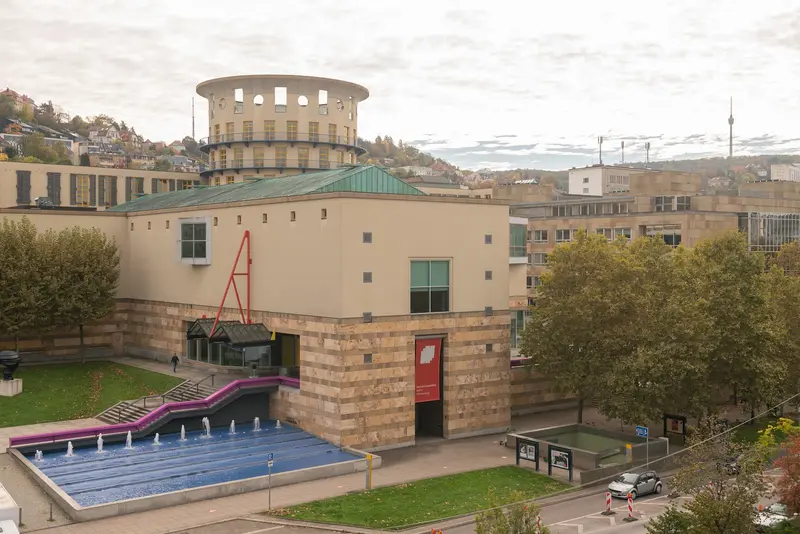
The museum on the Kulturmeile between the Staatsgalerie and the Musikhochschule has shown since 2002, on over 2000 square meters, some 200 years of regional history, highly staged and without explanatory text panels.
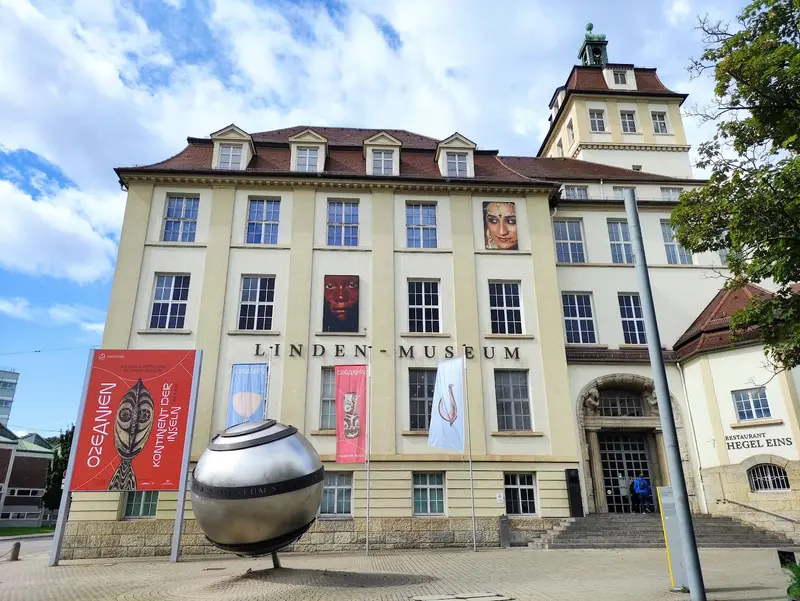
The Ethnological Museum on Hegelplatz, opened in 1911 in a neoclassical building, today houses around 160,000 art, ritual, and everyday objects from Africa, America, Asia, the Islamic Orient, and Oceania.
The Märchenbrunnen by Josef Zeitler on Geißstraße was inaugurated in 1909. Restaurants and bars surround the square, and in the evenings, it’s a popular meeting spot.
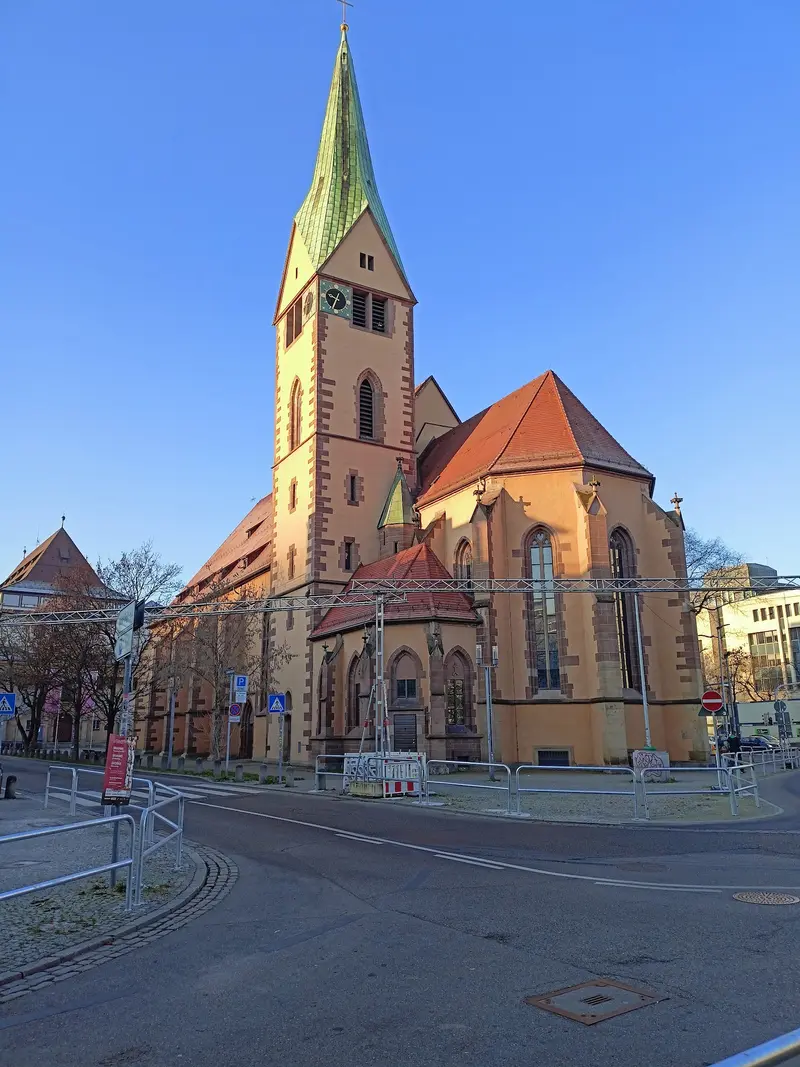
The late Gothic hall church on Leonhardsplatz dates back to a chapel from 1337; its tower is 55.5 meters high. In the choir lies the gravestone of the humanist Johannes Reuchlin, buried here in 1522.