ExploreTravel GuidesPlan a trip
    de|en
    All Places & RegionsAbout FernwehFAQPrivacy PolicyImprint
    ExploreTravel GuidesPlan a trip
    • Why go
    • Highlights
    • Explore regions
    • Round trips
    • Local food
    • Good to know
    • Best time to visit
    • Travel advice
    Germany

    Travel Guide Germany

    Germany stretches from the islands and Wadden Sea mudflats on the North and Baltic Seas, across wooded low mountain ranges like the Harz, Eifel, and Black Forest, to the Bavarian Alps.

    Contents

    • Why go
    • Highlights
    • Explore regions
    • Round trips
    • Local food
    • Good to know
    • Best time to visit
    • Travel advice

    Why Go To Germany?

    Germany stretches from the North Sea's islands and mudflats to the peaks of the Allgäu Alps, encompassing coast, low mountain ranges, river valleys, and high mountains across barely 900 aerial kilometers. Interspersed are 55 UNESCO World Heritage Sites, from Trier's Roman structures to King Ludwig II's castles, along with metropolises like Berlin, Hamburg, and Munich, and a deeply regional cuisine with unique beer, wine, and bread traditions. A dense rail network makes it easy to connect cities and landscapes, even without a car.

    Where in Germany?

    Pick a region. The highlights, road trips and places below follow your choice.
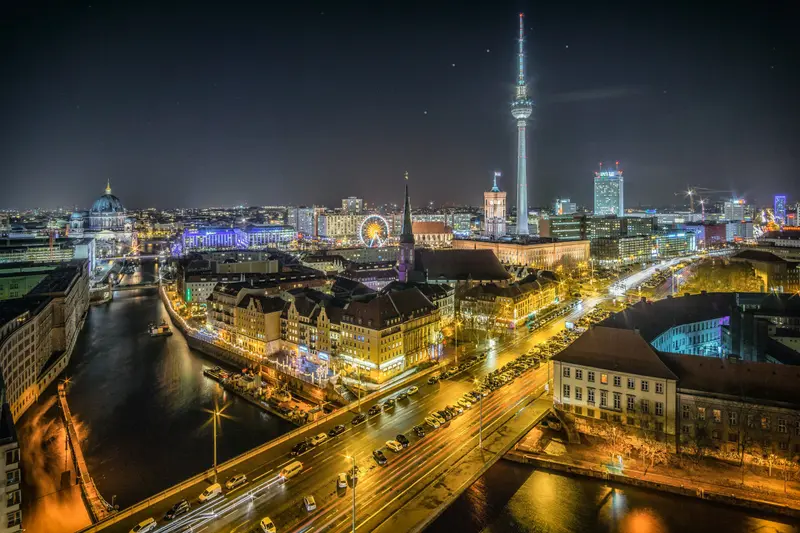
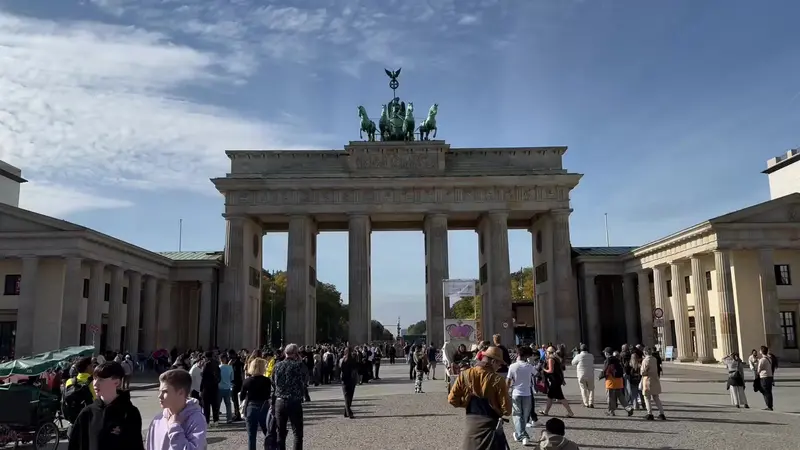
    Berlin

    Highlight 1 of 8

    Berlin

    With approximately 3.66 million inhabitants, Berlin is Germany's largest city and has been the federal capital since reunification in 1990; the federal government and the Bundestag have been based here since 1999.

    Berlin spans nearly 892 square kilometers, divided into twelve districts with 97 neighborhoods. Getting around is best by U-Bahn, S-Bahn, tram, and bus, all usable with a single ticket from the transport association.

    Discover
    Neuschwanstein Castle

    Highlight 2 of 8

    Neuschwanstein Castle

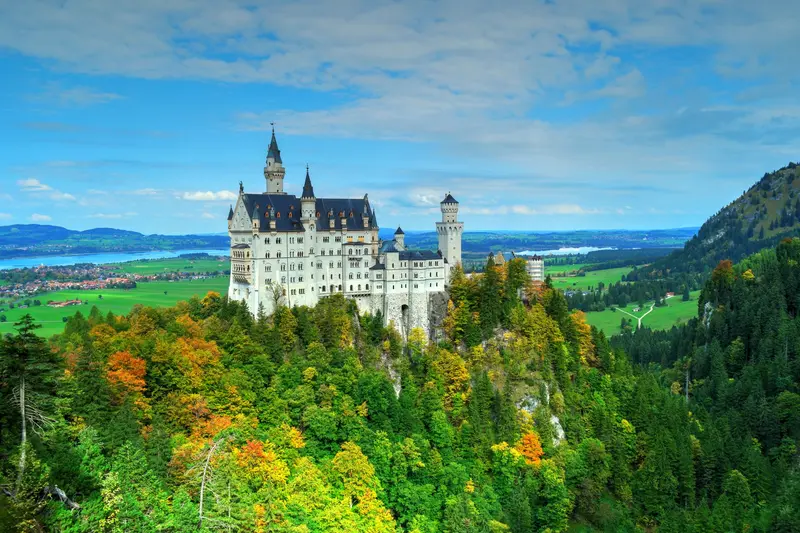
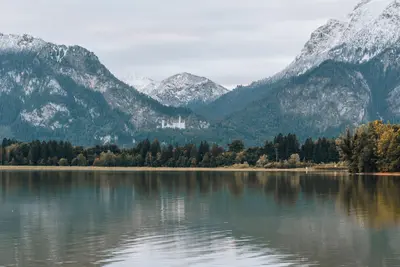
    King Ludwig II had Neuschwanstein Castle built from 1869 in southern Bavaria on a rocky ridge above Hohenschwangau; the Pöllat Gorge lies to its south.

    Discover
    Munich

    Highlight 3 of 8

    Munich

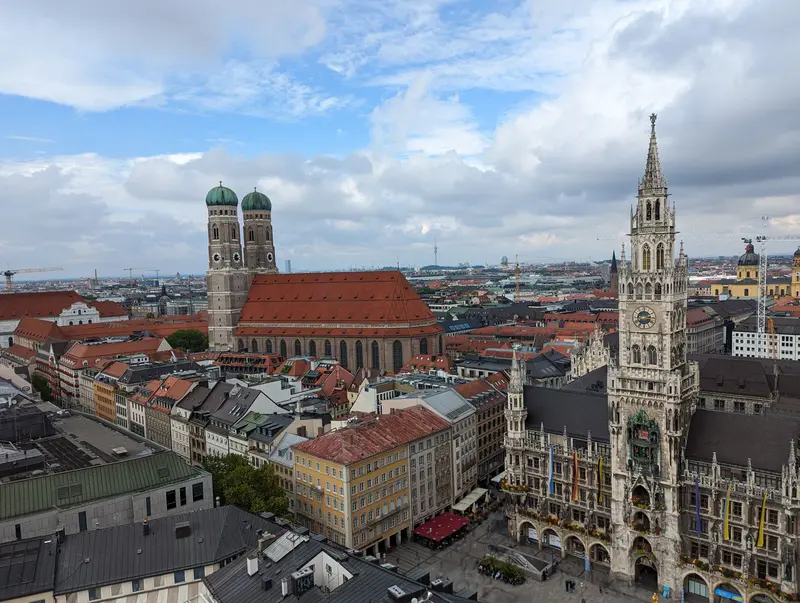
    Munich is Bavaria's state capital and, with over 1.6 million inhabitants, Germany's third-largest municipality. The Isar River flows through the city for nearly 14 kilometers.

    Munich has over 1.6 million residents, but its Old Town (Marienplatz, Frauenkirche, Viktualienmarkt, Residenz) is easily explored on foot. North of this lies Maxvorstadt with Königsplatz and the Kunstareal, and Schwabing, an artists' quarter around 1900.

    Discover
    Hamburg

    Highlight 4 of 8

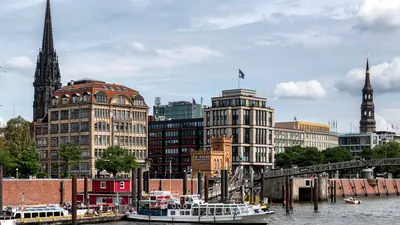
    Hamburg

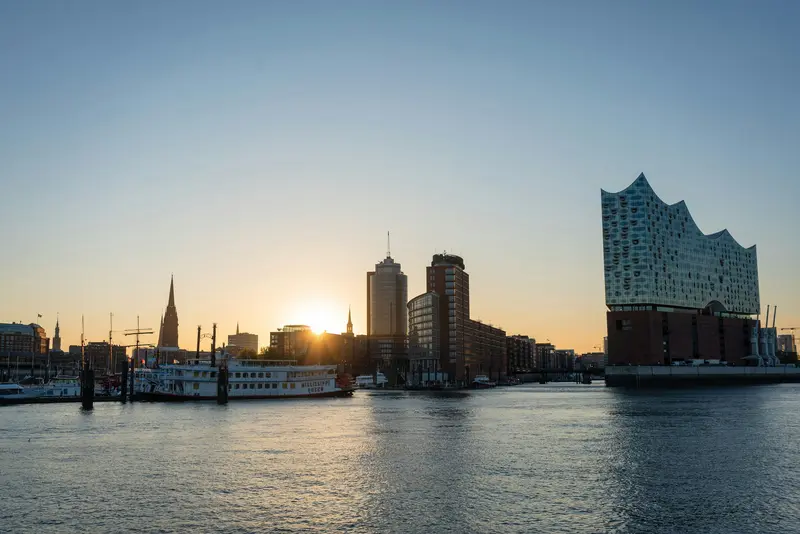
    Hamburg, Germany's second-largest city at 1.9 million inhabitants, lies on the Lower Elbe, where the Alster is dammed in the city center to form Binnenalster and Außenalster.

    Hamburg ist mit rund 1,9 Millionen Einwohnern und etwa 755 Quadratkilometern die zweitgrößte Stadt Deutschlands. Unterwegs bist du am besten mit dem HVV, zu dem vier U-Bahn- und vier S-Bahn-Linien sowie die HADAG-Hafenfähren gehören.

    Discover
    Köln

    Highlight 5 of 8

    Köln

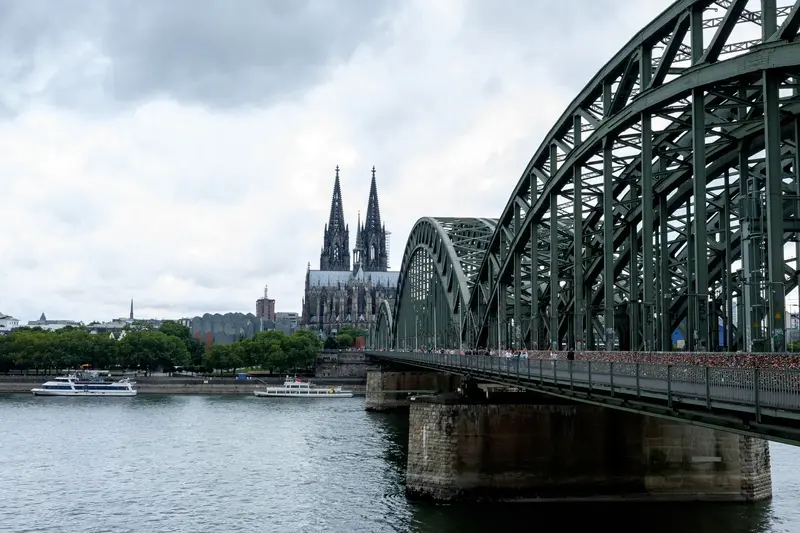
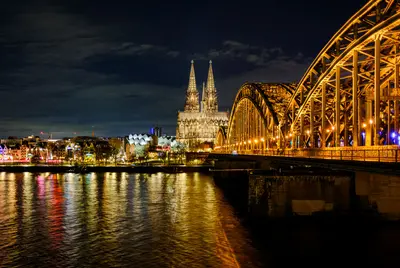
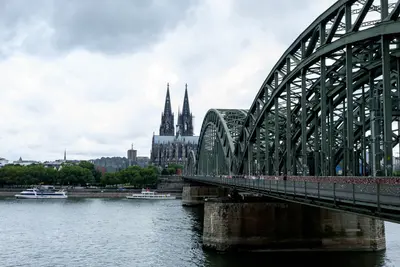
    With over a million inhabitants, Cologne is Germany's fourth-largest city and the center of the Rhineland. Its landmark is the Cathedral (Dom), which was built from 1248 to 1880 and whose spires rise a good 157 meters.

    Cologne has over a million residents, yet its main attractions are clustered together. The main station is right next to the Cathedral, and from there you can reach the Old Town in just a few minutes, nestled between Groß St. Martin, Rathausplatz, and Heumarkt.

    Discover
    Black Forest

    Highlight 6 of 8

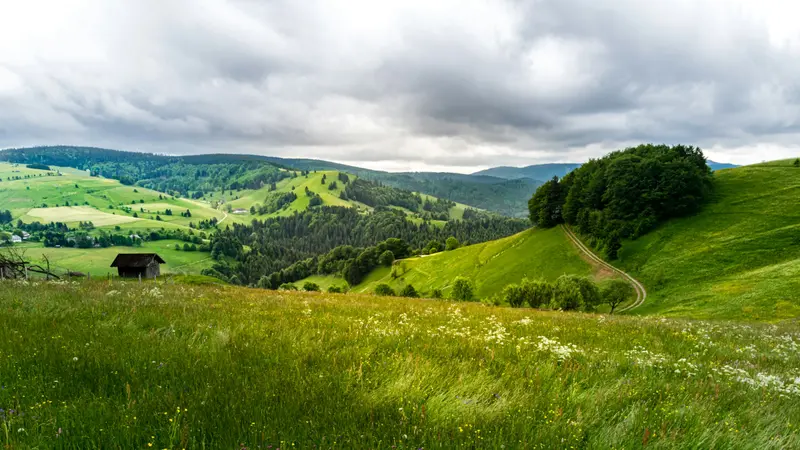
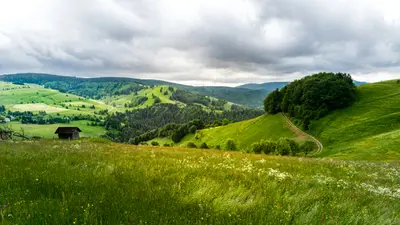
    Black Forest

    Der Schwarzwald im Südwesten Baden-Württembergs ist das höchste und größte zusammenhängende Mittelgebirge Deutschlands: Auf über 6.000 Quadratkilometern erstreckt er sich rund 150 Kilometer von Nord nach Süd, im Westen begrenzt von der Oberrheinebene, im…

    Discover
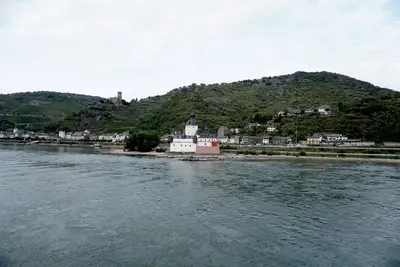
    Middle Rhine
    Hammondtravels / Wikimedia Commons / CC BY-SA 4.0

    Highlight 7 of 8

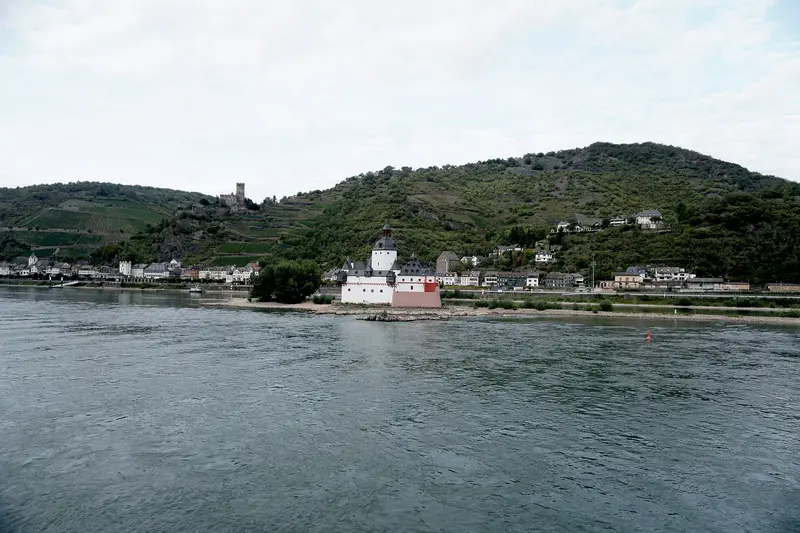
    Middle Rhine

    Zwischen Bingen und Koblenz zwängt sich der Rhein durch ein enges Schiefertal zwischen Hunsrück und Taunus.

    Discover
    Heidelberg

    Highlight 8 of 8

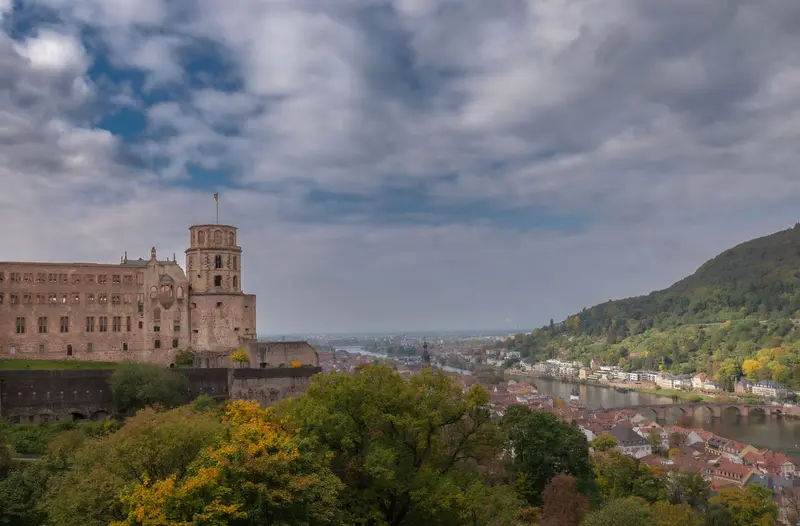
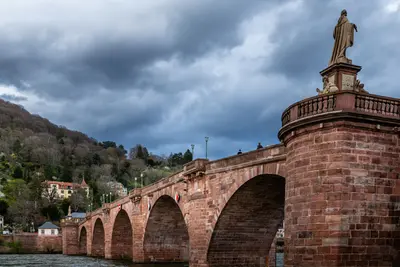
    Heidelberg

    Heidelberg is situated on the Neckar, precisely where the river exits the Odenwald and flows into the Upper Rhine Plain.

    Heidelberg, with approx. 155,000 residents, is Baden-Württemberg's fifth-largest city. Its Old Town lies narrowly between the Neckar and Königstuhl, with the approx. 1.6-kilometer-long Hauptstraße as its fully walkable backbone.

    Discover

    More highlights in Germany

    Unique experiences that make Germany unforgettable.
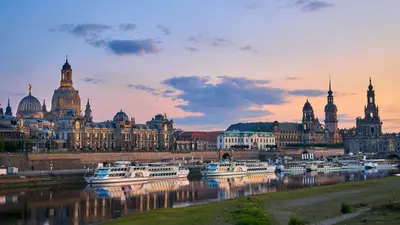
    Dresden

    Dresden

    Dresden lies on both sides of the Elbe in the Elbe Valley Basin and is known as 'Florence on the Elbe' due to its art collections. Under August the Strong, the city gained cultural significance through the Dresden Baroque. Following the air raids from February 13 to 15, 1945, the historic Old Town south of the Elbe was partially rebuilt; the Frauenkirche, however, only between 1993 and 2005. On the Old Town side, the Zwinger, Semperoper, Residenzschloss, and Brühl's Terrace stand together. Opposite, on the right bank of the Elbe, is the Neustadt. The Äußere Neustadt, almost undamaged in the war, is now the main entertainment…
    Rothenburg ob der Tauber

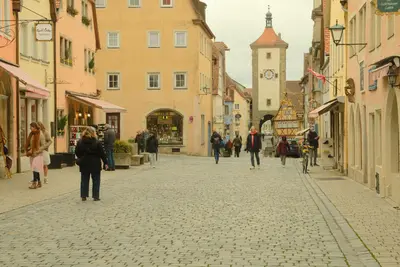
    Rothenburg ob der Tauber

    Rothenburg ob der Tauber owes its distinguishing name to its location above the Tauber. The city, with its approximately 11,000 inhabitants, is still surrounded by a 3360-meter-long town wall, whose course dates back to the early 14th century. At Plönlein, a fork in the road lined with half-timbered houses, you look upon Sieberstor and Kobolzellertor. In the market square, the historic clock of the Ratstrinkstube from 1466 displays the scene of the legendary Meistertrunk; from the Town Hall Tower, the view extends 60 meters high over the rooftops. In the Gothic Church of St. Jakob stands Tilman Riemenschneider's Holy Blood Altar.…
    Saxon Switzerland / Bastei

    Saxon Switzerland / Bastei

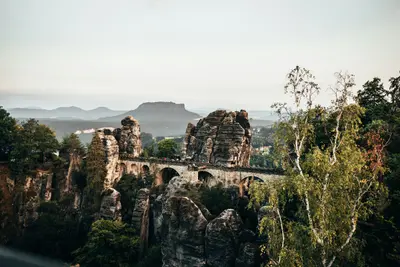
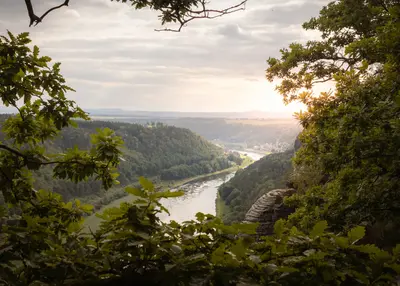
    Saxon Switzerland, the German part of the Elbe Sandstone Mountains, is located southeast of Dresden on both sides of the Elbe. Its bizarre rock formations are largely within the Saxon Switzerland National Park, established in September 1990, prior to German reunification. Climbing adheres to the Saxon Rules and is only allowed on designated climbing peaks.The most famous viewpoint is the Bastei near Rathen, which rises 194 meters above the Elbe. It is freely accessible year-round and at any time. Upriver on the Elbe, Königstein Fortress proudly sits atop its mesa, one of Europe's largest mountain fortresses.
    Lübeck

    Lübeck

    Lübeck lies in southeastern Schleswig-Holstein on the Trave river and was once the main city of the Hanseatic League. Its Old Town is perched on a roughly 140-hectare hill, which the Trave and Kanal-Trave transform into an island. Around three-quarters of its buildings survived World War II, and it has been a UNESCO World Heritage site since 1987. The city is known for its seven towers and Lübeck marzipan. From the Holstentor, you'll walk past the Salt Warehouses up to St. Mary's Church and the Town Hall, discovering hidden passageways and courtyards. At the European Hanseatic Museum, you'll learn how the Hanseatic League shaped…

    How to plan your trip to Germany

    From the guide to the road: here is what comes next.

    1. 1
      1234

      Round trip

      12 days · 4 stops

      Saved

      Pick a route

      Pick a ready-made one or save places and plan your own.

      Browse routes
    2. 2

      Trip to Germany

      Live
      • 1Berlin3 days
      • 2Neuschwanstein Castle4 days
      • 3Munich5 days
      Budget

      Plan your trip

      The planner sorts stops, days and budget. Plan together in real time.

      Go to My Trips
    3. 3
      9:41 No signal
      Available offline

      Use it on the road

      Download the guide to your phone and use it on site, even offline.

    Regions to Discover

    Explore the diverse regions of Germany.
    Berlin

    Berlin

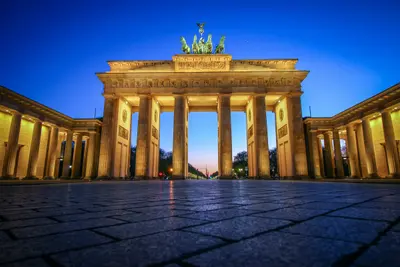
    Berlin is the federal capital and, with around 3.66 million inhabitants, Germany's largest city. The city is completely surrounded by Brandenburg; the Spree flows through it from east to west and empties into the Havel in Spandau. Twelve districts with 97 localities structure the almost 892-square-kilometer urban area. Here are places that make German history come alive: from the Brandenburg Gate, over the remains of the Berlin Wall, to the Reichstag Building, where the Bundestag has met since 1999. Museum Island has been a UNESCO World Heritage site since 1999, and in neighborhoods like Kreuzberg, Friedrichshain, and Prenzlauer…
    North Sea Coast, Islands

    North Sea Coast, Islands

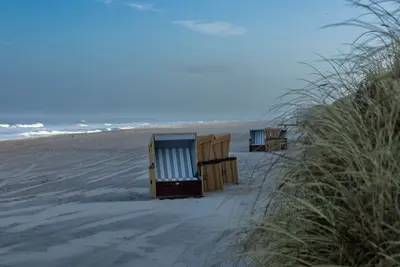
    Between Ostfriesland and the Danish border, islands, Halligen, and vast beaches line the German North Sea coast. Since 2009, the Wadden Sea has been a UNESCO World Heritage site; the Schleswig-Holstein Wadden Sea National Park alone, covering 4,410 square kilometers, is by far Germany's largest national park.You can travel here from Sylt, the largest North Frisian island, to Norderney, Germany's oldest North Sea resort, walk a beach up to 12 km long in St. Peter-Ording, or explore the seabed at low tide on a guided mudflat tour.
    Franken

    Franken

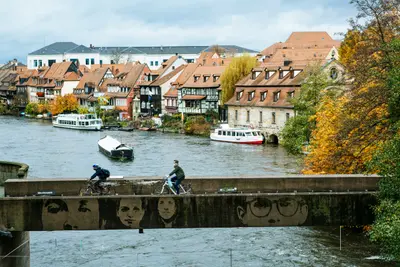
    Nuremberg is Bavaria's second-largest city. Perched on a sandstone ridge above the Old Town is the Kaiserburg (Imperial Castle), where all emperors and kings of the Holy Roman Empire temporarily resided between 1105 and 1571. The Germanisches Nationalmuseum (German National Museum) is considered the largest cultural history museum in the German-speaking world. In Bamberg, the Old Town has been a UNESCO World Heritage site since 1993, and in Würzburg, Balthasar Neumann's Residenz (Residence) with its Court Garden since 1981. The Romantic Road, founded in 1950 as Germany's first scenic route, leads from Würzburg via Rothenburg ob der…
    Ruhr Area

    Ruhr Area

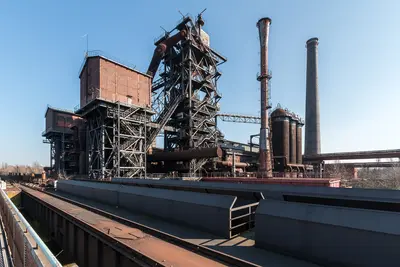
    The Ruhr Area is home to around 5.1 million people across 11 independent cities and 4 districts, including Duisburg, Essen, Bochum, and Dortmund. For over a century, coal and steel shaped the region, and in December 2018, Prosper-Haniel in Bottrop, Germany's last hard coal mine, ceased operations. Today, its industrial history is a major travel theme. The Route of Industrial Heritage connects the most important sites, especially the Zollverein Coal Mine Industrial Complex in Essen, a UNESCO World Heritage site since 2001. At Landschaftspark Duisburg-Nord, you can climb a blast furnace, and from Gasometer Oberhausen, you look out…
    Pfalz & German Wine Route

    Pfalz & German Wine Route

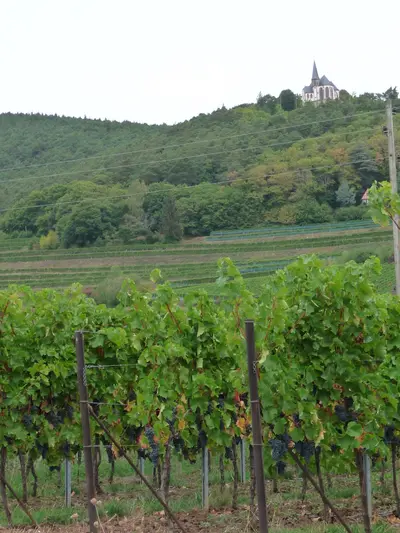
    The Palatinate in the south of Rhineland-Palatinate is Germany's second-largest wine region. Running through its heart since 1935 is the approximately 85-kilometer-long German Wine Route, stretching from the German Wine Gate in Schweigen on the French border to Bockenheim, always alongside the Haardtrand, the eastern edge of the Palatinate Forest. On your journey, you'll combine wine villages with rich history: By the Rhine, in Speyer, stands the Romanesque Imperial Cathedral, a UNESCO World Heritage site since 1981; above Neustadt an der Weinstraße, Hambach Castle towers, the site of the Hambach Festival of 1832; and in Bad…
    Rügen & Vorpommern

    Rügen & Vorpommern

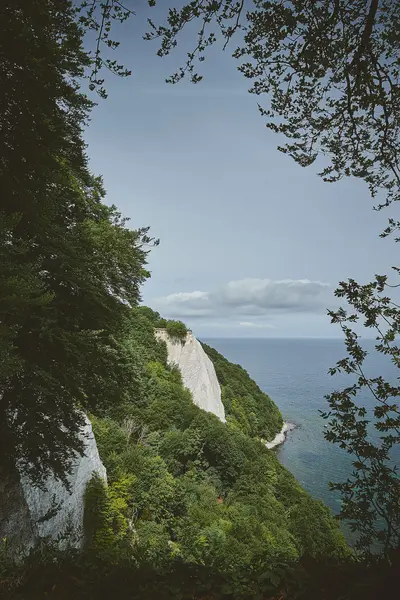
    At 926 square kilometers, Rügen is Germany's largest and most populous island. It connects to Stralsund via the Rügendamm and the Rügen Bridge (opened 2007); its Old Town is a UNESCO World Heritage site since 2002. On the Jasmund peninsula, Königsstuhl towers 118 meters above the Baltic Sea; the National Park's ancient beech forests are a World Natural Heritage site since 2011. Along the east coast are seaside resorts like Binz, Sellin, and Göhren, with spa architecture and long sandy beaches. Further east on Usedom, a twelve-kilometer promenade connects the Imperial Spas Bansin, Heringsdorf, and Ahlbeck with Swinemünde, Poland.
    Potsdam & Havelland

    Potsdam & Havelland

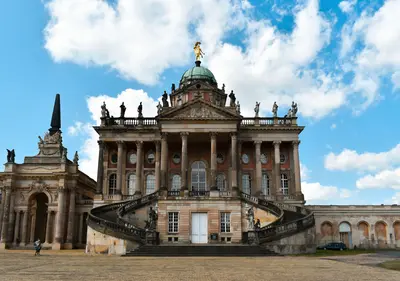
    Havelland, a historic Brandenburg landscape, broadly encircles the Havel west of Berlin. Lakes and lowlands define the area; much fruit and vegetables are grown around Werder. Theodor Fontane dedicated a volume of his "Wanderungen durch die Mark Brandenburg" to the Havelland.Potsdam, Brandenburg's capital and visitor hub, directly borders southwest Berlin. Its palaces and parks became UNESCO World Heritage in 1990. The S7 S-Bahn line offers easy access from Berlin.
    Lübeck & Holstein Baltic Sea

    Lübeck & Holstein Baltic Sea

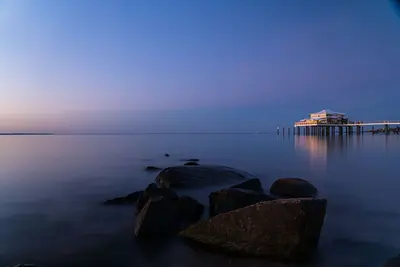
    Lübeck was the main city of the Hanseatic League and is still called the Queen of the Hanse. Since 1987, the preserved Old Town, with over a thousand cultural monuments, has been a UNESCO World Heritage site, including the Holstentor, St. Mary's Church, Town Hall, and Cathedral. About 17 kilometers from the Old Town, the Trave river empties into the Baltic Sea in Travemünde. From there, the Bay of Lübeck opens up with a string of seaside resorts like Timmendorfer Strand, Scharbeutz, Haffkrug, and Niendorf, connected by the Baltic Sea Cycle Route. The bay is primarily a swimming and sailing area; marinas are located in Travemünde,…
    Eifel

    Eifel

    The Eifel is a low mountain range spanning over 5,300 square kilometers between the Cologne Bay, Rhine, and Moselle. It lies in North Rhine-Westphalia and Rhineland-Palatinate, extending westward into the Belgian Ardennes and Luxembourg's Oesling. Its highest peak is the Hohe Acht, a volcanic cone at 746.9 meters. In the north, the Eifel National Park protects beech forests around Lake Urft and Kermeter; just beside it lies the half-timbered town of Monschau in the Rur valley. To the east, Lake Laach and Maria Laach Abbey tell of the volcanic past, and at the Nürburgring, you can drive your own car on the Nordschleife. The…
    Harz & Saxony-Anhalt

    Harz & Saxony-Anhalt

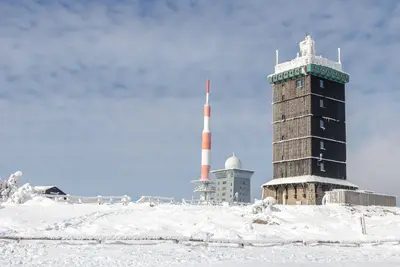
    The Harz is the low mountain range in western Saxony-Anhalt. Its highest peak is the Brocken at 1141 meters, making it also the highest mountain in Northern Germany. The Harz National Park extends around the summit, accessible via the Brocken Railway of the Harz Narrow Gauge Railways, which departs from Wernigerode. Along the northern edge of the range are half-timbered towns like Wernigerode, known as the "colourful town on the Harz", and Quedlinburg, whose old town, boasting over 2100 half-timbered houses, has been a UNESCO World Heritage site since 1994. Further east, by the Elbe, Lutherstadt Wittenberg and its World Heritage…
    Mecklenburg Lake District

    Mecklenburg Lake District

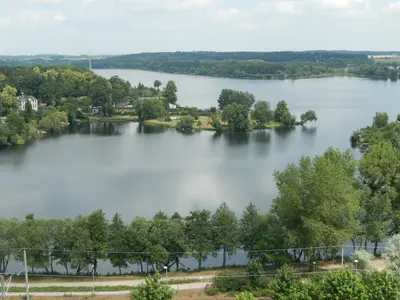
    In the inland of Mecklenburg, Müritz is the largest body of water located entirely within Germany, spanning 117 square kilometers. Right next to it lies the Müritz National Park with 108 lakes over one hectare, featuring moors, meadows, and vast forests where sea eagles, ospreys, and cranes breed.In the west of the region, Schwerin, Germany's smallest state capital, boasts its castle majestically on an island. Since July 2024, it has been part of the UNESCO World Heritage as part of the Residenzensemble Schwerin. Within Schwerin's city limits alone, there are twelve lakes.
    Lüneburg Heath

    Lüneburg Heath

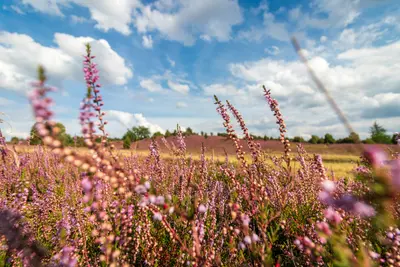
    The Lüneburg Heath is located in the northeast of Lower Saxony between the Elbe and Aller rivers, within easy reach of Hamburg, Bremen, and Hanover. Heidschnucken sheep graze the open areas, preventing trees from overgrowing the heath. The heath is in full bloom, especially in August and September.At its heart is the Lüneburg Heath Nature Reserve, founded in 1921, surrounding the Wilseder Berg, which at 169.2 metres is the highest elevation in the heath. On the edge of the heath lies the Hanseatic city of Lüneburg, which grew rich from its salt and today boasts around 1300 listed brick houses.
    Munich & Upper Bavaria

    Munich & Upper Bavaria

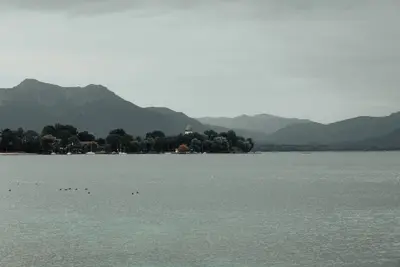
    At the heart of the region is Munich, the state capital of the Free State of Bavaria and, with a good 1.6 million inhabitants, Germany's third-largest municipality. This city on the Isar connects the Residenz, where the Wittelsbachers held court from 1508 to 1918, with grand museums, expansive parks, beer gardens, and the Oktoberfest on the Theresienwiese. The region also includes Lake Chiemsee, Germany's third-largest lake after Lake Constance and Lake Müritz. On Herreninsel, King Ludwig II began construction of the New Herrenchiemsee Palace in 1878, modeled after Versailles, which has been a UNESCO World Heritage site since July…
    Mecklenburg Baltic Sea Coast

    Mecklenburg Baltic Sea Coast

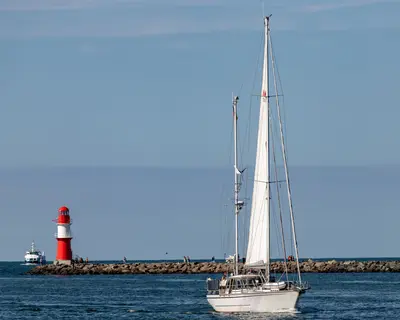
    Along the Mecklenburg coast, between Wismarbucht and Warnemünde, old Hanseatic towns and classic seaside resorts are strung together. Wismar, along with Stralsund, became a UNESCO World Heritage site in 2002. Rostock is Mecklenburg-Vorpommern's largest city and, with its university founded in 1419, boasts Northern Europe's oldest higher education institution. In Heiligendamm, Duke Friedrich Franz I founded Germany's oldest seaside resort in 1793, known as the "White City by the Sea". From here, the narrow-gauge railway Molli leisurely chugs to Bad Doberan and Kühlungsborn. In Warnemünde, Rostock's district at the mouth of the…
    Middle Rhine

    Middle Rhine

    Zwischen Bingen und Koblenz zwängt sich der Rhein durch ein enges Schiefertal zwischen Hunsrück und Taunus. Auf diesem Abschnitt, dem Oberen Mittelrheintal, reihen sich rund 40 Burgen, Schlösser und Festungen, Weinbergterrassen und kleine Städte mit Stadtmauern wie Bacharach und Oberwesel. Seit 2002 ist das Tal UNESCO-Welterbe. Am engsten wird es an der Loreley bei St. Goarshausen. Zwischen Mainz und Koblenz gibt es keine Straßenbrücke, über den Fluss bringen dich Fähren. Bei extremem Niedrigwasser, wie im August 2026, kann der Fähr- und Schiffsverkehr eingestellt werden, prüfe dann vorab die aktuellen Fahrpläne. Auf beiden Ufern…
    Rhine-Main

    Rhine-Main

    Around 4.5 million people live in the Rhein-Main region, its center being Frankfurt am Main, with its skyline and Germany's busiest train station. Opposite the Main's mouth, on the left bank of the Rhine, is Mainz, capital of Rhineland-Palatinate and Johannes Gutenberg's city.Here you combine skyscrapers, the Museum Embankment, and apple wine taverns in Frankfurt with the Romanesque Mainz Cathedral and the vineyards of the Rheingau around Rüdesheim, where Riesling grows and the Niederwalddenkmal stands above the Rhine.
    Hamburg

    Hamburg

    The Free and Hanseatic City of Hamburg lies where the Alster and Bille rivers flow into the Lower Elbe, about 100 kilometers before the Elbe's mouth into the North Sea. As Germany's second-largest city, Hamburg is simultaneously a city-state and one of the world's most important port cities. Nearly 2500 bridges span its canals, waterways, and streams. For you, that means: brick warehouses and glass concert halls on the waterfront, barges and harbor ferries, the Inner and Outer Alster right in the city, and a nightlife that made history around the Reeperbahn in St. Pauli. Speicherstadt and Kontorhausviertel have been a UNESCO World…
    Black Forest

    Black Forest

    Der Schwarzwald im Südwesten Baden-Württembergs ist das höchste und größte zusammenhängende Mittelgebirge Deutschlands: Auf über 6.000 Quadratkilometern erstreckt er sich rund 150 Kilometer von Nord nach Süd, im Westen begrenzt von der Oberrheinebene, im Süden vom Hochrhein. Höchster Gipfel ist der Feldberg mit 1.493 Metern. Seit 2014 schützt der Nationalpark Schwarzwald zwischen Baiersbronn und Baden-Baden gut 10.000 Hektar auf dem Hauptkamm des Nordschwarzwalds. Kein anderes deutsches Mittelgebirge zieht so viele Urlauber an. Du kombinierst hier lebendige Städte wie Freiburg und die Kurstadt Baden-Baden mit Wasserfällen, Seen wie…
    Heidelberg & Neckar

    Heidelberg & Neckar

    The Neckar links two distinct cities in Baden-Württemberg: Stuttgart, the state capital in its valley location, with the river flowing through its northeast, and Heidelberg, where it exits the Odenwald into the Upper Rhine Plain. Heidelberg's castle ruin above the old town attracts, according to its administration, around a million guests annually.Here, experience the romance of Germany's oldest university city, alongside car city Stuttgart with its Mercedes-Benz and Porsche museums. Stuttgart's vineyards reach right into the city centre, and Wilhelma in Bad Cannstatt ranks among Germany's most visited zoos.
    Münsterland & Westfalen

    Münsterland & Westfalen

    Münsterland, in the northwest of Westphalia, is a flat landscape of fields, pastures, small woodlands, and hedgerows, known as the Münsterland Park Landscape. Typical features are moated castles and palaces such as Burg Vischering, Schloss Nordkirchen, or Burg Anholt. The region comprises the districts of Borken, Coesfeld, Steinfurt, and Warendorf, as well as the city of Münster. Because the terrain is so flat, the best way to explore the area is by bike, for instance, on the 100 Castles Route, which links the region's castles and stately homes. The focal point is Münster, the only major city in Münsterland, featuring the…
    Thuringia

    Thuringia

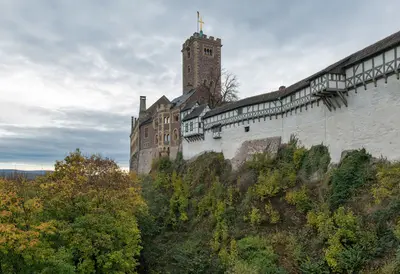
    Since 1897, Thuringia has borne the moniker "green heart of Germany," a name attributable to its rich forests. Its largest mountain range is the Thuringian Forest, through which the Rennsteig ridge trail runs. The state capital and largest city is Erfurt, featuring its Cathedral, St. Severus Church, and the Krämerbrücke.Culturally, Thuringia is known for Weimar Classicism: Duchess Anna Amalia and Duke Carl August attracted poets like Goethe to Weimar, where the Bauhaus was also founded in 1919. At Wartburg Castle near Eisenach, Martin Luther secretly worked on his Bible translation.
    Saxony

    Saxony

    Saxony borders Poland to the east and the Czech Republic to the south. The Elbe is the Free State's most important and only navigable river, flowing through it from southeast to northwest. On its banks lies the state capital, Dresden, whose baroque cityscape, with the Frauenkirche, Zwinger, and Semperoper, attracts visitors from all over the world. Leipzig is Saxony's most populous city, a trade fair and university city with a rich musical tradition centered around Johann Sebastian Bach and Felix Mendelssohn Bartholdy. Those seeking nature will find it upstream along the Elbe in Saxon Switzerland, the Saxon part of the Elbe…
    Bremen

    Bremen

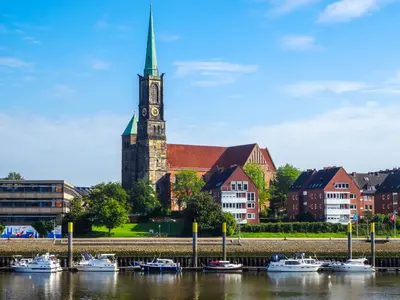
    Bremen is located on both sides of the Weser, about 60 river kilometers before its mouth into the North Sea near Bremerhaven. The city is the capital of the Free Hanseatic City of Bremen, which also includes Bremerhaven, and joined the Hanseatic League as early as 1260.On your journey, you'll discover the Town Hall and Roland, jointly a UNESCO World Heritage site since 2004, along with the bronze statue of the Bremen Town Musicians, the medieval Schnoor quarter, and the Schlachte riverside promenade. In the former port area, Überseestadt has been developing as a new city district since 2000.
    Spreewald

    Spreewald

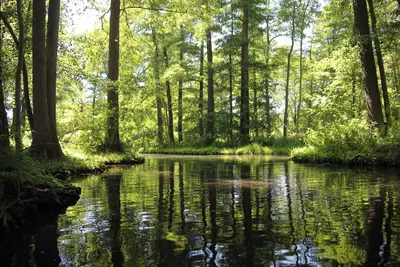
    The Spreewald is a water landscape southeast of Berlin, crisscrossed by over 970 kilometers of natural and artificial waterways. Since 1991, it has been recognized by UNESCO as a Biosphere Reserve. It is divided into the larger Oberspreewald in the south and the smaller Unterspreewald in the north, which meet near Lübben.The cultural landscape was significantly shaped by the Sorbs, and cucumbers are cultivated on approximately 500 hectares. The best way to experience the region is by punt: Punted trips depart from places including Lübbenau, Lübben, Lehde, and Burg.
    Bodensee

    Bodensee

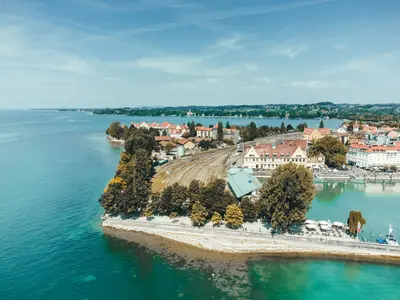
    Lake Constance, at roughly 395 meters above sea level, lies between Germany, Austria, and Switzerland, covering 536 square kilometers. Stretching 69 kilometers from Bregenz to Stein am Rhein, it plunges 251 meters at its deepest point between Fischbach and Uttwil. The Alpine Rhine flows in, the Seerhein connects the Obersee and Untersee, and the river then exits as the Hochrhein. On the German side, Baden-Württemberg and Bavaria share its shores. Travel by ferry and ship here between Konstanz, the flower island Mainau, the castle town Meersburg, and the island city Lindau, where a UNESCO World Heritage site awaits on Reichenau…
    Cologne & Rhineland

    Cologne & Rhineland

    In the Rhineland, some of Germany's most vibrant cities line the river. Cologne, with its Cathedral (a UNESCO World Heritage site since 1996) and twelve Romanesque churches, is the hub; upstream lies Bonn, Beethoven's birthplace and, until 1999, the seat of the Bundestag and government. Downstream follows Düsseldorf, the state capital of North Rhine-Westphalia. To the west, on the border with Belgium and the Netherlands, lies Aachen with Charlemagne's Cathedral, which became the first German monument on the World Heritage List in 1978. The cities are closely connected by rail, and an old rivalry runs between Cologne and Düsseldorf,…
    Mosel

    Mosel

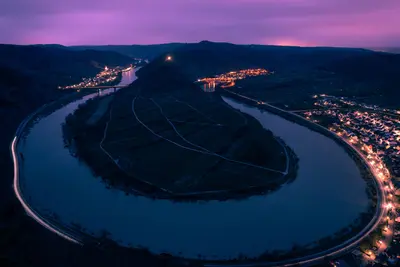
    From Perl in the Saarland, via Trier, to its confluence with the Rhine near Koblenz, the Moselle winds through the Slate Mountains in tight bends. Riesling mainly grows on its slopes, covering some 60% of the vineyard area. Many vineyards are so steep they can only be worked by hand; Europe's steepest vineyard is Calmont near Bremm. The Romans already cultivated wine here professionally; their legacy is clearest in Trier. Downstream follow wine towns such as Bernkastel-Kues, Traben-Trarbach, and Cochem with its Reichsburg; Burg Eltz stands in the Elz side valley. The Moselle railway links Koblenz and Trier, stopping at Cochem;…
    Allgäu & King's Castles

    Allgäu & King's Castles

    Here stands Neuschwanstein Castle, which King Ludwig II had built from 1869 onwards above Hohenschwangau. Since July 2025, it has been part of the UNESCO World Heritage together with Linderhof, Herrenchiemsee, and the Königshaus am Schachen. Opposite lies Hohenschwangau Castle, where Ludwig II spent his childhood. Nearby Füssen on the Lech, at 808 meters, is Bavaria's highest town and the end point of the Romantic Road. From Garmisch-Partenkirchen, the Bayerische Zugspitzbahn ascends to the Zugspitze, Germany's highest mountain at 2962 meters, and in the Graswangtal near Ettal lies Linderhof Castle, the only castle Ludwig II saw…

    Recommended Itineraries

    Discover the best routes through Germany.
    Classics in 14 Days

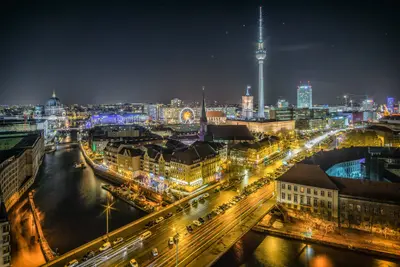
    This 14-day journey combines Germany's great cities and landscapes from Berlin to Cologne. From the capital, via Dresden to Franconia, whose Bamberg Old Town is a UNESCO World Heritage site since 1993, and further via Nuremberg to Munich. Near Füssen, you visit Schloss Neuschwanstein; the route then leads via Heidelberg to Koblenz at the Moselle estuary, the north end of the Upper Middle Rhine Valley World Heritage site. The journey ends in Cologne; from the main station, you can reach Köln/Bonn Airport in 11 minutes by Regional-Express.

    14 Days
    Open jaw
    Stops at a glance
    1. 1.Berlin
    2. 2.Dresden
    3. 3.Bamberg
    4. 4.Nuremberg
    5. 5.Munich
    6. 6.Füssen
    7. 7.Neuschwanstein Castle
    8. 8.Heidelberg
    9. 9.Koblenz
    10. 10.Köln
    View Route Details →

    Rhein, Mosel and Castles

    In a week, you'll follow the Rhine from Cologne to Koblenz, then into the Upper Middle Rhine Valley, a UNESCO World Heritage site since 2002. From Bacharach, you'll explore the Loreley, a 132-meter high slate rock face near St. Goarshausen. Afterward, switch to the Moselle in Cochem with its Reichsburg, then hike to Eltz Castle, owned by the Eltz family for over 800 years. The journey ends in Trier, where Roman structures like Porta Nigra and Imperial Baths have been World Heritage sites since 1986.
    7 Days
    Open jaw
    7 stops

    Baltic Sea Coast from Lübeck to Rügen

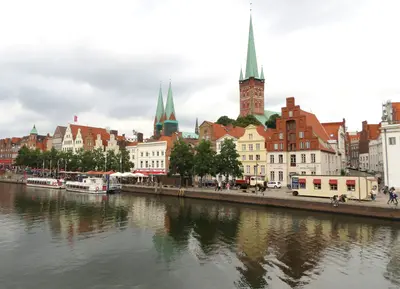
    This route follows the Baltic Sea coast from Lübeck, whose Old Town has been a UNESCO World Heritage site since 1987, via the Hanseatic cities of Wismar, Rostock, and Stralsund to Rügen. The Old Towns of Wismar and Stralsund have jointly been part of the World Heritage since 2002. On Rügen, you stay in Binz and hike in Jasmund National Park to the 118-meter-high Königsstuhl chalk cliff. Finally, it's off to the Imperial Spas on Usedom with the over twelve-kilometer-long promenade from Bansin to Swinemünde.
    10 Days
    Open jaw
    7 stops

    Southern Bavaria and the Royal Castles

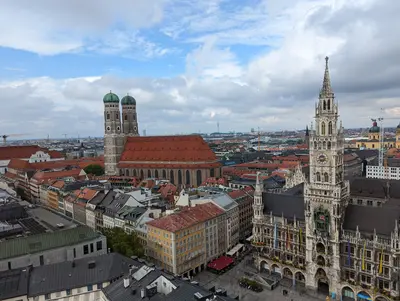
    This round trip from Munich takes you to the three castles of Ludwig II., which, together with the Royal House on Schachen, have been a UNESCO World Heritage site since July 2025, and up into the mountains. On the Herreninsel in Lake Chiemsee, you visit Herrenchiemsee Palace, whose Great Hall of Mirrors, at 75 meters, is slightly longer than the Hall of Mirrors in Versailles. From Garmisch-Partenkirchen, you ascend the Zugspitze, Germany's highest mountain at 2962 meters, and continue to Linderhof Palace in the Graswangtal, the only palace Ludwig II. saw completed during his lifetime. After Neuschwanstein near Füssen, the tour ends at Lake Constance in Lindau, before you return to Munich.

    7 Days
    7 stops

    What you eat in Germany

    Sauerbraten

    Sauerbraten

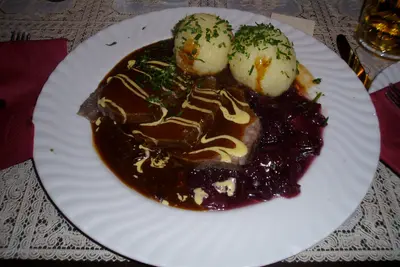
    Beef is marinated for days in a vinegar marinade and then braised in it. In the Rhineland, the sauce is sweetened with raisins and Printen; in Swabia, it's served with Spätzle; in Thuringia, with dumplings. Classic sides include red cabbage and potato dumplings.
    Labskaus

    Labskaus

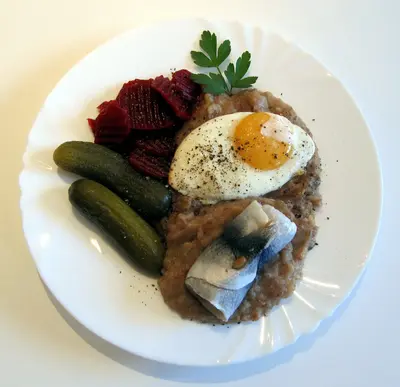
    Cured meat, potatoes, and beetroot are processed into a hearty mash. Labskaus is served especially in Hamburg and on the coast, usually with a fried egg, pickled gherkin, and rollmop or matjes.
    Curly Kale with Pinkel

    Curly Kale with Pinkel

    Kale is long-stewed and served with Pinkel, a smoked groat sausage, often with Kassler and small potatoes. It's a cold-season staple in Bremen, Oldenburg, and Ostfriesland; in Bremen, the kale is also called Braunkohl.
    Thuringian Grilled Sausage

    Thuringian Grilled Sausage

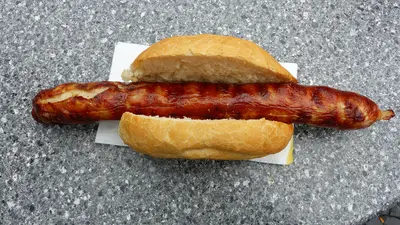
    The Thuringian grilled sausage sizzles almost everywhere in Thuringia and is nationally renowned. For festive occasions, roasts and roulades are served in the region with Thuringian potato dumplings.
    Maultaschen

    Maultaschen

    The filled pasta dough pockets are considered a Swabian variant of ravioli and play an important role in Baden-Württemberg's cuisine. Additionally, onion tart and Black Forest cherry cake also represent the regional fare.
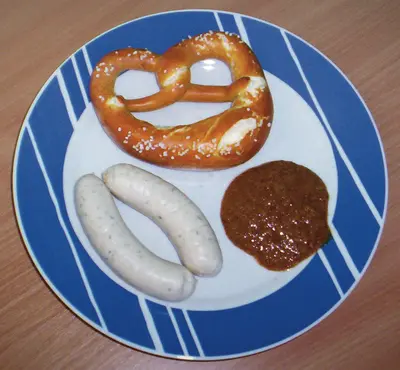
    Weißwurst with Pretzel

    Weißwurst with Pretzel

    Weißwurst is traditionally eaten with a pretzel in Bavaria. It's considered so typical of the south that the "Weißwurstäquator" is known as an imaginary cultural border between North and South Germany.

    Good to Know

    Essential info for your trip planning.

    Land & People

    A Land of RegionsGermany is a federal state made up of 16 states, and you'll notice this structure in everyday life.

    History & Society

    Travellers through Germany encounter history at every turn: in Roman ruins, medieval old towns, and palatial…

    Food & Drink

    Regionale Küche statt NationalgerichtEine einheitliche deutsche Küche gibt es kaum.

    Practical Info

    Entry and Border ControlsFor current and binding entry requirements, see the UK FCDO Travel Advice for Germany, linked…

    Getting Around

    Getting ThereBy Plane: Key international airports include Frankfurt am Main, Munich, Berlin Brandenburg, Düsseldorf,…

    RV Travel

    RV Pitches and CampsitesGermany has a dense network of campsites and motorhome pitches.

    Traveling with Kids

    Germany is well-equipped for families. Playgrounds can be found in almost every town, many museums and zoos offer…

    Best Time to Visit

    When is the best time for your trip?

    April
    May
    September
    October
    9–14°C·45–65 mm(moderate rain)
    Der Frühling (April, Mai) lockt mit aufblühender Natur und angenehmen Temperaturen, ideal für Stadtbesichtigungen und Wanderungen. Der Herbst (September, Oktober) bietet mildes Wetter, goldene Landschaften und ist perfekt für Weinreisen und kulturelle Erkundungen, bei moderatem Touristenaufkommen.
    Das Klima in Deutschland ist überwiegend gemäßigt, mit deutlichen Unterschieden zwischen den vier Jahreszeiten. Es wird maßgeblich vom Atlantik im Westen beeinflusst, was zu milderen Wintern und kühleren Sommern in den Küstenregionen führt. Weiter östlich nimmt der kontinentale Einfluss zu, was kältere Winter und wärmere Sommer bedeutet.Regionale Besonderheiten:Die Nordseeküste und die Ostseeküste erleben aufgrund des maritimen Einflusses tendenziell mildere Winter und kühlere Sommer mit mehr Wind und ganzjährig höherer Luftfeuchtigkeit.In den Alpenregionen im Süden (z.B. Bayern) sind die Winter kälter und schneereicher, die Sommer können jedoch auch sehr warm sein, oft begleitet von teils heftigen Gewittern.Die Flusstäler wie Rhein, Mosel oder Elbe bieten oft geschützte Lagen mit besonderen Mikroklimata, die besonders für den Weinbau vorteilhaft sind.Der Osten Deutschlands zeigt stärkere kontinentale Züge mit extremeren Temperaturen (kältere Winter, wärmere Sommer) und oft geringeren Niederschlägen als der Westen.Wetterphänomene:Im Sommer können Hitzewellen auftreten, insbesondere im Süden und Osten, die von starken Gewittern abgelöst werden können.Im Winter ist landesweit mit Schneefall zu rechnen, insbesondere in höheren Lagen und im Süden. Nebel ist in den kühleren Monaten verbreitet.Die Wassertemperaturen der Nord- und Ostsee sind selbst im Hochsommer mit maximal 18-20°C eher frisch.Reisende sollten sich auf wechselhaftes Wetter einstellen und entsprechende Kleidung für alle Jahreszeiten einpacken, insbesondere bei Reisen in den Übergangsmonaten.

    Seasons

    Jan
    Feb
    Mar
    Apr
    May
    Jun
    Jul
    Aug
    Sep
    Oct
    Nov
    Dec
    Hauptsaison
    Übergangssaison
    Nebensaison
    Best Time to Visit
    ▶Show detailed monthly data
    MonthTemp (°C)Rain (mm)Sun (h)
    January0.5551.5
    February1.0452.5
    March4.5503.5
    April9.0455.5
    May13.5656.5
    June17.0757.5
    July19.0707.5
    August18.5656.5
    September14.0554.5
    October9.0503.0
    November4.0551.5
    December1.5551.0

    Travel advice

    Safety, entry requirements and health: the official, up-to-date advice for Germany is published by the UK government on GOV.UK.

    Go to GOV.UK
    Felix at Kuirau Park in Rotorua, New Zealand

    Who's behind Fernweh?

    Hi, I'm Felix.

    I love to travel, and I love planning even more. Fernweh.guide is my attempt at building a really good online travel guide.

    About Fernweh

    All places in Germany

    • Aachen
    • Allgäu & King's Castles
    • Altona & Ottensen
    • Au
    • Bacharach
    • Bad Dürkheim
    • Bad Münstereifel
    • Baden-Baden
    • Bamberg
    • Berlin
    • Berlin
    • Bernkastel-Kues
    • Binz
    • Black Forest
    • Blankenese & Övelgönne
    • Bodensee
    • Bonn
    • Boppard
    • Bremen
    • Bremen
    • Brocken / Brockenbahn
    • Burg (Spreewald)
    • Burg Eltz
    • Charlottenburg (City West)
    • Chiemsee / Herrenchiemsee
    • Cochem
    • Cologne & Rhineland
    • Constance
    • Deutz
    • Dresden
    • Düsseldorf
    • Ehrenfeld
    • Eifel
    • Eifel National Park
    • Erfurt
    • Franken
    • Frankfurt am Main
    • Freiburg im Breisgau
    • Friedrichshain
    • Füssen
    • Gasometer Oberhausen
    • Glockenbachviertel
    • Görlitz
    • HafenCity & Speicherstadt
    • Haidhausen
    • Hamburg
    • Hamburg
    • Harz & Saxony-Anhalt
    • Heidelberg
    • Heidelberg & Neckar
    • Heiligendamm
    • Jasmund National Park & Königsstuhl
    • Koblenz
    • Köln
    • Kreuzberg
    • Kwartier Latäng
    • Landscape Park Duisburg-North
    • Leipzig
    • Lindau
    • Linderhof Palace
    • Loreley
    • Lübbenau
    • Lübeck
    • Lübeck & Holstein Baltic Sea
    • Lüneburg
    • Lüneburg Heath
    • Luther City Wittenberg
    • Mainau Island
    • Mainz
    • Maria Laach & Lake Laach
    • Marksburg
    • Maxvorstadt
    • Mecklenburg Baltic Sea Coast
    • Mecklenburg Lake District
    • Meersburg
    • Middle Rhine
    • Monschau
    • Mosel
    • Munich
    • Munich & Upper Bavaria
    • Münster
    • Münsterland & Westfalen
    • Müritz National Park
    • Neuhausen-Nymphenburg
    • Neukölln
    • Neuschwanstein Castle
    • Norderney
    • North Sea Coast, Islands
    • Nürburgring
    • Nuremberg
    • Old City
    • Old Town & New Town
    • Pfalz & German Wine Route
    • Potsdam
    • Potsdam & Havelland
    • Prenzlauer Berg
    • Quedlinburg
    • Rhine-Main
    • Rostock & Warnemünde
    • Rothenburg ob der Tauber
    • Rüdesheim on the Rhine
    • Rügen & Vorpommern
    • Ruhr Area
    • Saxon Switzerland / Bastei
    • Saxony
    • Scheunenviertel & Hackescher Markt
    • Schwabing
    • Schwerin
    • Speyer
    • Spreewald
    • St. Pauli
    • St. Peter-Ording
    • Sternschanze
    • Stralsund
    • Stuttgart
    • Südstadt
    • Sylt
    • The Belgian Quarter
    • The Hambach Castle
    • Thuringia
    • Titisee
    • Travemünde
    • Triberg Waterfalls
    • Trier
    • Usedom Royal Spas
    • Wadden Sea National Park
    • Wartburg
    • Weimar
    • Wernigerode
    • Wilsede & Totengrund
    • Wismar
    • Würzburg
    • Zeche Zollverein
    • Zugspitze

    More about Germany

    • Best Time to Visit Germany
    • Germany with Kids
    • Germany by RV