ExploreTravel GuidesPlan a trip
    de|en
    All Places & RegionsAbout FernwehFAQPrivacy PolicyImprint
    ExploreTravel GuidesPlan a trip
    • Neighborhoods & highlights
    • Eat & drink
    • Culture
    • Getting around
    • Accommodation
    • Plan trip
    • Nearby
    Lüneburg

    Germany

    Lüneburg

    City

    The Hanseatic city of Lüneburg is located on the Ilmenau, about 50 kilometers southeast of Hamburg, and has around 80,000 inhabitants.

    1. Home
    2. Destinations
    3. Germany
    4. Lüneburg Heath
    5. Lüneburg
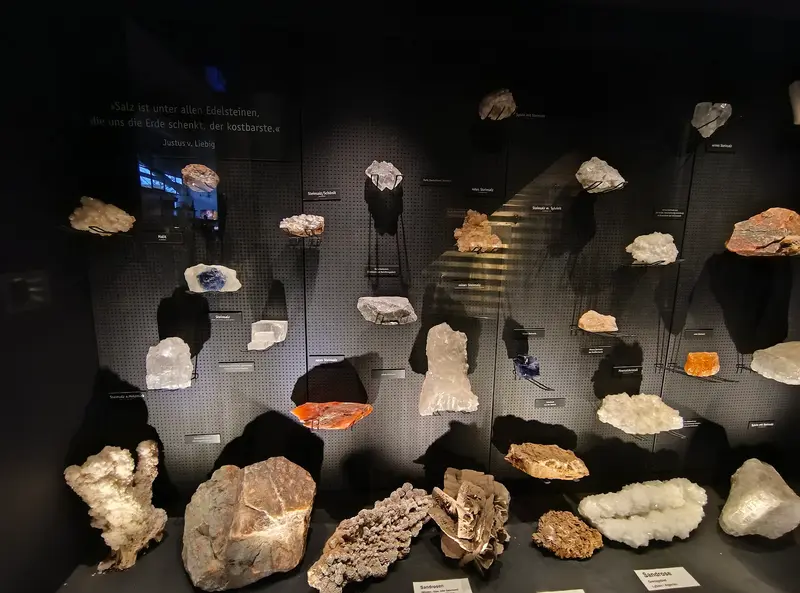
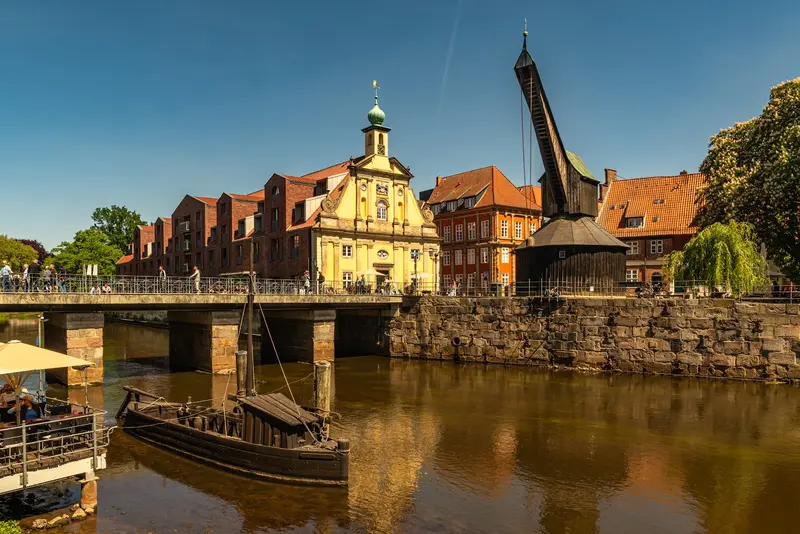
    The Hanseatic city of Lüneburg is located on the Ilmenau, about 50 kilometers southeast of Hamburg, and has around 80,000 inhabitants. For centuries, it was the sole supplier of salt for the North German region, making it wealthy; the saltworks only closed in 1980. Around 1300 listed brick houses tell of this heyday.Stroll across Am Sande square with its stepped and spiral gables, visit Northern Germany's largest medieval town hall, and settle down in the Wasserviertel by the Old Crane and Stintmarkt on the Ilmenau.
    Lüneburg has around 80,000 inhabitants and lies on the Ilmenau, about 50 kilometers southeast of Hamburg. Its Old Town, with around 1,300 listed brick houses, is best explored on foot. Particularly noteworthy is the legacy of salt, which made the city rich over centuries and is now showcased at the German Salt Museum. Worthwhile sights include Am Sande Square with St. John's Church, the Town Hall on the Market Square, and the Water Quarter with the Old Crane and Stintmarkt.

    Sights in Lüneburg

    Discover the most important sights and attractions

    The Sands
    Historic Landmark

    1The Sands

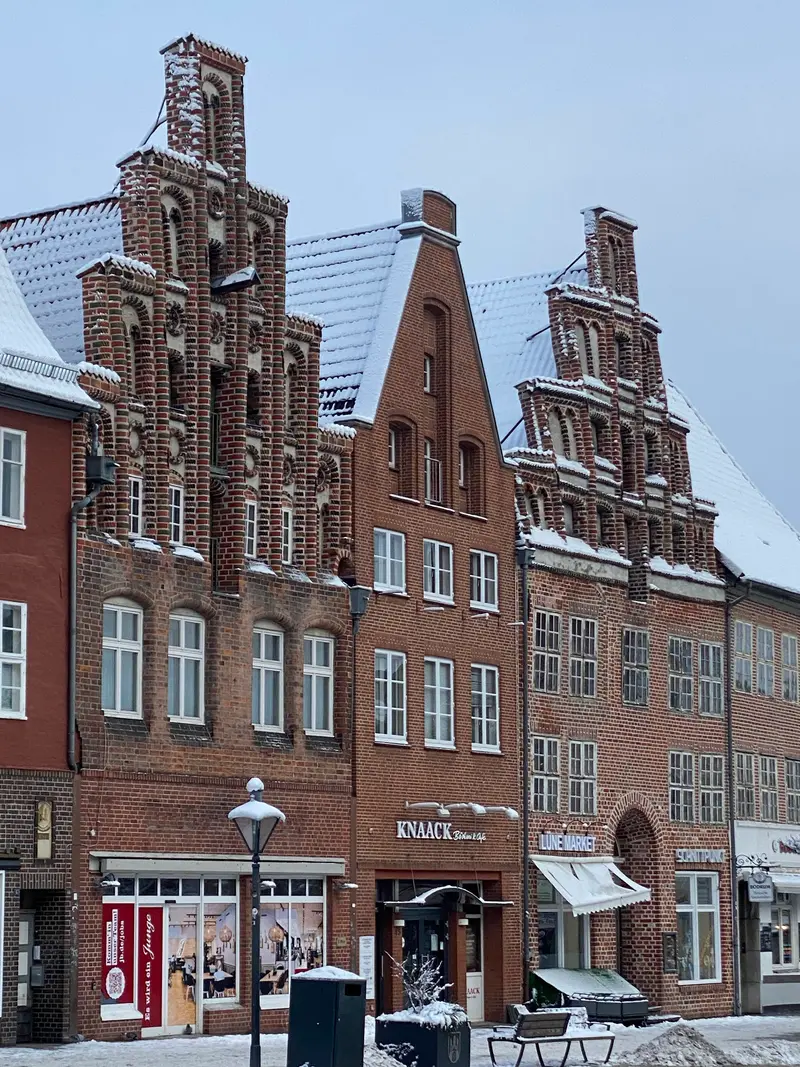
    The approximately 225-meter-long square was once a trading hub for salt, beer, grain, fish, and wood and is lined by townhouses with Gothic stepped gables and Baroque scroll gables. At the western end stands the Schütting from 1548, built of black glazed brick, today the seat of the IHK, at the eastern end the Johanniskirche with its 108-meter-high tower.
    Open in Google Maps
    Stintmarkt in the Waterfront
    Attraction

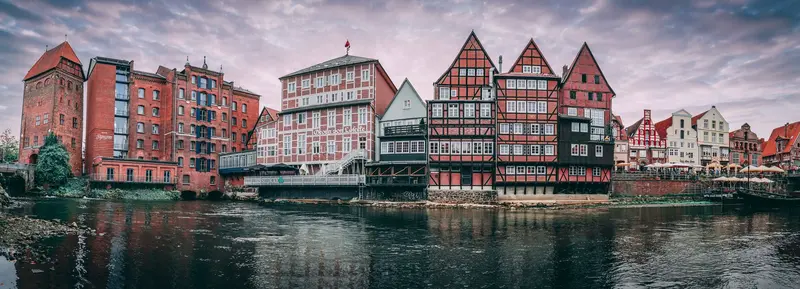
    2Stintmarkt in the Waterfront

    Der Stintmarkt liegt am alten Hafen im Wasserviertel, das im 13. Jahrhundert zwischen Marktplatz und Ilmenau entstand. Im selben Viertel steht der Alte Kran, eine mittelalterliche Holzkonstruktion, die bis heute funktionsfähig ist.
    Open in Google Maps
    German Salt Museum
    Museum

    3German Salt Museum

    The museum in the former saltworks, closed in 1980, illustrates how Lüneburg's enriching salt was extracted.
    Open in Google Maps
    St. Nicolai
    Church

    4St. Nicolai

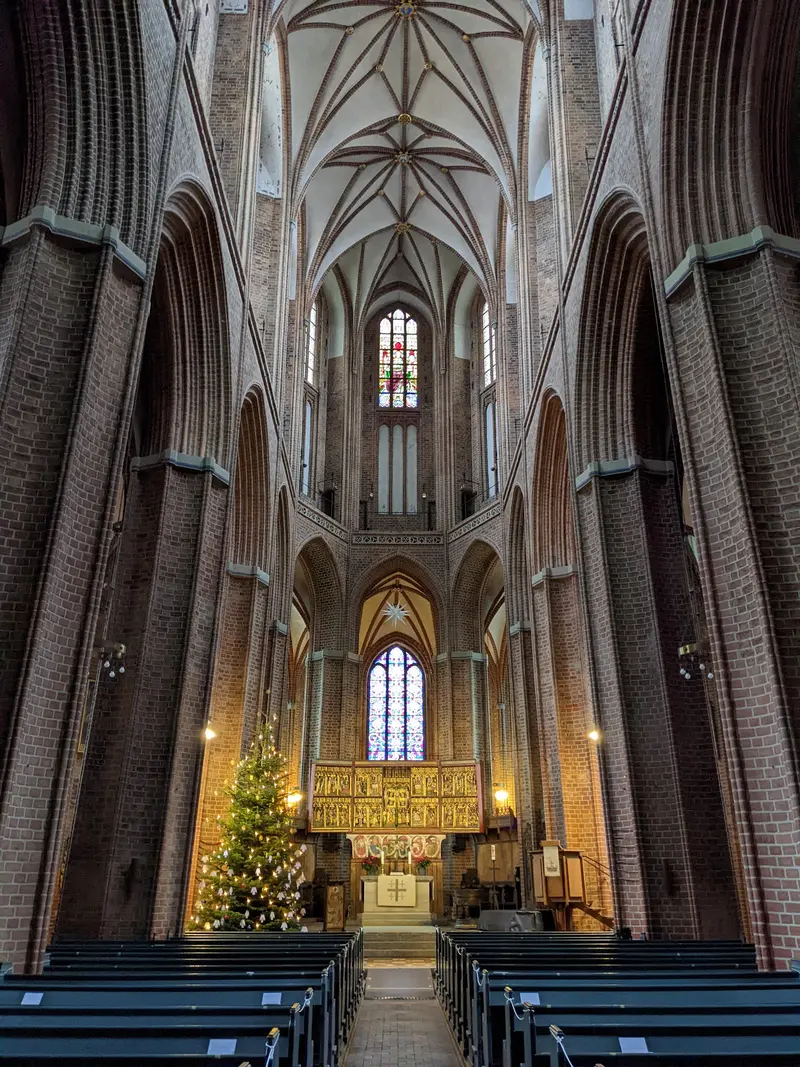
    The three-aisled brick basilica, consecrated in 1409, features side chapels, galleries, a star vault, and a bronze baptismal font.
    Open in Google Maps
    Lüneburg Town Hall
    Attraction

    5Lüneburg Town Hall

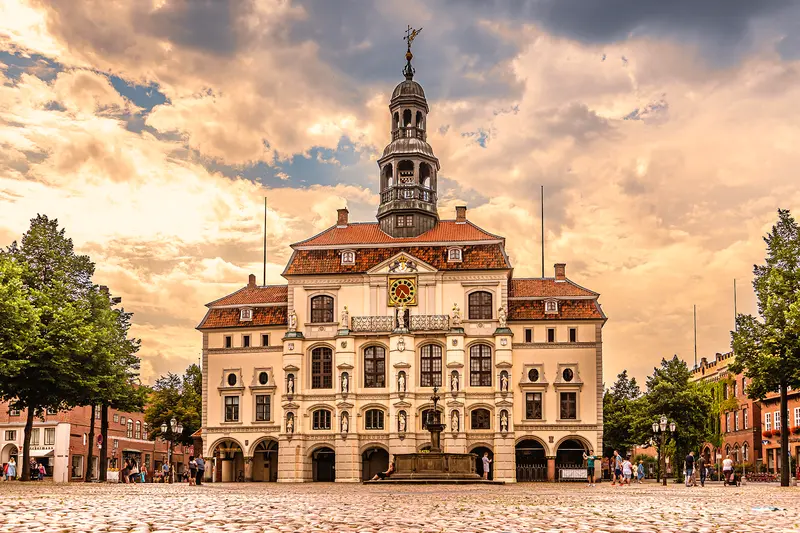
    The town hall complex, begun around 1230 and extended over centuries, received its Baroque facade in 1720. On guided tours, you can explore the Fürstensaal with its late medieval princely portraits and the Große Ratsstube, featuring carvings by Albert von Soest. Additionally, 41 Meissen porcelain bells chime in the tower.
    Open in Google Maps

    Restaurants in Lüneburg

    1

    Mälzer Brew and Table House

    Large brewery in a historic building with seasonal beer, Schnitzel, grilled meats and Flammkuchen.
    Show on Google Maps
    2

    Steakhouse at the Old Forge

    Steakhouse located on Bardowicker Street.
    Show on Google Maps
    3

    Sen Lüneburg

    Asian restaurant located on Heiligengeiststraße.
    Show on Google Maps

    Salt, Brickwork and Town Hall Bells

    As an early member of the Hanseatic League and a monopoly salt supplier for northern Germany, Lüneburg grew wealthy. Since 2007, the city has officially borne the name Hansestadt Lüneburg. The Town Hall, begun around 1230, is considered the largest medieval town hall in Northern Germany with its 259 rooms. During guided tours, you'll see the Gerichtslaube, Fürstensaal, and Große Ratsstube, among other things.In the Town Hall tower hang 41 bells made of Meissen porcelain, which play in the morning around 8 AM, at noon around 12 PM, and in the evening around 6 PM. Since 2006, the telenovela Rote Rosen has also been produced in Lüneburg for Das Erste.

    Walking Through the Old Town

    The sights are close by: Just a short walk from Platz Am Sande leads to the Rathaus am Markt and down to the Wasserviertel by the Ilmenau. The German Salt Museum is in the southwest of the Old Town, on the site of the former Saline.

    Accommodations in Lüneburg

    Find perfect stay in Lüneburg

    Booking.com* (Affiliate link)
    Search Hotels
    Agoda* (Affiliate link)
    Search Hotels
    Airbnb
    Vacation Rentals

    * Affiliate link: if you book through it, we earn a small commission. The price stays the same for you.

    Campgrounds in Lüneburg

    Find perfect campground in Lüneburg

    Search via Google Maps
    Campgrounds nearby (15km)
    Camping.info
    Find Campgrounds
    Park4Night
    RV Parks & Camping

    Plan your trip to Lüneburg

    Save places, build a route and plan your city trip, all in one place.

    1. 1
      1234

      Round trip

      12 days · 4 stops

      Saved

      Pick a route

      Pick a ready-made one or save places and plan your own.

      Open bookmarks
    2. 2

      Trip to Lüneburg

      Live
      • 1The Sands3 days
      • 2Stintmarkt in the Waterfront4 days
      • 3German Salt Museum5 days
      Budget

      Plan your trip

      The planner sorts stops, days and budget. Plan together in real time.

      Start trip planning
    3. 3
      9:41 No signal
      Available offline

      Use it on the road

      Download the guide to your phone and use it on site, even offline.

    Nearby

    Lüneburg Heath

    Lüneburg Heath

    The Lüneburg Heath is located in the northeast of Lower Saxony between the Elbe and Aller rivers, within easy reach of Hamburg, Bremen, and Hanover. Heidschnucken sheep graze the open areas, preventing trees from overgrowing the heath. The heath is in full bloom, especially in August and September.At its heart is the Lüneburg Heath Nature Reserve, founded in 1921, surrounding the Wilseder Berg, which at 169.2 metres is the highest elevation in the heath. On the edge of the heath lies the Hanseatic city of Lüneburg, which grew rich from its salt and today boasts around 1300 listed brick houses.
    Wilsede & Totengrund

    Wilsede & Totengrund

    The heath village of Wilsede, a district of Bispingen with 29 inhabitants (as of 2020), is located in the heart of the Lüneburg Heath Nature Reserve and is largely closed to motor vehicles. You can reach it on foot, by bike, or by horse-drawn carriage from the hiking car parks of the surrounding villages. In the Dat ole Huus Heath Museum, you can see how a heath farm lived around 1850.About one kilometer to the southeast lies the Totengrund, a 30-hectare basin with heathland and numerous juniper bushes. Pastor Wilhelm Bode purchased it in 1906 with donations to protect it from development. Nearby rises the Wilseder Berg, at 169.2 meters, the highest elevation in the Lüneburg Heath.

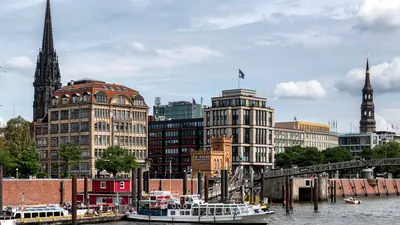
    HafenCity & Speicherstadt

    The HafenCity has been developing since its groundbreaking on April 9, 2001, on the former Großer Grasbrook, a port area of approximately 157 hectares, which was released from the Free Port on January 1, 2003, to allow for residential construction. Since March 1, 2008, it has been its own district. To its north lies the Speicherstadt, opened in 1888, for which the residential quarters Kehrwieder and Wandrahm were cleared starting in 1883.You'll walk across the Magellan and Marco Polo Terraces along the water, visit the International Maritime Museum in Kaispeicher B, and learn at the Speicherstadtmuseum how storekeepers stored coffee, tea, and rubber. The U4 stops at the stations Überseequartier, HafenCity Universität, and Elbbrücken.
    Hamburg

    Hamburg

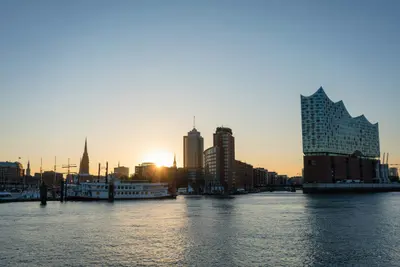
    The Free and Hanseatic City of Hamburg lies where the Alster and Bille rivers flow into the Lower Elbe, about 100 kilometers before the Elbe's mouth into the North Sea. As Germany's second-largest city, Hamburg is simultaneously a city-state and one of the world's most important port cities. Nearly 2500 bridges span its canals, waterways, and streams.For you, that means: brick warehouses and glass concert halls on the waterfront, barges and harbor ferries, the Inner and Outer Alster right in the city, and a nightlife that made history around the Reeperbahn in St. Pauli. Speicherstadt and Kontorhausviertel have been a UNESCO World Heritage site since 2015.
    Hamburg

    Hamburg

    Hamburg, Germany's second-largest city at 1.9 million inhabitants, lies on the Lower Elbe, where the Alster is dammed in the city center to form Binnenalster and Außenalster. Its port, a global transshipment hub, shapes the cityscape from Landungsbrücken to HafenCity.Here you'll experience the neo-Gothic brick ensemble of the Speicherstadt, the Elbphilharmonie (opened 2017), the baroque Michel, and the magnificent Rathaus. Evenings, St. Pauli beckons: Reeperbahn, Große Freiheit, and Hans-Albers-Platz form the city's best-known entertainment hub.