ExploreTravel GuidesPlan a trip
    de|en
    All Places & RegionsAbout FernwehFAQPrivacy PolicyImprint
    ExploreTravel GuidesPlan a trip
    • Neighborhoods & highlights
    • Eat & drink
    • Culture
    • Getting around
    • Accommodation
    • Plan trip
    • Nearby
    Schwerin

    Germany

    Schwerin

    CityUNESCOCulture

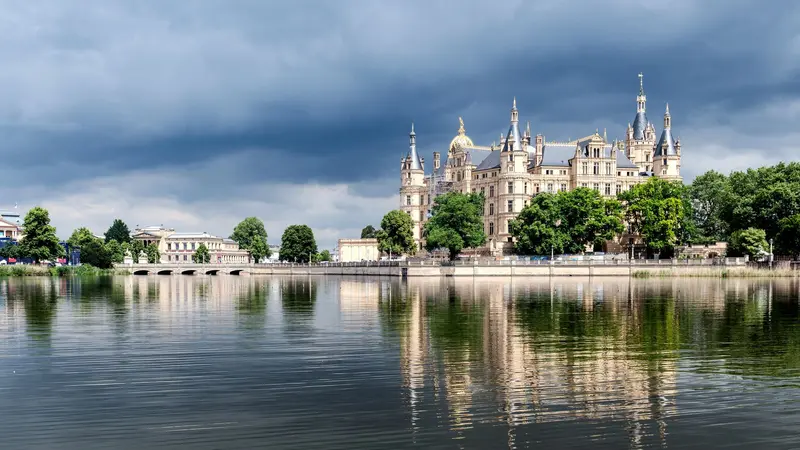
    Schwerin, with just under 100,000 inhabitants, is Germany's smallest state capital. Twelve lakes lie within the city area, including Lake Schwerin, Germany's fourth-largest lake.

    1. Home
    2. Destinations
    3. Germany
    4. Mecklenburg Lake District
    5. Schwerin
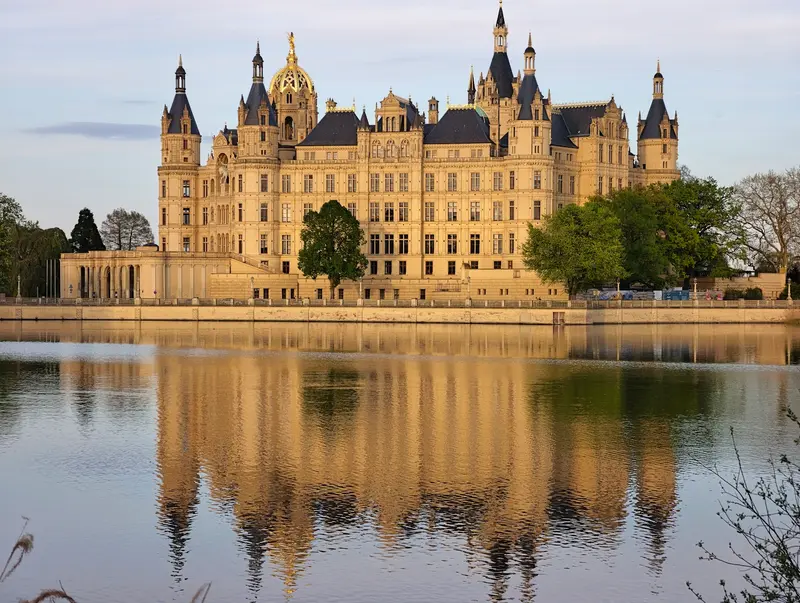
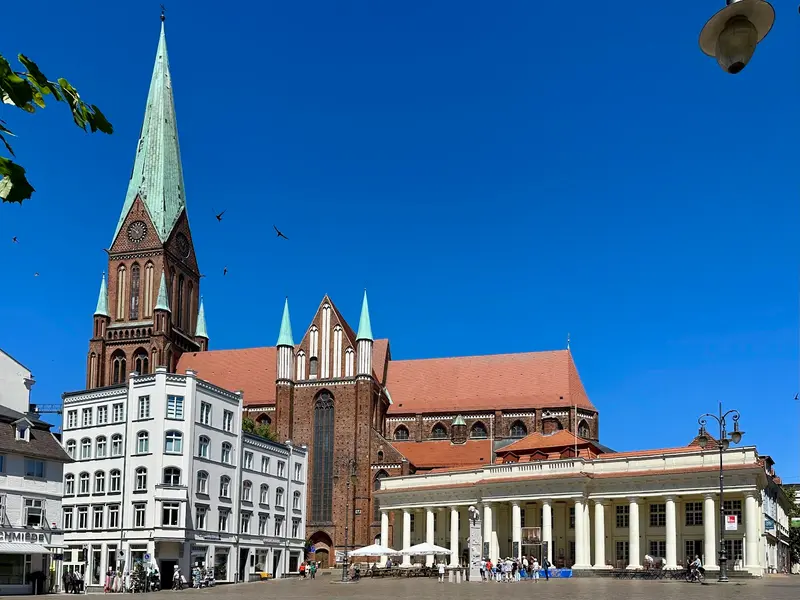
    Schwerin, with just under 100,000 inhabitants, is Germany's smallest state capital. Twelve lakes lie within the city area, including Lake Schwerin, Germany's fourth-largest lake. Its landmark is the castle on the castle island, completed in 1857 in Neo-Renaissance style and today housing the state parliament.Schwerin's Residence Ensemble became a UNESCO World Heritage site in July 2024. Around the Alter Garten stand the State Theatre and Museum, the Cathedral in the Old Town, and the Town Hall at the market. The Baroque Schelfstadt and Pfaffenteich invite for a stroll.
    Schwerin has almost 100,000 inhabitants and is Germany's smallest state capital. Twelve lakes lie within the city area, most notably Lake Schwerin. From the main train station, you walk about ten minutes to the Old Town; buses and trams depart from Grunthalplatz in front of the station. The Old Town with its Market Square, Town Hall, and Cathedral, the Alter Garten with the State Theatre and Museum, and the Castle on its island are all close together. North of the Pfaffenteich, the baroque Schelfstadt, which was planned on the drawing board, extends.

    Sights in Schwerin

    Discover the most important sights and attractions

    Schweriner Castle
    Museum

    1Schweriner Castle

    The five-wing complex on the Castle Island was remodeled following Schloss Chambord and inaugurated on May 26, 1857. Since 1990, the Landtag meets here, a part is a museum, and since July 2024, the castle, as part of the Residence Ensemble, is a UNESCO World Heritage site.
    Open in Google Maps
    Castle garden and palace garden
    Park

    2Castle garden and palace garden

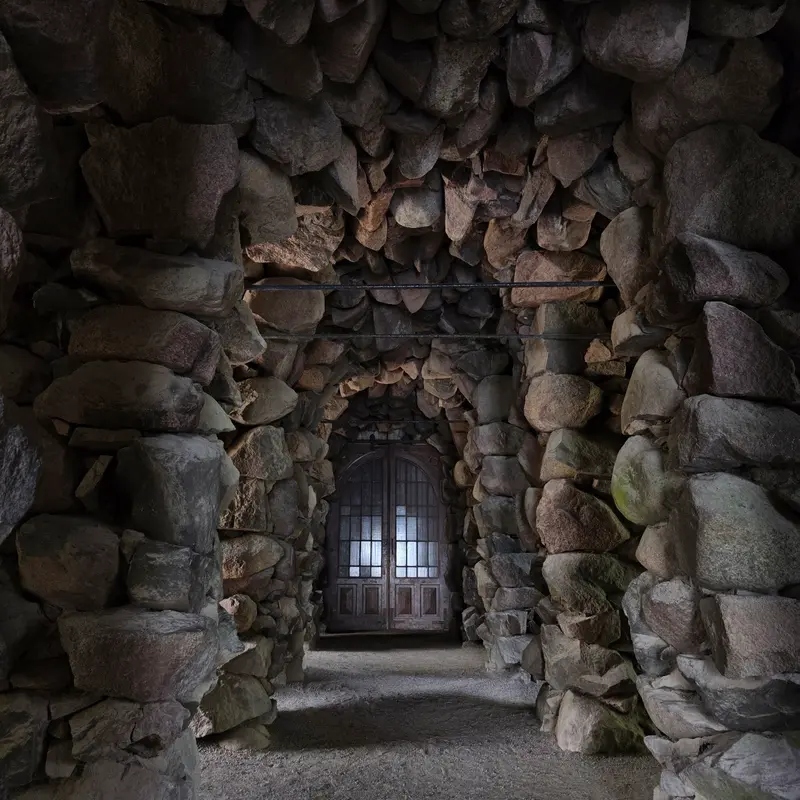
    The castle garden on the castle island was restored to its 1857 appearance for the Bundesgartenschau 2009, with the orangery as its focal point. To the south, the palace garden, designed by Peter Joseph Lenné, adjoins with its cross canal.
    Open in Google Maps
    The State Museum Schwerin
    Museum

    3The State Museum Schwerin

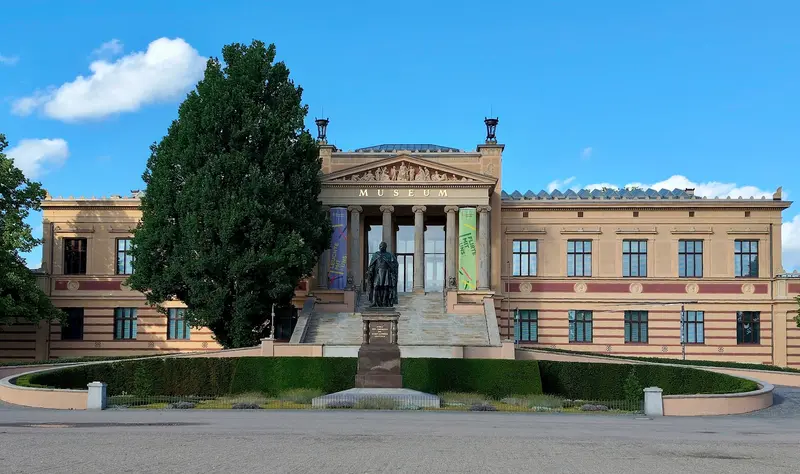
    The Museum am Alten Garten exhibits 17th- and 18th-century Dutch and Flemish paintings, including works by Rubens and Rembrandt. Following renovation, it reopened on October 30, 2025.
    Open in Google Maps
    Schwerin Dom
    Church

    4Schwerin Dom

    The Cathedral in the Old Town was built from 1270 as the second cathedral on this site. Over more than 230 steps, you ascend into the almost 118-meter-high tower.
    Open in Google Maps
    Pfaffenteich
    Attraction

    5Pfaffenteich

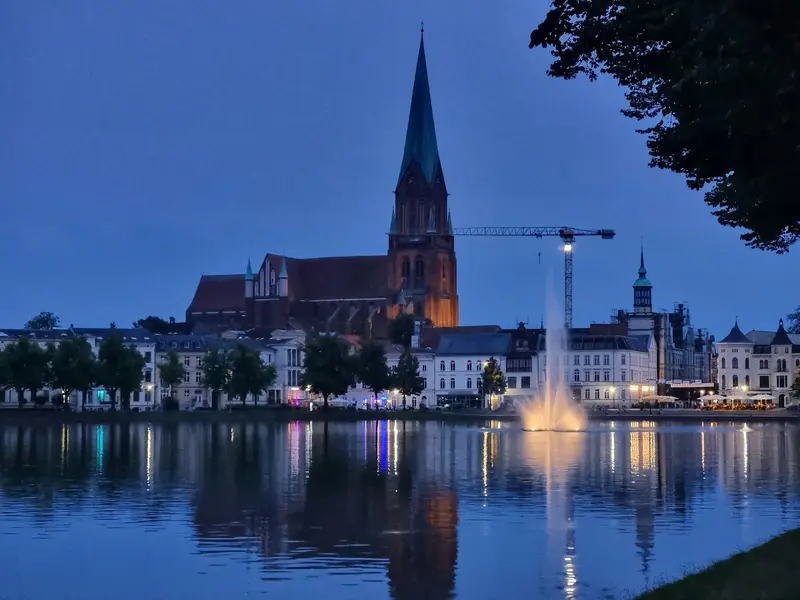
    The lake in the city center borders the Old Town to the northwest and adjoins the baroque Schelfstadt.
    Open in Google Maps

    Restaurants in Schwerin

    1

    Café Prague

    Traditional café, centrally located on Schlossstrasse, with cakes, ice cream sundaes, hot meals and outdoor seating.
    Show on Google Maps
    2

    The Ducal Steam Laundry

    Bright, modern restaurant and café with a garden at Großen Moor, serving seasonal fish dishes and Mediterranean-inspired meals.
    Show on Google Maps
    3

    The Martins

    Casual restaurant with outdoor seating and traditional cuisine, such as pork, eggs, and fried potatoes.
    Show on Google Maps

    Residence City and World Heritage

    Since July 27, 2024, the Schwerin Residence Ensemble has been on the UNESCO World Heritage List. Its centerpiece is the castle, completed in 1857, which has housed the state parliament since 1990. A sculpture in the inner courtyard commemorates the Petermännchen, the legendary castle spirit.On Alter Garten stands the State Theatre, whose current building was completed in 1886. The State Museum showcases Dutch painting and will reopen in October 2025 after its renovation.

    On the road in Schwerin

    From the Main Station, you can reach the Old Town in about ten minutes on foot. Buses and trams depart from Grunthalplatz, in front of the station, serving all city districts; the electric tram has been operating since 1908.A long-distance train to Hamburg runs approximately every two hours, complemented by a regional express. Regional Express services to Berlin are available via Ludwigslust.

    Accommodations in Schwerin

    Find perfect stay in Schwerin

    Booking.com* (Affiliate link)
    Search Hotels
    Agoda* (Affiliate link)
    Search Hotels
    Airbnb
    Vacation Rentals

    * Affiliate link: if you book through it, we earn a small commission. The price stays the same for you.

    Campgrounds in Schwerin

    Find perfect campground in Schwerin

    Search via Google Maps
    Campgrounds nearby (15km)
    Camping.info
    Find Campgrounds
    Park4Night
    RV Parks & Camping

    Plan your trip to Schwerin

    Save places, build a route and plan your city trip, all in one place.

    1. 1
      1234

      Round trip

      12 days · 4 stops

      Saved

      Pick a route

      Pick a ready-made one or save places and plan your own.

      Open bookmarks
    2. 2

      Trip to Schwerin

      Live
      • 1Schweriner Castle3 days
      • 2Castle garden and palace garden4 days
      • 3The State Museum Schwerin5 days
      Budget

      Plan your trip

      The planner sorts stops, days and budget. Plan together in real time.

      Start trip planning
    3. 3
      9:41 No signal
      Available offline

      Use it on the road

      Download the guide to your phone and use it on site, even offline.

    Nearby

    Wismar

    Wismar

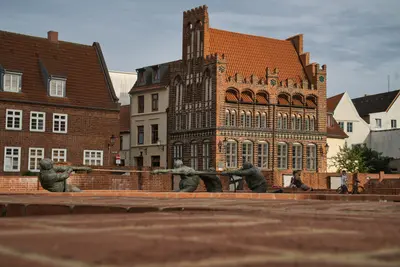
    Wismar is located at the southern tip of Wismar Bay, which is protected by Poel Island. The Hanseatic city was under Swedish rule from 1648, which ended in 1803 with a pledge to Mecklenburg. Since 2002, its Old Town, together with that of Stralsund, has been a UNESCO World Heritage site.The heart of the city is the 100 by 100-meter market square, featuring the Wasserkunst of 1602 and the Alter Schwede citizens' house from 1360. From there, you walk to the brick churches St. Nikolai, St. Georgen, and the tower of St. Marien, and down to the Old Harbor.
    Travemünde

    Travemünde

    Travemünde, part of Lübeck since 1329, was recognized in 1802 as the second seaside resort on Germany's Baltic Sea coast. Approximately 13,900 people live here at the mouth of the Trave, along the 1.7-kilometer long beach promenade, and on about four kilometers of bathing coastline.Since 1960, the four-masted barque Passat, built in 1911 by Blohm & Voss, has been located on Priwall, opposite the Travepromenade. At Leuchtenfeld, the Old Lighthouse, dating from 1539, is Germany's oldest preserved lighthouse. You can reach the town from Lübeck by regional train to Travemünde Strand station.
    Mecklenburg Baltic Sea Coast

    Mecklenburg Baltic Sea Coast

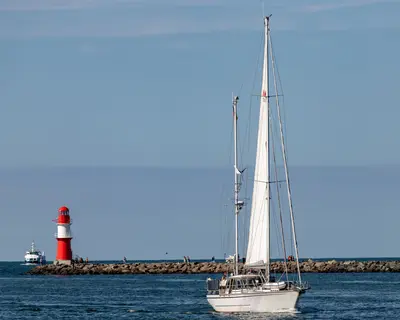
    Along the Mecklenburg coast, between Wismarbucht and Warnemünde, old Hanseatic towns and classic seaside resorts are strung together. Wismar, along with Stralsund, became a UNESCO World Heritage site in 2002. Rostock is Mecklenburg-Vorpommern's largest city and, with its university founded in 1419, boasts Northern Europe's oldest higher education institution.In Heiligendamm, Duke Friedrich Franz I founded Germany's oldest seaside resort in 1793, known as the "White City by the Sea". From here, the narrow-gauge railway Molli leisurely chugs to Bad Doberan and Kühlungsborn. In Warnemünde, Rostock's district at the mouth of the Warnow, a beach up to 150 meters wide, a lighthouse, and captain's houses along the Alter Strom await you.
    Lübeck

    Lübeck

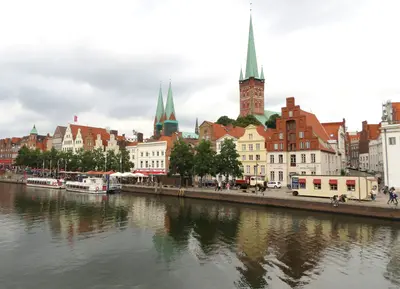
    Lübeck lies in southeastern Schleswig-Holstein on the Trave river and was once the main city of the Hanseatic League. Its Old Town is perched on a roughly 140-hectare hill, which the Trave and Kanal-Trave transform into an island. Around three-quarters of its buildings survived World War II, and it has been a UNESCO World Heritage site since 1987.The city is known for its seven towers and Lübeck marzipan. From the Holstentor, you'll walk past the Salt Warehouses up to St. Mary's Church and the Town Hall, discovering hidden passageways and courtyards. At the European Hanseatic Museum, you'll learn how the Hanseatic League shaped Baltic Sea trade.
    Lübeck & Holstein Baltic Sea

    Lübeck & Holstein Baltic Sea

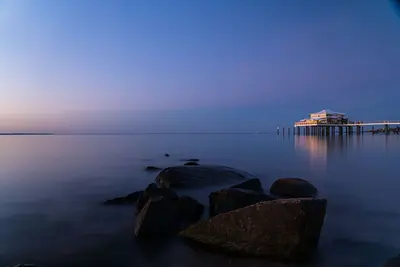
    Lübeck was the main city of the Hanseatic League and is still called the Queen of the Hanse. Since 1987, the preserved Old Town, with over a thousand cultural monuments, has been a UNESCO World Heritage site, including the Holstentor, St. Mary's Church, Town Hall, and Cathedral. About 17 kilometers from the Old Town, the Trave river empties into the Baltic Sea in Travemünde.From there, the Bay of Lübeck opens up with a string of seaside resorts like Timmendorfer Strand, Scharbeutz, Haffkrug, and Niendorf, connected by the Baltic Sea Cycle Route. The bay is primarily a swimming and sailing area; marinas are located in Travemünde, Niendorf, Neustadt, and Grömitz. At the end of July, the Travemünde Week attracts sailors from all over the world.