ExploreTravel GuidesPlan a trip
    de|en
    All Places & RegionsAbout FernwehFAQPrivacy PolicyImprint
    ExploreTravel GuidesPlan a trip
    • Neighborhoods & highlights
    • Eat & drink
    • Nightlife
    • Accommodation
    • Plan trip
    • Nearby
    Charlottenburg (City West)
    User Aazarus on de.wikipedia / Wikimedia Commons / CC BY-SA 2.0 de

    Germany

    Charlottenburg (City West)

    City

    Charlottenburg received city rights on April 5, 1705, and its name in honour of Queen Sophie Charlotte; in 1920, the city became part of Greater Berlin.

    1. Home
    2. Destinations
    3. Germany
    4. Berlin
    5. Charlottenburg (City West)
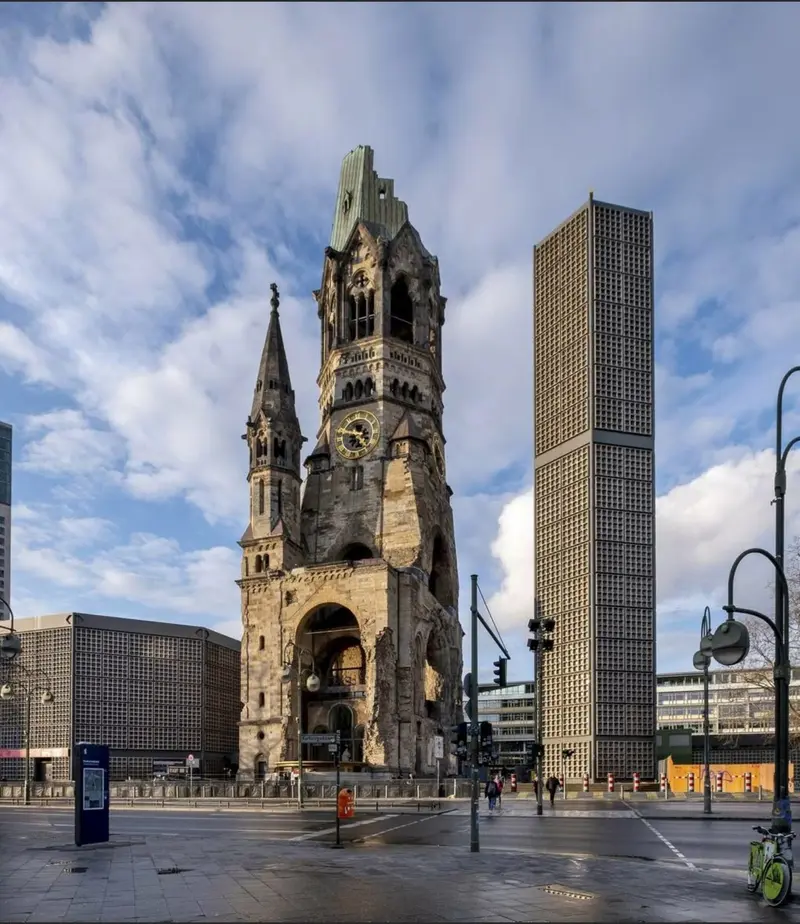
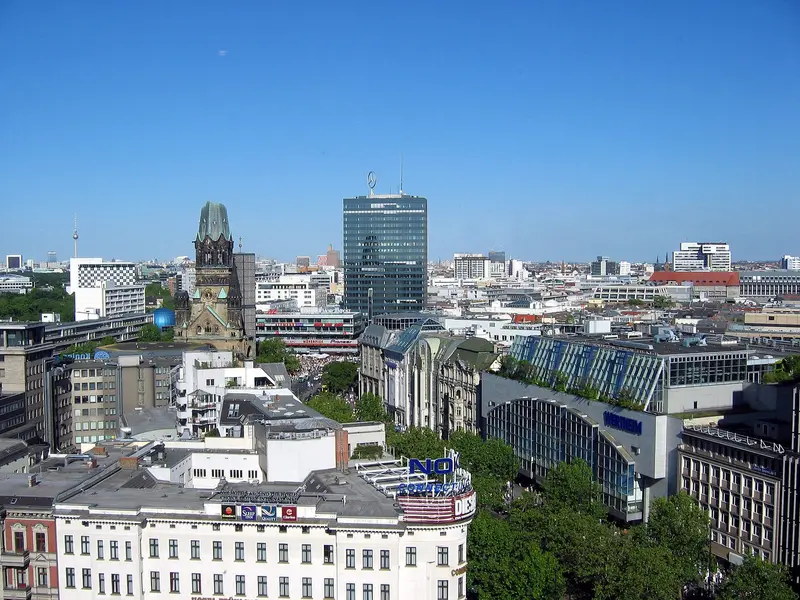
    Charlottenburg received city rights on April 5, 1705, and its name in honour of Queen Sophie Charlotte; in 1920, the city became part of Greater Berlin. After 1945, the area around Bahnhof Zoo, Breitscheidplatz, and Kurfürstendamm developed into City West, the new centre of West Berlin, because the historic city centre was located in the Soviet sector. Its landmark is the ruin of the Kaiser Wilhelm Memorial Church, whose tower was not demolished after citizen protests.You stroll along the Kurfürstendamm with its flagship stores and theatres, visit the Zoological Garden and the Memorial Church, and end your evening at Savignyplatz, where restaurants, bars, jazz clubs, and bookstores cluster. Through Charlottenburg run the U-Bahn lines U1, U2, U3, U7, and U9; S-Bahn trains of the Stadtbahn stop at Bahnhof Zoologischer Garten and Savignyplatz, as do regional trains at Zoo.
    The City West around Breitscheidplatz, Bahnhof Zoo, and Kurfürstendamm was the new center of West Berlin after 1945 and served as a showcase for the West during the Cold War. The Kurfürstendamm stretches from Breitscheidplatz to Rathenauplatz and features flagship stores of international brands and several theaters. Besides the Gedächtniskirche, the Zoological Garden and the Museum for Photography are worth a visit; evenings draw many to Savignyplatz. With five U-Bahn lines and the Stadtbahn, the district is excellently connected.

    Sights in Charlottenburg (City West)

    Discover the most important sights and attractions

    Kaiser Wilhelm Memorial Church
    Church

    1Kaiser Wilhelm Memorial Church

    From Franz Schwechten's Neo-Romanesque church (1891-1895), only the 71-meter tower ruin remained after the November 1943 air raid; its tower originally stood 113 meters. Adjacent, Egon Eiermann built a new structure (1959-1963) with walls of over 20,000 glass elements; since 1987, a memorial hall in the tower ruin has commemorated the destruction.
    Open in Google Maps
    Zoological Garden Berlin
    Zoo

    2Zoological Garden Berlin

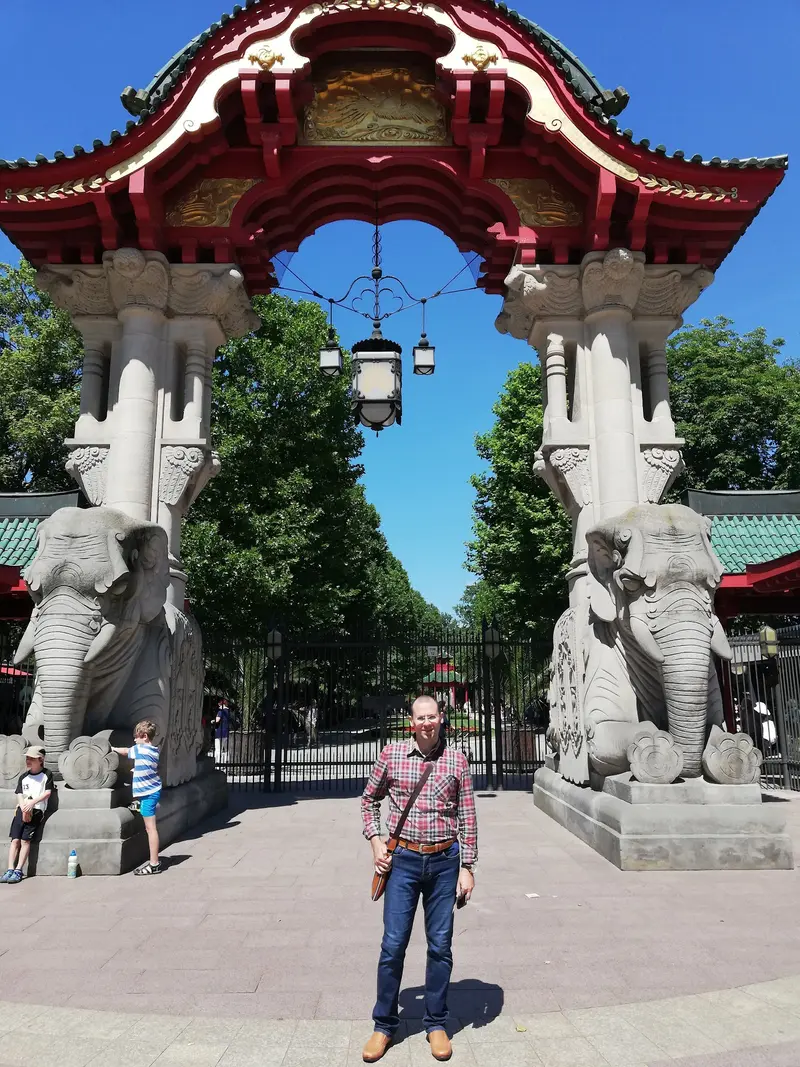
    Opened on August 1, 1844, Germany's oldest existing zoo spans 33 hectares and is home to some 20,000 animals from around 1,000 species. The 1899 Elephant Gate leads to the southern entrance on Budapester Straße, while the attached Aquarium has been open since 1913.
    Open in Google Maps
    Museum of Photography
    Museum

    3Museum of Photography

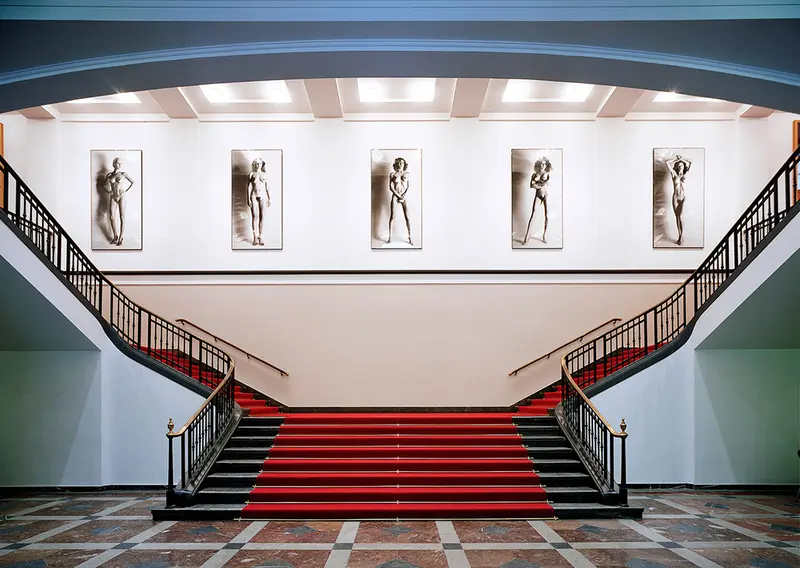
    Opened in 2004, this museum of the Staatliche Museen zu Berlin is located opposite Bahnhof Zoologischer Garten in the former Landwehr-Kasino from 1909. Its main draw is the collection of the Helmut Newton Stiftung, which utilizes the ground and first floors for exhibitions.
    Open in Google Maps

    Restaurants in Charlottenburg (City West)

    1

    Luardi Cucina della Mamma

    Bright, modern restaurant with traditional Italian pasta, pizza, meat dishes and a terrace.
    Show on Google Maps
    2

    Schnitzery Charlottenburg

    Fast-food restaurant on Crooked Street.
    Show on Google Maps
    3

    Rüya Vegetable Kebap

    Kebab snack bar on Otto-Suhr-Allee.
    Show on Google Maps

    Nightlife

    1

    Zwiebelfisch

    Iconic pub at Savignyplatz with draught beer, home-style cooking, and unique artworks on the walls.
    Show on Google Maps
    2

    A-Trane

    Small jazz club, opened 1992, with regular evening concerts by international musicians.
    Show on Google Maps

    Accommodations in Charlottenburg (City West)

    Find perfect stay in Charlottenburg (City West)

    Booking.com* (Affiliate link)
    Search Hotels
    Agoda* (Affiliate link)
    Search Hotels
    Airbnb
    Vacation Rentals

    * Affiliate link: if you book through it, we earn a small commission. The price stays the same for you.

    Campgrounds in Charlottenburg (City West)

    Find perfect campground in Charlottenburg (City West)

    Search via Google Maps
    Campgrounds nearby (15km)
    Camping.info
    Find Campgrounds
    Park4Night
    RV Parks & Camping

    Plan your trip to Charlottenburg (City West)

    Save places, build a route and plan your city trip, all in one place.

    1. 1
      1234

      Round trip

      12 days · 4 stops

      Saved

      Pick a route

      Pick a ready-made one or save places and plan your own.

      Open bookmarks
    2. 2

      Trip to Charlottenburg (City West)

      Live
      • 1Kaiser Wilhelm Memorial Church3 days
      • 2Zoological Garden Berlin4 days
      • 3Museum of Photography5 days
      Budget

      Plan your trip

      The planner sorts stops, days and budget. Plan together in real time.

      Start trip planning
    3. 3
      9:41 No signal
      Available offline

      Use it on the road

      Download the guide to your phone and use it on site, even offline.

    Nearby

    Berlin

    Berlin

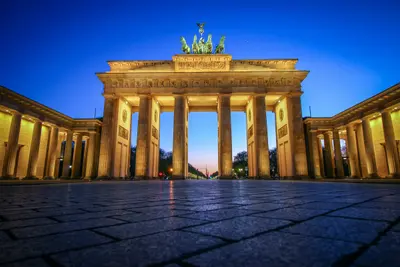
    With approximately 3.66 million inhabitants, Berlin is Germany's largest city and has been the federal capital since reunification in 1990; the federal government and the Bundestag have been based here since 1999. The Spree flows through the city from east to west, its banks are home to the Government District, Museum Island, and the East Side Gallery.Few cities tell the story of the 20th century so powerfully: On Bernauer Straße, you see the former border strip, at the Brandenburg Gate, the symbol of unity. Additionally, there are three opera houses, the museums of the World Heritage Museum Island, and districts like Kreuzberg, Friedrichshain, and Prenzlauer Berg, known for their bars, restaurants, and nightlife.
    Scheunenviertel & Hackescher Markt

    Scheunenviertel & Hackescher Markt

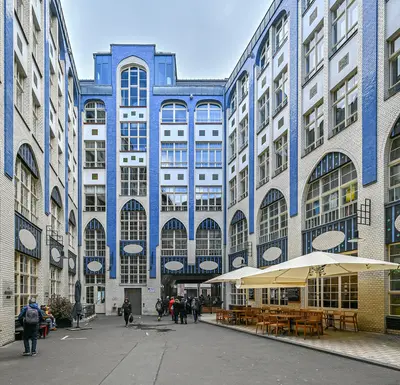
    Das Viertel rund um den Hackeschen Markt heißt historisch Spandauer Vorstadt und liegt im Ortsteil Mitte zwischen Spree, Friedrichstraße und Torstraße; den Teil östlich der Rosenthaler Straße nennt man Scheunenviertel. Ab 1685 wurden hier Straßen angelegt und Parzellen an Berliner Bürger und Hugenotten verkauft, 1712 bekam die Vorstadt mit der Sophienkirche ihre eigene Pfarrkirche. Heute steht das Gebiet als Ensemble unter Denkmalschutz und gilt als der größte und am besten erhaltene historische Stadtteil Berlins.Du bummelst durch die acht Höfe der Hackeschen Höfe, schaust an der Oranienburger Straße zur Kuppel der Neuen Synagoge hinauf und ziehst durch die Auguststraße, die für ihre Galerien bekannt ist. Am Bahnhof Hackescher Markt halten die S-Bahn-Linien S3, S5, S7 und S9 sowie die Trams M1, M4, M5 und M6.
    Berlin

    Berlin

    Berlin is the federal capital and, with around 3.66 million inhabitants, Germany's largest city. The city is completely surrounded by Brandenburg; the Spree flows through it from east to west and empties into the Havel in Spandau. Twelve districts with 97 localities structure the almost 892-square-kilometer urban area.Here are places that make German history come alive: from the Brandenburg Gate, over the remains of the Berlin Wall, to the Reichstag Building, where the Bundestag has met since 1999. Museum Island has been a UNESCO World Heritage site since 1999, and in neighborhoods like Kreuzberg, Friedrichshain, and Prenzlauer Berg, you'll find bars, restaurants, and a vibrant nightlife.
    Kreuzberg

    Kreuzberg

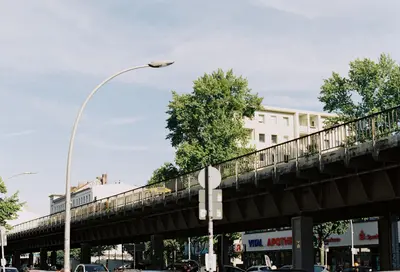
    Kreuzberg is a district in the Friedrichshain-Kreuzberg borough, named after the 66-meter-high Kreuzberg hill in Viktoriapark, where Schinkel's National Monument for the Liberation Wars has stood since 1821. During the time of the Berlin Wall, the eastern part, SO 36, was enclosed on three sides and became the hub of the alternative movement and squatting in the 1970s and 1980s. Today, around 160,000 people live here, many with Turkish roots, and its nightlife and cultural scene are well-known far beyond Berlin.During the day, you can visit the Jewish Museum or the German Museum of Technology, climb the Kreuzberg hill in Viktoriapark, or meet up at the Admiralbrücke over the Landwehrkanal, a popular meeting spot. In the evenings, the district's nightlife beckons. You can get here via U-Bahn lines U1 and U3, which largely follow the former Akzisemauer, with U6 and U8 running north-south, and also with U7; in total, there are 14 U-Bahn stations in the district.
    Prenzlauer Berg

    Prenzlauer Berg

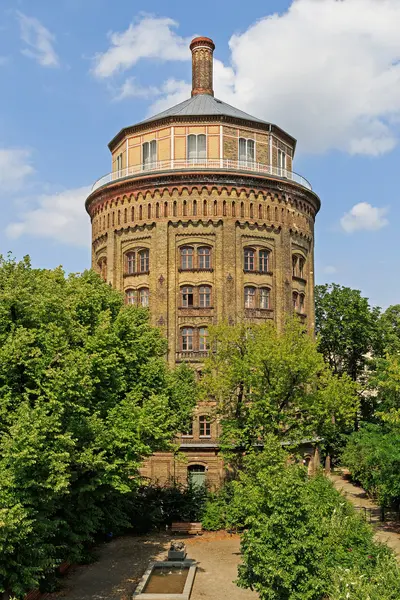
    Prenzlauer Berg is a district in the borough of Pankow and, with 168,947 inhabitants (end of 2023), Berlin's most populous district. Approximately two-thirds of the apartments were built between 1871 and 1914; typical are five-story apartment buildings with courtyards, and over 300 buildings are listed as historical monuments. In the 1980s, the GDR opposition gathered here, for instance around the Gethsemanekirche; after 1990, the district was considered Europe's largest contiguous redevelopment area.You can sit in the cafés and restaurants around Kollwitzplatz, Helmholtzplatz, and Kastanienallee, admire the water tower from 1877, and go to the flea market in Mauerpark on Sundays. The Kulturbrauerei, in the former Schultheiss brewery, combines cinema, stages, and clubs; nightlife focuses around the Eberswalder Straße U-Bahn station. The U2 stops at Senefelderplatz, Eberswalder Straße, and Schönhauser Allee, along with the M1 and M10 trams and five Ringbahn stations.