ExploreTravel GuidesPlan a trip
    de|en
    All Places & RegionsAbout FernwehFAQPrivacy PolicyImprint
    ExploreTravel GuidesPlan a trip
    • Overview
    • Places in the region
    • Food culture
    • Culture
    • Getting around
    • Round trips
    • Nearby
    Bern Region

    Switzerland

    Bern Region

    Region

    The Bern region stretches from the federal city on the Aare to the high mountains of the Bernese Oberland.

    1. Home
    2. Destinations
    3. Switzerland
    4. Bern Region
    The Bern region stretches from the federal city on the Aare to the high mountains of the Bernese Oberland. To the north lies Bern with its Old Town, a UNESCO World Heritage site since 1983, while to the south stand Eiger, Mönch, and Jungfrau.Between them lie Lake Thun and Lake Brienz, along with Interlaken, the starting point for Grindelwald, Lauterbrunnen, and the Jungfraujoch.
    The Bern region connects the federal city on the Aare with the high mountains of the Bernese Oberland. From Bern, you travel by train to Interlaken, nestled between Lake Thun and Lake Brienz. From there, the Berner Oberland Railway leads to Lauterbrunnen and Grindelwald. Via Kleine Scheidegg or the Eiger Express, you continue to the Jungfraujoch at 3454 metres. The area around Jungfrau and Aletsch Glacier belongs to the UNESCO World Heritage Site Swiss Alps Jungfrau-Aletsch.
    Bern

    Place 1 of 2

    Bern

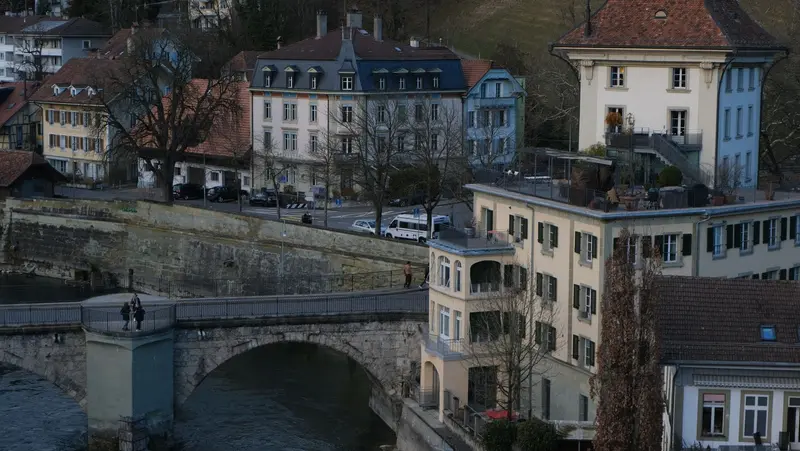
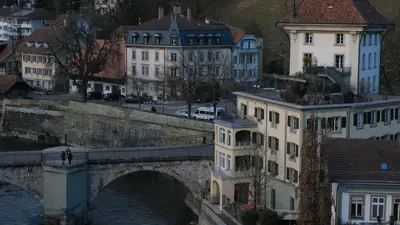
    Bern is the federal city of Switzerland and lies on a peninsula in a loop of the Aare. Its Old Town, with sandstone buildings, fountains, and around six kilometres of arcades, has been a UNESCO World Heritage site since 1983.

    Bern is Switzerland's federal city, yet it feels manageable: The Old Town lies compactly on a peninsula, which the Aare river encircles in a loop. From the station, it's a ten-minute walk to the Bundeshaus; buses go to the Zytglogge stop.

    Discover
    Jungfrau Region

    Place 2 of 2

    Jungfrau Region

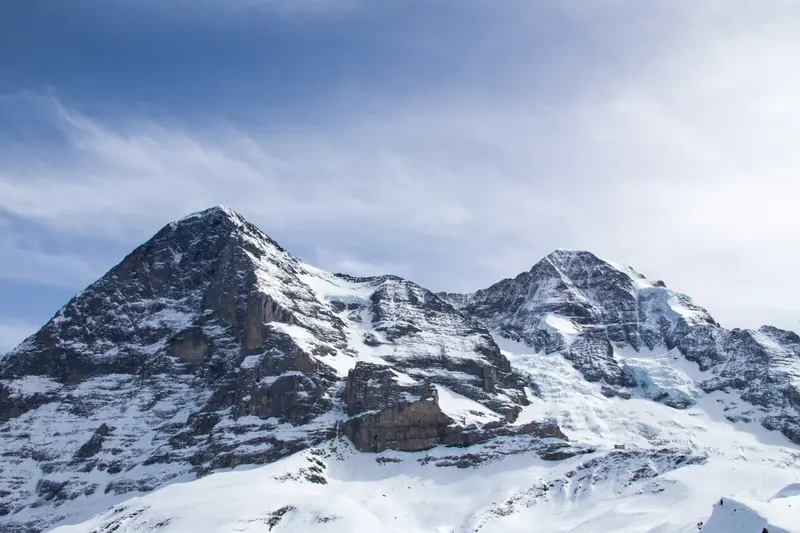
    The Jungfrau Region in the Bernese Oberland lies at the foot of Eiger, Mönch, and Jungfrau, south of Interlaken.

    Discover

    Sights in Bern Region

    Discover the most important sights and attractions

    Giessbach Falls
    Attraction

    Giessbach Falls

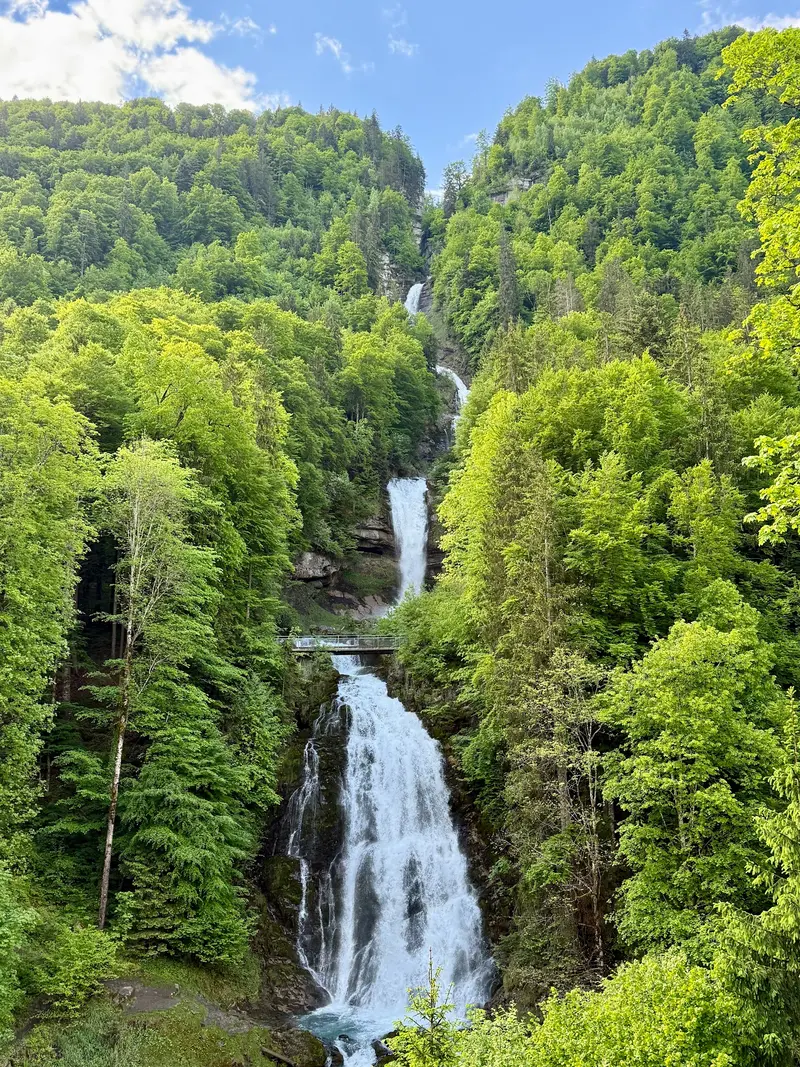
    The Giessbach plunges in 14 cascades through the forest into Lake Brienz; a path even leads behind one of the falls. From the boat station, Europe's oldest tourist funicular has been ascending to the Grandhotel Giessbach since 1879.
    Open in Google Maps
    Schynige Platte
    Attraction

    Schynige Platte

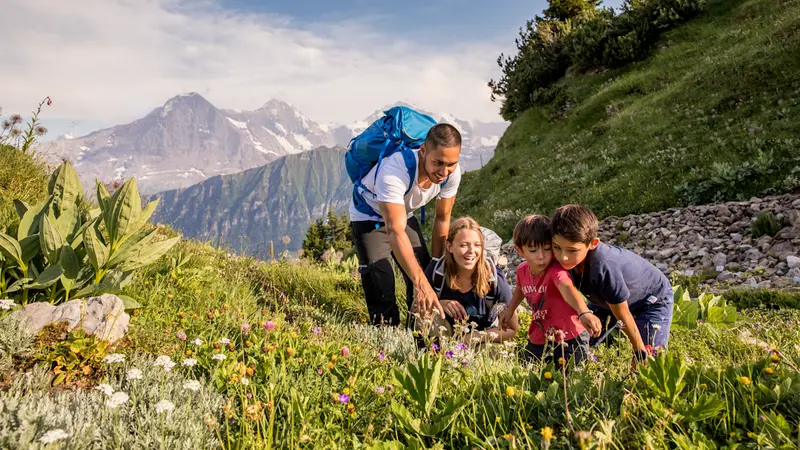
    The 1893 cogwheel railway runs from Wilderswil to approximately 2000 meters. At the summit, there's a botanical Alpine garden with about 600 plant species, and from here the panoramic hike across the Faulhorn to Bachalpsee and Grindelwald-First begins.
    Open in Google Maps
    Harder Kulm
    Attraction

    Harder Kulm

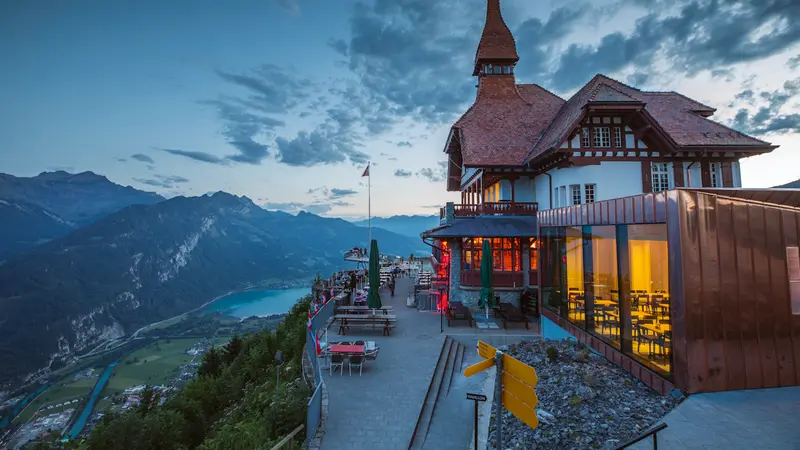
    Die über 100 Jahre alte Standseilbahn bringt dich vom Bahnhof Interlaken Ost in zehn Minuten auf den Hausberg auf 1322 Metern. Vom Zwei-Seen-Steg siehst du Thuner- und Brienzersee unter dir und gegenüber Eiger, Mönch und Jungfrau.
    Open in Google Maps

    Food & Drink in the Bern Region

    Bern Platter

    A lavish platter with various meats and sausages, sauerkraut, beans, and boiled potatoes.

    Emmentaler

    The hard cheese with the large holes comes from the Emmental east of Bern.

    Meringues with Cream

    Airy meringue pastry with thick double cream, a classic in the mountain inns of the Oberland.

    Culture in the Bern Region

    The Canton of Bern stretches from the federal city across the Emmental region to the Bernese Oberland. Here, Switzerland's rural traditions are particularly vibrant: Schwingfest wrestling, yodeling choirs, and alpine cattle drives are part of the summer calendar.ZibelemäritOn the fourth Monday in November, Bern's Old Town transforms into a giant onion market. Farmers sell artfully braided onion plaits, and confetti flies through the streets.

    Out and About in the Bern Region

    Bern is a railway hub with fast connections to Zurich, Basel, and Lausanne. You can reach Interlaken in the Bernese Oberland in about an hour, and from there continue with the mountain railways of the Jungfrau Region. On Lake Thun and Lake Brienz, regular boat services operate, which can be easily combined with the train.

    Round trips through this region

    Grand Rail Tour: Lakes, Passes, and Glaciers

    This round trip connects Switzerland's most famous destinations almost exclusively by train, bus, and boat. From Zurich, it's to Lake Lucerne and Lucerne, and through the Gotthard to Italian-speaking Lugano. With the Bernina Express Bus, you travel over Lake Como to Tirano, and from there on the Bernina Express over the Berninapass to Upper Engadine and St. Moritz. The Glacier Express takes you in approximately eight hours over 291 bridges and through 91 tunnels to Zermatt, beneath the Matterhorn. Via Valais, you reach the Bernese Oberland with Jungfraujoch and Lauterbrunnen Valley, before the journey ends in the federal city of Bern.

    14 Days
    7 stops

    Nearby

    Matte

    Matte

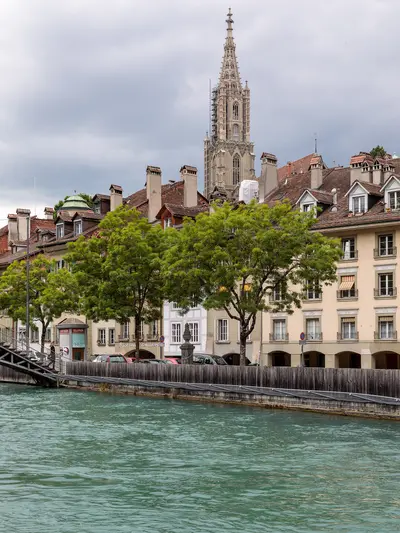
    The Matte Quarter is by the Aare, directly below the Münsterplattform. Formerly, craftsmen, raftsmen, and boatmen lived here; today, small restaurants and homes define this quiet riverside quarter. The Mattelift connects the quarter to the Münsterplattform in the Upper Town.
    Old Town Bern

    Old Town Bern

    Bern's Old Town is situated on a peninsula, encircled by the Aare river in a tight loop, and has been a UNESCO World Heritage site since 1983. Around six kilometers of arcades stretch through the alleys between the station and Nydegg Bridge, complemented by ornate fountains, cellar bars, the Zytglogge (Clock Tower) and the Minster (Cathedral).
    Bern

    Bern

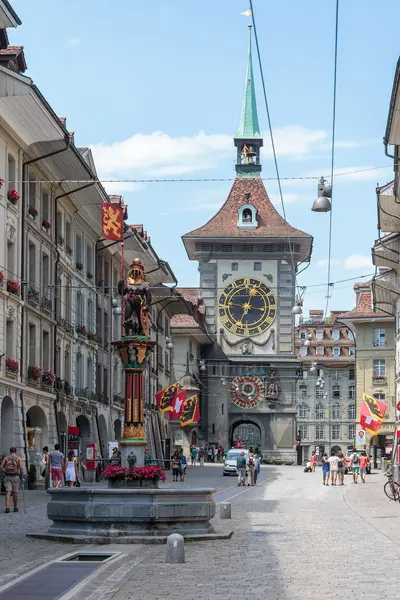
    Bern is the federal city of Switzerland and lies on a peninsula in a loop of the Aare. Its Old Town, with sandstone buildings, fountains, and around six kilometres of arcades, has been a UNESCO World Heritage site since 1983.Shops, cafés, and cellar theatres line the arcades. The Zytglogge is a landmark, its astronomical clock with animated figures striking the hours since 1530. Other highlights include the Bern Minster, the Federal Palace, and the Einstein House, where the physicist lived from 1903 to 1905. In summer, many locals float in the Aare, and from the Rose Garden, you can overlook the Old Town.
    Jungfrau Region

    Jungfrau Region

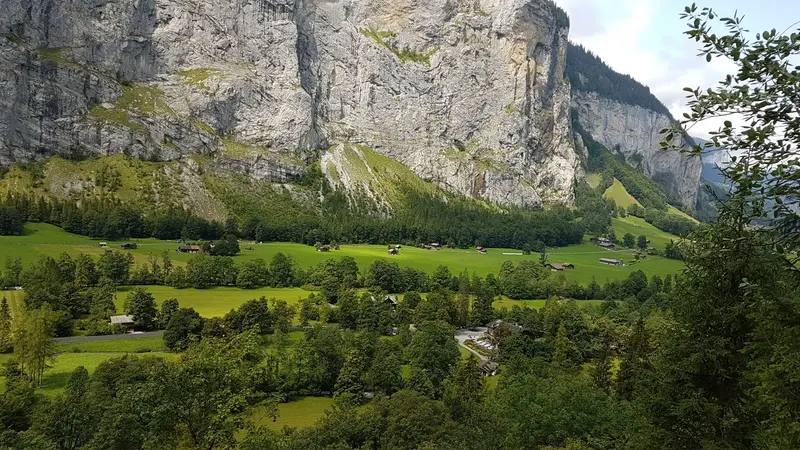
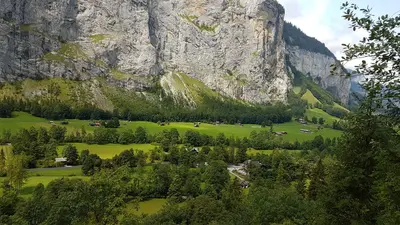
    The Jungfrau Region in the Bernese Oberland lies at the foot of Eiger, Mönch, and Jungfrau, south of Interlaken. Here, the Jungfraubahn has been traveling since 1912 through Eiger and Mönch to the Jungfraujoch, which, at 3,454 meters, is Europe's highest-altitude railway station.From Grindelwald Terminal, the Eiger Express takes you to Eigergletscher station in 15 minutes, from there you continue by cogwheel train; from Interlaken Ost, the journey takes about an hour and a half. At the top, you look out onto the Aletsch Glacier, at 23 kilometers the longest glacier in the Alps and part of the UNESCO World Heritage Site Swiss Alps Jungfrau-Aletsch. In the Lauterbrunnen Valley, also known as the Valley of 72 Waterfalls, and in Grindelwald and Wengen, many hiking trails begin. The Swiss Travel Pass only grants a discount on the journey to the Jungfraujoch.
    Aletsch Glacier

    Aletsch Glacier

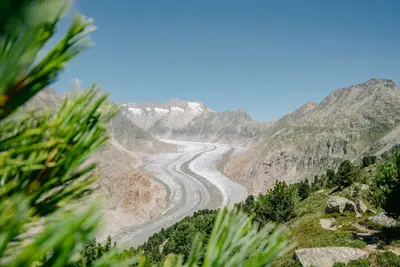
    At 23 kilometres, the Great Aletsch Glacier in Oberwallis is the longest glacier in the Alps and has been part of the UNESCO World Heritage Swiss Alps Jungfrau-Aletsch since 2001. From the panoramic peaks above the car-free villages of the Aletsch Arena, you can look down on the mighty ice stream, which sweeps in a wide arc from the Jungfrau region into the valley.The three most important viewpoints are the Eggishorn at 2869 metres, accessible by cable cars from Fiesch via Fiescheralp, the Bettmerhorn at 2872 metres above Bettmeralp, and the Moosfluh at 2333 metres above Riederalp. To reach Bettmeralp and Riederalp, you travel by train to Betten or Mörel and from there ascend by cable car. At Konkordiaplatz, where several ice streams converge, the ice is up to 900 metres thick.