ExploreTravel GuidesPlan a trip
    de|en
    All Places & RegionsAbout FernwehFAQPrivacy PolicyImprint
    ExploreTravel GuidesPlan a trip
    • Why go
    • Highlights
    • Explore regions
    • Round trips
    • Local food
    • Good to know
    • Best time to visit
    • Travel advice
    Schweiz

    Travel Guide Schweiz

    Switzerland lies in the heart of Europe, nestled between France, Germany, Austria, Liechtenstein, and Italy.

    Contents

    • Why go
    • Highlights
    • Explore regions
    • Round trips
    • Local food
    • Good to know
    • Best time to visit
    • Travel advice

    Why Go To Schweiz?

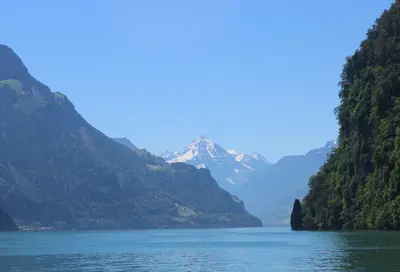
    Switzerland packs 4,000-meter peaks, glaciers, large lakes, and four linguistic cultures into a small area. A tightly scheduled network of trains, PostBuses, boats, and mountain railways takes you car-free to remote valleys and panoramic peaks. Additionally, there are Old Towns like Bern, the Lavaux vineyard terraces on Lake Geneva, and the Italian-influenced Ticino.
    Jungfrau Region

    Highlight 1 of 8

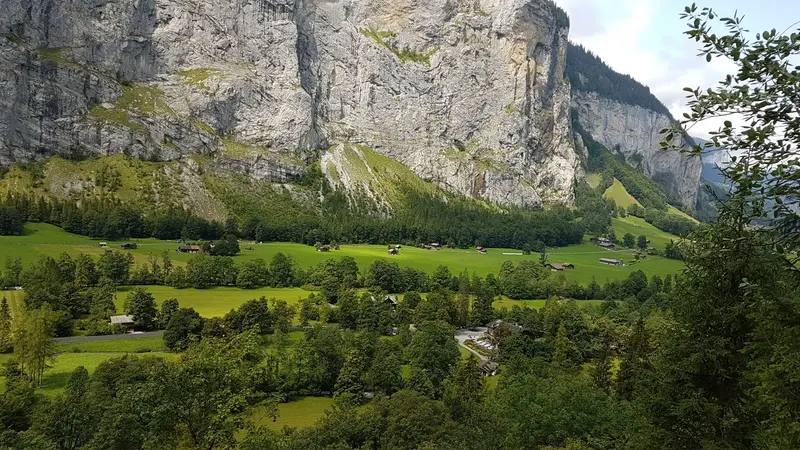
    Jungfrau Region

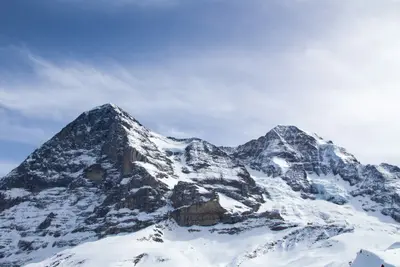
    The Jungfrau Region in the Bernese Oberland lies at the foot of Eiger, Mönch, and Jungfrau, south of Interlaken.

    Discover
    Zermatt

    Highlight 2 of 8

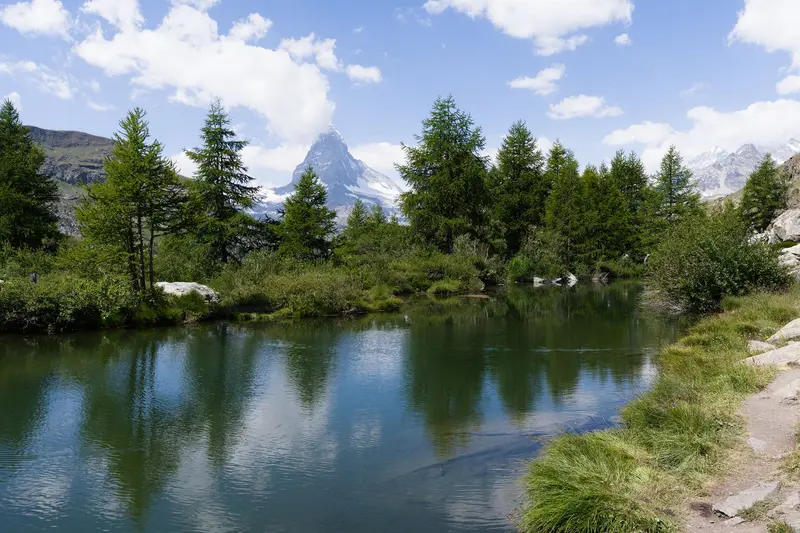
    Zermatt

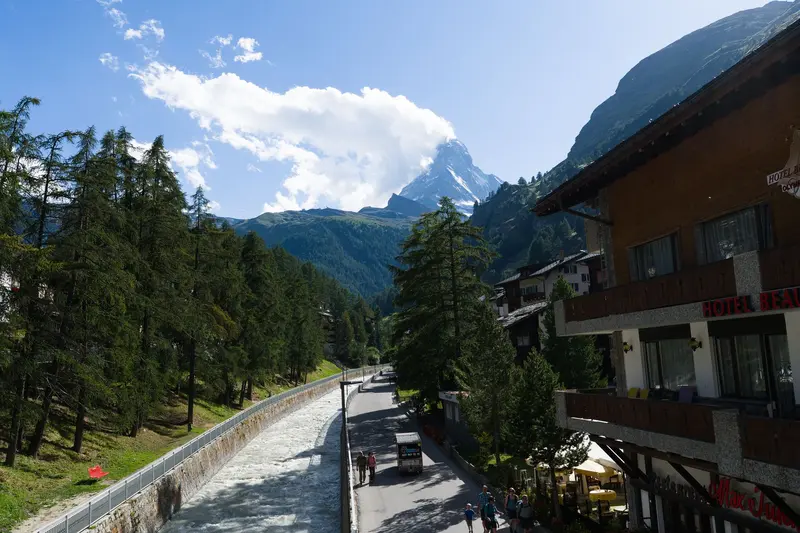
    Zermatt is located in Valais at the end of the Matter Valley, directly beneath the 4478-meter-high Matterhorn.

    Zermatt ist ein autofreies Bergdorf am Ende des Mattertals im Wallis. Autos parkst du im Terminal in Täsch, von dort fährt ein Pendelzug ins Dorf, im Ort selbst sind Elektrobusse, Elektrotaxis und Pferdekutschen unterwegs.

    Discover
    Luzern

    Highlight 3 of 8

    Luzern

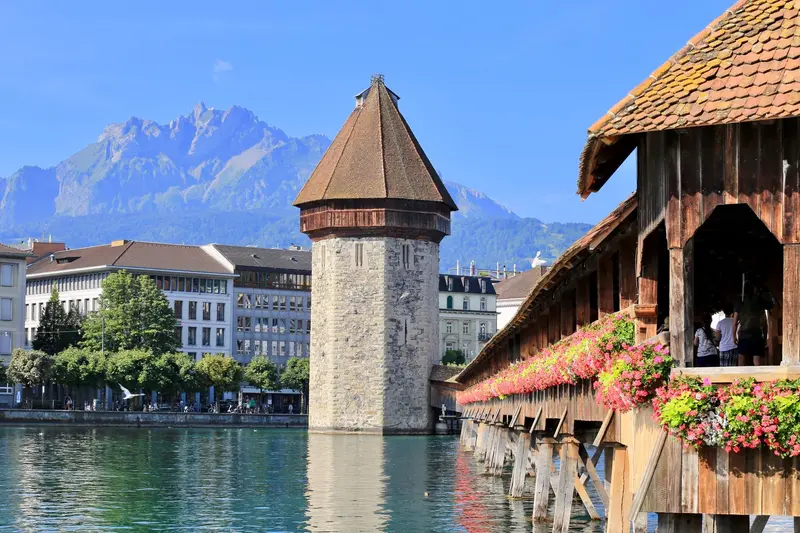
    Lucerne lies in Central Switzerland at the outflow of the Reuss from Lake Lucerne, surrounded by Pilatus, Rigi, and Titlis.

    Lucerne, situated where the Reuss flows out of Lake Lucerne, is the main gateway to Central Switzerland. Old Town, train station, and boat docks are close together; most routes are walkable.

    Discover
    Zurich

    Highlight 4 of 8

    Zurich

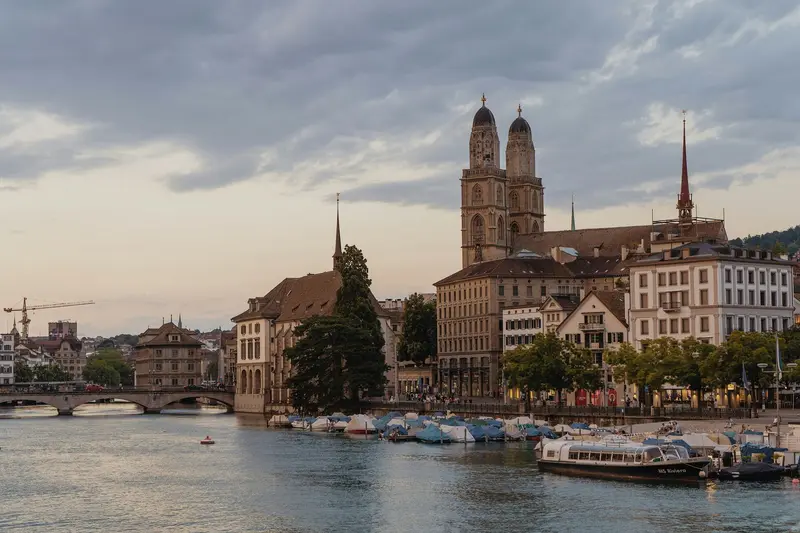
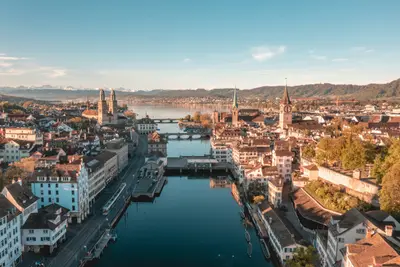
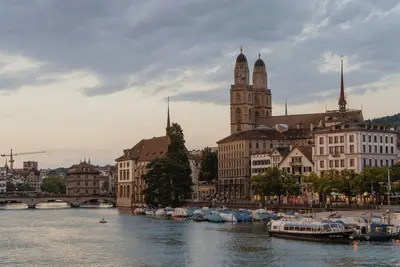
    Zürich, Switzerland's largest city, lies at the northern end of Lake Zurich, where the Limmat flows from the lake.

    With around 434,000 inhabitants, Zurich is Switzerland's largest city, its agglomeration numbering about 1.45 million people. Most attractions are located in and around the Old Town on both sides of the Limmat and can be reached on foot or by short tram rides.

    Discover
    Genf

    Highlight 5 of 8

    Genf

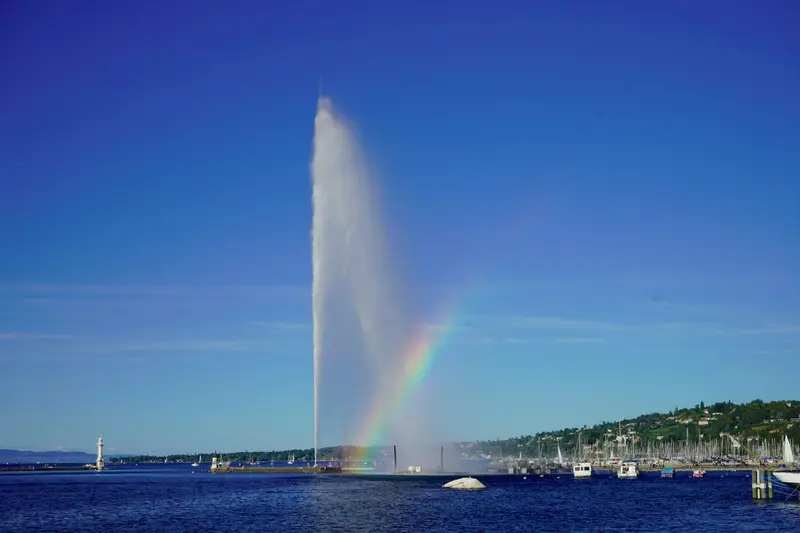
    Geneva lies at the western end of Lake Geneva, where the Rhône leaves the lake, and is Switzerland's international center.

    Geneva is located at the western end of Lake Geneva, where the Rhone leaves the lake, connecting the Old Town, lakeside, and international organizations in a compact area.

    Discover
    Bern

    Highlight 6 of 8

    Bern

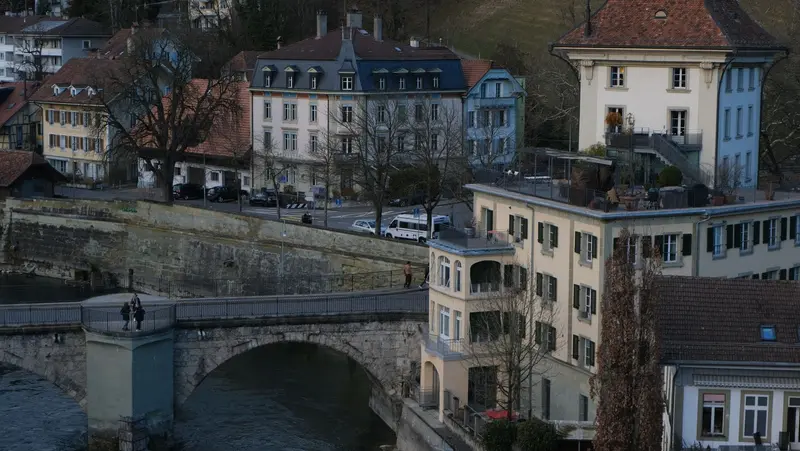
    Bern is the federal city of Switzerland and lies on a peninsula in a loop of the Aare. Its Old Town, with sandstone buildings, fountains, and around six kilometres of arcades, has been a UNESCO World Heritage site since 1983.

    Bern is Switzerland's federal city, yet it feels manageable: The Old Town lies compactly on a peninsula, which the Aare river encircles in a loop. From the station, it's a ten-minute walk to the Bundeshaus; buses go to the Zytglogge stop.

    Discover
    Lugano

    Highlight 7 of 8

    Lugano

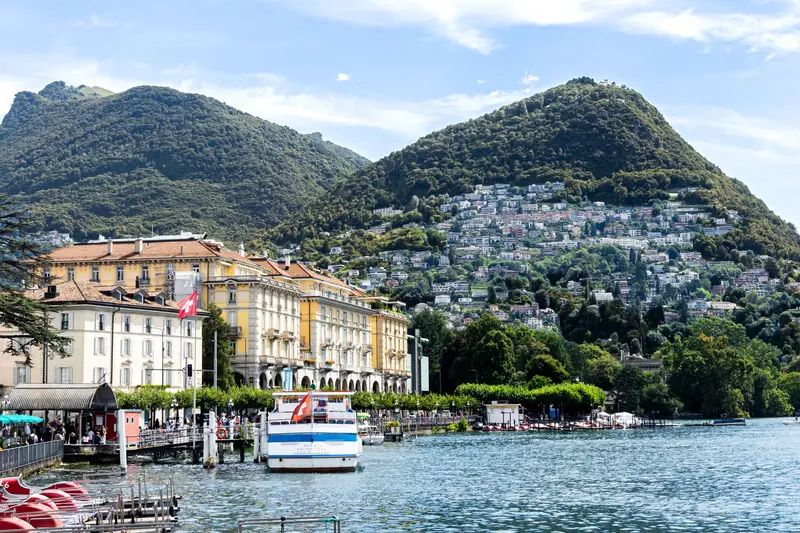
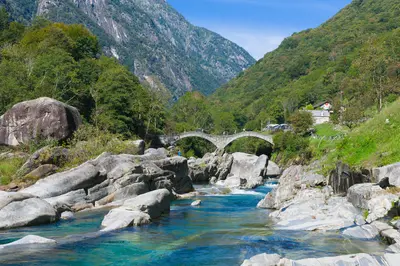
    Lugano is located in Ticino on Lake Lugano near the Italian border, framed by its local mountains Monte Brè and Monte San Salvatore. Italian language, lakeside promenades with palm trees, and panoramic mountains directly above the city define the stay.

    Lugano, nestled on Lake Lugano between its local mountains Monte Brè and Monte San Salvatore, is Ticino's most populous city. Explore the center, nestled between the lake promenade, Via Nassa, and San Lorenzo Cathedral, on foot; buses serve the districts and surrounding villages.

    Discover
    St. Moritz and Oberengadin

    Highlight 8 of 8

    St. Moritz and Oberengadin

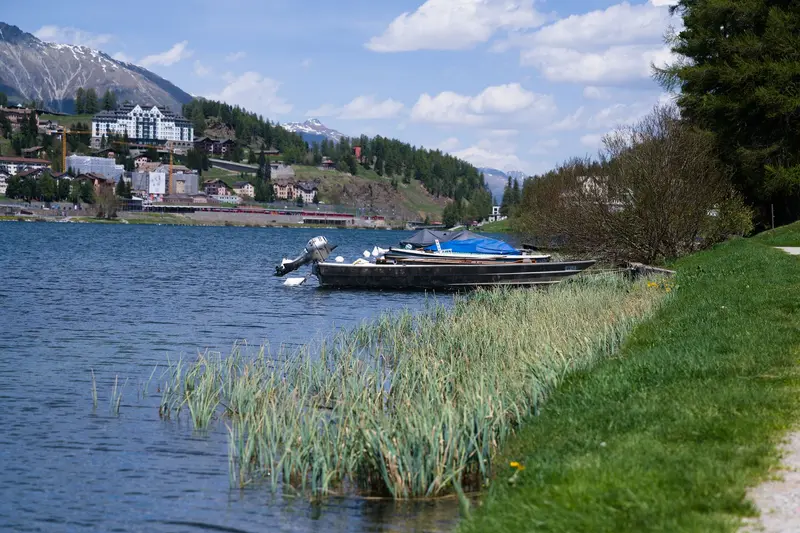
    St. Moritz is located in Graubünden in the Upper Engadin, a wide high valley with a chain of lakes.

    St. Moritz lies at approximately 1822 meters above Lake St. Moritz in the Upper Engadine and comprises the higher-situated St. Moritz-Dorf and St. Moritz-Bad by the lake.

    Discover

    More highlights in Schweiz

    Unique experiences that make Schweiz unforgettable.
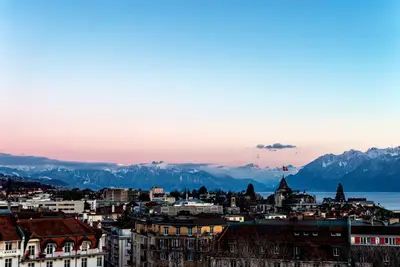
    Lavaux

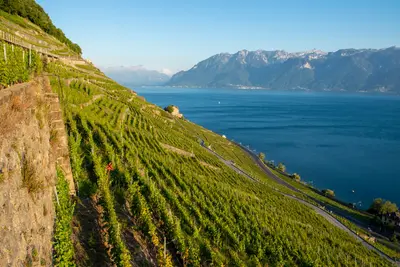
    Lavaux

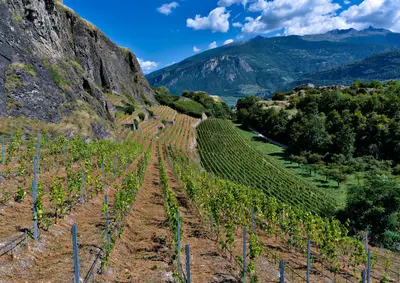
    Lavaux is a landscape of steep vineyard terraces on the northern shore of Lake Geneva between Lausanne and Vevey. Since 2007, it has been a UNESCO World Heritage site, and with around 800 hectares of vines, it is Switzerland's largest contiguous wine region. The terraces were created from the 11th and 12th centuries onwards under the influence of the Bishops of Lausanne and the Cistercians; the most important grape variety is Chasselas. The best way to explore the area is on foot: From the train stations of Lutry, Cully, Grandvaux, and Chexbres, paths lead through the vines and wine villages; a longer path runs from Lausanne-Ouchy…
    Aletsch Glacier

    Aletsch Glacier

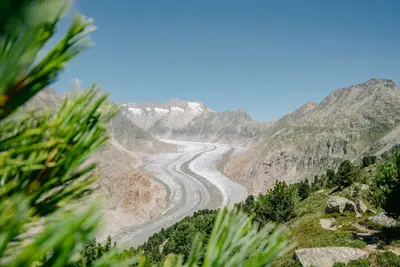
    At 23 kilometres, the Great Aletsch Glacier in Oberwallis is the longest glacier in the Alps and has been part of the UNESCO World Heritage Swiss Alps Jungfrau-Aletsch since 2001. From the panoramic peaks above the car-free villages of the Aletsch Arena, you can look down on the mighty ice stream, which sweeps in a wide arc from the Jungfrau region into the valley. The three most important viewpoints are the Eggishorn at 2869 metres, accessible by cable cars from Fiesch via Fiescheralp, the Bettmerhorn at 2872 metres above Bettmeralp, and the Moosfluh at 2333 metres above Riederalp. To reach Bettmeralp and Riederalp, you travel by…
    Basel

    Basel

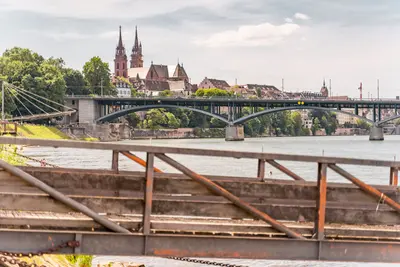
    Basel is located in the northwest of Switzerland at the Rhine knee, directly on the border with Germany and France, and is considered the country's art and culture capital. A well-preserved Old Town above the Rhine, world-class museums, and life by the river make the city a distinctive travel destination. Above the Old Town with its more than 200 fountains stands the red Minster; from the Pfalz behind it, you look out over the Rhine. On Marktplatz, the vibrant red Town Hall catches the eye. The Kunstmuseum Basel displays art from around 700 years, the Museum Tinguely features the machine sculptures of Jean Tinguely, and the…
    Rheinfall

    Rheinfall

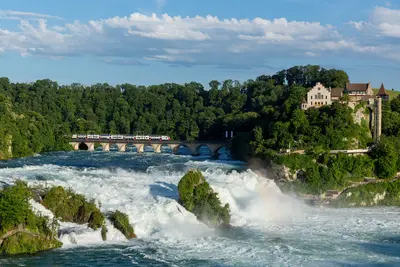
    The Rhine Falls near Schaffhausen in northern Switzerland is considered, by volume of water, Europe's largest waterfall. Over a width of around 150 meters, the Rhine plunges 23 meters into the depths. From Zurich, you can reach it by S-Bahn. The right bank belongs to Neuhausen am Rheinfall, Canton Schaffhausen; the left, with Laufen Castle, to Canton Zurich. From the castle, a panoramic path leads to platforms Belvedere, Känzeli, and Fischetz directly over the water, with a panoramic lift for return. Boats run from the north bank into the basin and to the middle rock. The Rhine Falls itself is freely accessible year-round; Laufen…

    How to plan your trip to Schweiz

    From the guide to the road: here is what comes next.

    1. 1
      1234

      Round trip

      12 days · 4 stops

      Saved

      Pick a route

      Pick a ready-made one or save places and plan your own.

      Browse routes
    2. 2

      Trip to Schweiz

      Live
      • 1Jungfrau Region3 days
      • 2Zermatt4 days
      • 3Luzern5 days
      Budget

      Plan your trip

      The planner sorts stops, days and budget. Plan together in real time.

      Go to My Trips
    3. 3
      9:41 No signal
      Available offline

      Use it on the road

      Download the guide to your phone and use it on site, even offline.

    Regions to Discover

    Explore the diverse regions of Schweiz.
    Basel Region

    Basel Region

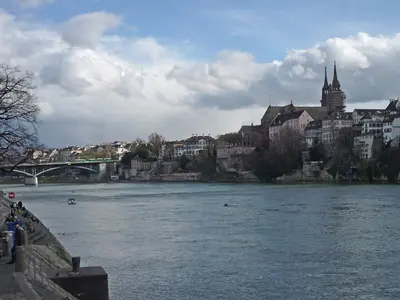
    The Basel region is located in northwestern Switzerland at the Rhine Knee, where Switzerland borders Germany and France. Its heart is the city of Basel, with its Old Town on the Rhine and one of the country's densest museum landscapes.The region also includes suburbs like Riehen, home to the Fondation Beyeler. Thanks to its location in the tri-border area, you can quickly reach Alsace and the Black Forest from here. By train, you're in Zurich in about an hour.
    Bern Region

    Bern Region

    The Bern region stretches from the federal city on the Aare to the high mountains of the Bernese Oberland. To the north lies Bern with its Old Town, a UNESCO World Heritage site since 1983, while to the south stand Eiger, Mönch, and Jungfrau.Between them lie Lake Thun and Lake Brienz, along with Interlaken, the starting point for Grindelwald, Lauterbrunnen, and the Jungfraujoch.
    Valais

    Valais

    Valais in southwestern Switzerland follows the Rhone Valley and is home to most of the country's four-thousand-meter peaks, including the Matterhorn and Dufourspitze, Switzerland's highest peak. The canton is bilingual: German is spoken in Upper Valais, French in Lower Valais.Valais is also Switzerland's largest wine-growing canton and home to Raclette. Its most famous place is car-free Zermatt.
    Ticino

    Ticino

    Ticino, south of the Gotthard, is Switzerland's Italian-speaking canton. Here lie Lugano on Lake Lugano and Locarno on Lake Maggiore; Switzerland shares both lakes with Italy.Palm trees along the lakeside promenades, stone villages in the valleys, and panoramic mountains like Monte San Salvatore define the region. You can reach it from Zurich by train through the Gotthard.
    Lake Geneva Area

    Lake Geneva Area

    Lake Geneva is the center of French-speaking Switzerland. At the western end of the lake is Geneva, with the Jet d'Eau and the European headquarters of the United Nations, while on the north shore, the Lavaux vineyard terraces stretch between Lausanne and Vevey.The region combines city, wine, and lake shores with views of the Alps. Boats, lakeside paths, and railway lines along the lake make it easily explorable without a car.
    Graubünden

    Graubünden

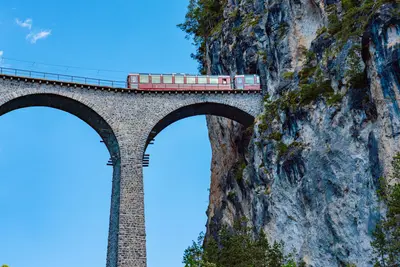
    Graubünden, in eastern Switzerland, is the largest canton by area and the only one with three official languages: German, Romansh, and Italian. It is known for the Engadin valley with St. Moritz and the Rhaetian Railway lines over Albula and Bernina, which have been a UNESCO World Heritage site since 2008.High valleys, lakes, and passes make Graubünden a region perfect for scenic rail journeys, summer hiking, and winter sports.
    Zurich Region

    Zurich Region

    The Zurich Region in northern Switzerland stretches from Lake Zurich to the High Rhine. It is home to the country's largest city, featuring its most important airport and largest train station, as well as the Rhine Falls, whose left bank belongs to the Canton of Zurich.For many travelers, Switzerland begins here: From Zurich, you can reach Lucerne, Bern, and the Alps quickly by train.
    Central Switzerland

    Central Switzerland

    Central Switzerland around Lake Lucerne is the historic heartland of the Swiss Confederation: Here, Uri, Schwyz, and Unterwalden united in 1291, and the Rütli Meadow lies above Lake Uri. The main town for travelers is Lucerne, with its Old Town on the Reuss River.Around the lake rise panoramic mountains like Pilatus, Rigi, and Titlis, which you reach by cogwheel and cable cars. Boats connect the towns along the shore.

    Recommended Itineraries

    Discover the best routes through Schweiz.
    Grand Rail Tour: Lakes, Passes, and Glaciers

    This round trip connects Switzerland's most famous destinations almost exclusively by train, bus, and boat. From Zurich, it's to Lake Lucerne and Lucerne, and through the Gotthard to Italian-speaking Lugano. With the Bernina Express Bus, you travel over Lake Como to Tirano, and from there on the Bernina Express over the Berninapass to Upper Engadine and St. Moritz. The Glacier Express takes you in approximately eight hours over 291 bridges and through 91 tunnels to Zermatt, beneath the Matterhorn. Via Valais, you reach the Bernese Oberland with Jungfraujoch and Lauterbrunnen Valley, before the journey ends in the federal city of Bern.

    14 Days
    Stops at a glance
    1. 1.Zurich
    2. 2.Luzern
    3. 3.Lugano
    4. 4.St. Moritz and Oberengadin
    5. 5.Zermatt
    6. 6.Jungfrau Region
    7. 7.Bern
    View Route Details →

    What you eat in Schweiz

    Fondue Moitié-Moitié

    Fondue Moitié-Moitié

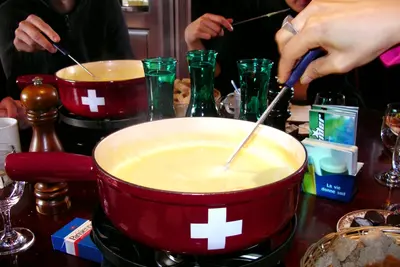
    Gruyère AOP and Vacherin Fribourgeois AOP, half and half, melted with white wine and garlic in a caquelon. Dip bread cubes into it, or in Fribourg Canton, also boiled potatoes.
    Raclette

    Raclette

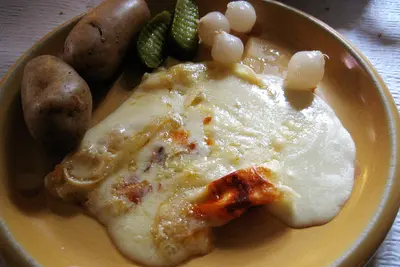
    In Valais, cheese is melted over a fire since the 16th century. Valais Raclette AOP from raw milk is scraped from the wheel at the table and eaten with potatoes, gherkins, and silver onions.
    Rösti

    Rösti

    Originally a farmer's breakfast, today a side dish or main course. It varies greatly regionally; in Valais, for instance, baked with tomatoes and raclette cheese.
    Älplermagronen

    Älplermagronen

    Makkaroni mit Käse, oft mit Kartoffeln und gerösteten Zwiebeln. Traditionell gehört Apfelmus dazu, was viele Gäste zunächst überrascht.
    Zürich Sliced Veal

    Zürich Sliced Veal

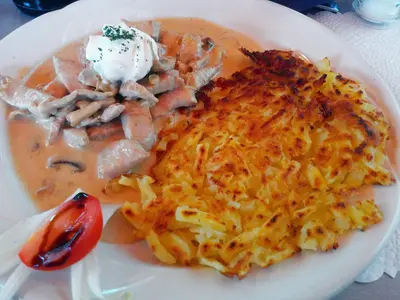
    Finely sliced veal with mushrooms, onions, white wine, and cream. Traditionally, it is served with Rösti.
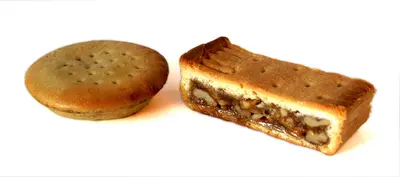
    Graubünden Nut Cake

    Graubünden Nut Cake

    Shortcrust pastry with a filling of walnuts, caramel, and cream. The modern filled variant originated in the 1920s and keeps well when packaged, making it a popular souvenir.

    Good to Know

    Essential info for your trip planning.

    Land & People

    Switzerland is a country of regions. Anyone traveling from Zurich to Lausanne or over the Gotthard to Ticino changes…

    History & Society

    Today's Switzerland is the result of centuries of small valleys and cities growing together.

    Food & Drink

    Die Schweizer Küche ist so regional wie das Land: In der Romandie isst du anders als in der Deutschschweiz, im Tessin…

    Practical Info

    Entry and Money Documents: Switzerland is part of the Schengen Area but not a member of the EU.

    Getting Around

    Switzerland boasts a dense, well-coordinated network of trains, buses, boats, and mountain railways that extends into…

    RV Travel

    Where to Stay Overnight There is no nationwide rule for RV overnight stays outside of campsites.

    Traveling with Kids

    Switzerland is well-suited for families: short distances between lakes and mountains, a reliable public transport…

    Best Time to Visit

    When is the best time for your trip?

    June
    July
    August
    September
    15–20°C·79–116 mm(heavy rain)
    For hiking, mountain railways, and pass drives, June to September are best: High Alpine passes are usually snow-free only from about mid-June, and July generally offers the most hours of sunshine. For winter sports, December to March are suitable.
    Monthly values are sourced from MeteoSchweiz (standard period 1991-2020) for Zurich, representing the Central Plateau. It's significantly cooler in the mountains, where the weather can change very quickly. In the Central Plateau, most precipitation occurs from May to August, primarily as showers and thunderstorms.

    Seasons

    Jan
    Feb
    Mar
    Apr
    May
    Jun
    Jul
    Aug
    Sep
    Oct
    Nov
    Dec
    High Season Summer
    Winter sport time
    Off-season
    Inter-season
    Best Time to Visit
    ▶Show detailed monthly data
    MonthTemp (°C)Rain (mm)Sun (h)
    January1.0631.6
    February2.0552.9
    March6.0654.5
    April9.5735.9
    May13.51156.3
    June17.51127.2
    July19.51167.6
    August19.01097.1
    September15.0795.3
    October10.0803.1
    November5.0741.7
    December1.5801.3

    Travel advice

    Safety, entry requirements and health: the official, up-to-date advice for Schweiz is published by the UK government on GOV.UK.

    Go to GOV.UK
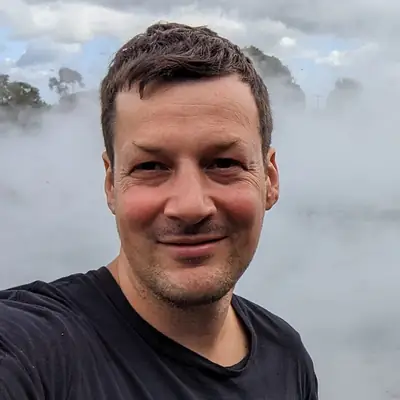
    Felix at Kuirau Park in Rotorua, New Zealand

    Who's behind Fernweh?

    Hi, I'm Felix.

    I love to travel, and I love planning even more. Fernweh.guide is my attempt at building a really good online travel guide.

    About Fernweh

    All places in Schweiz

    • Aletsch Glacier
    • Basel
    • Basel Region
    • Bern
    • Bern Region
    • Carouge
    • Central Switzerland
    • Gandria
    • Genf
    • Graubünden
    • Jungfrau Region
    • Lake Geneva Area
    • Lavaux
    • Lugano
    • Luzern
    • Matte
    • Old Town Bern
    • Old Town Lucerne
    • Pâquis
    • Rheinfall
    • Seefeld
    • St. Moritz and Oberengadin
    • The Old Town
    • Ticino
    • Valais
    • Zermatt
    • Zurich
    • Zurich Oldtown
    • Zurich Region
    • Zurich West

    More about Schweiz

    • Best Time to Visit Schweiz
    • Schweiz with Kids
    • Schweiz by RV