ExploreTravel GuidesPlan a trip
    de|en
    All Places & RegionsAbout FernwehFAQPrivacy PolicyImprint
    ExploreTravel GuidesPlan a trip
    • Neighborhoods & highlights
    • Eat & drink
    • Food culture
    • Culture
    • Nightlife
    • Getting around
    • Accommodation
    • Plan trip
    • Nearby
    St. Moritz and Oberengadin

    Switzerland

    St. Moritz and Oberengadin

    City

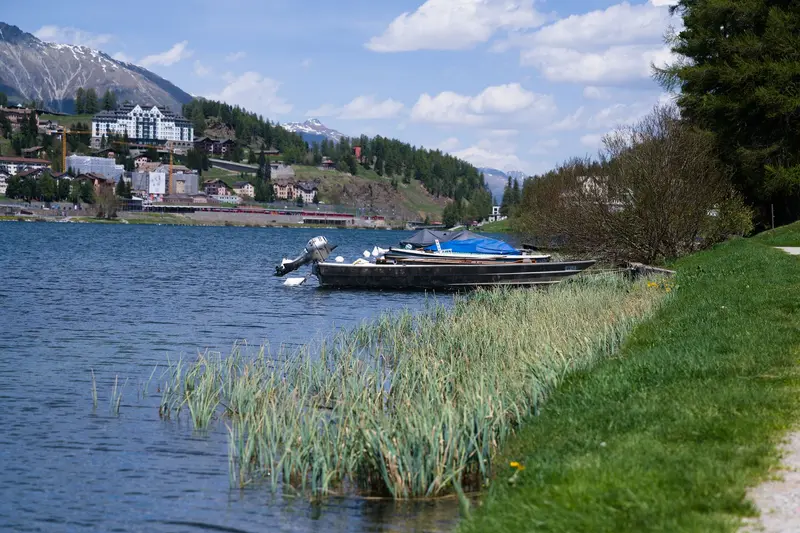
    St. Moritz is located in Graubünden in the Upper Engadin, a wide high valley with a chain of lakes.

    1. Home
    2. Destinations
    3. Switzerland
    4. Graubünden
    5. St. Moritz and Oberengadin
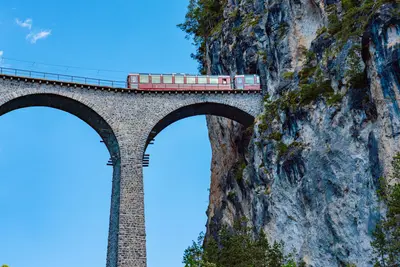
    St. Moritz is located in Graubünden in the Upper Engadin, a wide high valley with a chain of lakes. The town hosted the Winter Olympic Games in 1928 and 1948 and is a hub for the Rhaetian Railway, whose Albula and Bernina Lines are a UNESCO World Heritage site.The Albula Line from Thusis to St. Moritz was opened between 1903 and 1904, and the Bernina Line to Tirano in Italy in 1910. Together, these approximately 122 kilometres have formed the Rhaetian Railway World Heritage site in the Albula and Bernina Landscapes since 2008. At Berninapass, the railway reaches 2253 metres, and from the Bernina Diavolezza stop, a cable car ascends towards Piz Bernina, the highest mountain in the Eastern Alps. At Lago Bianco near Ospizio Bernina, there are short hiking trails. The Glacier Express from Zermatt also terminates in St. Moritz.
    St. Moritz lies at approximately 1822 meters above Lake St. Moritz in the Upper Engadine and comprises the higher-situated St. Moritz-Dorf and St. Moritz-Bad by the lake. The town is a hub for the Rhaetian Railway: Via the Albula Line, you travel towards Chur, via the Bernina Line to Tirano, or with the Glacier Express to Zermatt. On the outskirts of town is the Segantini Museum, and towards Celerina, the Olympic Bob Run. In winter, St. Moritz is a winter sports resort; in summer, it's a starting point for hikes along the Upper Engadine Lakes and on the Bernina Pass.

    Sights in St. Moritz and Oberengadin

    Discover the most important sights and attractions

    Segantini Museum
    Museum

    1Segantini Museum

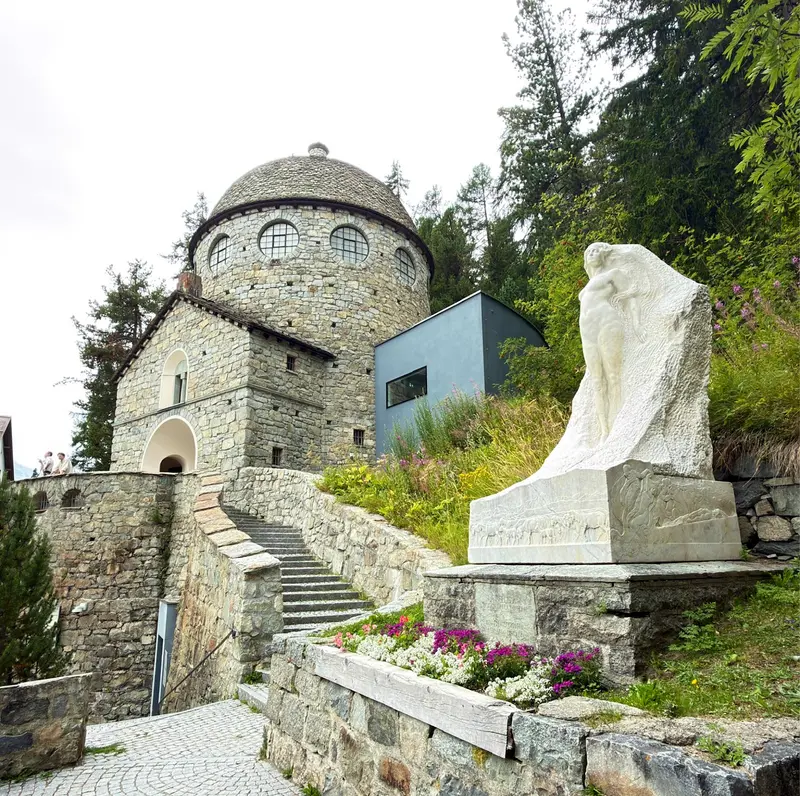
    The 1908 dome building above Lake St. Moritz is dedicated to Alpine painter Giovanni Segantini, who spent his last years in Engadin. Its centerpiece is the grand Alpine triptych "Life – Nature – Death"; the museum displays about 55 of his works.
    Open in Google Maps
    Olympia Bob Run St. Moritz–Celerina
    Attraction

    2Olympia Bob Run St. Moritz–Celerina

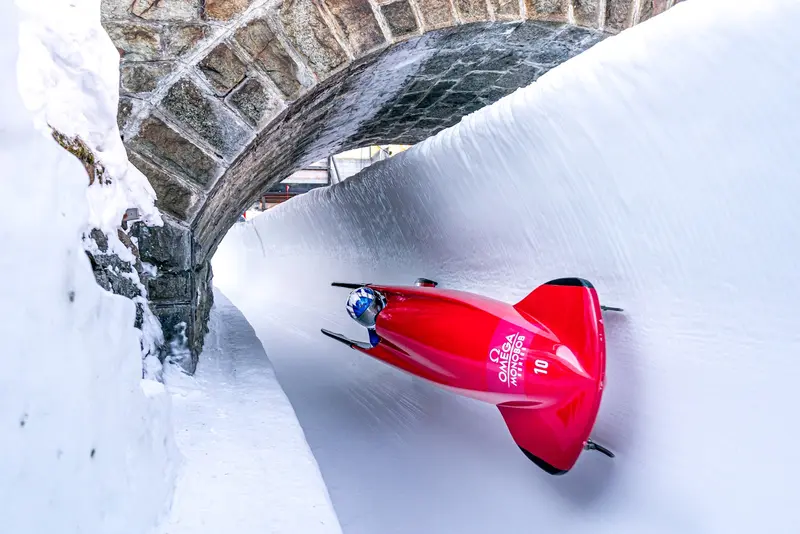
    The ~1722m natural ice bobsled track, hand-built anew each winter, has operated since 1904. It's hosted two Winter Olympics and many World Championships. In winter, guests can even ride in a bobsled.
    Open in Google Maps

    Restaurants in St. Moritz and Oberengadin

    1

    La Scarpetta

    Italian Bistro on Via Veglia in St. Moritz-Dorf.
    Show on Google Maps
    2

    Pizzeria Ristorante Riccardo's

    Pizzeria and Italian restaurant on Via dal Bagn in St. Moritz-Bad by the lake, also for takeaway.
    Show on Google Maps
    3

    Top of the Food

    Italian restaurant with an attached delicatessen on Via Stredas in the center of St. Moritz-Dorf.
    Show on Google Maps

    Food & Drink in Upper Engadine

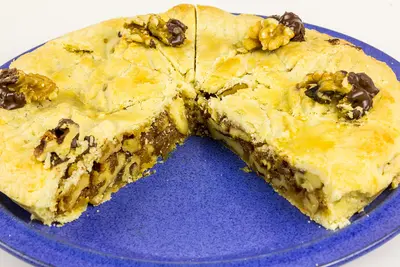
    Engadiner Nusstorte

    Engadiner Nusstorte

    Shortcrust pastry with a filling of caramelized walnuts, the most famous sweet souvenir from Graubünden.
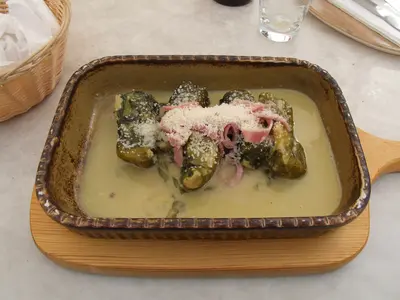
    Capuns

    Capuns

    Chard leaves, filled with Spätzle dough and dried meat, cooked in milk and broth, and gratinéed with cheese.
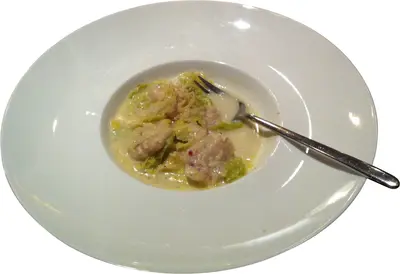
    Pizokel

    Pizokel

    Thick Bündner pasta, often prepared with cabbage, bacon, and cheese in a pan.

    Culture in St. Moritz

    St. Moritz, the cradle of winter tourism, has developed unique traditions.White TurfSince 1907, horse races are held on the frozen Lake St. Moritz on three February weekends. A highlight is Skikjöring, a discipline invented by British winter guests in St. Moritz in 1906, where skiers are pulled by galloping horses.Segantini and the EngadinPainter Giovanni Segantini spent his final years in the Engadin; his Alpine triptych is displayed in the Segantini Museum. Around St. Moritz, massive Engadin houses with Sgraffito decorations shape the villages, and in daily life, Romansh is heard alongside German and Italian.

    Nightlife

    1

    Pavarotti Wine Bar

    Wine bar with Italian cuisine on Plazza dal Mulin in St. Moritz-Dorf. The menu focuses on Italian wines, along with small dishes and pasta.
    Show on Google Maps
    2

    N/5 – The Bar

    Hotel bar at Grace La Margna by the station, overlooking Lake St. Moritz. A quiet spot for an evening drink, even if you're not staying at the hotel.
    Show on Google Maps

    On the move in St. Moritz

    St. Moritz is on the Rhaetian Railway: the Albula Line connects it to Chur, the Bernina Line to Tirano in Italy. The Glacier Express from Zermatt also ends here. The Albula and Bernina lines are UNESCO World Heritage sites.Buses connect St. Moritz-Dorf, St. Moritz-Bad, and neighbouring Upper Engadine villages. Village-lake paths are easily walkable, as is the Segantini Museum on the outskirts.

    Accommodations in St. Moritz and Oberengadin

    Find perfect stay in St. Moritz and Oberengadin

    Booking.com* (Affiliate link)
    Search Hotels
    Agoda* (Affiliate link)
    Search Hotels
    Airbnb
    Vacation Rentals

    * Affiliate link: if you book through it, we earn a small commission. The price stays the same for you.

    Campgrounds in St. Moritz and Oberengadin

    Find perfect campground in St. Moritz and Oberengadin

    Search via Google Maps
    Campgrounds nearby (15km)
    Camping.info
    Find Campgrounds
    Park4Night
    RV Parks & Camping

    Plan your trip to St. Moritz and Oberengadin

    Save places, build a route and plan your city trip, all in one place.

    1. 1
      1234

      Round trip

      12 days · 4 stops

      Saved

      Pick a route

      Pick a ready-made one or save places and plan your own.

      Open bookmarks
    2. 2

      Trip to St. Moritz and Oberengadin

      Live
      • 1Segantini Museum3 days
      • 2Olympia Bob Run St. Moritz–Celerina4 days
      Budget

      Plan your trip

      The planner sorts stops, days and budget. Plan together in real time.

      Start trip planning
    3. 3
      9:41 No signal
      Available offline

      Use it on the road

      Download the guide to your phone and use it on site, even offline.

    Nearby

    Graubünden

    Graubünden

    Graubünden, in eastern Switzerland, is the largest canton by area and the only one with three official languages: German, Romansh, and Italian. It is known for the Engadin valley with St. Moritz and the Rhaetian Railway lines over Albula and Bernina, which have been a UNESCO World Heritage site since 2008.High valleys, lakes, and passes make Graubünden a region perfect for scenic rail journeys, summer hiking, and winter sports.
    Bellagio

    Bellagio

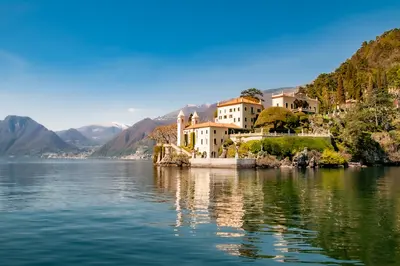
    Bellagio is located at the tip of the peninsula, where Lake Como divides into the arms of Como and Lecco. Staircase alleys lead from the shore up to the small old town; south and above the village lie the parks of Villas Melzi and Serbelloni.
    Lake Como

    Lake Como

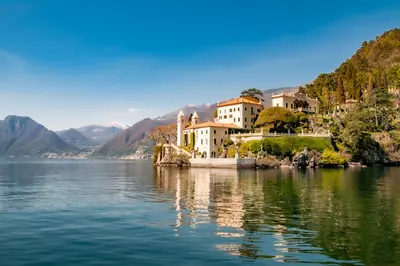
    Lake Como, shaped like an inverted Y, is one of the most striking pre-Alpine lakes and, at over 400 metres, one of Europe's deepest. Steep, wooded shores, terraced-garden villas and villages like Bellagio, Varenna, Tremezzo set the scene.
    Ticino

    Ticino

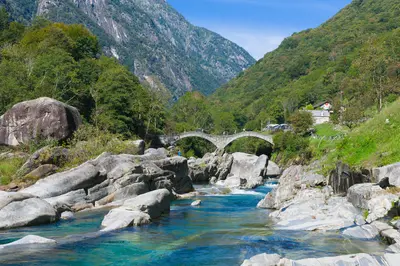
    Ticino, south of the Gotthard, is Switzerland's Italian-speaking canton. Here lie Lugano on Lake Lugano and Locarno on Lake Maggiore; Switzerland shares both lakes with Italy.Palm trees along the lakeside promenades, stone villages in the valleys, and panoramic mountains like Monte San Salvatore define the region. You can reach it from Zurich by train through the Gotthard.
    Gandria

    Gandria

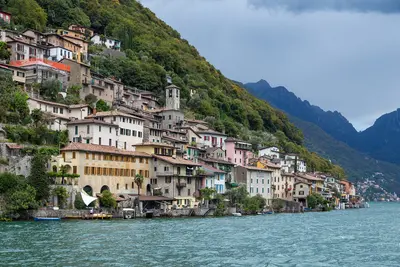
    The former fishing village clings to Monte Brè's slope directly above Lake Lugano, now part of Lugano. Stairs and narrow alleyways connect the houses; lakeside restaurants line the water. Reach Gandria by ferry or on foot via the Olive Trail.