Fernweh
    ExploreTravel GuidesMy Trips
    de|en
    About FernwehImprintFAQPrivacy Policy
    ExploreTravel GuidesMy Trips
    Briançon

    Briançon

    CityMountainsCultureNatureFor Families
    1. Home
    2. Destinations
    3. France
    4. Provence
    5. Briançon
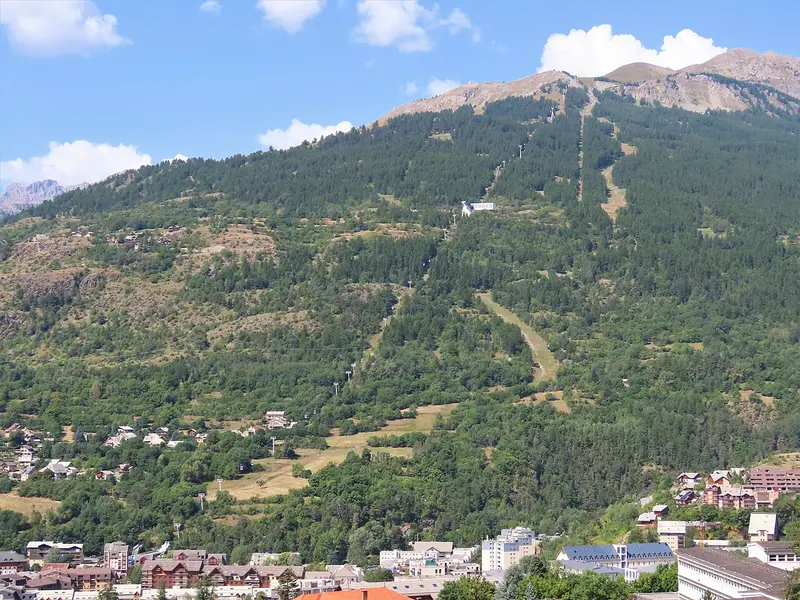
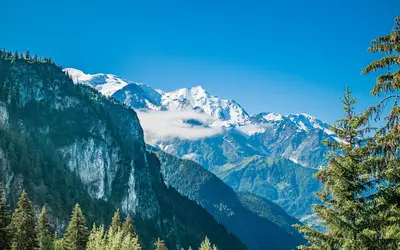
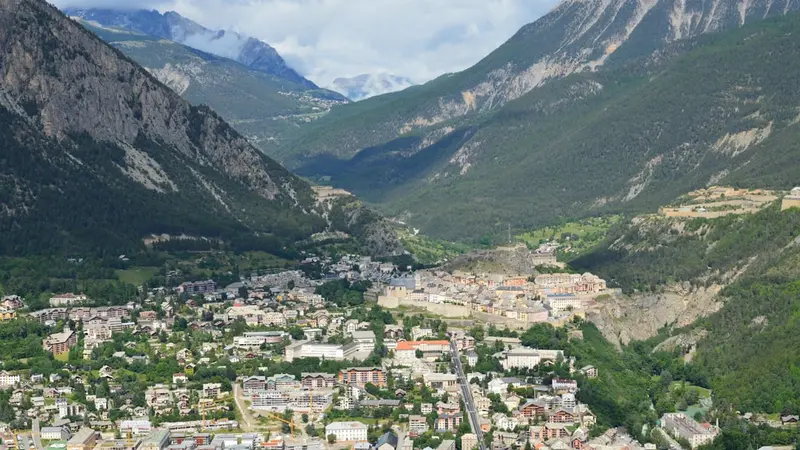
    Briançon, France's highest city, welcomes you with a fascinating blend of alpine beauty and impressive history. The citadel, designed by Vauban and declared a UNESCO World Heritage site, majestically overlooks the valley and invites you to stroll through its winding streets and enjoy the breathtaking mountain scenery of the Hautes-Alpes. Whether you're a history buff or an outdoor enthusiast, Briançon will enchant you with its unique charm.
    • Neighborhoods & highlights
    • Walking tours
    • Eat & drink
    • Culture
    • Getting around
    • Accommodation
    • Plan trip
    • Nearby
    • Neighborhoods & highlights
    • Walking tours
    • Eat & drink
    • Culture
    • Getting around
    • Accommodation
    • Plan trip
    • Nearby

    Overview

    Briançon, France's highest city, impresses with its historic fortress architecture and alpine surroundings. The upper town, the Cité Vauban, designed by Vauban and declared a UNESCO World Heritage site, forms the historic center. There you explore winding alleys, lined by imposing fortification walls and gates such as the Porte de Pignerol. The Collégiale Notre-Dame-et-Saint-Nicolas is a prominent landmark within the fortress complex that you shouldn't miss. This strategic location once offered protection and now provides sweeping views of the surrounding peaks of the Hautes-Alpes. A walk along the accessible city walls offers an excellent perspective of the valley and the new town below. To experience the historic atmosphere undisturbed, a visit outside the high season in July and August is recommended.

    Places in Briançon

    Discover the most important sights and attractions

    Sights in Briançon

    1Cité Vauban (Vieux Briançon)

    The Cité Vauban, also known as Vieux Briançon, is an outstanding example of 17th and 18th-century military architecture. Since 2008, this impressive fortress, designed by Sébastien Le Prestre de Vauban, the famous military architect of Louis XIV, has been a UNESCO World Heritage Site. Its strategic location on a rocky spur high above the Durance Valley made Briançon a key point in the French Alps. As you explore the old town, you'll discover narrow, cobbled streets, historic buildings with colorful facades, and picturesque squares. The mighty city walls and fortifications, including the Porte de Pignerol and the Collégiale Notre-Dame-et-Saint-Nicolas, bear witness to the site's military significance. From the upper sections of the city wall, you also enjoy spectacular views of the surrounding mountains and the valley. Our tip: It's best to visit the Cité Vauban in the early morning or late afternoon to avoid the largest crowds and capture the special light for photos. For a comprehensive exploration of the fortifications and the old town, you should wear comfortable footwear, as the paths are often steep and uneven.

    Open in Google Maps

    2Collégiale Notre-Dame-et-Saint-Nicolas

    The Collégiale Notre-Dame-et-Saint-Nicolas in Briançon is an outstanding example of Baroque sacred architecture that seamlessly integrates into the city's fortifications. Built between 1703 and 1726, after a fire destroyed the previous church, it testifies to Briançon's resilience. Here you'll find an impressive church whose robust exterior reflects the city's military significance, while the interior offers an atmosphere of peace and contemplation. The Collegiate Church was built under the aegis of Vauban and is thus part of the UNESCO World Heritage Site of the fortifications. Its two striking bell towers define the silhouette of the Ville Haute. Inside, you'll discover several altars and religious artworks that reflect the region's history and faith. Our Tip: The best time to visit the church is early morning or late afternoon to experience the special lighting and avoid the crowds. For an impressive perspective and a great photo, position yourself on the surrounding fortress walls, from where you can capture the church in all its glory against the alpine backdrop.
    Open in Google Maps

    3Pont d'Asfeld

    The Pont d'Asfeld in Briançon is an impressive testament to 18th-century military engineering. This majestic stone bridge, often wrongly attributed to Vauban, was actually built according to his plans by his successor, the Chevalier de Mautauban, between 1721 and 1730 and is named after Marshal Claude François Bidal d'Asfeld. It spans the deep gorge of the Durance and connects the fortified city with the strategically important Fort des Trois Têtes on the opposite side. You will admire its daring construction with its single, elegant arch, which rises over 56 meters high above the river. The bridge is an integral part of Briançon's UNESCO World Heritage site and illustrates Vauban's comprehensive defensive strategy. From here, you'll enjoy spectacular views of the surrounding Alps and the fortifications. Our tip: For the best photos of the bridge itself, it's best to head to the hiking trail that leads to Fort des Trois Têtes. A morning visit often offers the best light to highlight the details of the stonework and capture the vastness of the landscape.
    Open in Google Maps

    4Gondelbahn Prorel

    The Prorel gondola lift provides an essential connection between the historic city of Briançon and the extensive ski resort of Serre Chevalier. Since its inauguration, it has enabled quick and comfortable access to the alpine altitudes, making it a central element of the local infrastructure. During the ride, you enjoy an impressive panoramic view over the UNESCO World Heritage fortified city of Briançon and the majestic peaks of the Hautes-Alpes. In summer, the mountain station serves as an ideal starting point for hikes, mountain bike tours, and paragliding, while in winter, it offers direct access to the ski resort's slopes. For the clearest view of the surroundings, a morning ride is recommended. To avoid the largest crowds, use the lift outside of peak hours or early in the morning. From the mountain station, there are excellent photo opportunities of the fortifications and the Durance Valley.
    Open in Google Maps

    5Fort des Salettes

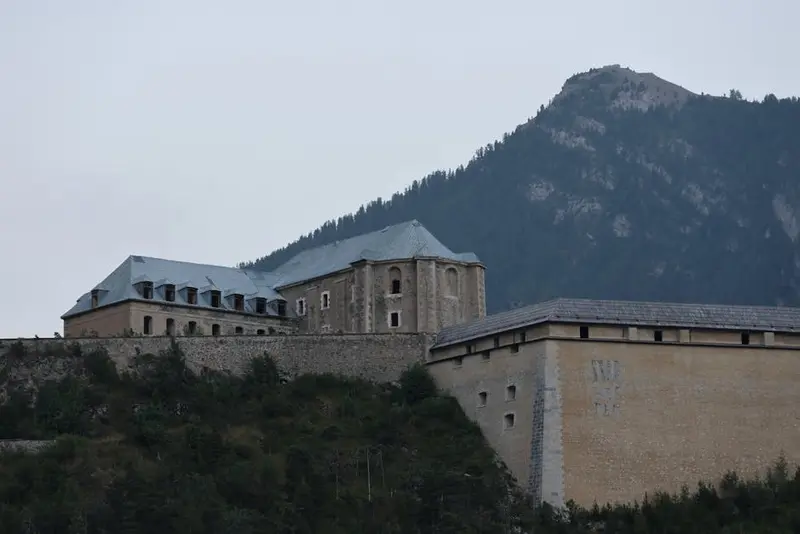
    The Fort des Salettes is an integral part of the impressive Vauban fortifications around Briançon, which are a UNESCO World Heritage site. It was built in the 18th century to secure the strategically important Durance Gorge and the approaches to the city. As part of Briançon's defense system, it reflects the military engineering of its time, based on the principles of the famous fortress builder Sébastien Le Prestre de Vauban. Here you will find a well-preserved mountain fortress, harmoniously integrated into the alpine landscape, offering deep insight into the region's military history. From its walls, you'll enjoy spectacular panoramic views over the Durance Valley and the surrounding peaks of the Hautes-Alpes. The architecture is robust and functional, typical of the era. For the best visit, we recommend the summer months, as the fort is then more accessible and the hiking trails are in good condition. An ideal photo spot for the fortress itself and the surrounding mountain scenery is the opposite slope or the path leading to the fort, especially in the late afternoon when the light softens.
    Open in Google Maps

    6Cité Vauban (Vieux Briançon)

    Die Cité Vauban, auch bekannt als Vieux Briançon, ist ein herausragendes Beispiel militärischer Architektur und gehört zum UNESCO-Weltkulturerbe. Du findest hier eine perfekt erhaltene Festungsstadt, die im 17. und 18. Jahrhundert unter der Leitung des berühmten Militärarchitekten Vauban erbaut wurde, um die französische Grenze zu schützen. Die strategische Lage auf einem Felsvorsprung über dem Durance-Tal machte Briançon zu einem wichtigen Verteidigungspunkt in den Alpen.Beim Erkunden der Cité Vauban spazierst du durch enge, kopfsteingepflasterte Gassen, vorbei an historischen Gebäuden und beeindruckenden Befestigungsanlagen. Die mächtigen Stadtmauern, die Porte de Pignerol und die Porte de Briançon sowie die imposante Stiftskirche Notre-Dame-et-Saint-Nicolas zeugen von der militärischen und religiösen Bedeutung der Stadt. Von den oberen Bastionen genießt du weite Ausblicke auf die umliegenden Berge und das Tal.Unser Tipp: Besuche die Cité am frühen Morgen oder späten Nachmittag, um die besonderen Lichtverhältnisse für Fotos zu nutzen und den größten Touristenandrang zu vermeiden. Ein Spaziergang entlang der oberen Festungsmauern bietet die besten Panoramablicke auf die Stadt und die Alpenlandschaft. Achte auf bequemes Schuhwerk, da die Gassen steil und uneben sein können.
    Open in Google Maps

    City walks in Briançon

    Curated walking tours through the city's highlights — handpicked by experienced travel journalists.

    Briançons Unterstadt: Grünes Leben & Belle Époque Charme

    Entdecken Sie ein anderes Briançon! Dieser Spaziergang führt Sie abseits der historischen Festung durch die lebendige Unterstadt. Erleben Sie das moderne Leben der Bewohner, bewundern Sie die elegante Architektur der Belle Époque, entspannen Sie in grünen Oasen und genießen Sie neue Perspektiven auf die majestätischen Berge und die Durance. Ein kontrastreicher Einblick in das Herz des heutigen Briançon.

    ~1 Std. 40 Min.
    In Google Maps öffnen
    Stopps (7)

    Restaurants & Cafes

    Culture, Art & History of Briançon

    Briançon, once known as Brigantio, boasts a long history stretching back to Roman times. Its strategically important location on an Alpine pass shaped its development over centuries. The most significant era, however, began in the late 17th century under Louis XIV, when the military engineer Sébastien Le Prestre de Vauban was commissioned to extensively fortify the city.These fortifications, which encompass the old town and surrounding heights, are today an outstanding example of military architecture and have been a UNESCO World Heritage site since 2008. The Cité Vauban within the city walls is characterized by its narrow streets, steep ascents, and well-preserved Baroque buildings. Also characteristic are the numerous sundials on the facades, symbolizing the connection to the sun and the mountains.Culturally, Briançon reflects life in the High Alps, shaped by the challenges and beauties of the mountain world. This manifests in a robust regional identity and an appreciation for craftsmanship and traditions, adapted to the way of life in this unique environment.

    Getting around here

    Briançon is best explored on foot, particularly its steep streets and the historic fortifications of the Cité Vauban. For longer journeys within the city and to the surrounding valleys, a local bus network is available. However, your own vehicle offers the greatest flexibility to explore the breathtaking Alpine region.

    Accommodations in Briançon

    Accommodations in Briançon

    Find perfect stay in Briançon

    Booking.com
    Search Hotels
    Agoda
    Search Hotels
    Airbnb
    Vacation Rentals
    Hotels.com
    Hotels Worldwide
    Hostelworld
    Hostels

    Campgrounds in Briançon

    Find perfect campground in Briançon

    Search via Google Maps
    Campgrounds nearby (15km)
    Camping.info
    Find Campgrounds
    Park4Night
    RV Parks & Camping

    Plan your trip to Briançon

    Save places, build a route and plan your city trip — all in one place.

    Save places

    Bookmark sights, restaurants and neighborhoods you're interested in.

    Build your route

    Turn your bookmarks into a route — define order, days and budget.

    Refine with AI

    Let Mein Fernweh suggest experiences and put together a tailored daily plan.

    Start trip planningOpen bookmarks

    Locations nearby

    These places are nearby — perfect for additional days or a day trip.

    Col de la Bonette

    Col de la Bonette

    The Col de la Bonette is not just a pass, but a true Alpine highlight! With its breathtaking elevation of 2,715 meters, which even rises to 2,802 meters via the Cime de la Bonette loop, it is considered one of Europe's highest drivable roads. Here, a spectacular drive awaits you through the high-Alpine landscape of the Mercantour National Park, with magnificent panoramas that reward every kilometer of the challenging route.
    Col de l'Iseran

    Col de l'Iseran

    The Col de l'Iseran in the French Alps is far more than just a pass – at 2,770 meters, it is France's highest drivable mountain pass and a cycling legend. Immerse yourself in a breathtaking high-alpine world, where majestic peaks, clear air, and unforgettable panoramic views await you, that will take your breath away.
    Gran Paradiso National Park (Piedmontese Part)

    Gran Paradiso National Park (Piedmontese Part)

    Italy's oldest National Park, in the heart of the Alps, offers pristine nature, majestic peaks, and rich wildlife, ideal for hikers and nature lovers.
    Grenoble

    Grenoble

    Grenoble, nestled in the alpine panorama of the French Alps, is a dynamic city that blends science and nature. Ascend to the Bastille, a historic fortress high above the city, comfortably by cable car – the 'Bulles' – and enjoy expansive views of the Isère Valley and the surrounding mountain ranges. The charming Old Town (Vieux Grenoble), with its narrow streets, historic squares like Place Saint-André, and numerous cafés, invites you to linger. The renowned Musée de Grenoble houses an impressive collection of modern and contemporary art and is a cultural anchor of the city. As the 'Capital of the Alps', Grenoble has a long tradition as a center for research and technology, reflected in its lively atmosphere and universities. For an authentic experience, visit one of the local markets, such as Place aux Herbes, to discover regional products. The months of May to October are ideal for hikes in the surrounding area, while the winter months provide access to nearby ski resorts.
    Turin

    Turin

    Turin, the first capital of unified Italy, presents itself with a royal flair and elegant Baroque architecture. The city invites you to stroll through its miles of arcaded streets and houses significant cultural sites. Visit the Mole Antonelliana with its Cinema Museum and the world-renowned Egyptian Museum. At Piazza Castello, the Palazzo Reale and Palazzo Madama tell the story of the House of Savoy. Explore the charming Quadrilatero Romano and relax in Parco del Valentino by the Po. Try the traditional Bicerin and experience the lively aperitivo culture. The ideal months for travel are May, June, September, and October.