Travel Guide France
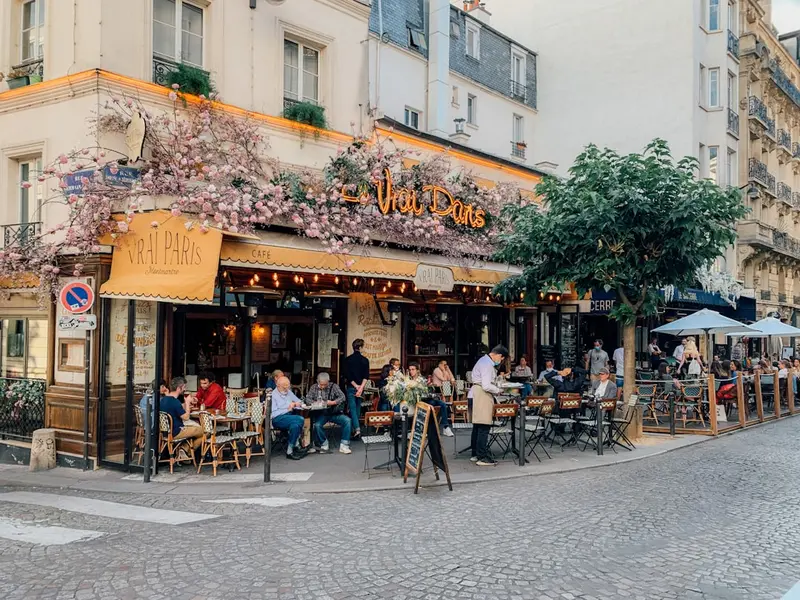
France blends high mountains, Atlantic and Mediterranean coasts with cities whose history dates back to Roman times, and a food culture unique to each region.
by Felix Gillen
Why Go To France?
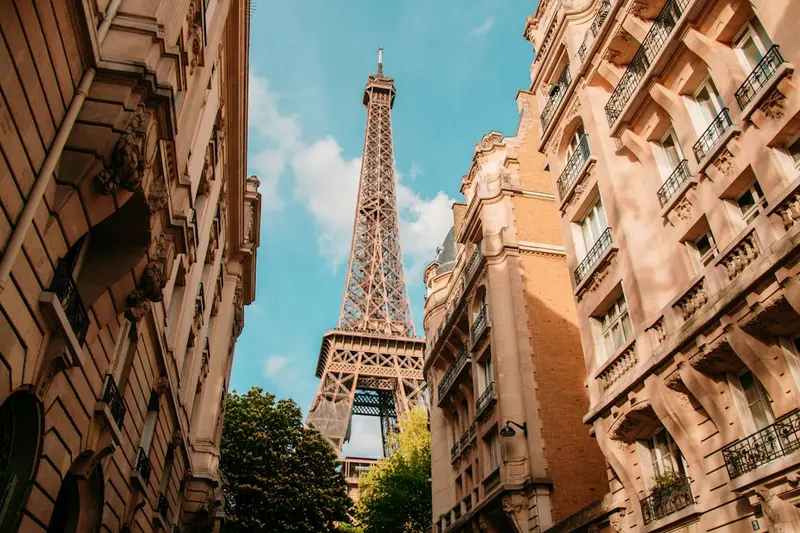
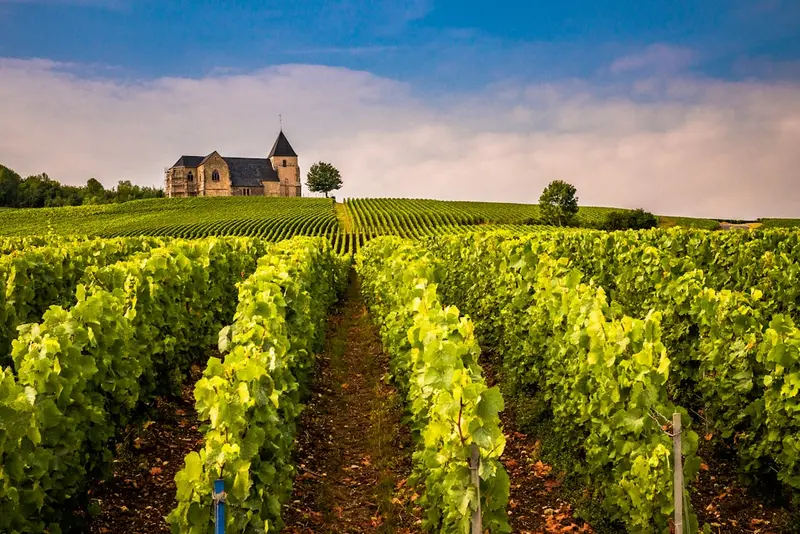
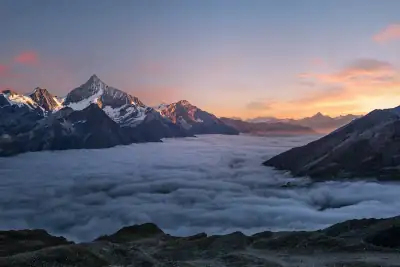
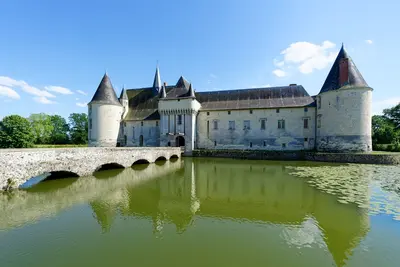
In a compact area, France's landscapes stretch from the Mont-Blanc Massif's glaciers, through the Loire Châteaux, to Corsica's rocky coves. Then there's Paris with its museums, hundreds of cheese types, and wine regions like Bordeaux, Burgundy, and Champagne. For German travelers, much of this is just a few hours away by car or train.
Where in France?
Pick a region. The highlights, road trips and places below follow your choice.
How to plan your trip to France
From the guide to the road: here is what comes next.
- 1
- 2
- 3
Use it on the road
Download the guide to your phone and use it on site, even offline.
Regions to Discover
Explore the diverse regions, from the coast to the mountains.
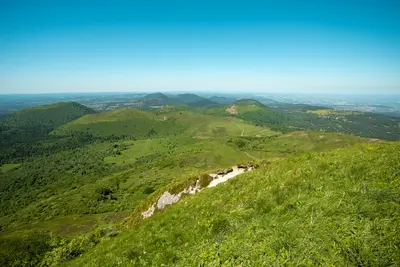
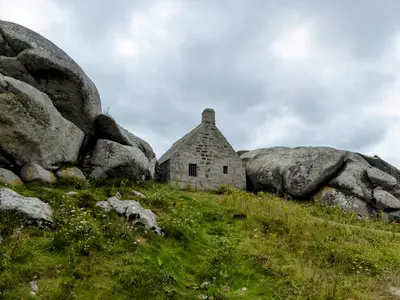
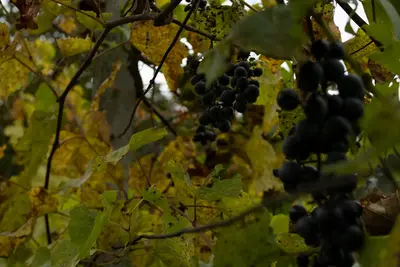
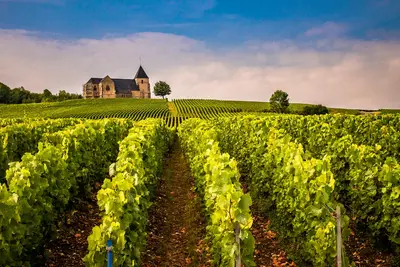
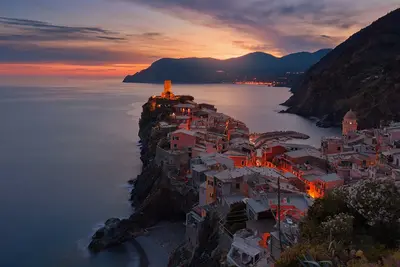
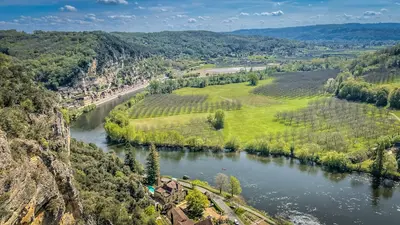
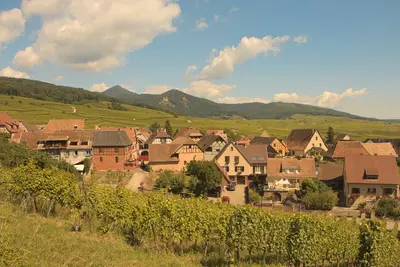
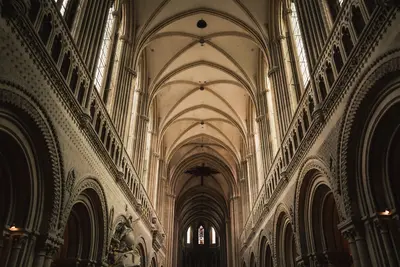
Recommended Itineraries
Discover the best routes through France.
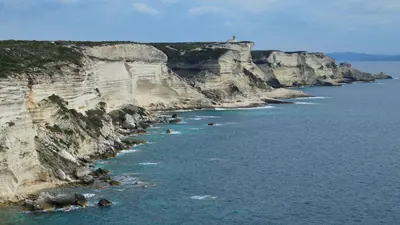
Corsica Island Circuit
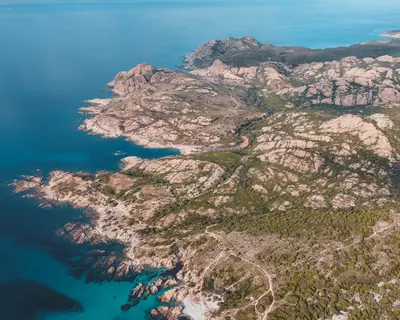
From Bastia, drive to the mountain town Corte, then to Calvi on the northwest coast. Via the coastal road, reach Porto and Ajaccio, finally to Bonifacio in the south, from where Figari airport is half an hour away. Allow more time for the winding roads than the kilometers suggest.
Stops at a glance
View Route Details →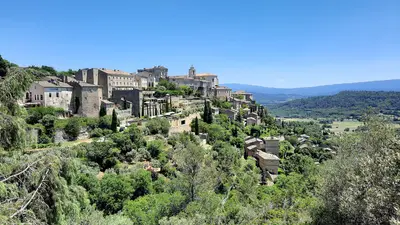
Provence & Côte d'Azur
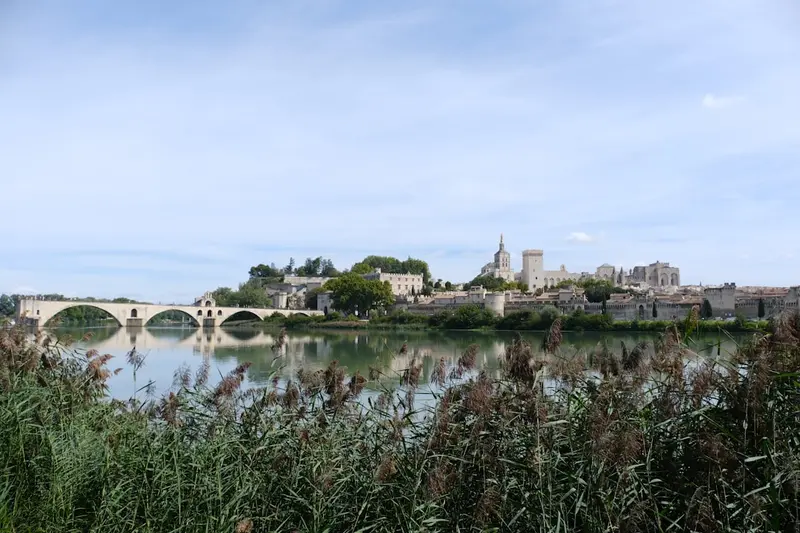
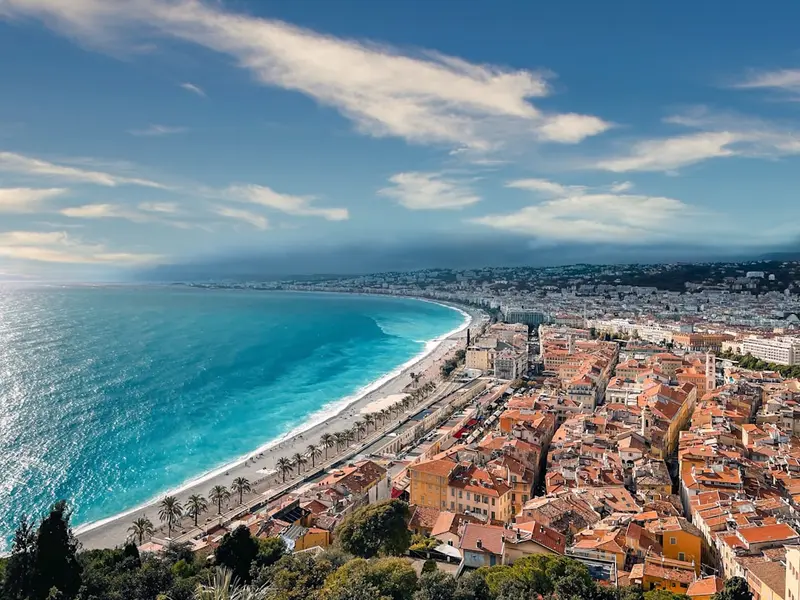
From Avignon, you drive into the Luberon to Gordes and on to Moustiers-Sainte-Marie on the edge of the Verdon Gorge. After that, it's down to the coast to Saint-Tropez, Cannes, and finally Nice; no leg takes longer than about two and a half hours.
Normandy & Brittany
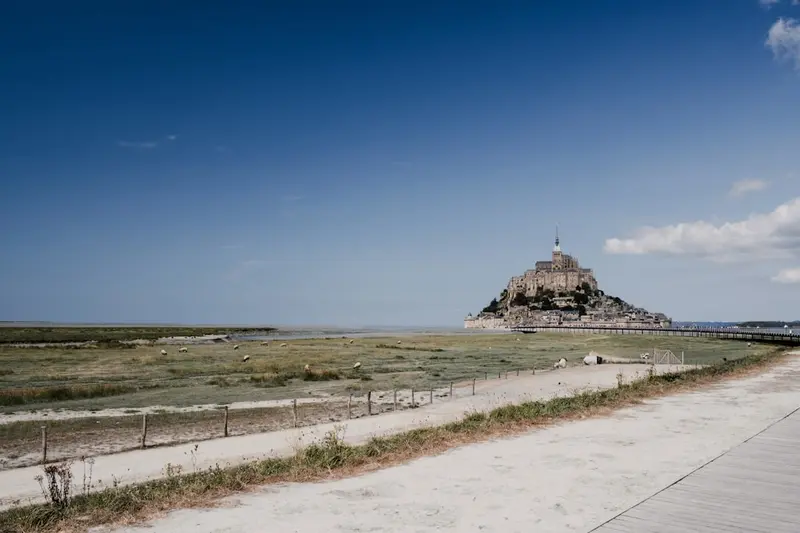
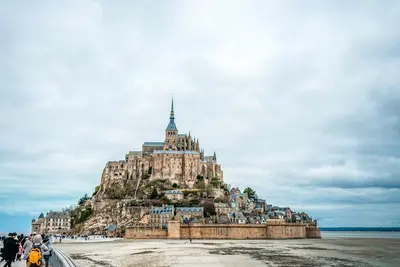
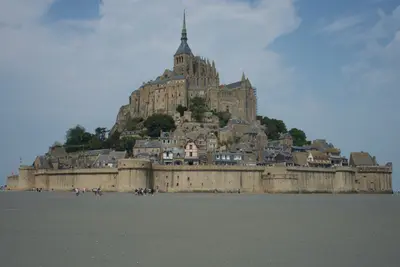
From Rouen, you drive to the Alabaster Coast to Étretat and via Honfleur and Bayeux to Mont-Saint-Michel. In Brittany, Saint-Malo follows, and finally Vannes on the Gulf of Morbihan; the longest leg from Saint-Malo to Vannes takes a good two hours.
Alsatian Wine Route
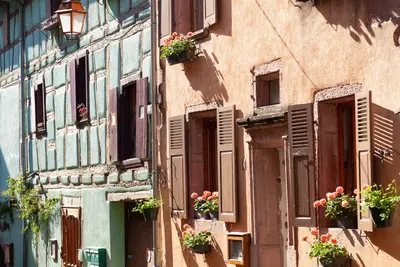
From Strasbourg, south along the Alsace Wine Route via Obernai, Ribeauvillé, and Riquewihr to Colmar. Then Eguisheim, the wine village, and finally Mulhouse; most legs are under half an hour.
Loire Châteaux
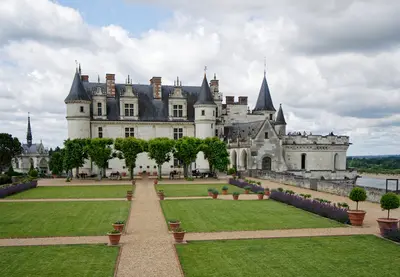
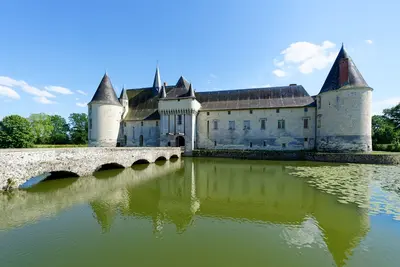
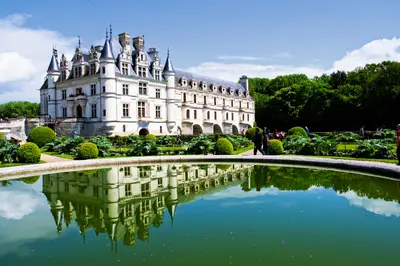
From Orléans, head downstream along the Loire via Chambord and Blois to Amboise, with a detour along the Cher to Chenonceau. Via Tours, you end up in Chinon on the Vienne; stages are usually under an hour.
Bordeaux & Atlantic Coast
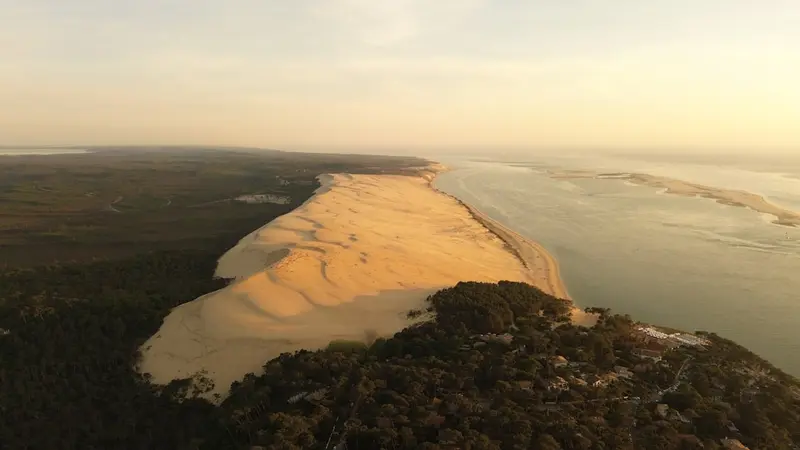
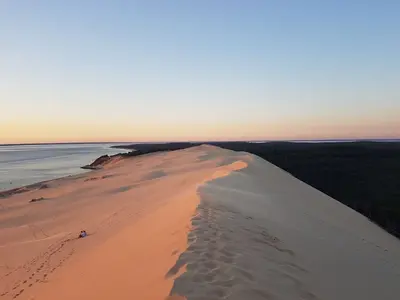
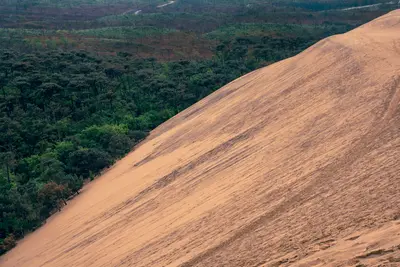
After three nights in Bordeaux, drive to the Bassin d'Arcachon and visit the Dune du Pilat from Arcachon, about 15 minutes away. Then, through the Landes' pine forests via Biscarrosse and Mimizan to Biarritz; the longest leg takes a good 90 minutes.
What you eat in France





Good to Know
Essential info for your trip planning.
Land & People
One Country, Many RegionsFrance, with approximately 550,000 square kilometers (excluding overseas territories), is the…
History & Society
From Gauls and Romans to KingsGreek settlers founded Massalia, modern-day Marseille, around 600 BC, introducing…
Food & Drink
Culinary CultureThe "gastronomic meal of the French" has been on UNESCO's Intangible Cultural Heritage list since 2010.
Practical Info
Safety and HealthFor current and authoritative travel, safety and health advice, see the UK Foreign, Commonwealth &…
Getting Around
By TrainThe national railway SNCF connects Paris radially with major cities.
RV Travel
Pitches and CampgroundsMotorhome Stopovers: Many municipalities operate their own pitches, often with service and…
Traveling with Kids
General InformationFrance is an easy country to travel with children: supermarkets and pharmacies stock baby food and…
Best Time to Visit
When is the best time for your trip?
12–18°C·55–70 mm(moderate rain)
When is the best time to visit France? This isn't a straightforward question to answer, as France is incredibly diverse and has its own unique charm in every season. It strongly depends on what you want to experience – whether you want to hike through lavender fields, carve up the ski slopes, explore vibrant cities, or relax by the sea. Let's take a look at the different seasons to help you find the perfect time to visit for your plans.Spring (April to June): For many, spring is the ideal time to travel, especially if you wish to avoid crowds and enjoy mild temperatures. The country comes alive, flowers bloom, and the days grow longer. This period is perfect for city breaks to Paris, Lyon, or Bordeaux. The Loire châteaux and the gardens of the Côte d'Azur also show themselves at their most beautiful. In the south, it can already become pleasantly warm, while the north remains agreeably mild. Keep in mind that Easter and Pentecost are popular travel times for domestic visitors, which can lead to fuller accommodations.Summer (July to August): Summer is undoubtedly the high season in France. If you love sun, beaches, and the lively hustle and bustle, this is the place for you. The coastal regions, from Brittany to the Côte d'Azur, are bustling and offer numerous water sports opportunities and festivals. Be prepared, however, that it can get very hot in Southern France (Provence, Côte d'Azur) – often exceeding 30 degrees Celsius. Accommodation prices also rise significantly, and popular spots are often overcrowded. If you tolerate heat well and enjoy the vibrant activity, summer is fantastic.Autumn (September to October): Autumn is a beautiful and often underestimated travel time. The extreme summer temperatures subside, the light becomes softer, and the landscape is bathed in golden and red hues. This is the perfect time for wine lovers to visit the wine regions like Bordeaux, Burgundy, or Champagne during the grape harvest. Hikes, especially in the Alps or Pyrenees, are still very possible before the first snow falls. Cities are less crowded than in summer and still very charming.Winter (November to March): In winter, France transforms into a paradise for skiers and snowboarders, especially in the Alps and Pyrenees. Places like Chamonix or Val Thorens attract with first-class slopes. But winter also has its charm away from the mountains. Cities like Paris are festively lit and offer cozy cafés and museums. The Christmas markets are enchanting. However, it can be cool and rainy throughout the country. If you seek a cozy atmosphere, good food, and cultural experiences away from the main tourist crowds, winter can be a very pleasant choice.In summary: Carefully consider what kind of holiday you desire. Each season has its advantages, and France is always worth a trip!
Klimatische Vielfalt FrankreichsFrankreich weist eine bemerkenswerte klimatische Vielfalt auf, die stark von seiner geografischen Lage zwischen Atlantik, Mittelmeer und verschiedenen Gebirgsketten geprägt ist. Die oben genannten monatlichen Daten stellen einen Durchschnitt dar und sollten als allgemeine Orientierung dienen, da die regionalen Unterschiede erheblich sein können.Norden und Westen (Atlantisches Klima): Regionen wie die Bretagne, Normandie und das Pariser Becken sind durch ein gemäßigtes ozeanisches Klima gekennzeichnet. Die Sommer sind eher mild, die Winter feucht und milde. Niederschläge verteilen sich über das ganze Jahr, die Temperaturen sind selten extrem.Zentrum und Osten (Kontinentales Klima): Weiter im Landesinneren, zum Beispiel in Burgund oder dem Elsass, zeigt sich ein kontinentalerer Einfluss. Hier sind die Temperaturschwankungen zwischen Sommer und Winter größer, mit heißeren Sommern und kälteren Wintern, oft mit Schnee.Süden (Mittelmeerklima): Die Mittelmeerküste, einschließlich der Provence und Côte d'Azur, genießt ein klassisches Mittelmeerklima. Die Sommer sind heiß und sehr trocken, die Winter mild und feuchter. Charakteristisch ist hier oft der Mistral, ein kalter, trockener Fallwind, der besonders im Rhônetal auftritt und für sehr klare Luft sorgt.Gebirgsregionen (Alpen, Pyrenäen, Zentralmassiv): Die Hochgebirge Frankreichs weisen ein alpines Klima auf. Hier sind die Winter lang, sehr kalt und schneereich, was sie zu beliebten Skigebieten macht. Die Sommer sind kühler und bieten ideale Bedingungen zum Wandern.Aufgrund dieser Vielfalt ist es ratsam, sich vor der Reiseplanung über die spezifischen Wetterbedingungen der gewählten Region zu informieren und entsprechend der Reisezeit und des Ziels Kleidung in Schichten einzupacken. Eine ausgeprägte Regen- oder Trockenzeit im tropischen Sinne gibt es in Frankreich nicht, jedoch können mediterrane Sommer sehr trocken sein und atlantische Winter sehr feucht.
Seasons
Jan
Feb
Mar
Apr
May
Jun
Jul
Aug
Sep
Oct
Nov
Dec
Hauptsaison
Übergangssaison
Nebensaison
Best Time to Visit
▶Show detailed monthly data
| Month | Temp (°C) | Rain (mm) | Sun (h) |
|---|---|---|---|
| January | 5.0 | 60 | 2.5 |
| February | 6.0 | 55 | 3.5 |
| March | 9.0 | 50 | 5.0 |
| April | 12.0 | 55 | 6.5 |
| May | 16.0 | 60 | 7.5 |
| June | 19.0 | 55 | 9.0 |
| July | 22.0 | 45 | 9.5 |
| August | 21.0 | 50 | 8.5 |
| September | 18.0 | 60 | 7.0 |
| October | 14.0 | 70 | 4.5 |
| November | 9.0 | 75 | 3.0 |
| December | 6.0 | 65 | 2.0 |
Travel advice
Safety, entry requirements and health: the official, up-to-date advice for France is published by the UK government on GOV.UK.
Go to GOV.UK
Who's behind Fernweh?
Hi, I'm Felix.
I love to travel, and I love planning even more. Fernweh.guide is my attempt at building a really good online travel guide.